Light: Partial shade to full sun. Camellias typically do well with morning sun and afternoon shade, particularly in warmer climates.
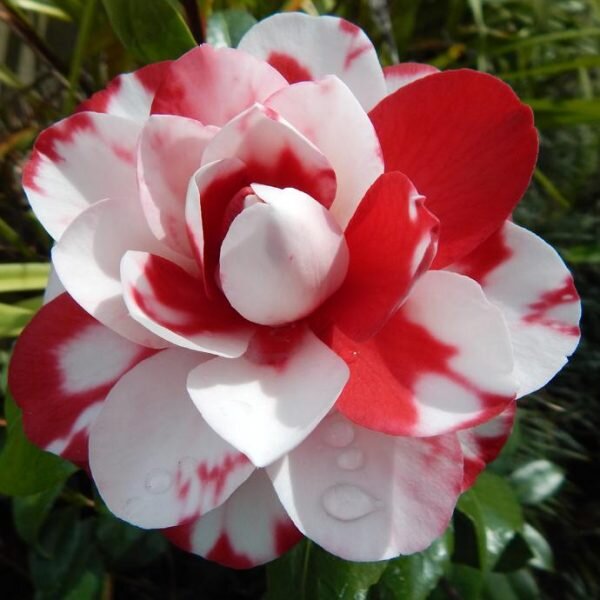
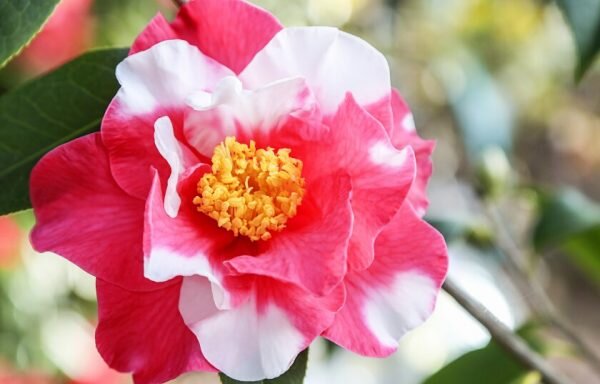
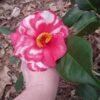
Special Traits: Known for their glossy, dark green leaves and stunning blooms, Camellias are prized for ornamental landscaping, especially in temperate and subtropical climates. They are also used in the production of tea (Camellia sinensis).
Choose a location with dappled or afternoon shade, particularly in warmer climates, to protect the plant from extreme heat.
Avoid planting in areas with heavy wind exposure or direct midday sun, as this can scorch the leaves and flowers.
Soil Preparation:
Camellias prefer slightly acidic soil with a pH of 5.5 to 6.5. Amend the soil with organic compost to increase its acidity and improve fertility.
Ensure the soil is well-draining to prevent root rot. If necessary, add sand or perlite to improve drainage in heavy soils.
Planting Time:
The best time to plant Camellias is during the fall or early spring, giving the plant ample time to establish its roots before the hot summer months.
Planting Process:
Dig a hole that is twice the size of the root ball. Place the plant in the hole, ensuring that the top of the root ball is level with or slightly above the surrounding soil.
Water the plant thoroughly after planting and apply a 2–3 inch layer of mulch around the base to help retain moisture and keep the soil cool.
Watering:
Water regularly, especially during dry periods, but ensure the soil is never waterlogged. Camellias prefer moist, well-drained soil.
Reduce watering in winter when the plant is dormant, but make sure the plant does not dry out completely.
Fertilizing:
Apply a slow-release fertilizer formulated for acid-loving plants in the spring when new growth begins.
Avoid high-phosphorus fertilizers, as they can damage the plant. Over-fertilizing can also lead to excessive leaf growth and poor flowering.
Pruning and Maintenance:
Prune Camellias after flowering to maintain their shape and remove any dead or damaged branches.
Avoid heavy pruning, as it can disrupt the plant’s natural shape and reduce flowering potential.
Pest and Disease Control:
Common Pests: Aphids, scale, and spider mites may occasionally infest Camellias. Use insecticidal soap or horticultural oils to control pests.
Diseases: Root rot, leaf spot, and petal blight can affect Camellias. Ensure proper drainage and avoid overhead watering to reduce the risk of fungal diseases.
Temperature and Care:
Camellias thrive in temperate to subtropical climates, with ideal temperatures ranging from 50–70°F (10–21°C).
They are sensitive to frost, so in cooler climates, plant them in sheltered areas or in containers that can be moved indoors during the winter.
Benefits and Uses:
Ornamental: Camellias are prized for their stunning flowers and glossy foliage, making them ideal for landscaping and as ornamental shrubs or trees.
Tea Production: The Camellia sinensis variety is the source of all true tea (green, black, white, and oolong). The leaves are harvested and processed for tea production.
Medicinal: Camellia leaves, particularly those of Camellia sinensis, are rich in antioxidants and have been used in traditional medicine for their potential health benefits, including anti-inflammatory and anti-aging properties.
Wildlife-Friendly: Camellias attract bees, butterflies, and hummingbirds, contributing to a pollinator-friendly garden.
The Camellia Plant is an elegant addition to any garden, offering both beauty and function with its lush blooms and ornamental foliage.
“Bring timeless beauty to your garden with the Camellia Plant, only on PlantsInfo!”