
Reliable Plant Knowledge for Gardeners, Learners, and Plant Enthusiasts
PlantsInfo is an independent botanical knowledge platform created to make plant information easier to understand, more practical to use, and more reliable for long-term reference.
Whether you are growing plants at home, learning about plant species, exploring medicinal or edible plants, or simply trying to understand how different plants grow and behave, PlantsInfo is designed to provide clear and well-organized information that helps you learn with confidence.
Our content focuses on real plant knowledge rather than trends, recycled trivia, or superficial summaries. From plant identification and natural habitat to cultivation requirements, flowering behavior, growth habits, and practical care guidance, every article is developed to help readers better understand plants in a meaningful and accessible way

Real Knowledge about Plants
Our content focuses on real plant knowledge rather than trends, recycled trivia, or superficial summaries. From plant identification and natural habitat to cultivation requirements, flowering behavior, growth habits, and practical care guidance, every article is developed to help readers better understand plants in a meaningful and accessible way
PlantsInfo serves a wide audience, including:
Home Gardeners
Students And Learners
Plant Hobbyists
Botanical Readers
Indoor Plant Keepers
Fruit Growers
Medicinal Plant Enthusiasts
Curious Readers Interested In Nature
As the platform continues to grow, our goal is to build one of the most useful plant knowledge resources for readers seeking practical, structured, and trustworthy botanical information.
Explore Plants by Category
Different plants serve different purposes, and understanding those differences makes plant learning easier.
PlantsInfo organizes plant knowledge into broad botanical categories so readers can discover plants based on practical interest, biological characteristics, or growing purpose.
Medicinal Plants
Learn about plants traditionally associated with herbal and wellness practices, including their botanical background, plant characteristics, cultivation habits, and identification details.
Edible Plants
Explore fruits, vegetables, herbs, and food-producing species commonly grown for nutritional or culinary use.
Indoor Plants
Discover plants commonly suited to homes, apartments, offices, and interior spaces, with practical care guidance for lower-light and container-growing environments.
Flowering Plants
Explore ornamental flowering species valued for blooms, garden aesthetics, pollinator attraction, and decorative planting.
Fruit Trees
Understand the growth patterns, care needs, and cultivation requirements of long-term fruit-producing trees.
Native and Common Garden Plants
Learn about widely recognized plants found in home gardens, landscapes, and natural environments.

Detailed Plant Profiles for Better Understanding
Understanding a plant goes beyond knowing its name.
PlantsInfo provides detailed plant profiles that help readers explore essential botanical and cultivation knowledge in a practical and accessible way.
Plant profiles may include information such as:
- scientific and common names
- botanical classification
- plant family
- origin and natural distribution
- growth habit and mature size
- leaf, stem, flower, fruit, and root characteristics
- preferred climate
- soil and sunlight requirements
- watering considerations
- flowering and fruiting behavior
- propagation methods
- practical growing notes
- general cultivation observations
These plant knowledge pages are designed to help readers compare species, improve their understanding of plants, and make more informed gardening decisions.
-
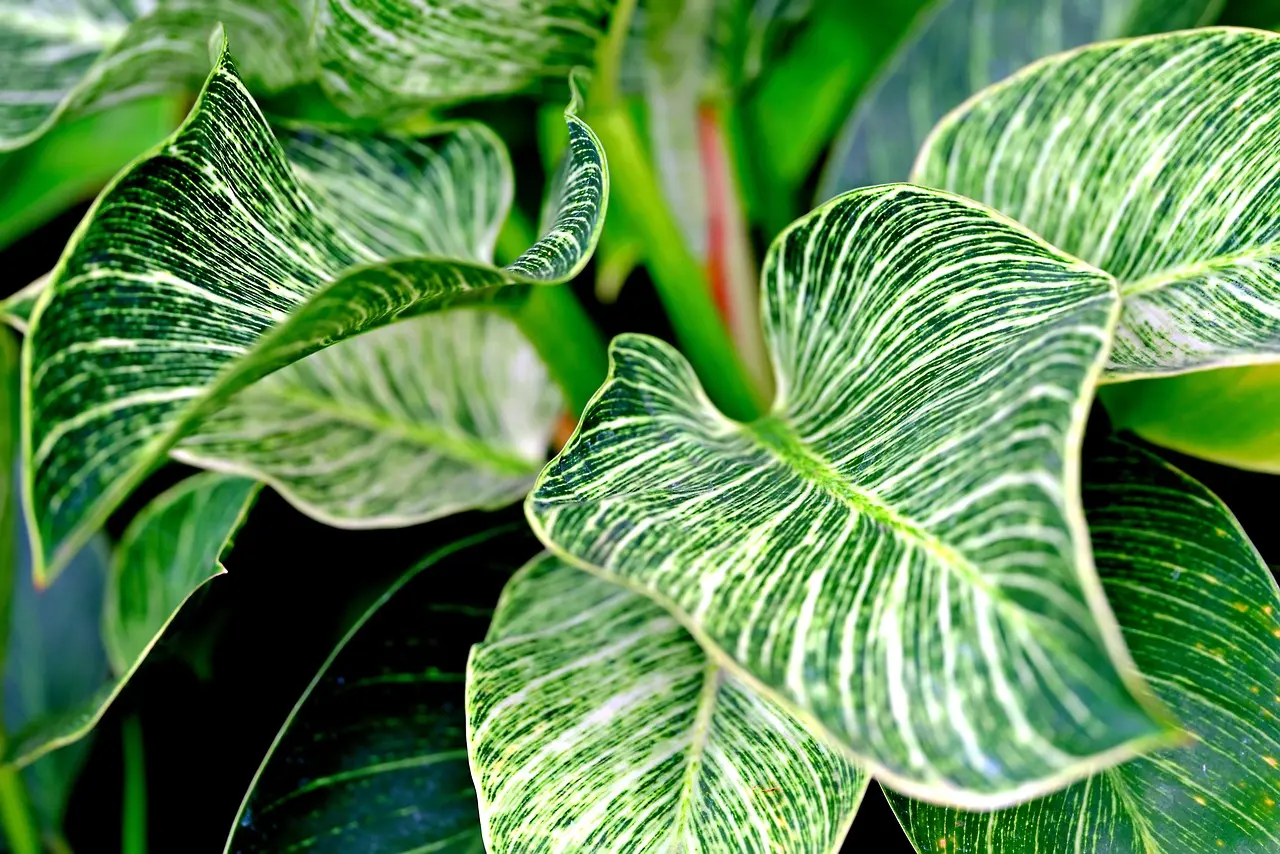
Philodendron ‘Birkin’
Introduction Philodendron ‘Birkin’, commonly called Birkin philodendron, is a cultivated ornamental selection in the family Araceae, distinguished by dark-green leaves marked with creamy-white, yellowish, or pale-green pinstripes. It has no established wide native range as a cultivar; its precise origin…
-
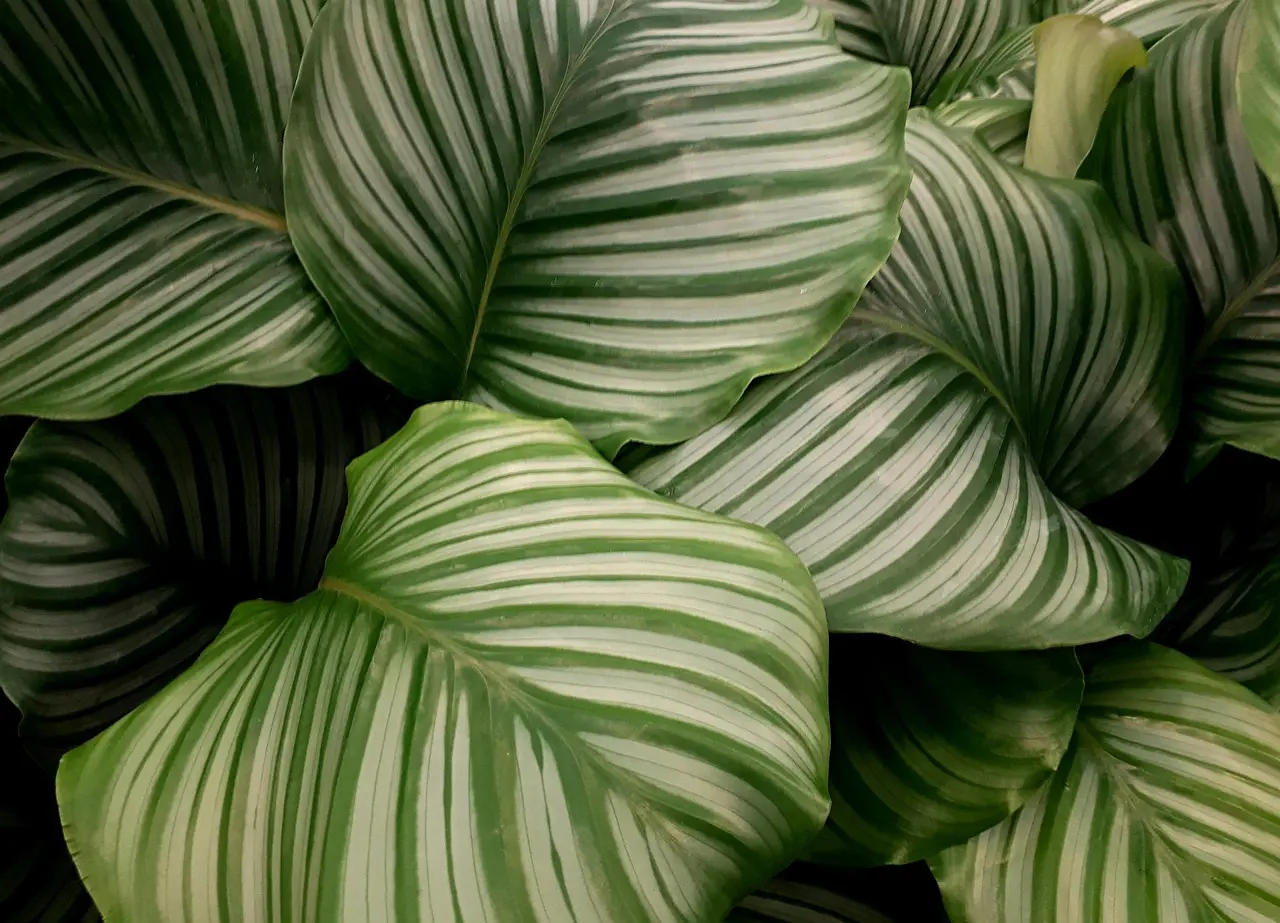
Round-leaved calathea (Goeppertia orbifolia)
Introduction Goeppertia orbifolia (Linden) Borchs. & S.Suárez is a perennial member of the prayer-plant family, Marantaceae, recognized horticulturally by its large, rounded leaves with contrasting silvery-green striping. The species is native to eastern Brazil, with its native distribution recorded in…
-
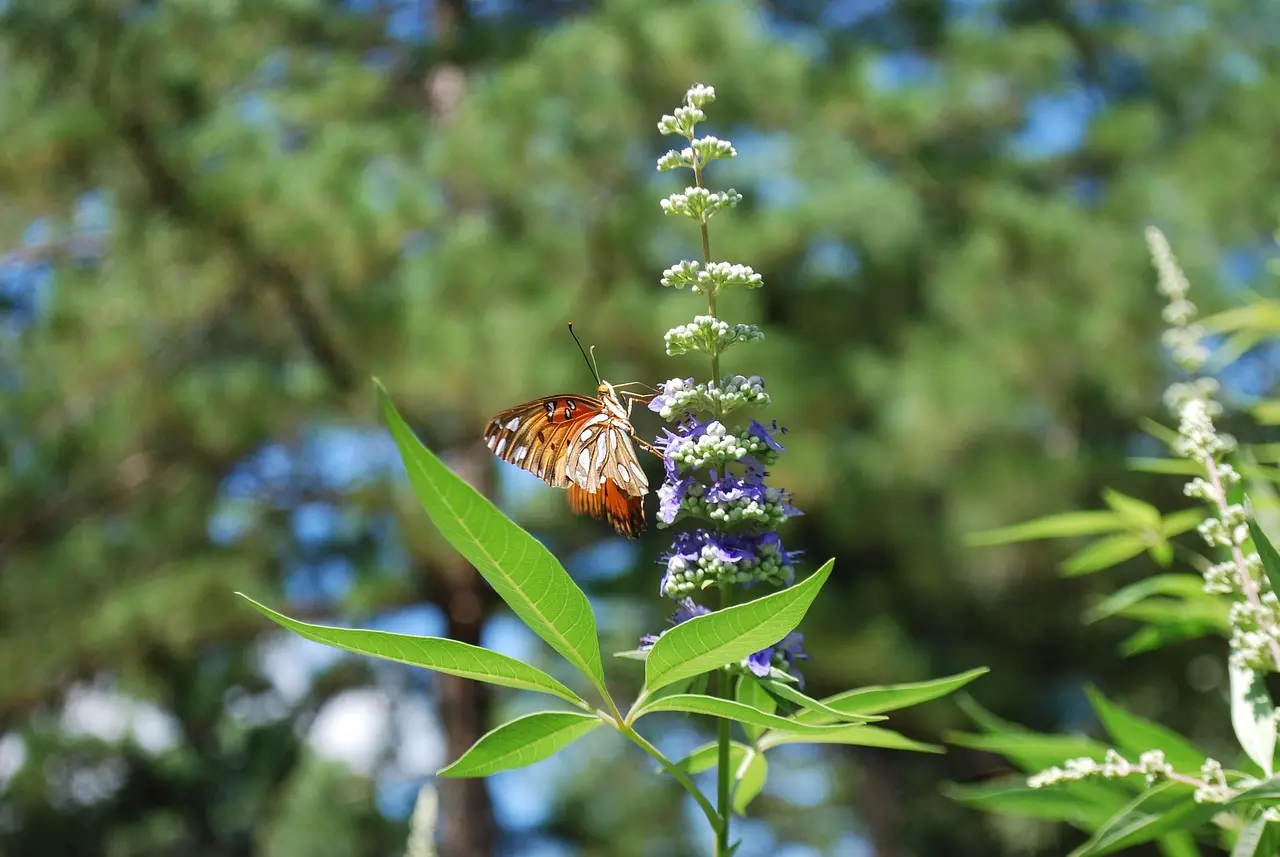
Nirgundi (Vitex negundo)
Introduction Vitex negundo L., commonly known as five-leaved chaste tree or Nirgundi, is a flowering shrub or small tree belonging to the family Lamiaceae. It is characterized by palmately arranged compound leaves, typically bearing five leaflets, although leaflet number may…
-
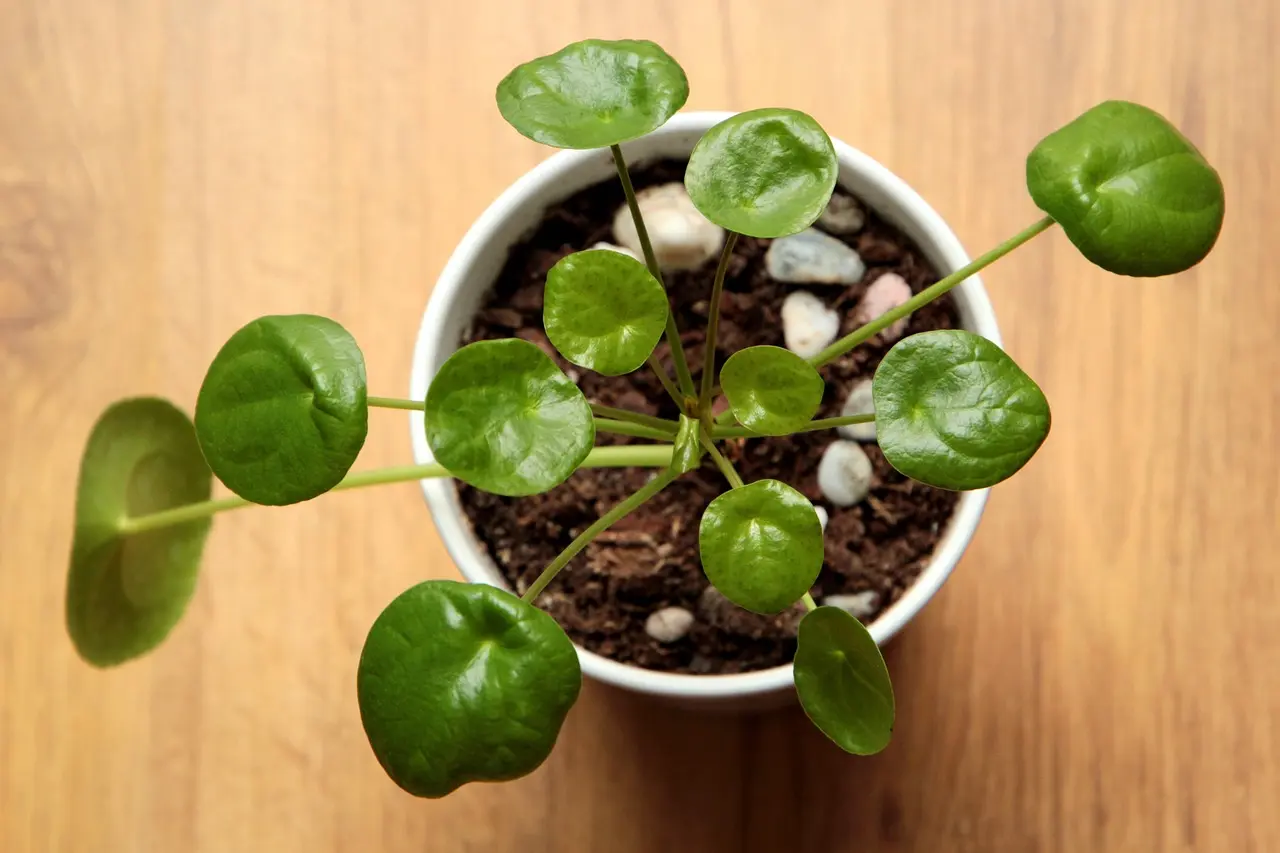
Chinese Money Plant (Pilea peperomioides Diels)
Introduction Pilea peperomioides Diels, commonly known as the Chinese money plant, is an accepted species in the nettle family, Urticaceae. It is readily recognized horticulturally by its distinctive peltate, nearly circular leaves and is widely cultivated as an ornamental pot…
-
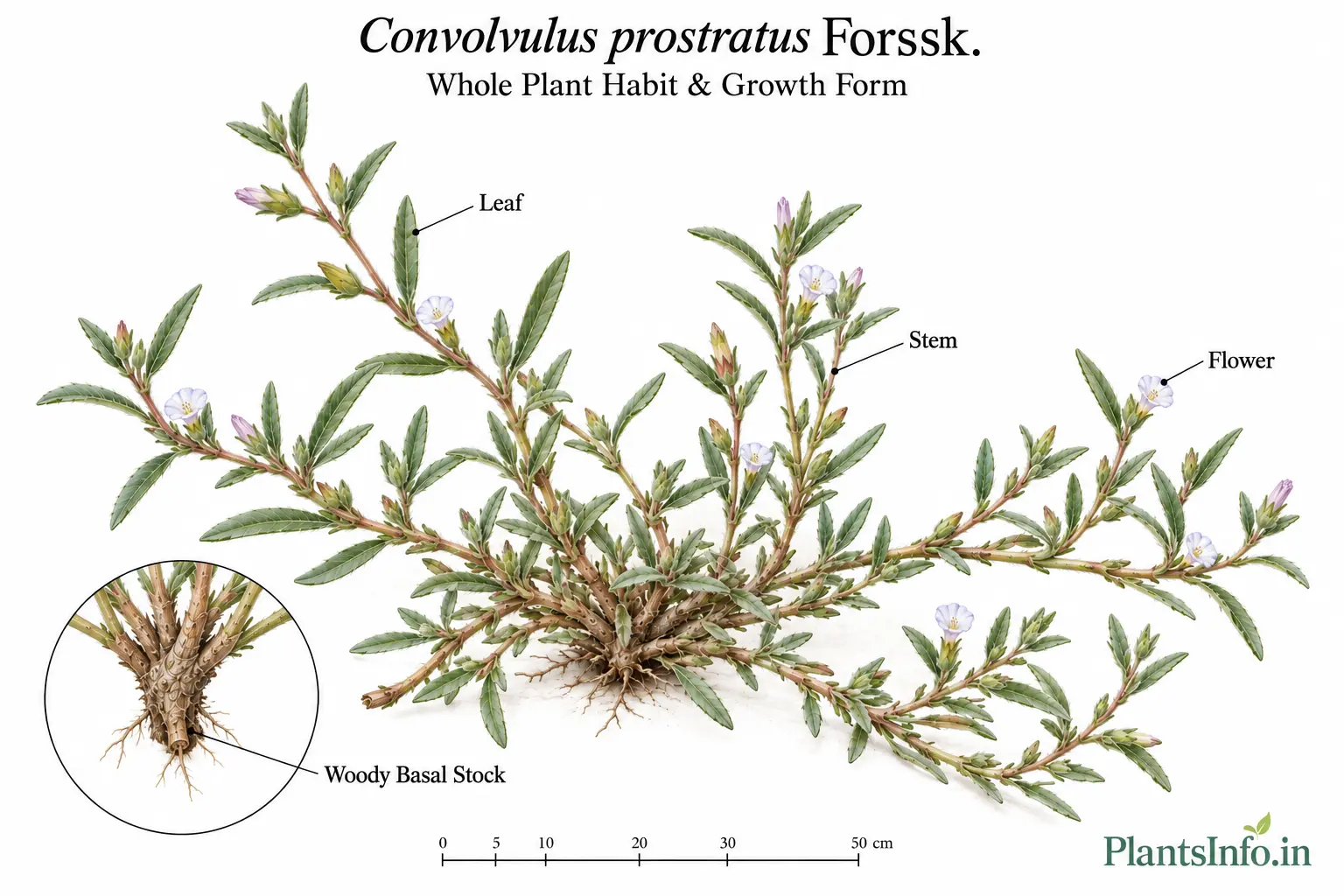
Convolvulus prostratus (Shankhpushpi)
Introduction Convolvulus pluricaulis Choisy is a perennial herb of the family Convolvulaceae, currently treated by the principal modern taxonomic backbone as a synonym of Convolvulus prostratus Forssk. The accepted species is a subshrub occurring naturally from Cape Verde through northern…
-
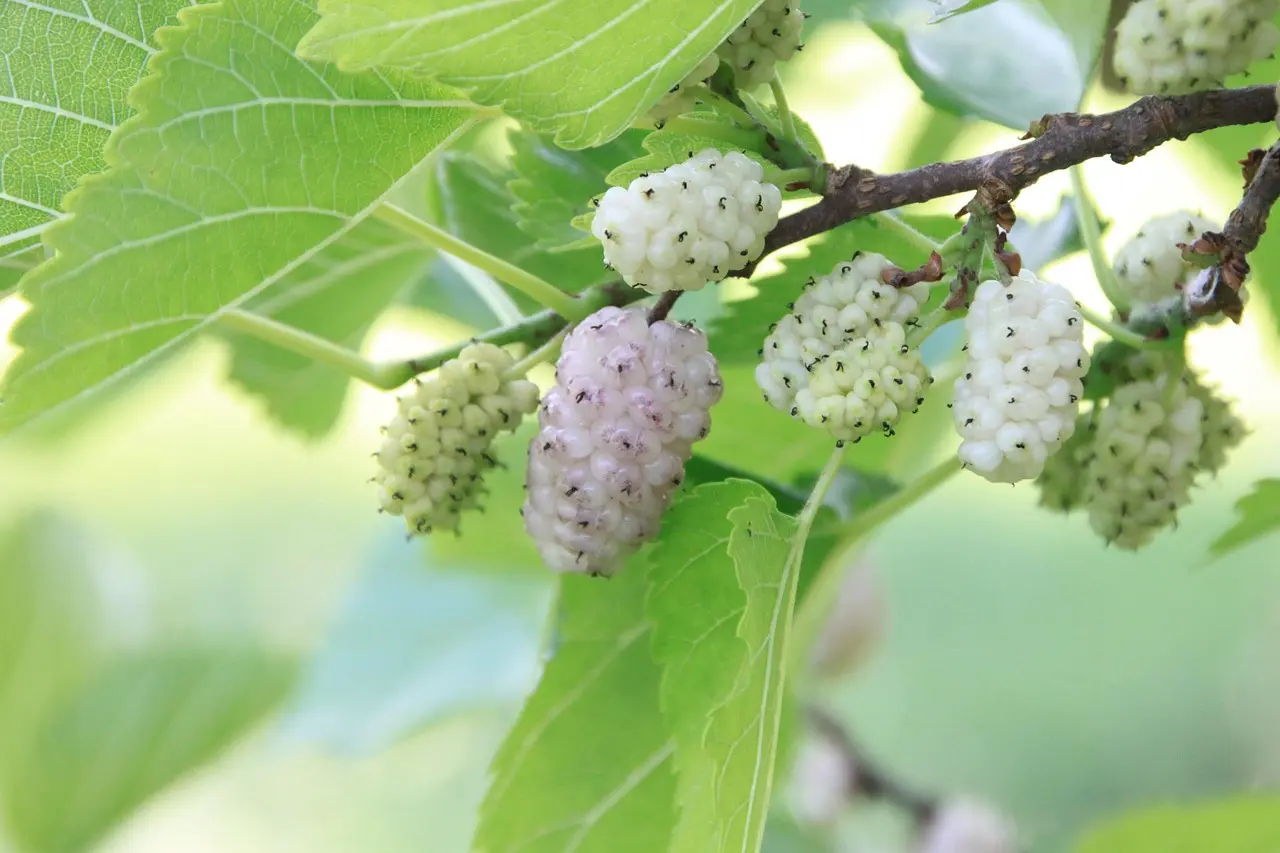
White Mulberry (Morus alba L.)
Introduction Morus alba L., commonly known as white mulberry or Shahtoot, is a deciduous mulberry of the family Moraceae. It is currently accepted at species rank, with Central China identified as its native range. Its identity is supported by its…
Featured Plant Guides and Growing Advice
Successful plant care starts with understanding how a plant naturally grows.
PlantsInfo publishes practical growing guides that help readers care for plants in realistic home and garden conditions. These guides focus on cultivation methods, watering needs, sunlight requirements, soil preferences, climate suitability, propagation techniques, flowering expectations, pruning considerations, and common care mistakes.
Our growing guides are especially useful for readers looking for practical help with Indian gardening conditions, tropical plant care, seasonal cultivation, and indoor plant maintenance.
-
Guggul Varieties: Which One Should You Grow in India?

Quick Answer: No commercially released horticultural varieties of guggul exist in India. The meaningful distinctions are between regional ecotypes — primarily Rajasthan and Gujarat provenances — and the five classical resin grades described in Ayurvedic texts. For home gardeners, the…
-
Star Fruit Plant: Quick Facts, Names, and What You Should Know

Quick Answer: Star fruit (Averrhoa carambola) is a tropical evergreen fruit tree native to Southeast Asia, now widely grown across South India, the Northeast, West Bengal, and coastal Maharashtra. The fruit’s unmistakable five-ribbed cross-section — a perfect star when sliced…
-
Star Fruit: Nutritional Benefits and Culinary Uses
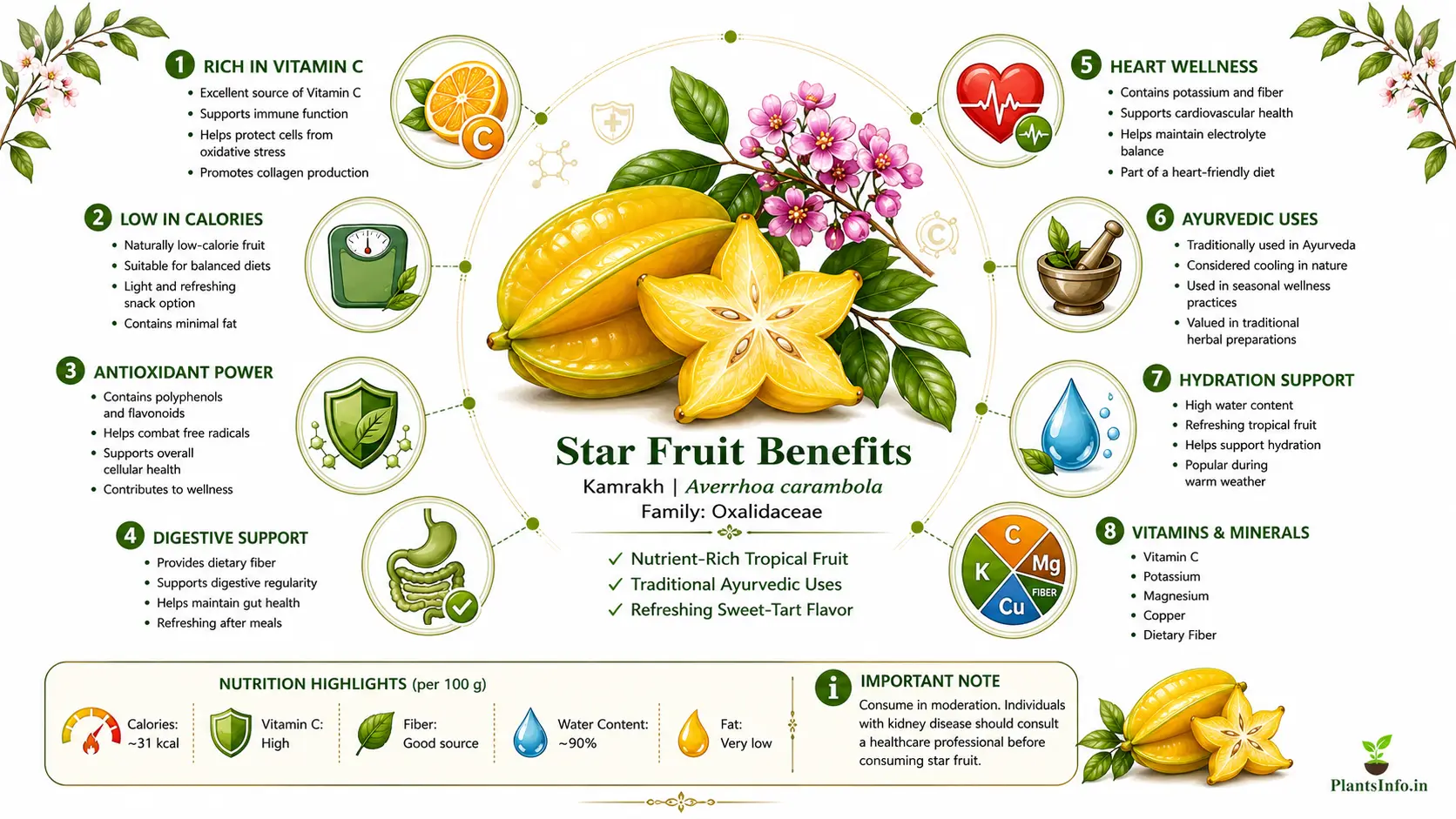
Quick Answer Star fruit (Averrhoa carambola), commonly known as kamrakh, is a low-calorie tropical fruit rich in vitamin C, dietary fibre, and naturally occurring antioxidant compounds. It is widely used across India as a fresh fruit, souring ingredient, pickle base,…
-
Jamun Plant Problems: Symptoms, Causes, and Fixes

Quick Answer: The most common jamun problem in Indian gardens is anthracnose — a fungal disease that damages leaves and fruit during the monsoon. Most jamun problems are either fungal (triggered by humidity) or environmental (triggered by poor drainage or…
-
Guduchi Varieties: Which One Should You Grow in India?

Quick Answer: For almost every Indian home gardener, standard Tinospora cordifolia — grown on a neem tree wherever possible — is the correct and only choice. Two related species are sold as Guduchi but have important differences that matter for…
-
Mango Varieties: Which One Should You Grow in India?

Quick Answer: India has over a thousand named mango varieties, but fewer than twenty dominate home garden and orchard planting. The right choice depends on your region, available space, and whether you want to eat the fruit fresh, process it,…
About PlantsInfo
PlantsInfo was created to make plant learning easier, clearer, and more useful for everyday readers.
Many online plant resources focus heavily on fragmented tips, generic summaries, or scattered information that makes practical learning difficult. PlantsInfo takes a more organized editorial approach by developing detailed educational content designed to help readers understand plants more effectively.
Our long-term mission is to become a dependable botanical learning platform where readers can explore plant science, cultivation knowledge, and practical gardening information in one place.
Whether you are identifying a plant, learning how to grow one, or exploring plant biology out of curiosity, PlantsInfo aims to support that journey.
PlantsInfo is independently managed by Avijit Sarkar and developed using a combination of botanical references, scientific literature, digital research tools, and editorial review processes.
PlantsInfo publishes botanical plant profiles, practical growing guides, educational plant articles, and category-based plant learning resources.
Yes. Many articles are written to remain understandable for beginners while still offering useful details for more experienced readers.
Yes. PlantsInfo includes information on indoor plants, flowering plants, fruit trees, edible plants, medicinal plants, and other common plant groups.
Many guides consider Indian climate conditions, seasonal patterns, and practical home gardening contexts where relevant.
PlantsInfo continues expanding with new plant topics and ongoing content improvements.
Popular Plant Information
Some of the commonly explored plants on Plants Info include:
These pages provide in-depth information while following the same structured format used throughout the database.
A Growing Knowledge Resource
Plants Info is continuously evolving. New plant entries are added regularly, and existing content is refined to improve clarity and completeness while maintaining consistency.
Our long-term vision is to develop Plants Info into a comprehensive plant reference platform, covering a wide range of plant species and Care guides with reliable, well-structured information.