Star Fruit: Nutritional Benefits and Culinary Uses
Quick Answer
Star fruit (Averrhoa carambola), commonly known as kamrakh, is a low-calorie tropical fruit rich in vitamin C, dietary fibre, and naturally occurring antioxidant compounds. It is widely used across India as a fresh fruit, souring ingredient, pickle base, and traditional food plant. While generally safe for people with normal kidney function, individuals with chronic kidney disease should avoid star fruit because it contains compounds that can accumulate to toxic levels in the body.
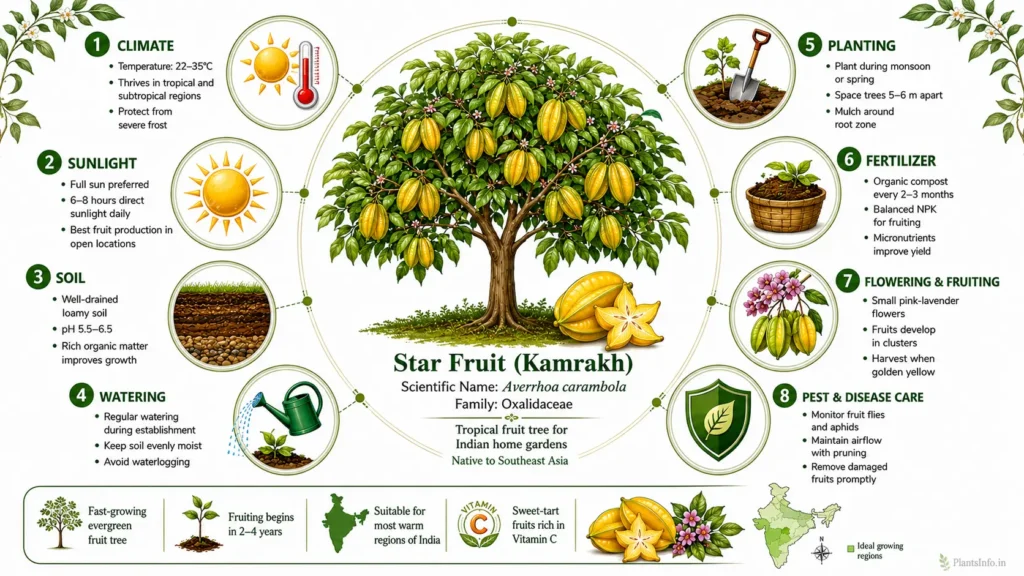
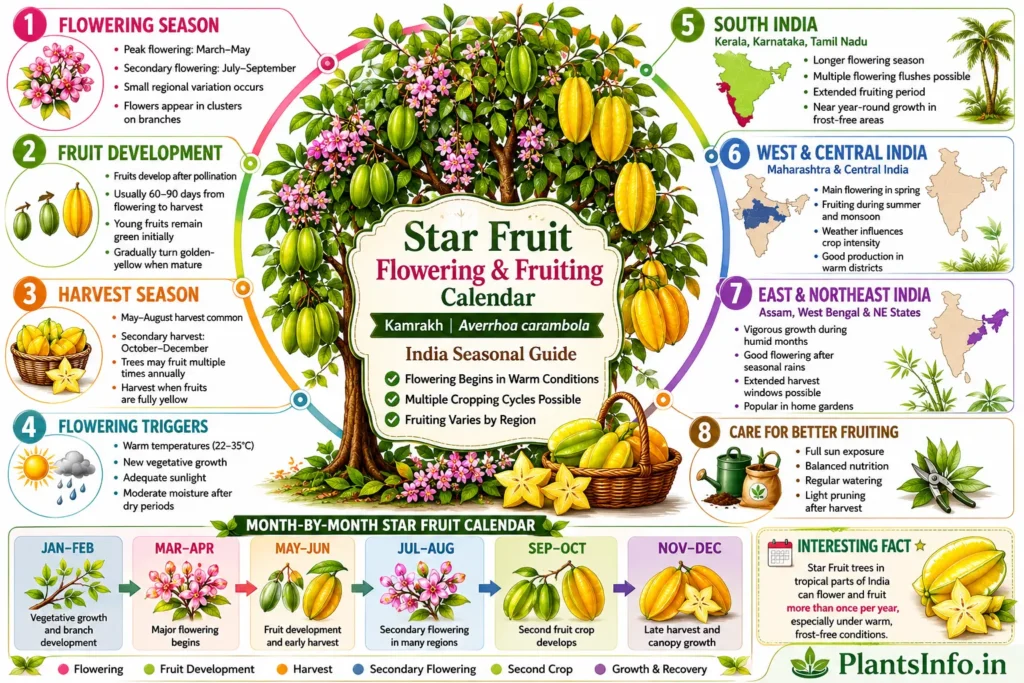
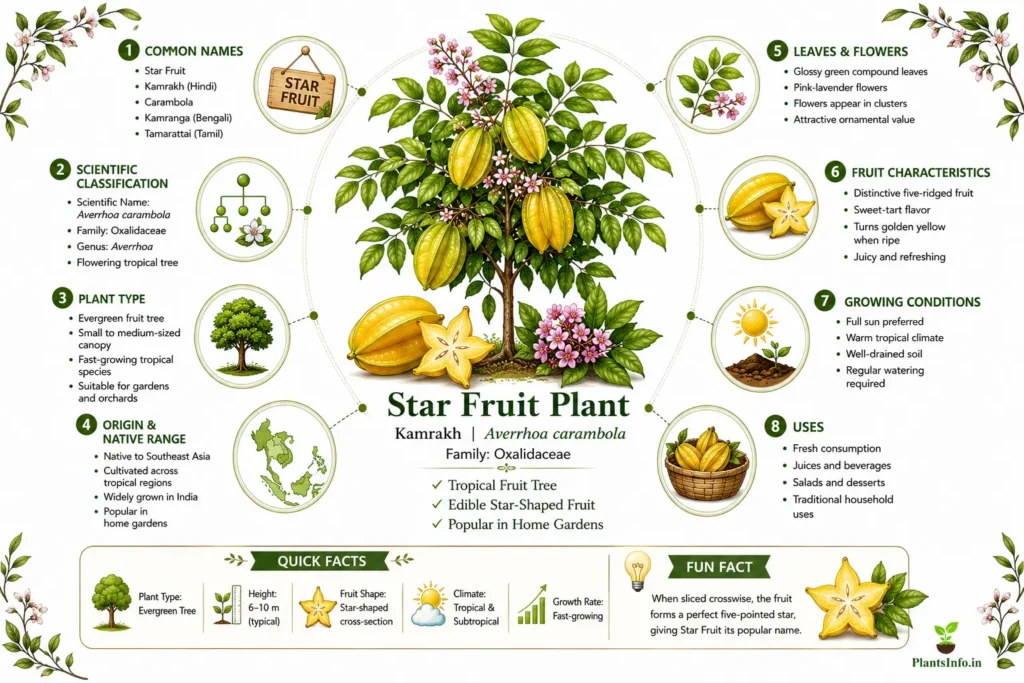
See also: Star Fruit plant profile, how to grow it, common problems, its flowering season, and its varieties.
Introduction
There is a fruit in the Indian kitchen that serves as a souring agent, salad ingredient, pickle base, and refreshing summer snack all at once, yet remains surprisingly underappreciated outside regions such as West Bengal, Kerala, Andhra Pradesh, and parts of the Northeast. Star fruit (Averrhoa carambola) may not enjoy the widespread popularity of mango or the cultural prominence of neem, but it offers a unique combination of culinary versatility, ornamental appeal, and nutritional value.
Recommended Products
Disclosure: As an Amazon Associate, PlantsInfo may earn from qualifying purchases.
🌱 Growing Essentials
The following products can help with container gardening, potting, root development, soil management, and healthy plant growth.
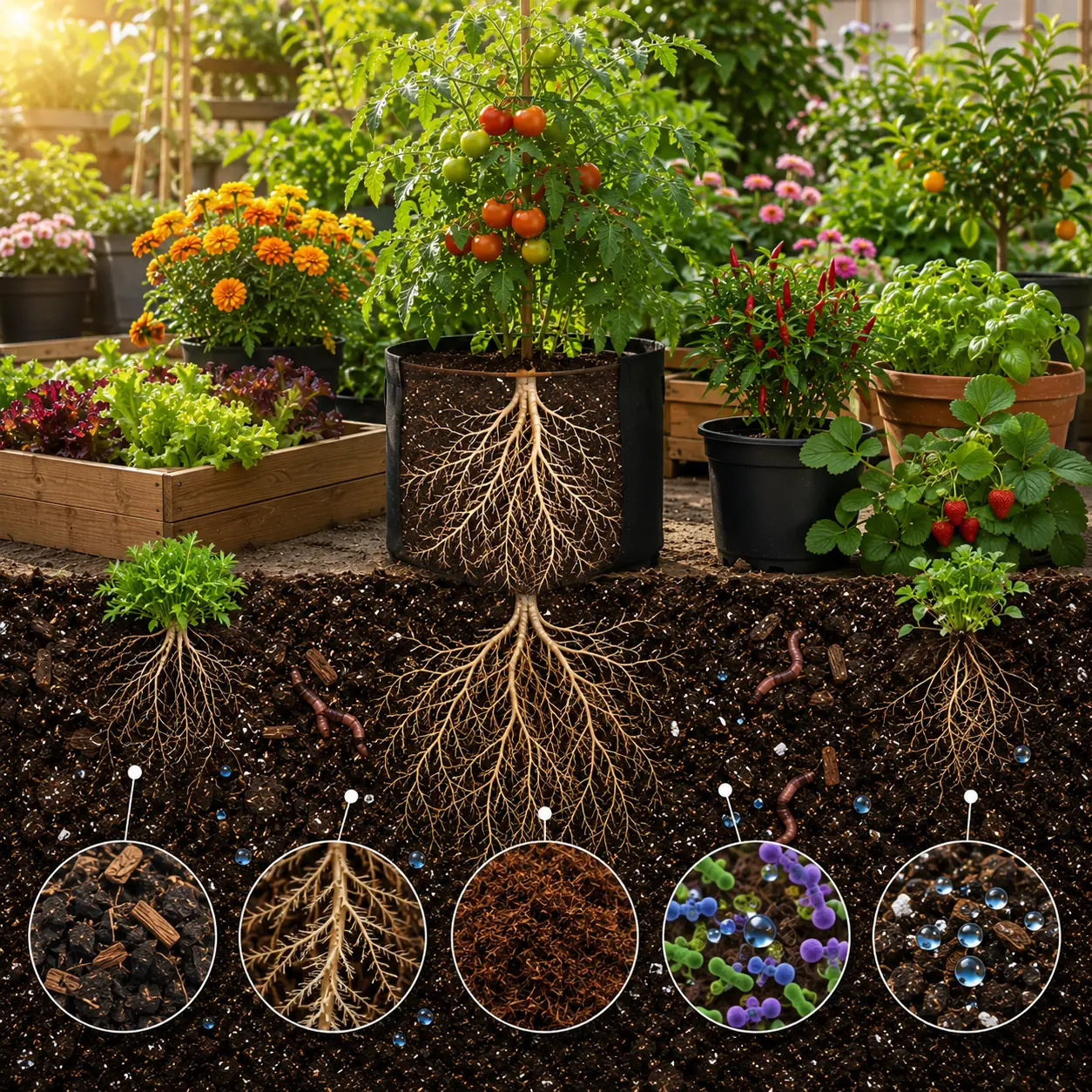
Organic Potting Soil Mix
Provides nutrients, structure, and healthy growing conditions for container plants.
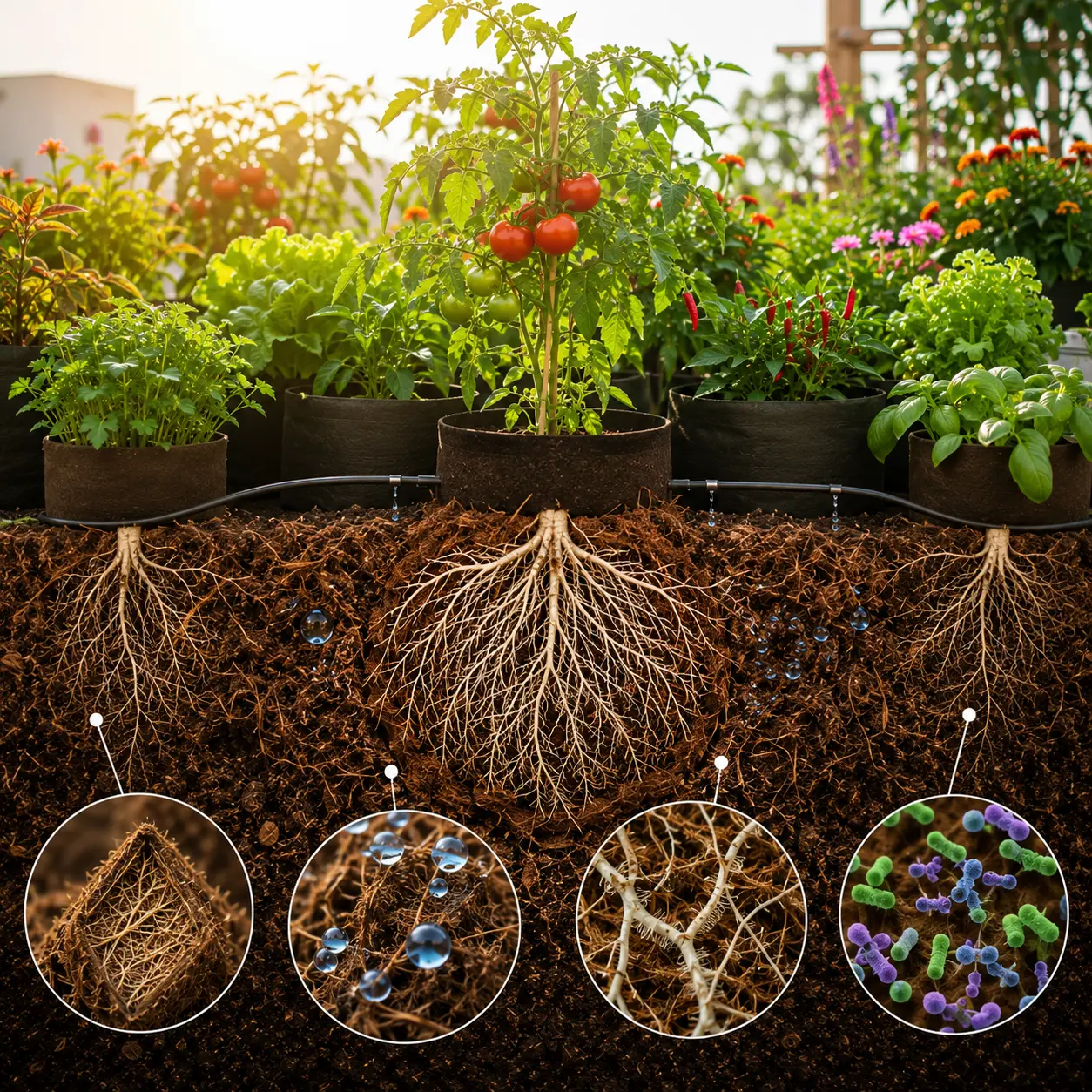
Coco Peat Growing Medium
Enhances moisture retention while maintaining excellent root-zone aeration.

Grow Bags for Plants
Improve drainage, root aeration, and vegetable production in limited spaces.

Plastic Pots for Plants
Ideal containers for seedlings, ornamentals, herbs, and balcony gardens.
What makes star fruit particularly interesting is not any single nutrient or traditional use, but the remarkable range of ways it is incorporated into regional cuisines and home gardens across tropical India. Whether eaten fresh, cooked into curries, preserved as pickles, or used in seasonal recipes, it remains one of the country’s most versatile fruit crops.
Nutritional Profile and Culinary Uses
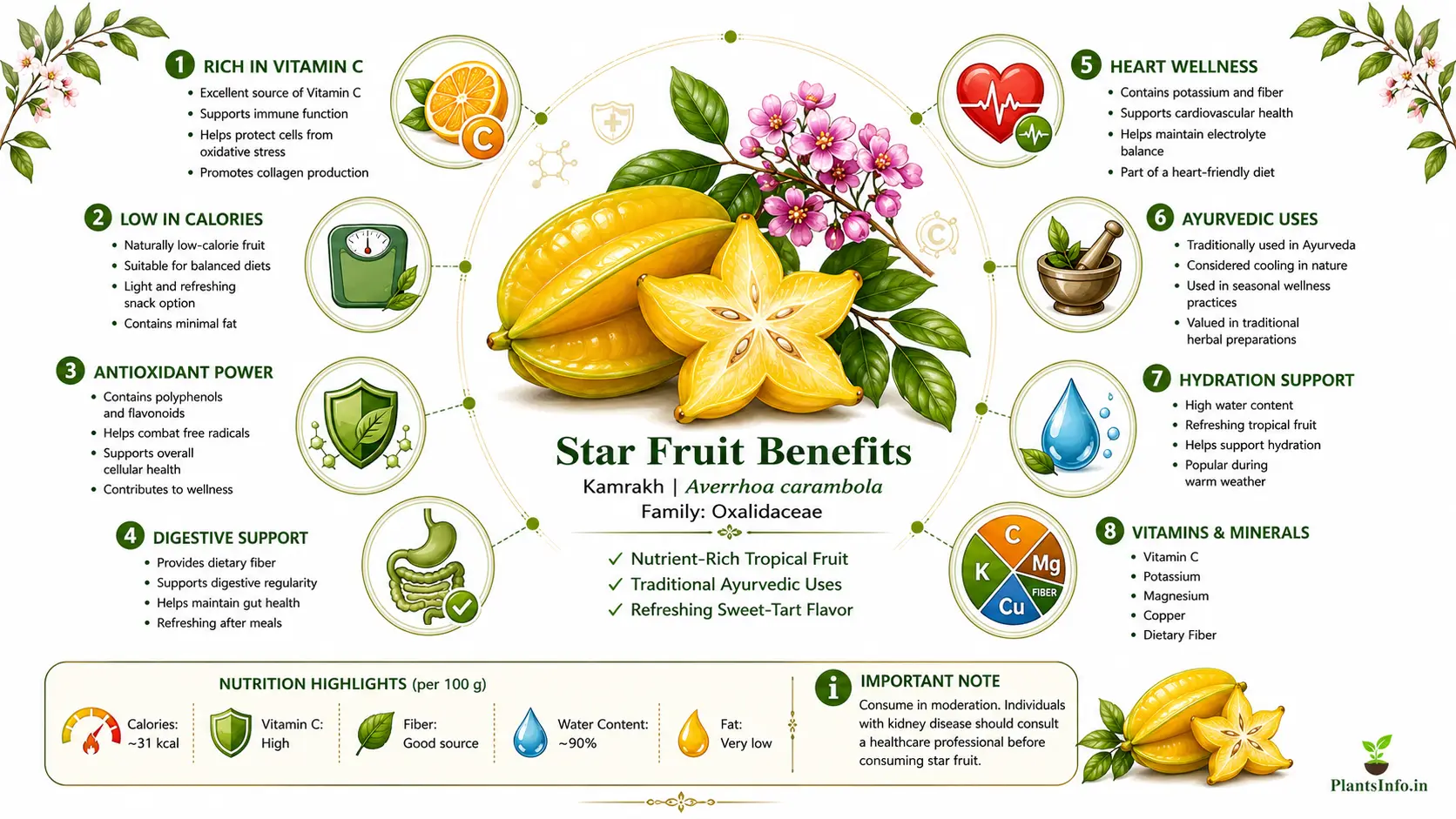
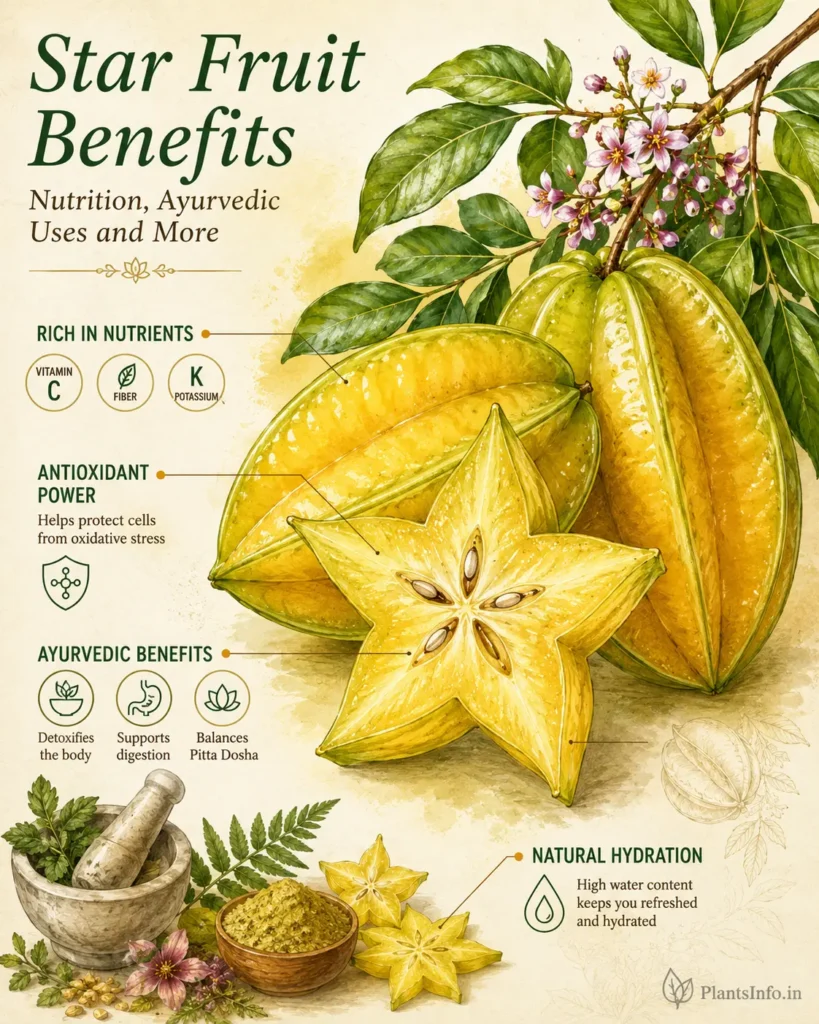
Star fruit is a naturally low-calorie fruit, providing approximately 30–35 kcal per 100 g of fresh pulp. It is best known as a source of vitamin C while also supplying dietary fibre, potassium, and smaller amounts of several B vitamins, including folate and pantothenic acid (vitamin B5).
Scientific studies have identified naturally occurring antioxidant compounds in star fruit, including quercetin, epicatechin, and gallic acid. These phytochemicals contribute to the fruit’s antioxidant activity, although star fruit should be viewed as part of a balanced diet rather than as a medicinal food.
Across India, star fruit is used in remarkably different ways depending on local culinary traditions. In West Bengal, thin slices of green kamrakh are often seasoned with salt, mustard oil, and green chilli and eaten much like raw mango. In Kerala and coastal Karnataka, both ripe and semi-ripe fruits are incorporated into chutneys, curries, and fish preparations, where their acidity provides an alternative to tamarind. In Assam and parts of the Northeast, the fruit is used in fermented preparations and regional fish dishes. In Andhra Pradesh, sour cultivars are commonly sun-dried and stored for use as a souring ingredient throughout the year.
The fruit’s high water content, often approaching 90%, makes it particularly refreshing in juices, beverages, and fruit salads. Sweet cultivars such as B-17 and Arkin are generally consumed fresh when fully ripe. As the fruit ripens, sugar content increases and the sharp sourness becomes noticeably milder, creating a more balanced flavour.
Star fruit is also valued for its distinctive appearance. When sliced crosswise, each piece forms a natural five-pointed star, making it a popular addition to fruit platters, salads, desserts, and garnishes. Its crisp texture and mild acidity pair particularly well with ingredients such as cucumber, onion, chilli, and fresh cheeses.
In some regions of southern India, dried star fruit preparations have traditionally been consumed after meals. While dietary fibre may contribute to digestive comfort, evidence supporting specific therapeutic effects remains limited.
Important: Information regarding traditional food uses and historical practices is provided for educational purposes only. Traditional use does not necessarily indicate proven medical effectiveness.
This information is based on traditional knowledge, published research, and documented culinary practices. It is not intended as medical advice. Consult a qualified healthcare professional before using any plant-based preparation for health-related purposes.
Traditional and Medicinal Uses
Star fruit (Averrhoa carambola) has a long history of use in traditional medicine systems across tropical Asia, including regional Ayurvedic traditions and folk practices in parts of Kerala, Andhra Pradesh, Tamil Nadu, and the Northeast. Historical records and ethnobotanical surveys describe the fruit as being used in preparations associated with minor digestive discomfort, seasonal fevers, coughs, and various skin-related conditions.
In some coastal regions of India, diluted star fruit preparations have traditionally been used in cooling applications intended to relieve discomfort associated with hot and humid weather. Such practices remain part of local traditional knowledge, although scientific evidence supporting their effectiveness is limited.
Modern research has identified numerous bioactive compounds in Averrhoa carambola, including flavonoids, phenolic acids, and other phytochemicals. Laboratory and animal studies have reported potential antioxidant, anti-inflammatory, antimicrobial, and antidiabetic activities. However, most of these findings remain preliminary, and there is currently insufficient clinical evidence to support the use of star fruit as a treatment for any medical condition.
Traditional uses extend beyond the fruit itself. In some communities, leaf preparations have historically been used in topical applications and household remedies. These practices form part of the plant’s ethnobotanical history but should not be interpreted as medically proven treatments.
Similarly, the use of fresh star fruit juice for minor skin irritations, insect stings, or rashes has been documented in some folk traditions. While such practices are culturally significant, scientific evidence supporting their effectiveness remains limited.
Important: Traditional use and historical significance do not necessarily indicate proven medical effectiveness. Star fruit and its preparations should not be used as substitutes for professional medical care, diagnosis, or treatment.
Safety Considerations and What to Avoid
Star fruit contains naturally occurring compounds, including caramboxin and oxalates, that are normally eliminated by healthy kidneys. However, individuals with chronic kidney disease (CKD), kidney failure, or those receiving dialysis may be unable to remove these compounds effectively.
This is a well-documented medical concern rather than a general precaution. In susceptible individuals, consumption of star fruit or star fruit juice has been associated with serious adverse effects, including neurological symptoms such as confusion, persistent hiccups, seizures, and, in severe cases, life-threatening complications.
For this reason, people with impaired kidney function should avoid consuming star fruit unless specifically advised otherwise by a qualified healthcare professional familiar with their medical history.
Individuals taking prescription medications should consult their healthcare provider before consuming large quantities of star fruit regularly, as fruit–drug interactions have been reported in some cases.
For people with normal kidney function, star fruit is generally considered safe when consumed in typical food quantities as part of a balanced diet. The kidney-related warning applies specifically to individuals with impaired renal function and is not a concern for most healthy consumers.
Children and pregnant women with normal kidney function commonly consume star fruit as a food in many regions. As with any fruit, moderation is advisable, and individuals with specific medical concerns should seek guidance from a healthcare professional. Fruit juice should not be offered to infants under one year of age unless recommended by a qualified healthcare provider.
Ecological Role
Star fruit is a valuable addition to biodiversity-friendly home gardens. In tropical and subtropical regions of India, the tree flowers multiple times throughout the year, producing clusters of small pink to purple blossoms that attract a variety of pollinating insects, including honeybees, native bees, and small butterflies.
Because flowering may occur across several seasons, star fruit can provide a relatively consistent nectar source when other garden plants are not in bloom. In mixed gardens, its presence may help support local pollinator populations and contribute to overall ecological diversity.
The tree’s broad canopy provides useful mid-level shade in home gardens, orchards, and kitchen garden systems. In coastal regions and tropical homesteads, it is often planted along boundaries or near outdoor living spaces where its evergreen foliage contributes both shade and ornamental value.
Fallen fruit may be consumed by various birds, insects, and small wildlife species, contributing to local food webs. Like many fruiting trees, star fruit can play a modest role in supporting urban and rural biodiversity.
The root system is generally non-aggressive and compatible with mixed planting schemes, making star fruit a practical choice for gardens where fruit trees, vegetables, herbs, and ornamental plants are grown together.
Practical Value for Home Gardeners
Star fruit offers a combination of productivity, ornamental appeal, and ease of cultivation that makes it particularly attractive for home gardeners. In favourable tropical conditions, mature trees may produce two or more flowering and fruiting cycles each year, providing multiple harvest opportunities rather than a single short season.
The fruit serves a variety of culinary purposes, functioning as a fresh snack, souring ingredient, salad component, pickle ingredient, or juice fruit. Having a productive tree at home can provide a readily available source of fresh fruit throughout much of the year.
Once established, star fruit generally requires less intensive management than many other common fruit trees. It is relatively adaptable, responds well to routine pruning, and typically requires fewer pest-management interventions than crops such as mango, guava, or citrus under comparable conditions.
Its evergreen growth habit also contributes year-round structure, foliage, and shade to the landscape. In smaller gardens, regular pruning can maintain a compact canopy without significantly reducing productivity, allowing the tree to fit comfortably into limited spaces.
For gardeners seeking a fruit tree that combines beauty, versatility, and reliable harvests, star fruit remains one of the most practical options for tropical and subtropical climates.
How to Prepare or Use Star Fruit at Home
Fresh Juice
Wash ripe fruits thoroughly, remove any damaged portions, and slice them crosswise. Blend with a small amount of water and strain if desired. Serve chilled. A pinch of black salt or a squeeze of lime can enhance the flavour.
Traditional Raw Snack
Semi-ripe star fruit is commonly eaten fresh in many parts of India. Slice the fruit crosswise into star-shaped pieces and season with rock salt, black salt, chilli powder, or a few drops of mustard oil according to regional preference.
Pickles and Preserves
Green or partially ripe fruits can be used to prepare pickles. Traditional recipes often combine sliced fruit with salt, turmeric, mustard-based seasonings, and oil before sun-curing or preserving. Regional variations are found across eastern and southern India.
Salads and Garnishes
The fruit’s natural star shape makes it an attractive addition to fruit platters, salads, desserts, and beverages. Its mild acidity pairs well with cucumber, onion, fresh herbs, and a variety of savoury dishes.
Moderation and Safety
People who are not accustomed to eating star fruit may prefer to start with small portions. Like many acidic fruits, large quantities consumed on an empty stomach may occasionally cause temporary mouth sensitivity or mild digestive discomfort in some individuals.
Individuals with chronic kidney disease, kidney failure, or those undergoing dialysis should avoid star fruit entirely due to the presence of compounds that can accumulate to dangerous levels in the body.
Key Takeaways
- Star fruit (Averrhoa carambola) is a low-calorie tropical fruit that provides vitamin C, dietary fibre, and naturally occurring antioxidant compounds.
- People with chronic kidney disease, kidney failure, or those undergoing dialysis should avoid star fruit due to the presence of caramboxin and oxalates.
- Across India, star fruit is used in a wide variety of culinary traditions, including fresh snacks, curries, chutneys, pickles, fermented foods, and souring preparations.
- Traditional medicine systems and folk practices record numerous uses for the fruit and leaves, although scientific evidence supporting specific therapeutic applications remains limited.
- The fruit’s distinctive star-shaped slices, refreshing acidity, and versatility make it suitable for both fresh consumption and cooking.
- A mature tree can provide multiple harvests each year, making star fruit a productive and attractive addition to tropical and subtropical home gardens.
Conclusion
Kamrakh (Averrhoa carambola) is far more than an ornamental curiosity. It is a versatile fruit with a long history of culinary use, a valuable nutritional profile, and a place in traditional knowledge systems across tropical Asia. Whether enjoyed fresh, added to curries and pickles, or grown as a productive garden tree, star fruit offers a combination of beauty, flavour, and practicality that few fruits can match.
Like many traditional food plants, its greatest value lies not in extraordinary health claims but in its everyday usefulness. Understanding both its benefits and its limitations—particularly the important kidney-related safety considerations—allows it to be enjoyed responsibly.
For those who have never explored star fruit beyond its unusual shape, the kitchen is often the best place to begin.