
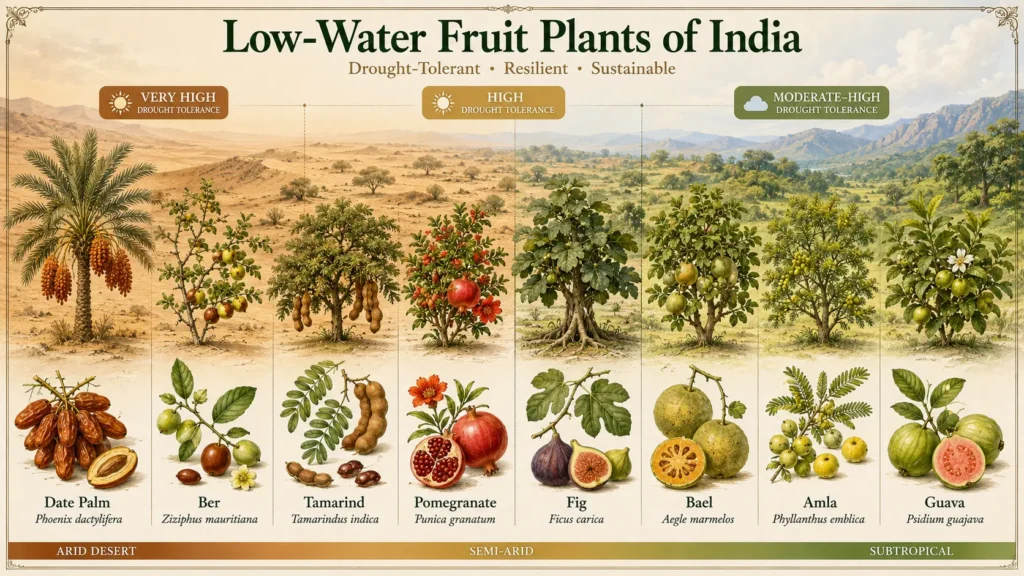
Water availability is one of the most important factors influencing plant growth and distribution worldwide. In many regions, seasonal rainfall patterns, dry climates, and water-conservation concerns make it necessary to understand which plants are naturally adapted to low-water conditions. Among fruit-bearing plants, several species have evolved to survive and produce fruit with relatively limited water availability.
This article provides an educational overview of fruit plants known for lower water requirements, based on their natural habitat, growth characteristics, and drought tolerance. Rather than offering cultivation advice or watering schedules, this guide focuses on plant adaptability and ecological traits, helping readers understand how certain fruit plants cope with reduced water conditions.
Comparison Table: Fruit Plants with Lower Water Requirements
| Fruit Plant | Native Climate | Growth Form | General Water Tolerance |
|---|---|---|---|
| Pomegranate | Arid / Semi-arid | Tree | Low |
| Guava | Tropical | Tree | Low to Moderate |
| Fig | Mediterranean | Tree | Low |
| Date Palm | Desert | Palm | Low |
| Amla | Tropical | Tree | Low |
| Ber | Arid | Tree | Very Low |
| Custard Apple | Semi-arid | Tree | Low |
| Jamun | Tropical | Tree | Low to Moderate |
| Bael | Dry Tropical | Tree | Low |
| Olive | Mediterranean | Tree | Low |
| Tamarind | Dry Tropical | Tree | Low |
Note: “Low” refers to relative water needs compared to other fruit plants under similar conditions.
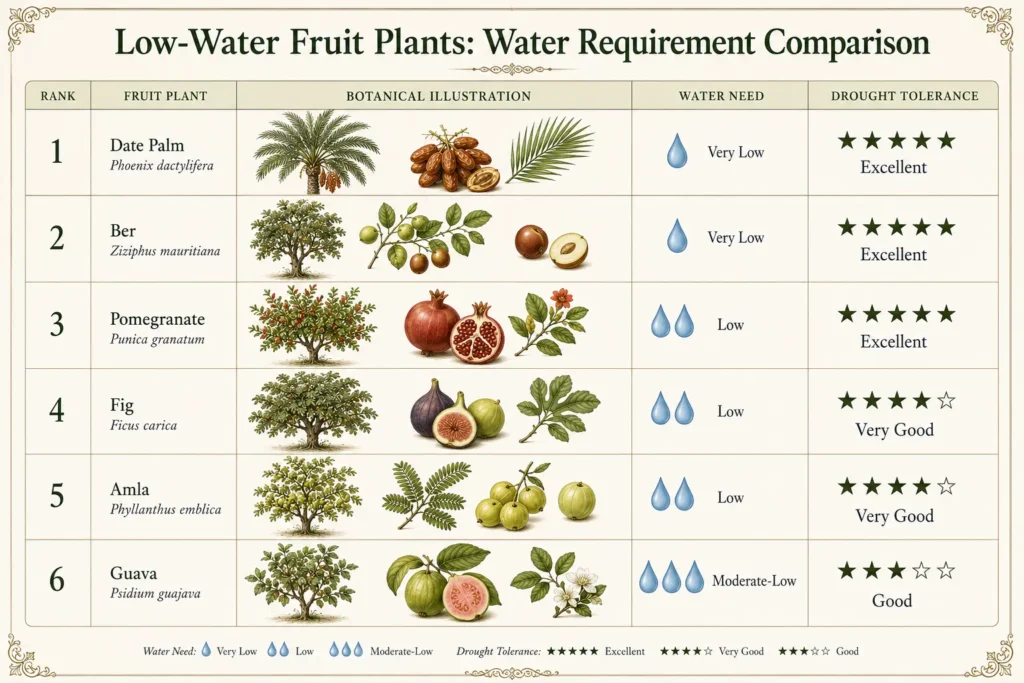
Understanding “Low Water Requirement” in Plants
When discussing plants that require less water, it is important to clarify what this means. Low water requirement does not imply that a plant can survive indefinitely without water. Instead, it refers to plants that:
- Are naturally adapted to dry or semi-arid regions
- Can tolerate periods of low rainfall
- Have deep root systems or water-efficient leaves
- Maintain growth and fruiting under limited moisture
Such plants often originate from regions where water scarcity is common and have developed physiological and structural adaptations to conserve moisture.
Why Some Fruit Plants Need Less Water
Fruit plants with lower water needs typically share certain features:
- Deep or extensive root systems that access groundwater
- Thick or waxy leaves that reduce moisture loss
- Slow to moderate growth rates
- Seasonal dormancy or reduced activity during dry periods
These adaptations allow them to survive and reproduce even in challenging environments.
Fruit Plants Known for Lower Water Requirements
Below is a curated list of fruit plants commonly recognized for their relative drought tolerance and ability to grow in low-water conditions once established.
Pomegranate (Punica granatum)
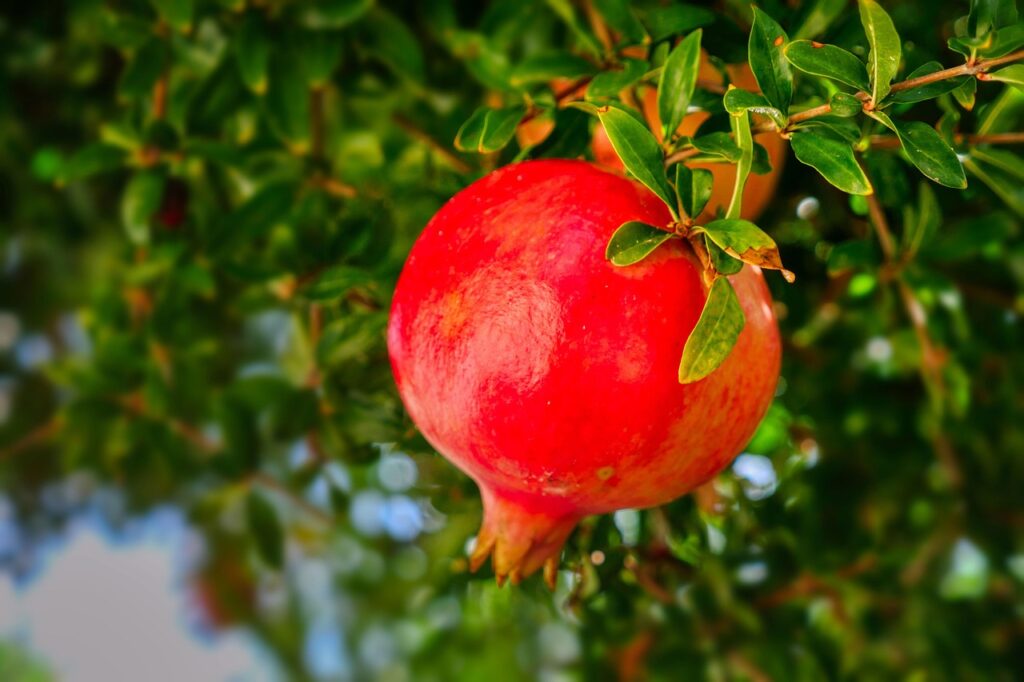
Pomegranate is a fruit plant native to arid and semi-arid regions. It is well adapted to hot climates and can withstand long dry spells.
Key Characteristics:
- Deep root system
- Thrives in dry, warm regions
- Tolerates low rainfall conditions
Pomegranate trees are widely cultivated in regions with limited water resources due to their resilience and adaptability.
Guava (Psidium guajava)

Guava is a hardy fruit plant capable of adapting to diverse climatic conditions. While it benefits from moderate water during early growth, mature plants show notable tolerance to reduced watering.
Key Characteristics:
- Adaptable root system
- Survives dry periods once established
- Grows in tropical and subtropical regions
Guava’s adaptability makes it suitable for regions with irregular rainfall.
Fig (Ficus carica)
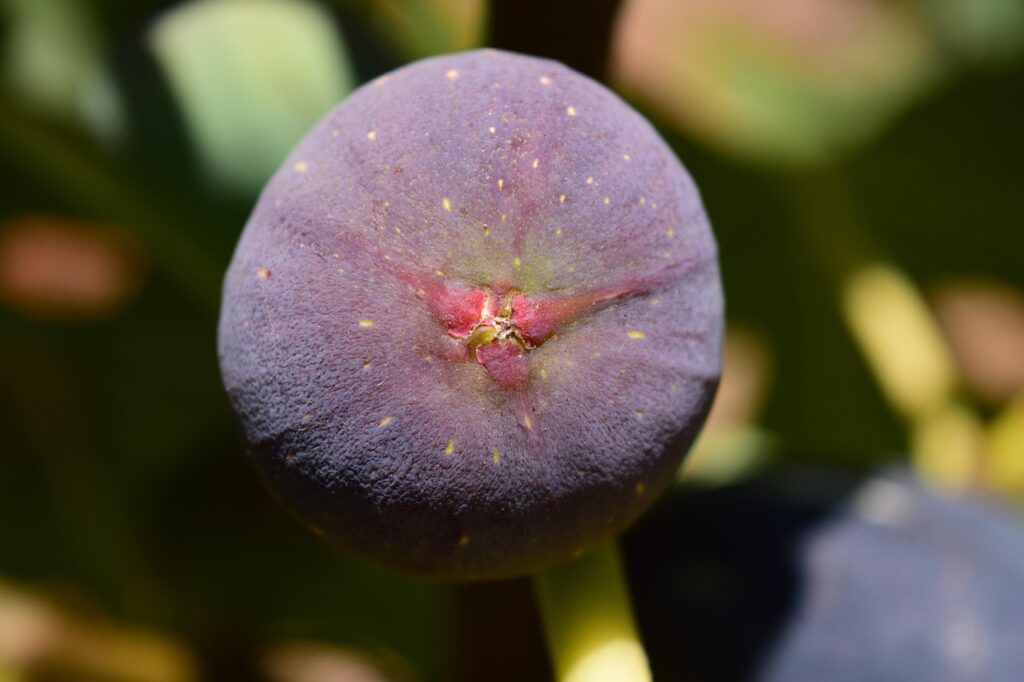
Fig trees are native to Mediterranean climates and are well known for their drought tolerance.
Key Characteristics:
- Deep and spreading roots
- Thrives in dry summers
- Efficient water usage
Figs have been cultivated for centuries in regions with minimal irrigation.
Date Palm (Phoenix dactylifera)
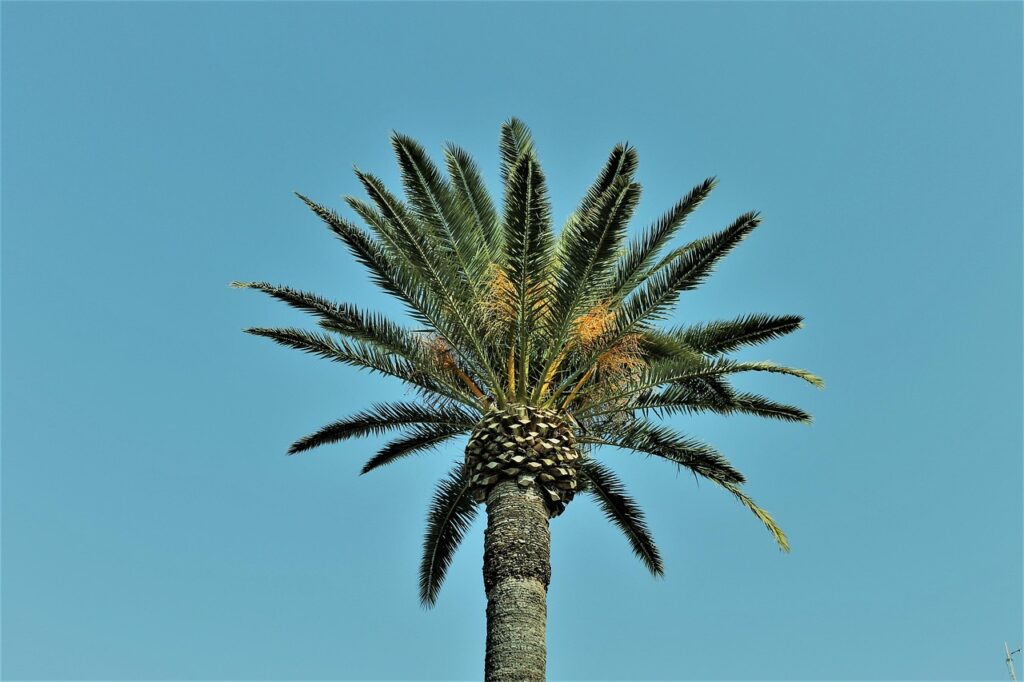
Date palm is one of the most iconic fruit plants adapted to arid environments.
Key Characteristics:
- Highly drought-tolerant
- Deep root system
- Thrives in desert and semi-desert regions
Despite low rainfall, date palms can produce fruit efficiently when adapted to their native conditions.
Amla / Indian Gooseberry (Phyllanthus emblica)

Amla is a fruit tree native to dry and tropical regions of South Asia.
Key Characteristics:
- Tolerates dry soil conditions
- Adapted to varied climates
- Long lifespan and resilience
Its ability to survive seasonal droughts makes it suitable for low-water environments.
Ber / Indian Jujube (Ziziphus mauritiana)
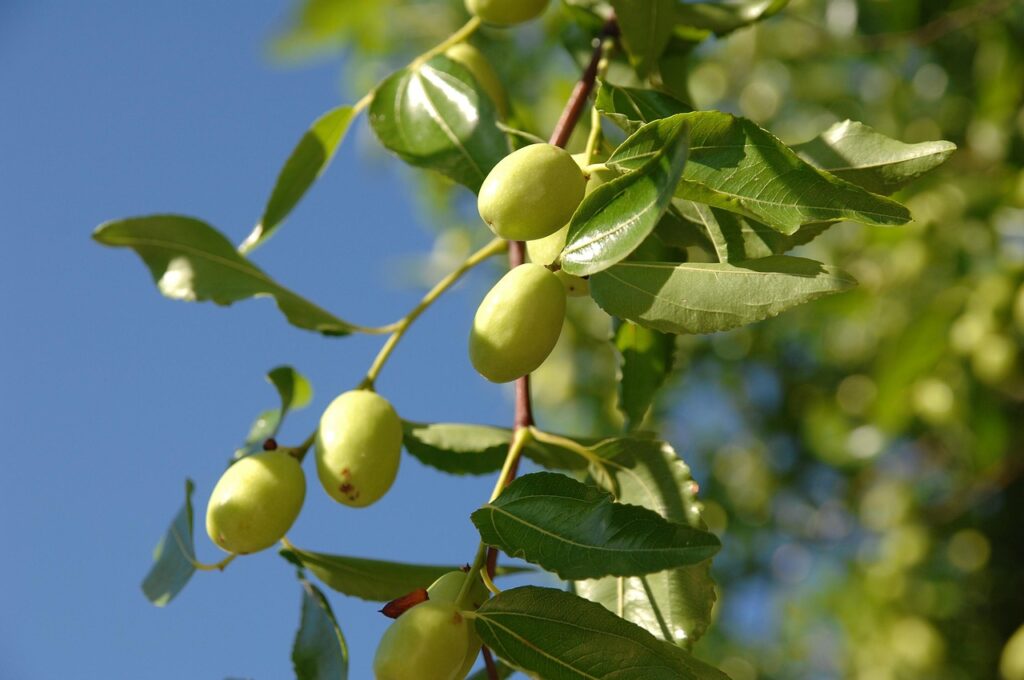
Ber is a traditional fruit tree widely grown in arid and semi-arid regions.
Key Characteristics:
- Extremely drought-tolerant
- Thrives in poor and dry soils
- Native to dry tropical regions
Ber trees are commonly found in regions with limited water availability.
Custard Apple (Annona squamosa)
Custard apple grows naturally in dry and semi-arid regions.
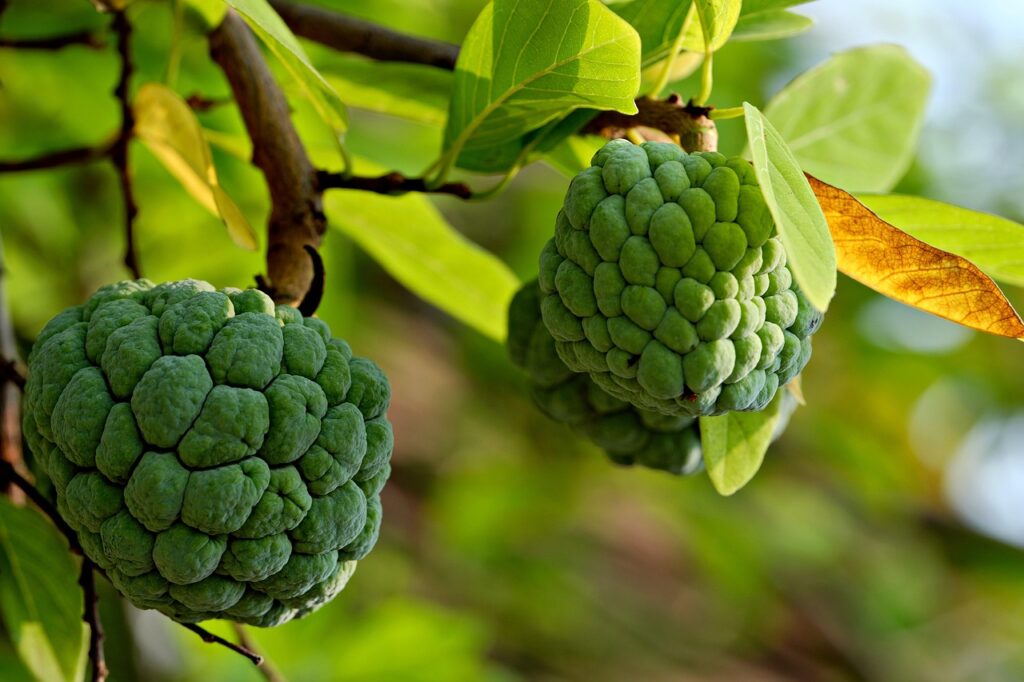
Key Characteristics:
- Seasonal growth cycle
- Tolerates dry conditions
- Adapted to tropical climates
The plant reduces water demand during dormant phases, aiding survival in low-water environments.
Jamun / Java Plum (Syzygium cumini)
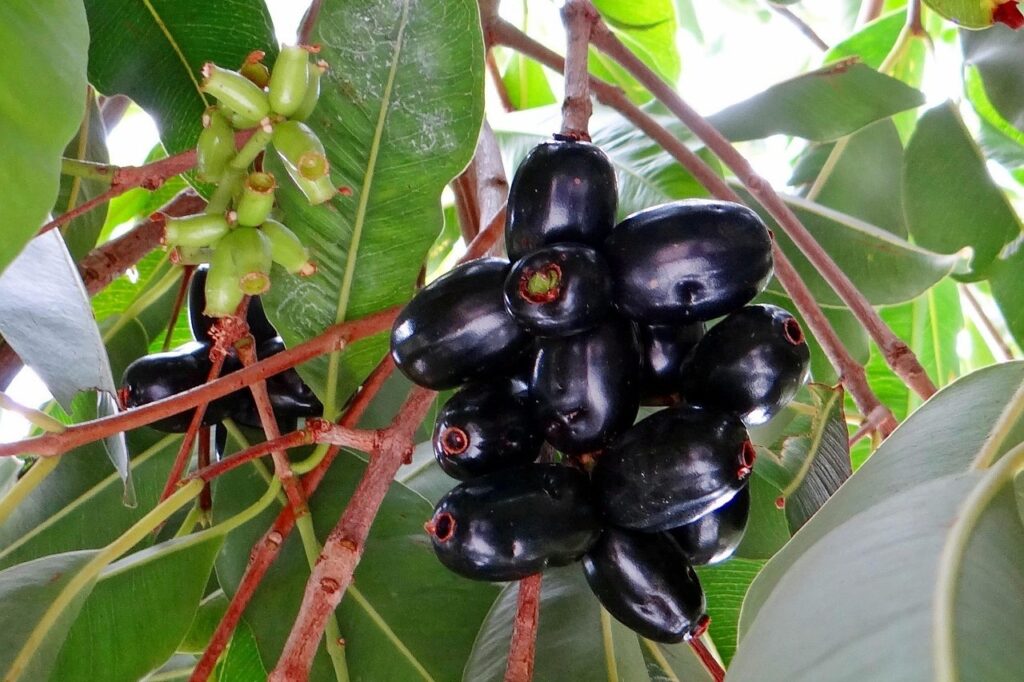
Jamun trees are known for their resilience and adaptability.
Key Characteristics:
- Deep root system
- Tolerates periods of low rainfall
- Grows in tropical and subtropical regions
While capable of growing near water sources, mature trees handle dry conditions effectively.
Bael (Aegle marmelos)

Bael is a traditional fruit tree valued for its hardiness.
Key Characteristics:
- Adapted to dry climates
- Thick leaves reduce water loss
- Thrives in arid and semi-arid regions
Bael trees are often grown in regions with limited irrigation.
Olive (Olea europaea)

Olive trees are native to Mediterranean climates and are well adapted to dry conditions.
Key Characteristics:
- Thick, leathery leaves
- Slow growth rate
- High drought tolerance
Olives are cultivated extensively in regions with long dry seasons.
Tamarind (Tamarindus indica)
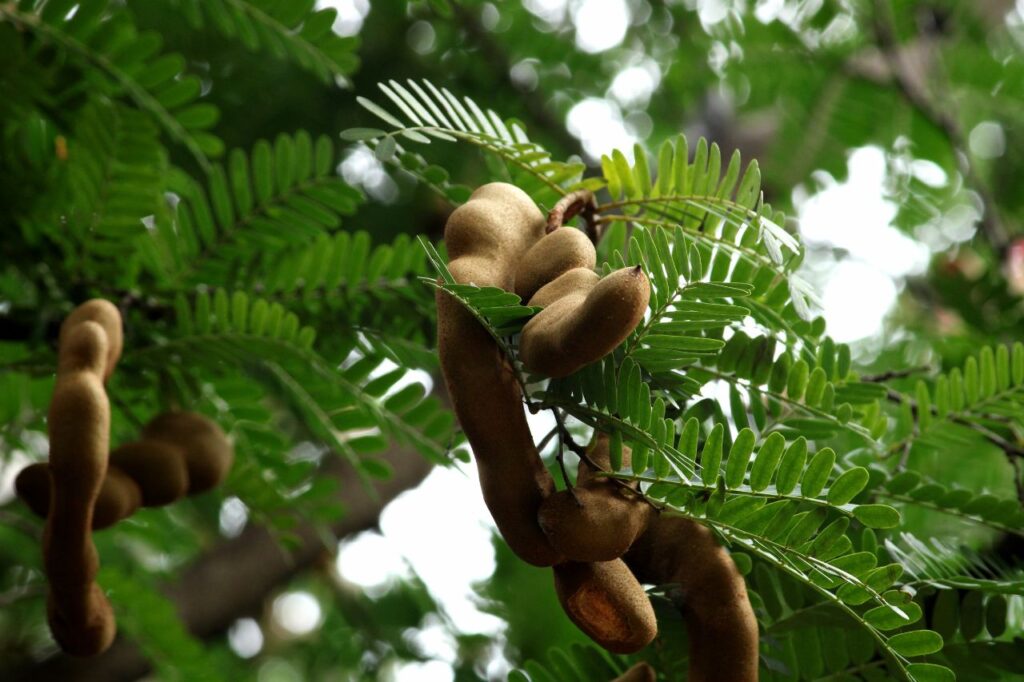
Tamarind is a long-lived fruit tree native to dry tropical regions.
Key Characteristics:
- Deep root system
- Tolerates drought once established
- Long lifespan
Tamarind trees can survive extended dry periods with minimal water input.
Environmental Importance of Low-Water Fruit Plants
Fruit plants adapted to low water conditions contribute significantly to environmental sustainability:
- Reduce pressure on water resources
- Support agriculture in dry regions
- Help prevent soil erosion
- Promote biodiversity in arid landscapes
Understanding these plant traits helps in appreciating how nature adapts to water scarcity.
Broader Perspective on Plant Adaptation
Low-water fruit plants highlight the diversity of plant survival strategies. Their existence demonstrates how plants evolve structural and physiological features to thrive under environmental constraints. This knowledge is valuable not only for agriculture but also for ecological studies and environmental awareness.
Frequently Asked Questions
Which fruit plant needs the least water?
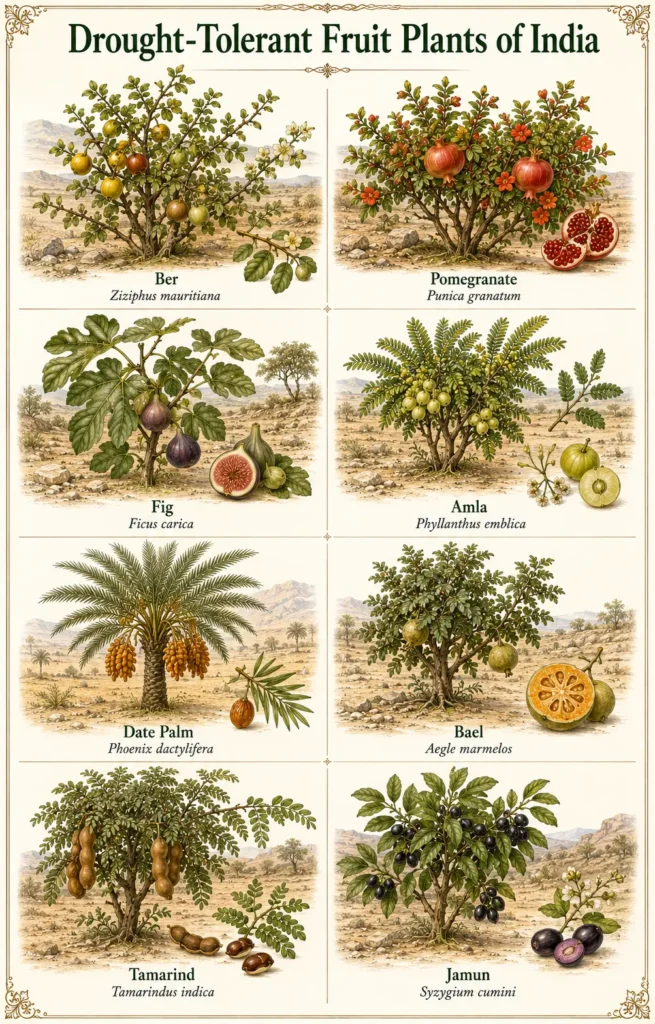
Among commonly cultivated fruit plants, Date Palm (Phoenix dactylifera), Ber (Ziziphus mauritiana), and Pomegranate (Punica granatum) are considered some of the most drought-tolerant species. Once established, they can survive with relatively little supplemental irrigation and are well suited to arid and semi-arid climates.
Which fruit tree is best for dry regions of India?
Several fruit trees perform well in dry regions, but Ber (Ziziphus mauritiana), Pomegranate (Punica granatum), Date Palm (Phoenix dactylifera), Bael (Aegle marmelos), and Tamarind (Tamarindus indica) are among the best choices. These species are adapted to high temperatures, seasonal drought, and limited water availability, making them suitable for many parts of Rajasthan, Gujarat, and other semi-arid regions.
Are pomegranate trees drought-tolerant?
Yes. Pomegranate (Punica granatum) is widely recognized as a drought-tolerant fruit tree. Once established, it can withstand extended dry periods better than many other fruit crops. Although regular watering improves fruit size and yield, mature pomegranate trees can continue growing and producing fruit under relatively low-water conditions.
Can fruit plants survive with limited irrigation?
Many fruit plants can survive with limited irrigation once their root systems are well established. Species such as Fig (Ficus carica), Amla (Phyllanthus emblica), Ber (Ziziphus mauritiana), Bael (Aegle marmelos), and Pomegranate (Punica granatum) are known for their ability to tolerate periodic drought. However, newly planted saplings generally require regular watering during their establishment phase.
Which fruit plants are suitable for Rajasthan and Gujarat?
Dry and semi-arid regions of Rajasthan and Gujarat support several drought-adapted fruit species. Commonly recommended plants include:
- Pomegranate (Punica granatum)
- Ber (Ziziphus mauritiana)
- Date Palm (Phoenix dactylifera)
- Fig (Ficus carica)
- Bael (Aegle marmelos)
- Tamarind (Tamarindus indica)
- Amla (Phyllanthus emblica)
- Guava (Psidium guajava) in areas with moderate irrigation
These species are generally better adapted to hot summers, lower rainfall, and water-limited conditions than many tropical fruit crops.
Conclusion
Several fruit plants around the world are naturally adapted to environments with limited water availability. From pomegranate and fig to ber and date palm, these plants demonstrate remarkable resilience through deep root systems, efficient water use, and adaptive growth cycles. Understanding their characteristics offers valuable insight into plant diversity and ecological balance.
Rather than focusing on cultivation practices, learning about plant adaptation encourages a deeper appreciation of how fruit plants survive and flourish in diverse climates.
For readers interested in exploring individual fruit plants in greater detail, Plants Info features a growing plant database with structured information on fruit trees, shrubs, and flowering plants. Each plant profile focuses on botanical characteristics, classification, and general background to support learning and discovery.