

Quick Answer: Mango is one of the most nutritionally rich fruits available in India — high in vitamin C, vitamin A, and dietary fibre. Beyond the fruit, the leaves, bark, and seed kernel have documented uses in Ayurvedic medicine. It is also India’s most culturally significant fruit, woven into religion, ceremony, and seasonal life.
See also: Mango plant profile, how to grow it, common problems, its flowering season, and its varieties.
The mango is not simply a fruit in India — it is a cultural event. The arrival of mangoes marks the end of the scorching pre-summer wait, the start of school holidays, and an occasion for recipes, rituals, and reunions. Behind all of this is a plant that is genuinely nutritious, medicinally documented, and far more useful whole than most people realise.
Recommended Products
Disclosure: As an Amazon Associate, PlantsInfo may earn from qualifying purchases.
🌱 Growing Essentials
The following products can help with container gardening, potting, root development, soil management, and healthy plant growth.
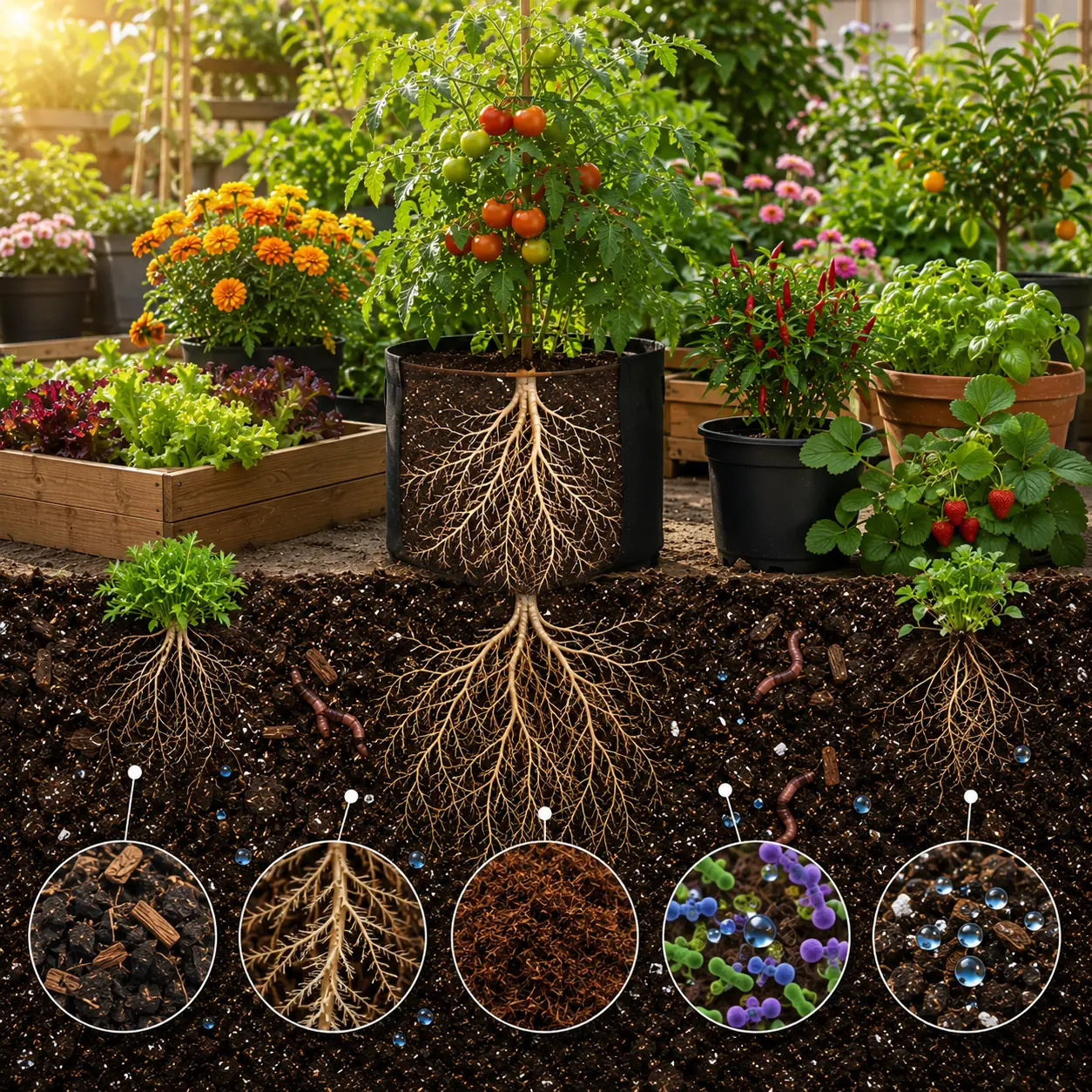
Organic Potting Soil Mix
Provides nutrients, structure, and healthy growing conditions for container plants.
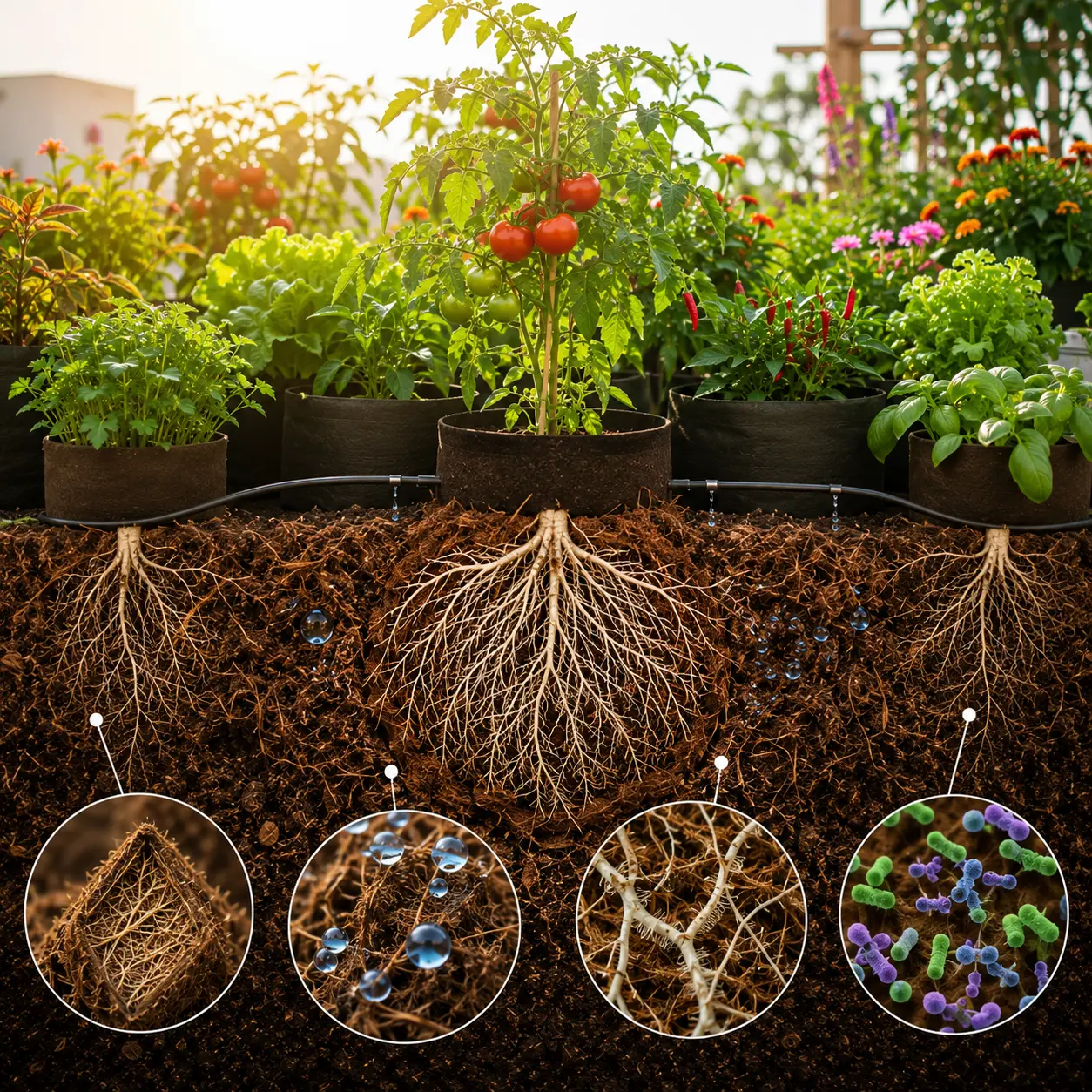
Coco Peat Growing Medium
Enhances moisture retention while maintaining excellent root-zone aeration.

Grow Bags for Plants
Improve drainage, root aeration, and vegetable production in limited spaces.

Plastic Pots for Plants
Ideal containers for seedlings, ornamentals, herbs, and balcony gardens.
Cultural and Ceremonial Significance
Before the nutritional profile, the cultural one: mango holds a place in Indian tradition that no other fruit approaches. Mango leaves (pallava) are strung across doorways during weddings, Ugadi, Pongal, and Diwali — a symbol of prosperity and auspicious beginnings found across Hindu, Buddhist, and Jain traditions.
The paisley motif — ubiquitous in Indian textiles, jewellery, and architecture — is derived from the shape of the mango fruit. In Sanskrit literature, the mango is called Amra and is associated with Kamadeva, the god of love.
Ayurvedic texts classify mango as a tridoshic fruit when ripe and eaten in moderation — one of relatively few foods considered balancing for all body types.
Nutritional Value of the Fruit
Ripe mango is an excellent source of vitamin C — a 100 g serving provides roughly 36–60% of the daily recommended intake depending on variety [verify before publishing]. It is also rich in beta-carotene (provitamin A), which the body converts to vitamin A, supporting vision and immune function.
The fibre content — primarily soluble fibre — supports gut motility and feeds beneficial gut bacteria. Mango also contains folate, vitamin B6, vitamin E, copper, and potassium in meaningful amounts.
Raw (unripe) mango has a different nutritional profile: higher in vitamin C than the ripe fruit, with significant amounts of pectin and a sharper organic acid content. This is why raw mango — in the form of aam panna, kachumber, and achaar — has been a summer staple in India for centuries. The cooling, electrolyte-replenishing effect of raw mango drinks is well-matched to the Indian pre-monsoon heat.
Digestive Health
Traditional medicine records mango as a digestive aid when consumed in appropriate quantities. Ripe mango contains digestive enzymes, including amylases, which help break down complex carbohydrates. Research suggests these enzymes remain active after consumption and contribute to improved digestion.
The fibre in mango — both soluble and insoluble — supports regular bowel function. However, excessive consumption causes loose stools in many people, particularly children. The traditional advice of “eat mango, drink milk” is disputed — many Ayurvedic practitioners actually advise against combining them, suggesting the combination disturbs digestion.
Immune and Antioxidant Properties
The combination of vitamin C, beta-carotene, and polyphenols in mango creates a meaningful antioxidant effect. Research suggests that mangiferin — a polyphenol found in significant concentrations in mango leaves and fruit — has anti-inflammatory, antiviral, and antidiabetic properties in laboratory studies.
Traditional medicine records the use of raw mango or mango bark preparations during fevers, particularly useful as mangoes ripen precisely at the peak of the Indian hot season, when heat exhaustion and viral infections are most common.
Medicinal Uses of Mango Beyond the Fruit
This is where the contrast between traditional knowledge and modern research becomes particularly interesting:
Mango leaves: Tender young mango leaves are used in traditional practice to manage blood sugar. Research suggests aqueous extracts of mango leaves may improve insulin sensitivity and reduce blood glucose levels in early-stage diabetes [verify before publishing]. The practice of chewing 2–3 tender leaves on an empty stomach is documented across South Indian folk medicine. This should be approached carefully and not substituted for medical treatment.
Mango seed kernel (Amrabeeja): The dried, powdered kernel is used in Ayurveda for diarrhoea, dysentery, and excessive menstrual bleeding. It contains tannins and gallic acid with astringent properties. Research supports its antimicrobial activity [verify before publishing].
Mango bark: A decoction of mango bark is used in traditional medicine for bleeding gums, throat inflammation, and as a douche in gynaecological conditions. It contains tannins and has documented astringent and haemostatic properties.
Mango flowers: Dried mango flowers (manjari) are used in traditional preparations for dysentery and urinary tract complaints.
Skin and Hair Uses
Mango butter — extracted from the seed kernel — is a rich emollient used in cosmetic formulations. It is high in stearic and oleic acids, making it effective for dry skin, cracked heels, and as a conditioning agent in hair products.
Topical application of fresh mango pulp is a folk remedy for brightening skin and reducing sun-related hyperpigmentation. The vitamin C and beta-carotene content give this some scientific plausibility, though clinical evidence for topical mango on human skin is limited [verify before publishing].
Practical Value for Indian Households
Mango is arguably the most economically and nutritionally efficient fruit tree an Indian family can grow. A single mature tree — 10–15 years old — can produce 100–300 kg of fruit in a good season, enough for fresh eating, preservation (pickles, amchur, juice, murabba), and sharing.
The leaves are used in cooking — wrapped around certain grilled preparations in South India — and in ceremony year-round. The wood, when a tree eventually reaches the end of its life, is used for furniture and as firewood, considered auspicious for certain cremation rituals.
What nobody tells you: the mango tree’s commercial value in India is so high that in rural areas, mature bearing trees are considered fixed assets and are listed in property transactions. A 30-year-old Alphonso tree in Ratnagiri is not just a plant — it is a significant financial asset.
Safety and Cautions
Mango fruit is safe for almost all people in moderate quantities. Those with latex allergy should approach raw mango and mango skin with caution — cross-reactivity between latex and mango is documented.
The sap of the mango tree — particularly from the stem and bark — contains urushiol-like compounds that cause contact dermatitis in sensitive individuals. Always cut mango stems away from the body and avoid getting sap on skin.
Mango leaves and bark preparations for medicinal use should not be self-prescribed for serious conditions. The internal use of mango leaf extracts for diabetes management should only be done in consultation with a physician.
Frequently Asked Questions
Is it true that mangoes cause heat in the body?
\Traditional Ayurvedic understanding classifies ripe mango as ushna (heating) in quality. Soaking mangoes in water for 30 minutes before eating is a traditional practice believed to reduce this effect — and it may also help leach out traces of calcium carbide used in artificial ripening.
Can diabetics eat mango?
In small quantities, yes — ripe mango has a moderate glycaemic index, and the fibre slows sugar absorption. Large quantities will spike blood glucose. Raw mango has a lower glycaemic impact and is generally more appropriate for people managing blood sugar.
Does mango interact with medications?
Mango fruit at normal dietary quantities does not have known drug interactions. Concentrated mango leaf extracts may potentiate the effect of diabetes medications — consult a physician before combining.
Conclusion
Mango is valued not only for its sweet, nutritious fruit but also for its long history in traditional medicine, cultural practices, and everyday life across India. While modern research supports many of its nutritional benefits, some traditional uses continue to be investigated and should be interpreted alongside current scientific evidence. Appreciating both the cultural heritage and the evidence-based understanding of Mangifera indica provides a more complete picture of why it remains one of the world’s most important and widely cherished fruit trees.


