

Pumpkin Benefits: Uses, Nutrition, and Why It Belongs in Every Indian Kitchen
Quick Answer: Pumpkin is one of the most nutrient-dense vegetables available in Indian markets. The fruit, seeds, leaves, and flowers are all edible and offer meaningful nutritional and therapeutic value. It is low in calories, high in beta-carotene, and has a documented role in supporting eye health, digestion, and immunity.
See also: Pumpkin Plant plant profile, how to grow it, common problems, its flowering season, and its varieties.
Walk into any sabzi mandi in October, and the kaddu is impossible to miss — stacked in bright orange-yellow mounds, priced affordably, and often overlooked in favour of more fashionable vegetables. That is a genuine nutritional mistake. Few vegetables offer as much, across as many parts of the plant, for as little cost.
Recommended Products
Disclosure: As an Amazon Associate, PlantsInfo may earn from qualifying purchases.
🌱 Growing Essentials
The following products can help with container gardening, potting, root development, soil management, and healthy plant growth.
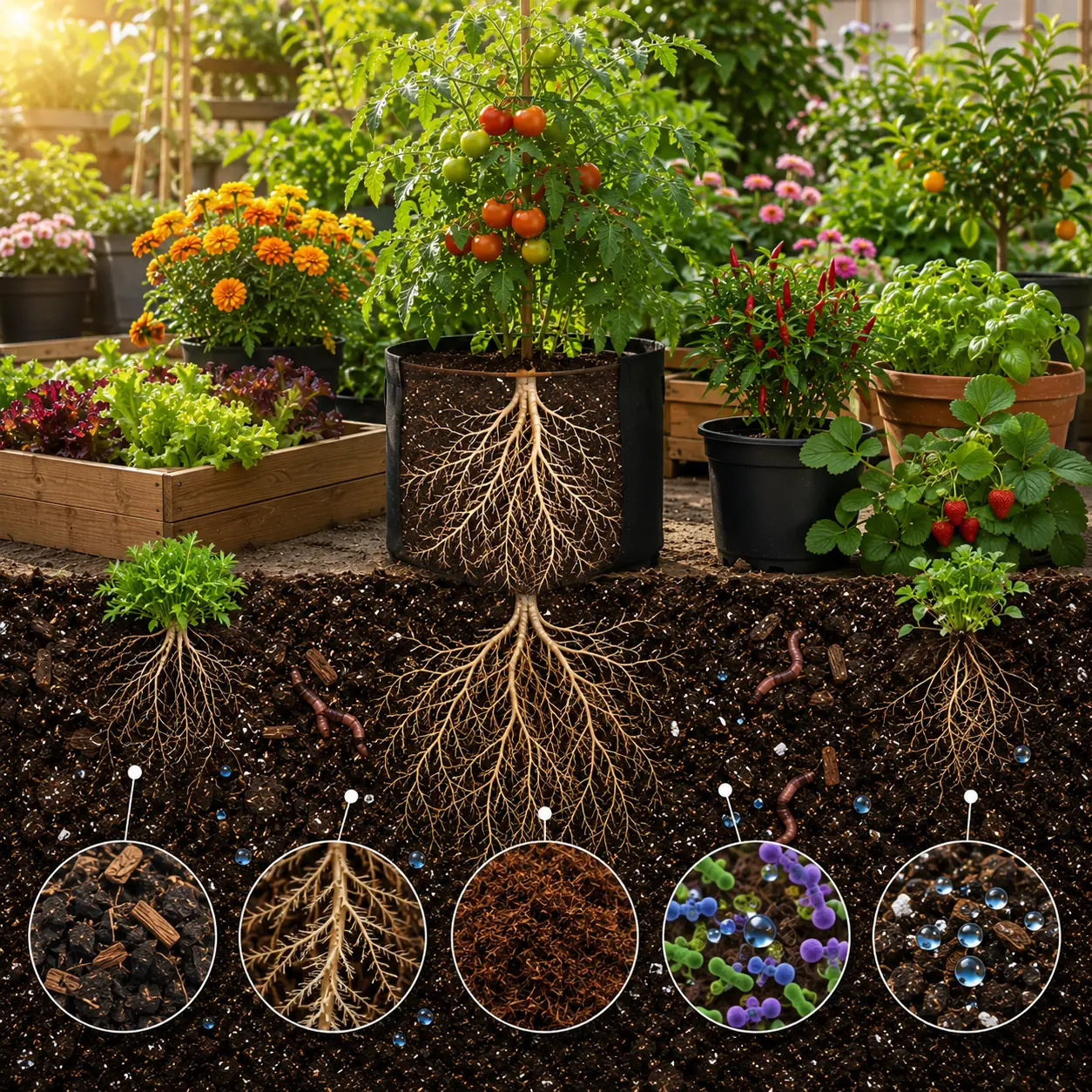
Organic Potting Soil Mix
Provides nutrients, structure, and healthy growing conditions for container plants.
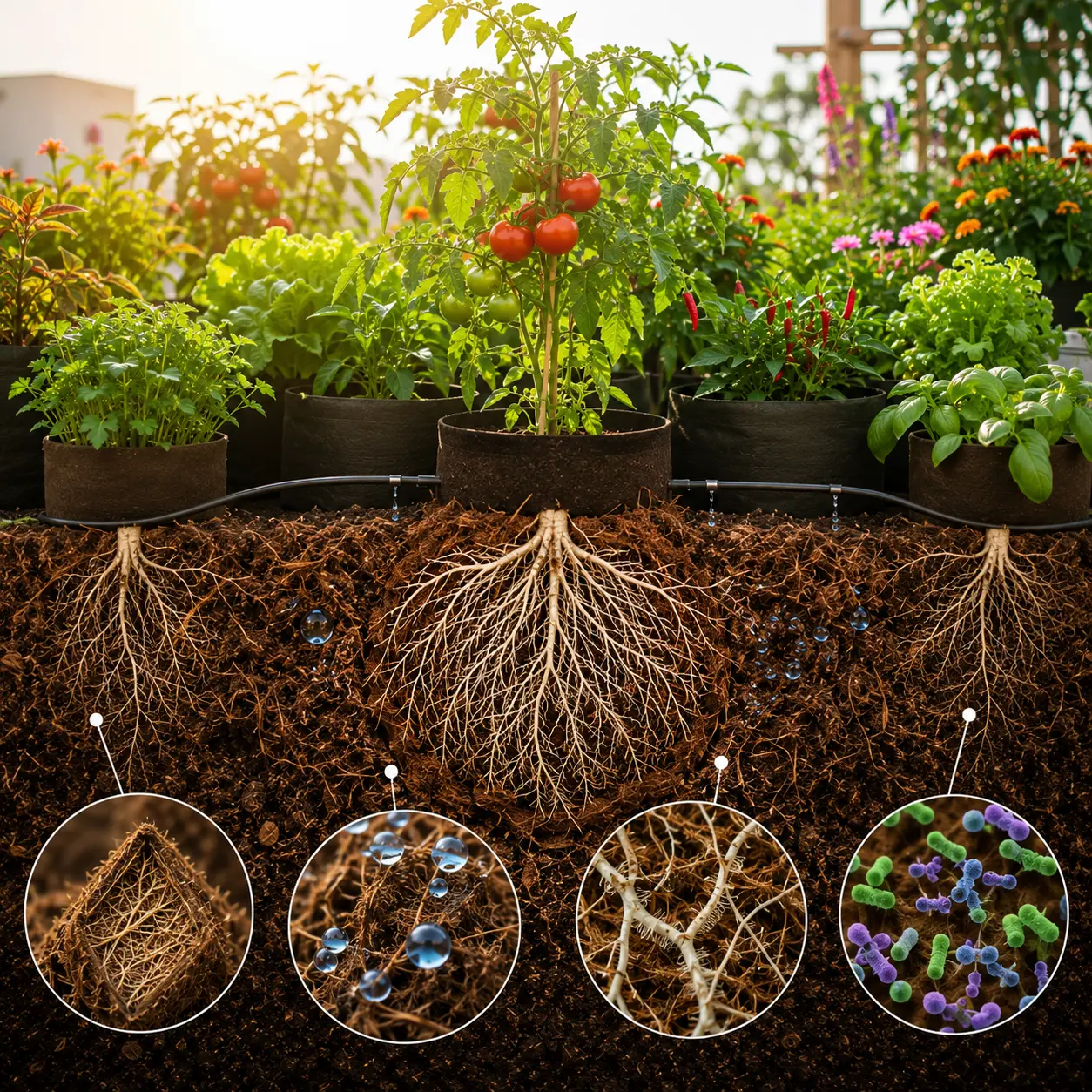
Coco Peat Growing Medium
Enhances moisture retention while maintaining excellent root-zone aeration.

Grow Bags for Plants
Improve drainage, root aeration, and vegetable production in limited spaces.

Plastic Pots for Plants
Ideal containers for seedlings, ornamentals, herbs, and balcony gardens.
Nutritional Profile
Pumpkin fruit is approximately 92% water, making it very low in calories — typically 20–26 kcal per 100g. Despite that, it delivers meaningful quantities of key nutrients.
Beta-carotene gives pumpkin its orange colour and converts to vitamin A in the body. Research consistently ranks pumpkin among the top dietary sources of beta-carotene available in India, especially for populations where meat and dairy intake are limited.
Pumpkin also provides vitamin C, potassium, B-complex vitamins (particularly folate and B6), and dietary fibre. The deeper orange the flesh, the higher the beta-carotene content — a useful guide when selecting varieties at the market.
Pumpkin seeds are nutritionally distinct from the fruit: they are high in protein, healthy fats, zinc, magnesium, and iron, making them a valuable supplement to a plant-based diet.
Eye Health
The beta-carotene in pumpkin is directly relevant to preventing night blindness and supporting long-term eye health. Vitamin A deficiency remains a documented public health concern in parts of rural India, and pumpkin — affordable, widely available, and easy to grow — is one of the most practical dietary solutions.
Traditional Ayurvedic nutrition texts note pumpkin as beneficial for the eyes, a recommendation that aligns well with modern nutritional understanding of beta-carotene’s role in retinal function.
Digestive Health
Pumpkin is easy to digest and gentle on the gut, which is why it is a standard first solid food for infants in many Indian households and a recommended food during recovery from illness or digestive upset.
The soluble fibre in pumpkin supports healthy gut bacteria and helps regulate bowel movement. Traditional medicine records its use as a remedy for constipation, acidity, and gastric irritation — uses that are consistent with what is now understood about dietary fibre and gut health.
A common preparation across Indian homes — steaming pumpkin and mashing it lightly with a small amount of ghee — is both nutritionally effective and one of the gentlest ways to consume it for digestive benefit.
Immunity and Inflammation
Pumpkin’s combination of vitamin C, beta-carotene (a precursor to vitamin A), and zinc collectively supports immune function. All three nutrients play established roles in maintaining the body’s defence against infection.
Research suggests that diets rich in carotenoids — the class of pigments that includes beta-carotene — are associated with reduced markers of inflammation. Pumpkin, eaten regularly, contributes meaningfully to carotenoid intake in a way that is practical and affordable for most Indian households.
Blood Sugar and Weight Management
Pumpkin has a relatively low caloric density and a moderate glycaemic index — the specific value varies significantly by preparation method. Boiled pumpkin has a lower glycaemic impact than baked or puréed pumpkin.
Traditional practice in several Indian communities includes pumpkin as a recommended food for people managing diabetes, a use that has some support from nutritional research suggesting its fibre content moderates glucose absorption. However, portion size and preparation method matter significantly.
Pumpkin is also a useful dietary tool for caloric management — its high water and fibre content provides satiety with minimal calories.
Pumpkin Seeds: Underused and Highly Nutritious
Pumpkin seeds (called kaddu ke beej in Hindi) are routinely discarded in Indian kitchens — a genuine nutritional loss.
They are one of the richest plant-based sources of zinc, a mineral critical for immune function, skin health, and reproductive health. They also provide magnesium, iron, healthy unsaturated fats, and plant-based protein.
Research suggests pumpkin seed extract may support prostate health in men, and traditional medicine systems in several countries have long used pumpkin seeds for urinary tract health — though these uses require more clinical study.
A simple and practical preparation: wash, dry, and dry-roast seeds with a pinch of salt and pepper. They store for weeks in an airtight jar.
Leaves and Flowers: What Nobody Tells You
Pumpkin leaves and flowers are edible and nutritious, yet they are barely mentioned in mainstream Indian nutrition discussions.
Young pumpkin leaves are cooked as a green vegetable in several northeastern Indian states, parts of West Bengal, and across South and Southeast Asia. They are a reasonable source of iron, calcium, and vitamin C.
Pumpkin flowers — both male and female — are eaten stuffed and fried, added to soups, or made into fritters in various Indian regional cuisines. They are nutritionally light but add real culinary variety and reduce food waste from the garden significantly.
Traditional and Ayurvedic Uses
Ayurvedic texts describe pumpkin (Kushmanda) as cooling, nourishing, and beneficial for the mind. It is classified as medhya in some texts — meaning it supports mental clarity and cognitive function — though this traditional classification is not yet fully supported by clinical evidence.
Pumpkin is also listed in traditional formulations used for managing anxiety and sleep disturbance. Research suggests these uses may be related to the tryptophan content in pumpkin seeds, which is a precursor to serotonin — though the amounts involved are modest and should not be overstated.
The seeds have a documented traditional use as an antiparasitic, particularly for intestinal worms, in multiple traditional medicine systems, including Ayurveda and traditional Chinese medicine. Some clinical studies support this application, particularly against tapeworm and roundworm.
Cultural Significance in Indian Households
Beyond nutrition, kaddu holds a specific place in Indian food culture. It is a sattvic vegetable in Hindu dietary classification — meaning it is considered pure, light, and conducive to mental clarity — and is therefore a staple food during fasting periods and festivals when certain vegetables are avoided.
In many Bengali households, kumro is an auspicious vegetable associated with Durga Puja preparations. In Rajasthani and Gujarati cooking, dried and preserved pumpkin (kaddu ki sabzi in its slow-cooked form) is a winter staple prepared from stored harvest.
⚠ Health Disclaimer: The nutritional and traditional uses described in this article are for general information only. They are not a substitute for medical advice. If you are managing a medical condition — including diabetes, digestive disorders, or any chronic health issue — consult a qualified healthcare professional before making significant dietary changes.
Key Takeaways
- Pumpkin is one of the most affordable and accessible sources of beta-carotene in the Indian diet, directly supporting eye health and immunity.
- Pumpkin seeds are nutritionally distinct from the fruit and should not be discarded — roasted seeds are a practical source of zinc, magnesium, and plant protein.
- The leaves and flowers of the pumpkin plant are edible, nutritious, and used in several Indian regional cuisines.
- Pumpkin is a sattvic food in the Hindu dietary tradition and is widely consumed during fasting periods and festivals.
- Preparation method affects glycaemic impact — boiled pumpkin is gentler on blood sugar than baked or heavily puréed forms.
Kaddu may be the most underestimated vegetable in the Indian market. It asks very little — a small space, a warm season, a little water — and gives back generously, from root to flower to seed.


