

Chalta Varieties: Which One Should You Grow in India?
Chalta Varieties: Which One Should You Grow in India?
Break open a chalta fruit, and you will immediately see the variation that exists across trees — some have dense, tightly packed carpels with a sharp sourness, others are looser, more aromatic, and carry a milder acidity.
See also: Chalta plant profile, how to grow it, common problems, its flowering season, and its benefits.
The single most important factor separating chalta types for an Indian home gardener is fruit quality and tree size: most gardeners simply plant what the local nursery offers, which is often an unnamed seedling with wildly variable fruit character. This spoke fixes that.
Recommended Products
Disclosure: As an Amazon Associate, PlantsInfo may earn from qualifying purchases.
🌱 Growing Essentials
The following products can help with container gardening, potting, root development, soil management, and healthy plant growth.
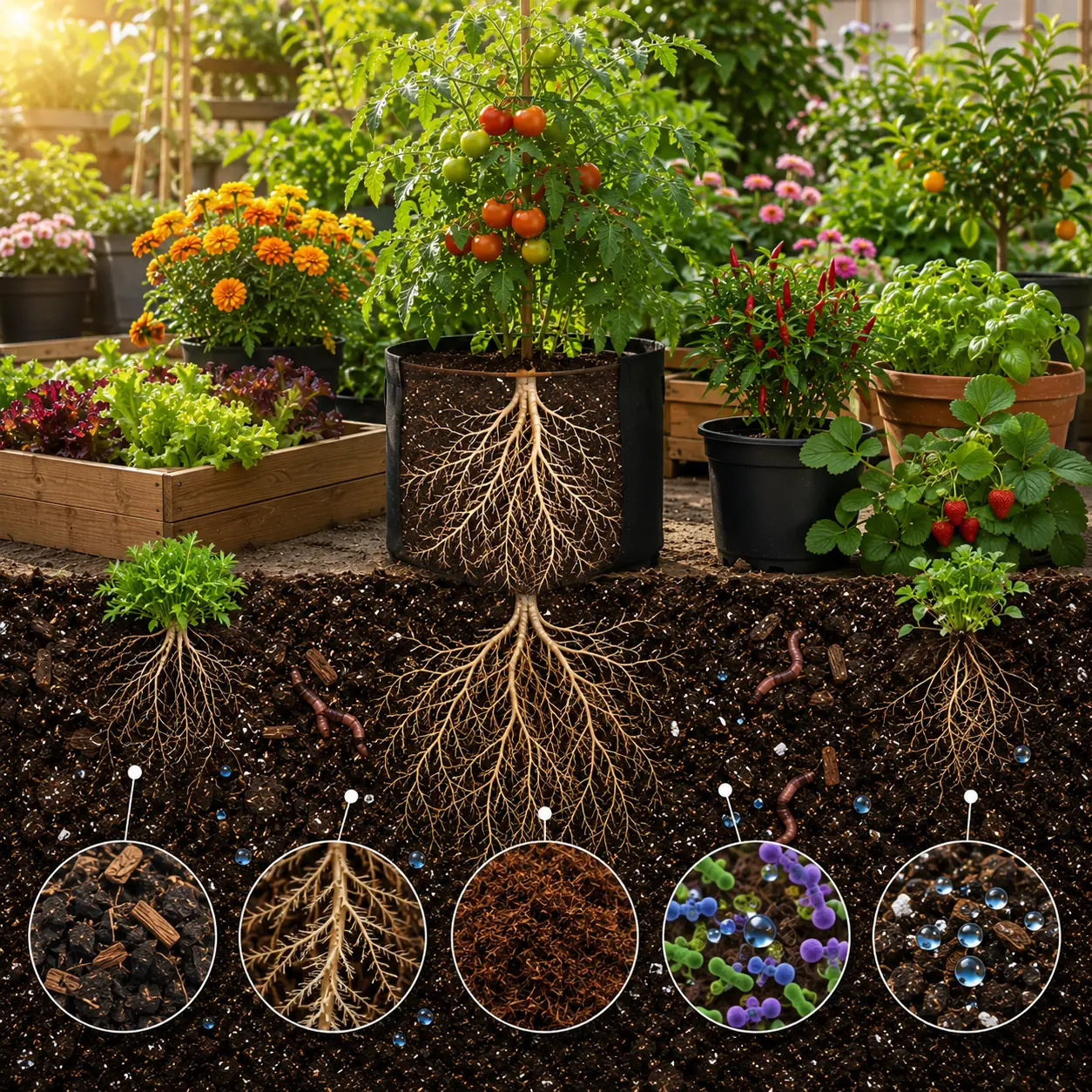
Organic Potting Soil Mix
Provides nutrients, structure, and healthy growing conditions for container plants.
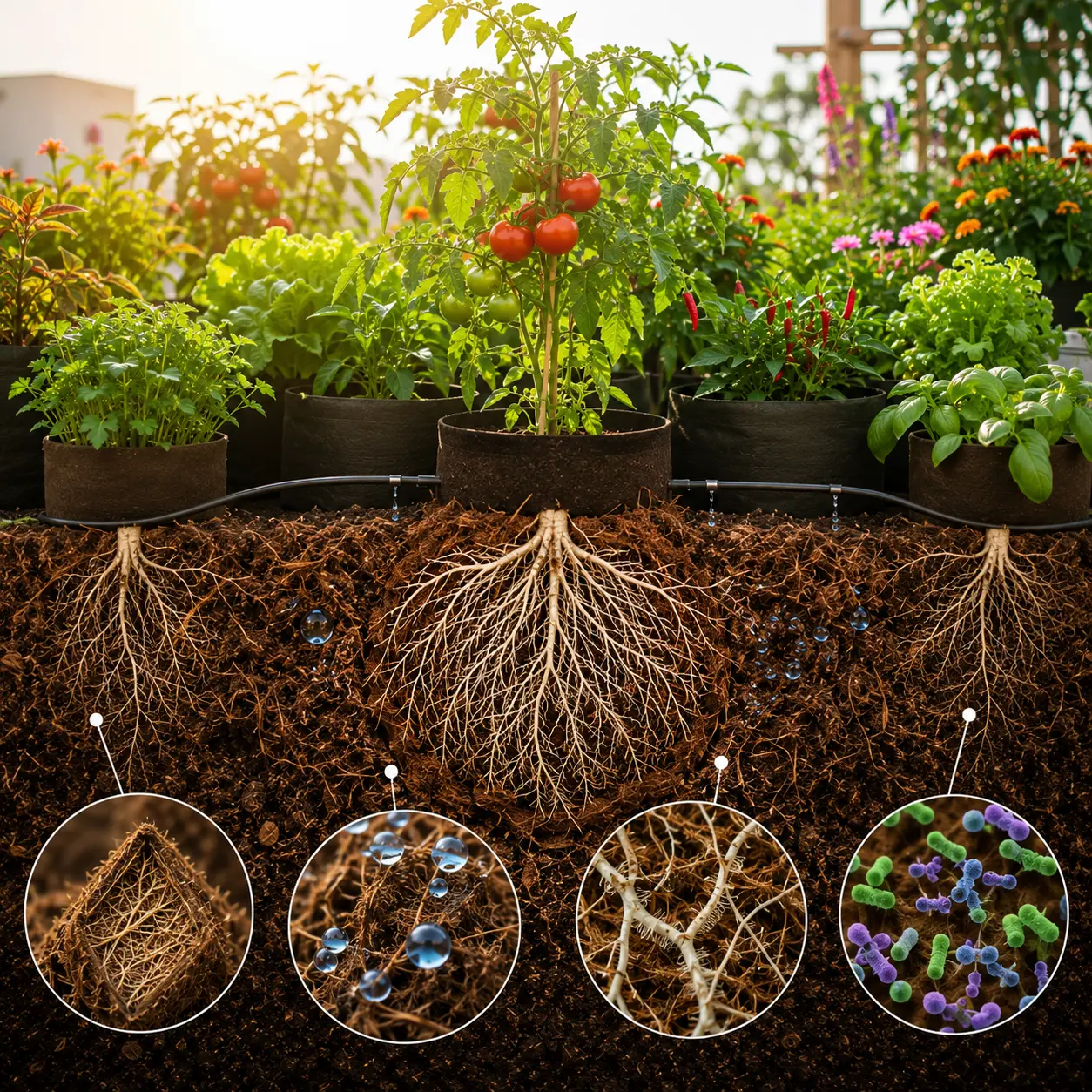
Coco Peat Growing Medium
Enhances moisture retention while maintaining excellent root-zone aeration.

Grow Bags for Plants
Improve drainage, root aeration, and vegetable production in limited spaces.

Plastic Pots for Plants
Ideal containers for seedlings, ornamentals, herbs, and balcony gardens.
Quick Variety Selector
| Variety | Type | Plant Size | Best For | Suited To |
|---|---|---|---|---|
| Wild-type / Jungle Chalta | Open-pollinated (desi) | Large | Traditional preserves, large gardens | Eastern and northeastern India, Western Ghats |
| Garden Chalta (selected seedling) | Selected desi | Medium–Large | Home use, moderate gardens | Pan-India, best in humid zones |
| Dillenia indica ‘Compact’ (nursery selections) | Selected desi | Medium | Container or terrace, urban gardens | Humid tropics, coastal zones |
| Dillenia pentagyna (Karmal / Small Chalta) | Related species | Small–Medium | Smaller gardens, wildlife planting | Central India, Odisha, Chhattisgarh |
| Dillenia aurea (Golden Chalta) | Related species | Medium | Ornamental, dry deciduous zones | Deccan Plateau, dry peninsular India |
Varieties in Detail
Wild-type / Jungle Chalta (Dillenia indica)
This is the form most people mean when they say “chalta” — the large, spreading tree found across the Eastern Ghats, Bengal, Assam, and the Western Ghats. It was not developed through breeding; it is the species in its natural state, propagated from seed. Trees vary considerably because there is no selection pressure beyond what nature imposes: some are prolific fruiters, others flower sparsely.
The fruit is large — typically 10 to 15 cm across — with a strong acidic character prized for chutneys, pickles, and the Bengali chalta-r dalna. Its notable strength is the depth of flavour in the fruit and the tree’s overall robustness once established. Its notable weakness is size: a wild-type chalta in a small urban garden will eventually outgrow the space. Propagated entirely from seed; no grafting tradition exists for this type.
Garden Chalta (Selected Seedling)
This is not a named cultivar in the formal sense — it is the term used loosely in nurseries across West Bengal, Odisha, and Assam for seedlings raised from fruit-bearing trees that showed desirable characters: heavier fruit set, more consistent size, and slightly milder acidity.
The selection is informal and varies by nursery. Trees tend to reach medium to large sizes. For a home gardener who wants a fruiting chalta without navigating the full variability of a jungle-type seedling, a selected seedling from a reputable nursery is a practical choice. There is no way to verify the parentage, so buying from a nursery that can show you the parent tree is ideal.
Dillenia indica ‘Compact’ (Nursery Selections)
A handful of nurseries in Kerala, Tamil Nadu, and Maharashtra have begun offering what they describe as compact or dwarf chalta selections — seedlings chosen from parent trees that showed slower height growth and smaller ultimate canopy spread. These are not true dwarf cultivars in the horticultural sense; they are selected seedlings and will still reach 4 to 6 metres given time and adequate nutrition.
For a terrace or large container, however, they offer several years of productive growth before size becomes a constraint. Their key characteristic is a manageable scale in the early years. Their weakness is that the compact habit is not guaranteed to hold through the full life of the tree — growth rate often increases after the tree establishes a strong root system.
Dillenia pentagyna — Karmal / Small Chalta
A distinct species, not a variety of Dillenia indica, but frequently grouped with chalta in Indian nurseries and traditional use. Karmal is a smaller tree — typically 6 to 10 metres in natural conditions, but manageable in gardens — with smaller, more numerous fruit that ripen to yellow.
It is native to the dry and moist deciduous forests of Central India and is well-suited to Odisha, Chhattisgarh, Jharkhand, and parts of Madhya Pradesh, where the full-size indica can struggle in the drier months. The fruit is more astringent than indica and is used primarily for medicinal and culinary purposes in tribal communities of those regions.
Its strength is climate adaptability in non-humid zones. Its weakness is that the fruit quality is considered inferior to that of indica for most culinary applications familiar to Bengali or Assamese cooks. Propagated from seed; no grafting required or practiced.
Dillenia aurea — Golden Chalta / Mowa
Dillenia aurea is primarily an ornamental species from the dry deciduous zones of the Deccan Plateau and parts of peninsular India. Its yellow flowers are larger and more showy than those of indica, and the tree has a more open, airy branching structure.
It is less commonly sold in nurseries outside its native range but is increasingly available through horticultural institutions and forest department nurseries in Maharashtra, Telangana, and Karnataka.
The fruit is less acidic and less useful culinarily than indica. Its notable strength is drought tolerance — it handles the long dry season of the Deccan plateau better than any other Dillenia species in India. Its weakness is limited fruit value and restricted nursery availability outside peninsular India.
Head-to-Head Comparison
Wild-type chalta vs. Garden chalta (selected seedling)
For a gardener whose primary goal is fruit yield and flavour for traditional culinary use, the garden chalta (selected seedling) is the more reliable starting point. It does not guarantee uniformity — nothing truly does with chalta — but buying from a nursery that has selected from productive parent trees reduces the chance of raising a tree that flowers poorly for its first decade.
The wild-type has a stronger claim on flavour complexity and authenticity, but only a gardener with the space and patience for a large, unpredictable tree should choose it intentionally. If nursery availability is the deciding factor — and in much of India, it will be — take whatever the better nursery stocks and accept some variability.
Dillenia indica vs. Dillenia pentagyna for non-humid zones
In Central India and the interior Deccan zones that experience a long, pronounced dry season, Dillenia pentagyna (karmal) outperforms indica on survival and consistent fruit set. Indica planted in Nagpur or Hyderabad will survive with supplemental irrigation, but will not thrive the way it does in Kolkata or Thiruvananthapuram. For gardeners in those drier zones who want a chalta-type tree, karmal is the honest recommendation.
How to Choose for Your Space
Container or terrace garden: Choose a nursery-selected compact type of Dillenia indica and plan to move it to the ground or a very large container (100 litres or more) within three to four years. No Dillenia species is a true long-term container plant, but the compact selections buy time. Manage height by pruning the leader annually.
Small ground plot (under 100 sq ft): This is difficult territory for chalta. If the plot is the tree’s permanent home, a karmal (D. pentagyna) is the better choice — smaller ultimate size, still useful, and attractive. If you plant indica, plan to manage height aggressively from year three onward.
Larger garden or backyard: Plant Dillenia indica — either wild-type or garden selected. Give it at least 5 metres of clearance from structures and other large trees. It will reward you with a magnificent canopy, reliable annual fruiting, and a tree that draws wildlife. This is the context Chalta was made for.
Ornamental use only: Dillenia aurea in peninsular India or a well-placed indica in eastern India, grown for its large white flowers and bold foliage rather than fruit yield.
Regional Suitability
Eastern India (West Bengal, Assam, Odisha, Jharkhand): Dillenia indica — wild-type or garden selected — performs at its best here. The humidity, rainfall distribution, and soil types of this region match the species’ natural habitat closely.
Northeast India (Meghalaya, Manipur, Mizoram, Tripura): Dillenia indica is native to these forests and needs no special adaptation. Wild-type seedlings grow with minimal intervention.
South India — humid coastal zones (Kerala, coastal Karnataka, coastal Tamil Nadu): Dillenia indica grows well and fruits reliably. Dillenia aurea is also native to parts of this region and is worth considering for dry-zone pockets.
Peninsular interior and Deccan Plateau (Maharashtra interior, Telangana, Andhra Pradesh interior): Dillenia pentagyna (karmal) is better suited to the dry season here. Indica will survive with irrigation but will not perform as naturally. Dillenia aurea is a stronger choice for purely ornamental use in these zones.
North India (Punjab, Haryana, UP, Rajasthan): Chalta is not well-suited to the extreme winters and dry summers of most of North India. In the Gangetic plains of UP and Bihar, indica can grow in sheltered positions, but it will not perform as reliably as in its eastern homeland. Not recommended for Rajasthan or the northwestern plains.
Hill stations and high-altitude zones: Not suitable for altitudes above approximately 1,200 metres. Chalta is a lowland tropical tree and does not tolerate frost.
Desi vs. Hybrid — What Nobody Tells You
There are no commercial hybrid varieties of chalta in the Indian market as of now. All chalta sold in nurseries is desi — open-pollinated seed-grown material of varying quality. This is one of the reasons chalta remains underrepresented in urban gardens compared to fruit trees like mango or guava, where grafted varieties guarantee fruit character and earliness.
The practical implication: when you buy chalta, you are always buying genetic variability, not a guaranteed product. The “selected seedling” approach is the closest thing to variety control that currently exists. Gardeners who want predictable fruit quality should buy only from nurseries that maintain known parent stock — and should, ideally, taste the parent tree’s fruit before purchasing.
This also means seed saving is entirely viable with chalta. Seeds from a tree whose fruit you admire will produce seedlings that carry at least partial similarity to the parent, though not identity. This is something hybrid-dependent crops cannot offer.
Watch Out for Mislabelling
Mislabelling is less rampant with chalta than with mango or citrus, primarily because there are no premium-named varieties to counterfeit. The more common problem is species confusion: Dillenia pentagyna (karmal) is sometimes sold as standard chalta in Central Indian nurseries, and Dillenia aurea is occasionally sold as “flowering chalta” without clear disclosure that the fruit is of limited culinary value.
To verify after purchase: Dillenia indica has very large, corrugated leaves — 15 to 35 cm long — with prominent parallel veins and serrated edges. Pentagyna has noticeably smaller leaves with a finer texture.
Aurea has leaves intermediate in size but with a distinct golden-yellow flower (larger and showier than indica). If your purchased “chalta” seedling has small, fine-textured leaves, it is likely karmal — not necessarily a bad outcome, but worth knowing.
Source chalta from nurseries connected to state horticulture departments, KVK (Krishi Vigyan Kendra) outlets, or established botanical garden nurseries where species labelling is more reliable than at roadside plant markets.
The right choice for most Indian home gardeners is a garden-selected Dillenia indica seedling bought from a nursery that knows its parent stock — planted in the ground, given space, and left to do what it does best over the years rather than seasons.


