
Chalta (Elephant Apple) Plant Facts: Origin and Overview
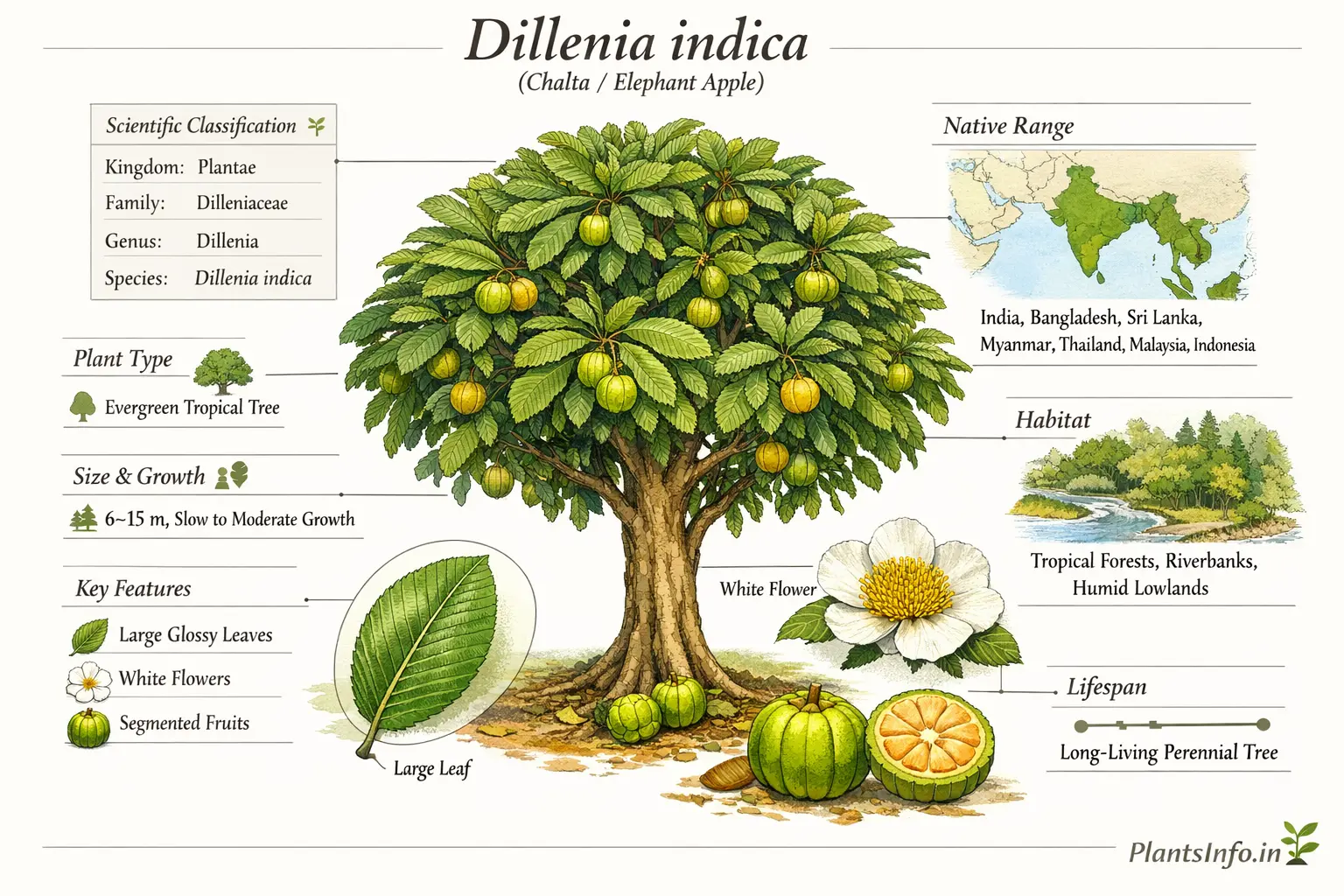
Quick Answer: Chalta (Dillenia indica) is a tropical evergreen tree native to South and Southeast Asia, widely found across the wetter parts of India — particularly Bengal, Assam, Odisha, and the northeastern states. It produces large, dramatic white flowers and sour, cricket-ball-sized fruit used extensively in Bengali and Assamese cooking and traditional medicine.
See also: Chalta plant profile, how to grow it, common problems, its flowering season, and its benefits.
There is a particular kind of tree that a Bengali grandmother knows by smell before she sees it — the sharp, green, faintly floral sourness of a freshly cut Chalta fruit is as specific as any landmark in a monsoon garden. Dillenia indica is not a tree that announces itself loudly in botanical literature. It is a tree that announces itself in kitchens, in pickles, in the memory of a particular chutney eaten on a rainy afternoon in West Bengal.
Recommended Products
Disclosure: As an Amazon Associate, PlantsInfo may earn from qualifying purchases.
🌱 Growing Essentials
The following products can help with container gardening, potting, root development, soil management, and healthy plant growth.
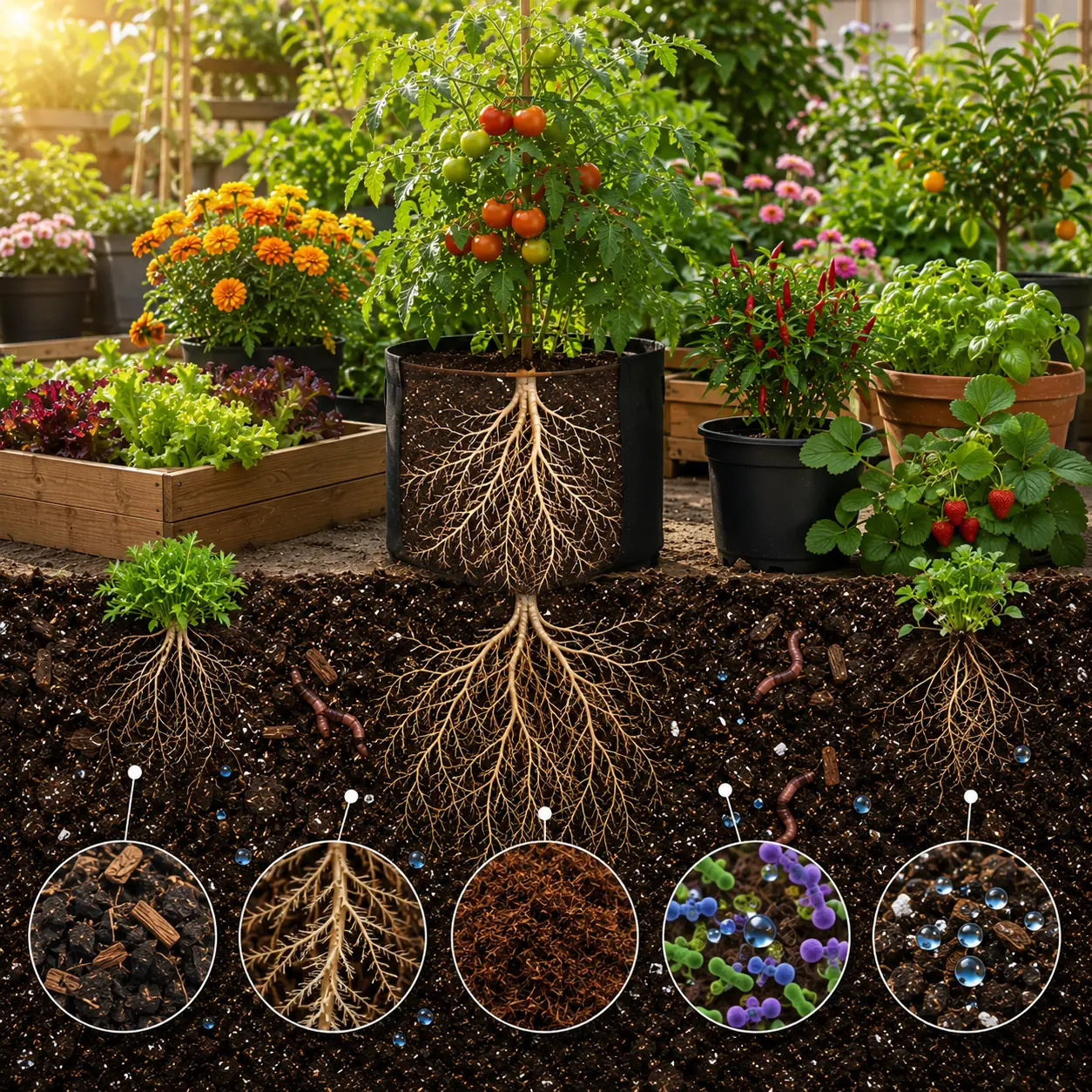
Organic Potting Soil Mix
Provides nutrients, structure, and healthy growing conditions for container plants.
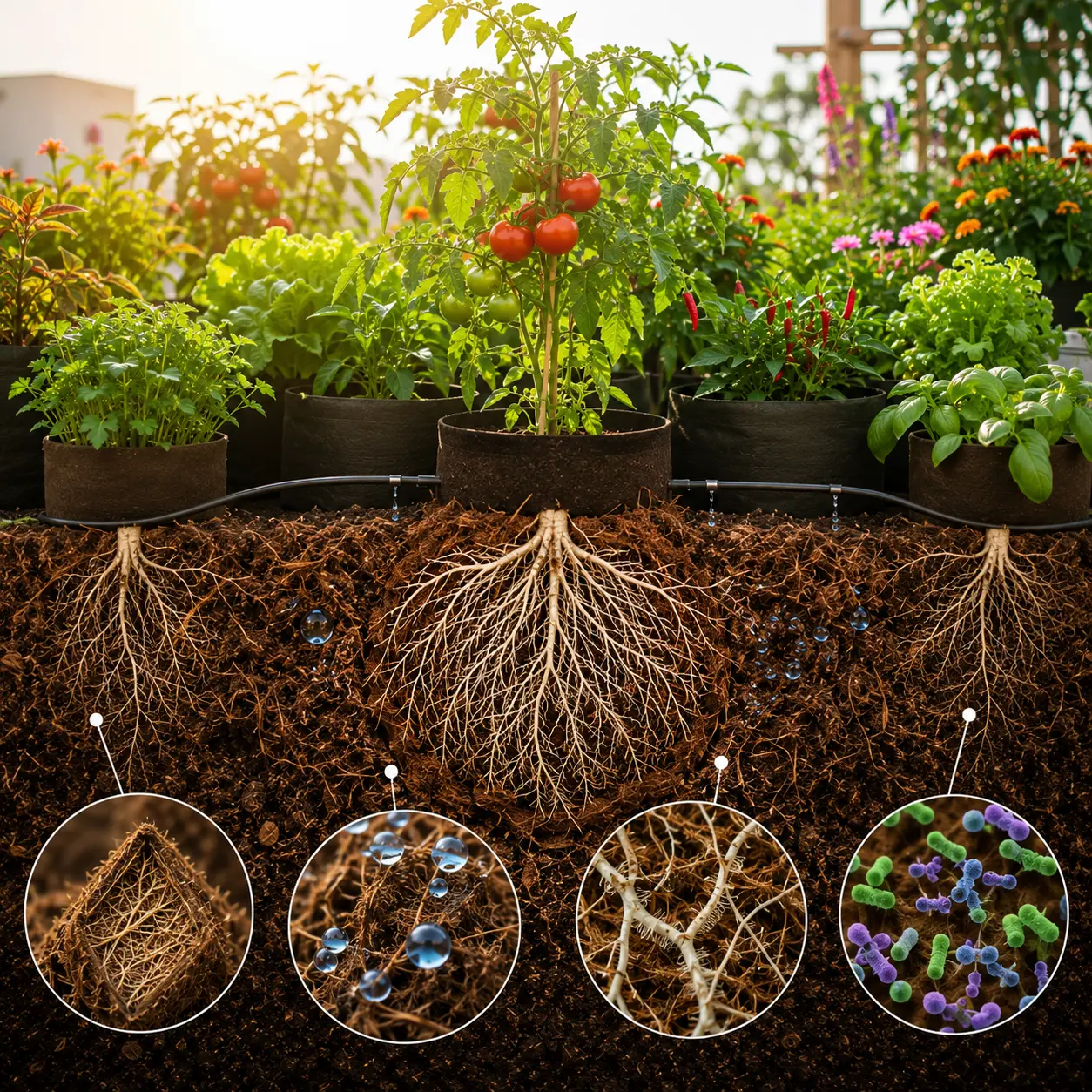
Coco Peat Growing Medium
Enhances moisture retention while maintaining excellent root-zone aeration.

Grow Bags for Plants
Improve drainage, root aeration, and vegetable production in limited spaces.

Plastic Pots for Plants
Ideal containers for seedlings, ornamentals, herbs, and balcony gardens.
Plant at a Glance
| Feature | Detail |
|---|---|
| Scientific name | Dillenia indica L. |
| Family | Dilleniaceae |
| Origin | South and Southeast Asia — India, Sri Lanka, Myanmar, Thailand, Indonesia |
| Plant type | Tropical evergreen to semi-deciduous tree |
| Lifespan | 60–100+ years |
| Height | 8–15 m at maturity; manageable with pruning |
| Canopy | Broad, spreading; dense shade |
| Leaf size | 15–35 cm long; stiff, deeply veined, sandpaper-rough texture |
| Flower size | 10–15 cm across; white with yellow stamens; 5 petals |
| Fruit size | 8–15 cm diameter; round; green turning yellow-green when ripe |
| Root system | Moderately deep; surface lateral roots in mature trees |
| Toxicity | No significant toxicity documented for culinary or normal garden use |
Regional Names in India
Chalta’s names across India reflect both its regional distribution and the languages of the communities that have used it longest:
- Bengali: Chalta, Chalita (চালতা)
- Assamese: Ou Tenga (আউ টেঙা)
- Hindi: Chalta, Karambel
- Odia: Ou, Karmal
- Sanskrit: Bhavya, Hasti-bhavya (hasti = elephant)
- Nepali: Karmal
- Malayalam: Punna (in some references) [verify before publishing]
- Tamil / Telugu: Limited traditional cultivation; known primarily by transliteration
The Sanskrit name Hasti-bhavya — literally “elephant’s Bhavya fruit” — is the oldest recorded reference to the plant’s relationship with elephants, a connection that has been documented in Indian natural history for at least two thousand years.
Where Does It Grow in India?
Chalta’s natural and cultivated range in India follows the humid, high-rainfall zones closely. It grows wild and semi-wild across:
- West Bengal: Found in home gardens, riverbanks, and forest margins across the state. Most common in the districts of Murshidabad, Nadia, Hooghly, and the Sundarbans fringe. Cultivated widely for domestic use.
- Assam and the Northeast: One of the most culturally important fruit trees of the Brahmaputra valley. Found in home gardens and along the edges of tea estates. Ou tenga cultivation is deeply embedded in Assamese food culture.
- Odisha: Present in the northern and coastal districts; used in local cooking and traditional medicine.
- Bihar and Jharkhand: Found in wetter districts; less commonly cultivated than in Bengal and Assam.
- Kerala and coastal Maharashtra: Chalta grows in these humid zones but is less culturally embedded in local food traditions. It is sometimes grown as an ornamental tree.
At drier elevations or in arid states — Rajasthan, Gujarat interior, Haryana — Chalta does not naturalise and struggles in cultivation without significant irrigation.
What Does It Look Like?
Chalta is one of the most architecturally distinctive trees in the Indian tropical garden. The leaves are large, stiff, and deeply corrugated with prominent parallel veins — the rough surface feels almost like coarse sandpaper and is said to have been used historically for polishing wood and ivory.
The flowers are among the largest of any Indian fruiting tree — pure white, 10–15 cm across, with five broad petals and a prominent cluster of yellow stamens at the centre. They open for a single day before dropping, and appear between April and June. The brief but spectacular flowering is one of the most underappreciated floral displays in Indian horticulture.
The fruit is technically not a simple fruit but a false fruit — the fleshy, sour material that we eat and cook is formed from the enlarged, persistent sepals surrounding the true fruit. The true seeds are embedded within sections of the central core. This botanical quirk is shared with strawberries and roses, though it is rarely noted in popular accounts of Chalta.
What Is It Used For?
Chalta’s uses span cooking, medicine, ecology, and craft.
- Cooking: The most important use. Chalta fruit is the souring agent and main ingredient in chutney, pickle, fish curry, and ambal across Bengal and Assam. It is used both fresh during the harvest season and preserved through pickling and drying for year-round use.
- Traditional medicine: Fruit, leaves, and bark all have documented uses in Ayurvedic and folk traditions — for digestion, fever, skin conditions, and wound care.
- Timber: The wood is moderately hard and durable, used in rural areas for light construction, agricultural tools, and fuel.
- Ecological: A wildlife support tree — fruiting for birds and mammals, flowering for pollinators, and structurally important for forest-margin ecosystems in northeastern India.
Is It Easy to Grow?
Easy to Moderate — simpler than many fruit trees once the right location (humid, well-drained, sunny) is secured. Most difficulties arise from trying to grow it in climates that are too cold, too dry, or in soil that does not drain.
In its native range — Bengal, Assam, Odisha — Chalta is close to a plant-it-and-leave-it tree. Outside that range, it needs more deliberate care.
⚠ Commonly confused with: Dillenia pentagyna (Karmal or small-flowered Chalta), a related species with smaller flowers and fruit found across central India. The two are used similarly in folk medicine, but are distinct species. D. pentagyna is more drought-tolerant and grows further into drier states than D. indica.
⚠ Wildlife note: In areas adjacent to forested zones in Assam and West Bengal, mature Chalta trees in fruit attract elephants and large deer. This is ecologically significant and generally a positive attribute of the tree, but worth noting for gardens near forest corridors.
Frequently Asked Questions
Is Chalta the same as wood apple (Bael)?
No — Chalta (Dillenia indica) and wood apple (Limonia acidissima, also called Kavath or Kothu) are entirely different trees from different plant families, though both produce sour fruit used in Indian cooking.
Can Chalta grow in a pot long-term?
A young tree can be maintained in a very large container (80–100 litres) for several years, but Chalta ultimately needs ground planting to achieve its full size and productivity. It is not a permanent container tree.
Does Chalta fruit have seeds?
Yes — the fruit contains numerous small seeds embedded in the central core. The edible portion is the fleshy, sour material formed from the enlarged sepals around the core, not the fruit wall itself.


