
Chalta Flowering Season: When and What to Expect in India

Quick Answer: Chalta flowers between April and June — large, spectacular white blooms that last a single day each. Fruit develops through the monsoon and is ready to harvest between August and October. In Assam and West Bengal, the fruit is most abundant from September onward. Timing shifts by 3–4 weeks between the south of the range and the north.
See also: Chalta plant profile, how to grow it, common problems, its benefits, and its varieties.
The Chalta flower opens at dawn — white, wide as an outstretched hand, with a loose cluster of golden stamens at its centre — and by evening it has fallen. In May or June, if you stand near a mature Chalta tree at the right hour, you can watch petals the size of playing cards drift down one by one into the grass below. It is an extravagance that lasts one morning per flower, and the tree is completely unapologetic about it.
Recommended Products
Disclosure: As an Amazon Associate, PlantsInfo may earn from qualifying purchases.
🌱 Growing Essentials
The following products can help with container gardening, potting, root development, soil management, and healthy plant growth.
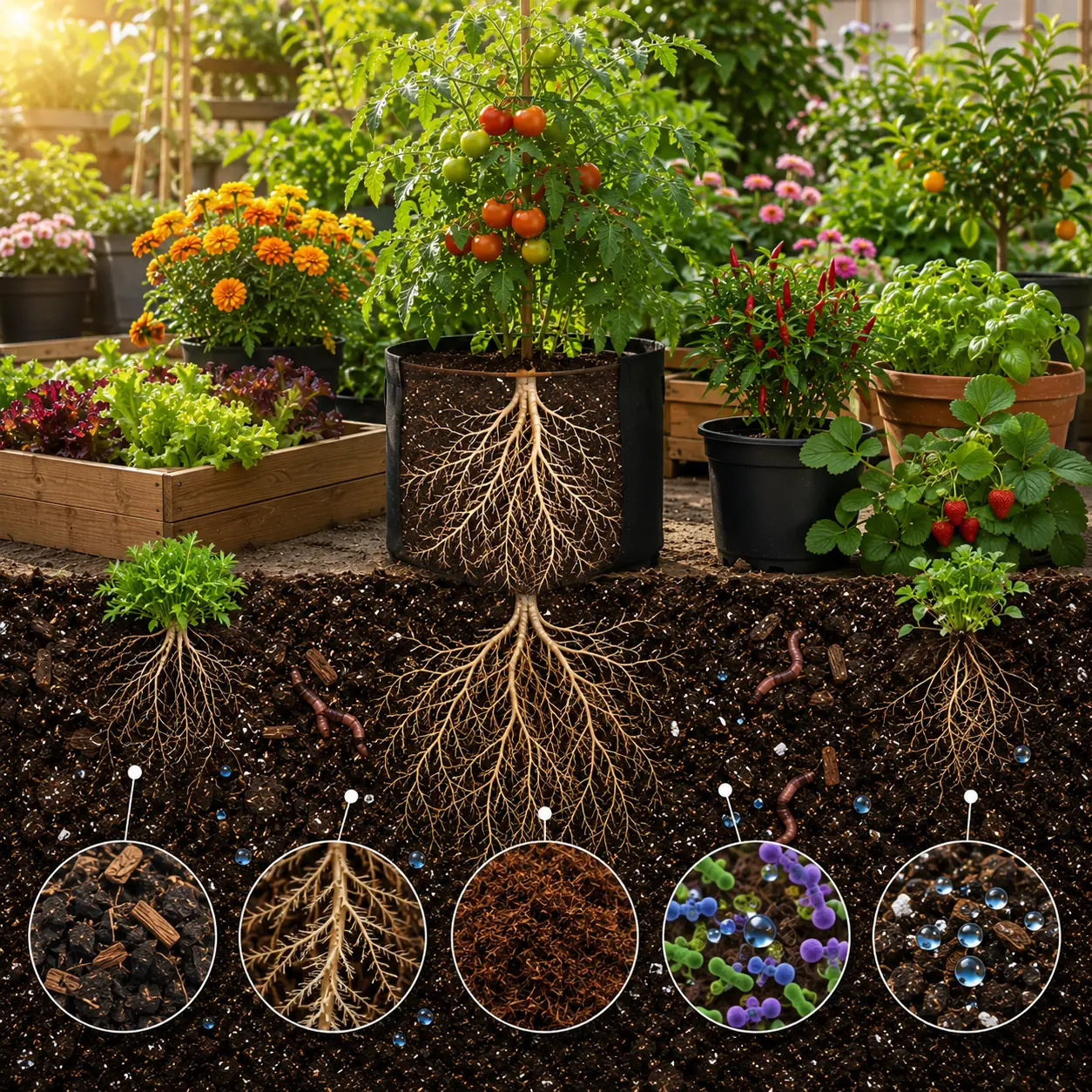
Organic Potting Soil Mix
Provides nutrients, structure, and healthy growing conditions for container plants.
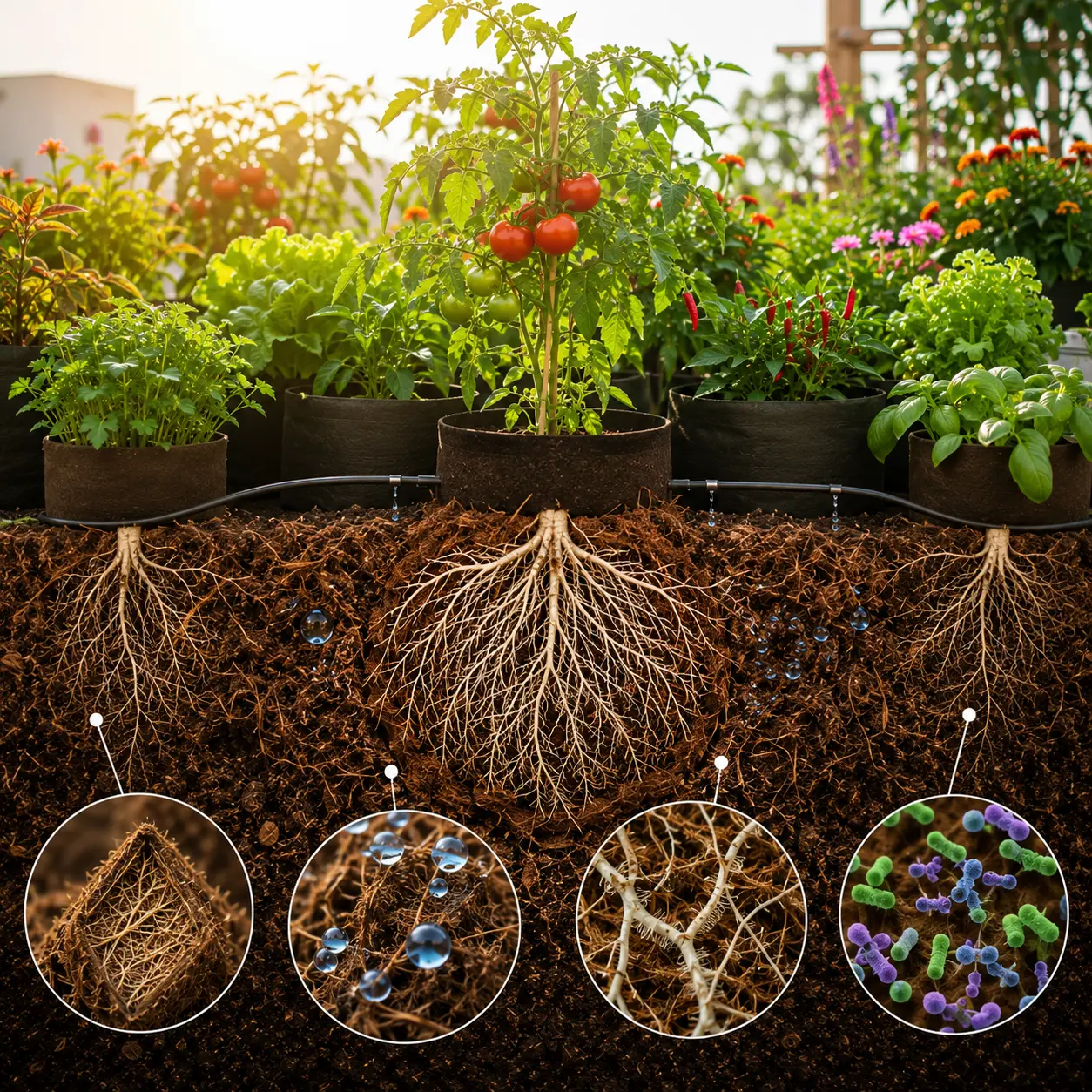
Coco Peat Growing Medium
Enhances moisture retention while maintaining excellent root-zone aeration.

Grow Bags for Plants
Improve drainage, root aeration, and vegetable production in limited spaces.

Plastic Pots for Plants
Ideal containers for seedlings, ornamentals, herbs, and balcony gardens.
India’s Seasons and This Plant
| Season (months) | What the plant is doing |
|---|---|
| Pre-monsoon (Mar–May) | Flowering peaks April–May; new leaf flush; pollinators active; fruit set begins |
| Monsoon (Jun–Sep) | Active fruit development; rapid size increase; tree in full leaf; minimal care needed |
| Post-monsoon (Oct–Nov) | Harvest peak; fruit at maximum size and sourness; best planting window for new trees |
| Winter (Dec–Feb) | Semi-dormant; some leaf drop in cooler areas; flower bud initiation beginning internally |
Flowering Season in Detail
Chalta flower buds begin forming on branch tips in March, and the first flowers open in April across most of the plant’s Indian range. Peak flowering runs through May and into June — a 6–8 week window during which a mature tree carries flowers almost continuously, even as individual flowers last only a day.
Regional variation:
- Kerala and coastal south India: Flowers can appear as early as March
- West Bengal and Odisha: April–May is the main flush
- Assam and the northeast: May–June, sometimes extending into early July
Each flower is self-fertile but benefits significantly from cross-pollination via bees and large flies. The flower opens flat, making it accessible to a wide range of pollinators. In gardens with good pollinator diversity, fruit set is notably higher than in isolated urban trees.
What triggers flowering: a combination of increasing day length and rising temperatures after the winter cool period. Unlike mango, which needs a specific cool-dry trigger, Chalta’s flowering is primarily driven by warming temperatures in spring, which is why it flowers later in the north, where spring arrives more gradually.
One detail that surprises many gardeners: the flowers are mildly fragrant — a soft, clean scent detectable up close in the early morning before the heat of the day disperses it.
Fruiting Season in Detail
After a flower is successfully pollinated, the petals drop within 24 hours, but the sepals remain and begin to enlarge. This is the start of the false-fruit development — the structure that will eventually become the large, sour Chalta fruit.
Fruitlets are clearly visible by June — small, hard, bright green, and tightly packed with developing seeds inside. They grow steadily through the monsoon months, reaching full size by August–September.
Ripening indicators: the fruit shifts from bright green to a dull, slightly yellowed green. The surface develops a faint waxy sheen. Pressed gently, a ripe fruit gives very slightly — still firm, but no longer rock-hard. The smell at the stem end becomes distinctly sour and aromatic.
The harvest window in West Bengal and Odisha runs from August through October. In Assam, ou tenga is harvested from September through November, with October being the peak month in most years.
What happens if you miss the window: Overripe Chalta fruit that falls naturally is still usable for a few days, but softens quickly, and the flesh becomes stringy. Elephants and deer will take fallen fruit within hours in areas where wildlife is present. Harvest promptly once the ripening indicators appear.
Best Time to Plant
The ideal window for planting Chalta is early monsoon — June to July — when rainfall reduces irrigation demand and warm, moist soil accelerates root establishment. This is especially true for the humid states where Chalta thrives best.
The post-monsoon window — October — is the second-best option. Temperatures are dropping, which reduces establishment stress, and the soil retains enough warmth for root growth through November.
Avoid planting in summer (April–May) when heat and water stress combine to challenge any new tree. Avoid peak monsoon (August) when waterlogging risk is highest, and the soil is often too saturated for the delicate early root system to establish properly.
Container trees follow the same seasonal logic but are somewhat more forgiving — a container-grown sapling can be transplanted to the ground at any point in the monsoon with reasonable success.
Month-by-Month Care Calendar
| Month | Season | Key Task |
|---|---|---|
| January | Winter | Minimal care; some leaf yellowing and drop is normal; do not fertilise |
| February | Winter | Light pruning of dead or crossing branches, if needed; apply vermicompost at the drip line |
| March | Pre-monsoon | Peak flowering begins; no pesticide; ensure pollinator access; deep water weekly. |
| April | Pre-monsoon | Flower buds are forming; increase watering as temperatures rise; avoid any pesticides |
| May | Pre-monsoon | Fruitlets developing; planting window opens for new saplings; check drainage. |
| June | Monsoon onset | Fruit growing actively; minimal intervention; check for fungal leaf spots; ensure drainage. |
| July | Monsoon | Fruit approaching full size; watch for early ripening signs; harvest begins in some areas. |
| August | Monsoon | Fruit approaching full size; watch for early ripening signs; harvest begins in some areas |
| September | Post-monsoon | Main harvest window in West Bengal and Odisha; harvest promptly; post-harvest light prune |
| October | Post-monsoon | Peak harvest in Assam; best planting window for new trees; apply vermicompost |
| November | Post-monsoon | Harvest complete; apply mustard cake drench; tree slowing into winter rest |
| December | Winter | Reduce watering; some leaf drop is normal; plan next season’s propagation |
What Can Go Wrong Seasonally?
Poor fruit set despite abundant flowering (May–June): If flowers drop without setting fruit, the most likely cause is insufficient pollinator activity — common in dense urban areas with few flowering companion plants and high pesticide use. The fix is non-negotiable: stop all pesticide applications during the flowering window. Plant open-flowered companions nearby. If the problem persists, hand pollination with a soft brush transferred between flowers in the early morning is surprisingly effective.
Monsoon fungal leaf spot (July–September): As described in Spoke 1, dark spotted leaves during the monsoon are a fungal issue, not a nutrient problem. Copper-based fungicide spray at the start of the monsoon (June) as a preventive measure significantly reduces severity. This is one of the most commonly misdiagnosed seasonal problems on Chalta — the yellowing margins around spots are mistaken for magnesium or iron deficiency, and fertiliser is applied when fungicide is needed.
Fruit cracking before harvest (August–September): Irregular watering during the fruit development phase — periods of drought followed by heavy rain or irrigation — causes internal pressure fluctuations that crack the fruit. In home gardens, maintaining a consistent weekly deep watering schedule from June through harvest largely prevents this. Mulching the base of the tree heavily reduces soil moisture fluctuation during intermittent monsoon dry spells.
Post-Harvest Care
After the harvest is complete, in October to November, depending on the region, Chalta enters its quietest period. This is the best time for any significant pruning, for applying the annual vermicompost or farmyard manure feeding, and for separating and potting any air layers started during the monsoon.
The tree will push a modest flush of new vegetative growth in November–December in warmer parts of its range, and then slow considerably through January–February. This rest period is important — resist the urge to fertilise or stimulate growth during this time. The tree is internally preparing the conditions for the following season’s flowering.
Dormancy and Off-Season Care
In the cooler parts of Chalta’s range — Bihar, northern Odisha, Jharkhand — the tree is notably semi-deciduous in winter. Significant leaf drop between December and February is normal and should not be confused with distress. A tree that drops half its leaves in January but shows firm, unshrivelled stems and no bark discolouration is resting, not dying.
Signs of genuine distress (vs. normal dormancy): stem shrinkage and wrinkling, bark that lifts easily from the wood beneath, complete absence of new bud formation by March. A dormant tree will show small but firm buds at branch tips by late February, even before new leaves appear.
Watering during dormancy: once every 2–3 weeks is sufficient for ground-planted trees in winter. Container trees need slightly more frequent checking — once the top 5 cm of soil is dry, water moderately. Do not feed during this period.
Revival timing: expect visible new bud break and the start of the spring leaf flush by March across most of India, slightly earlier in the south and slightly later in the north.


