
Chalta Plant Problems: Symptoms, Causes and Fixes

Chalta Plant Problems: Symptoms, Causes, and Fixes
Walk up to a neglected chalta (Dillenia indica) after the monsoon, and you will often find the same cluster of trouble: blackened leaf edges, a sticky film on young shoots, and a few fruits hanging half-rotten on the branch. Most of it is preventable.
See also: Chalta plant profile, how to grow it, its flowering season, its benefits, and its varieties.
Chalta is a tough, slow-growing tree, and the majority of problems it faces in Indian gardens trace back to waterlogging, poor air circulation, or a pest colony that was ignored for too long.
Recommended Products
Disclosure: As an Amazon Associate, PlantsInfo may earn from qualifying purchases.
🌱 Growing Essentials
The following products can help with container gardening, potting, root development, soil management, and healthy plant growth.
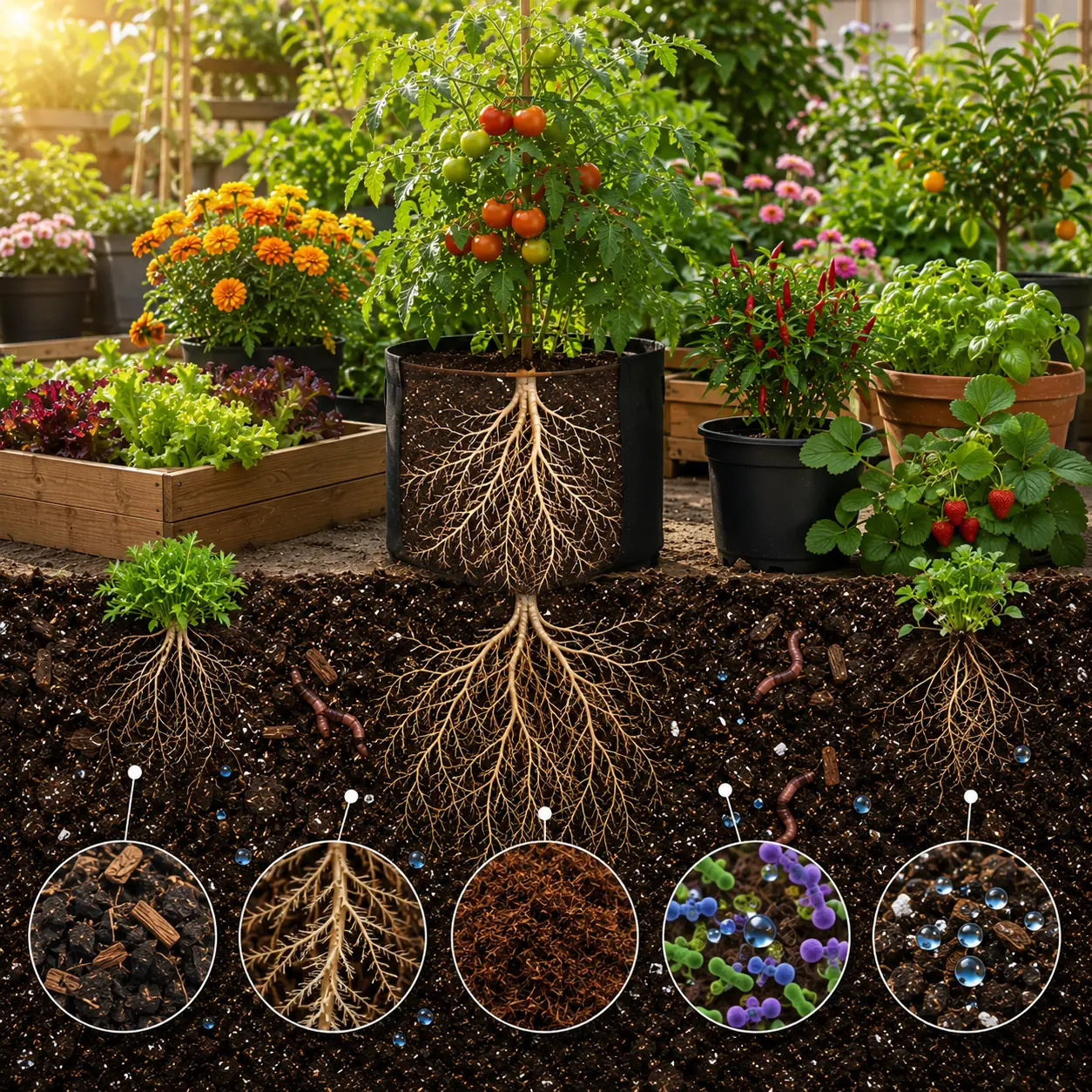
Organic Potting Soil Mix
Provides nutrients, structure, and healthy growing conditions for container plants.
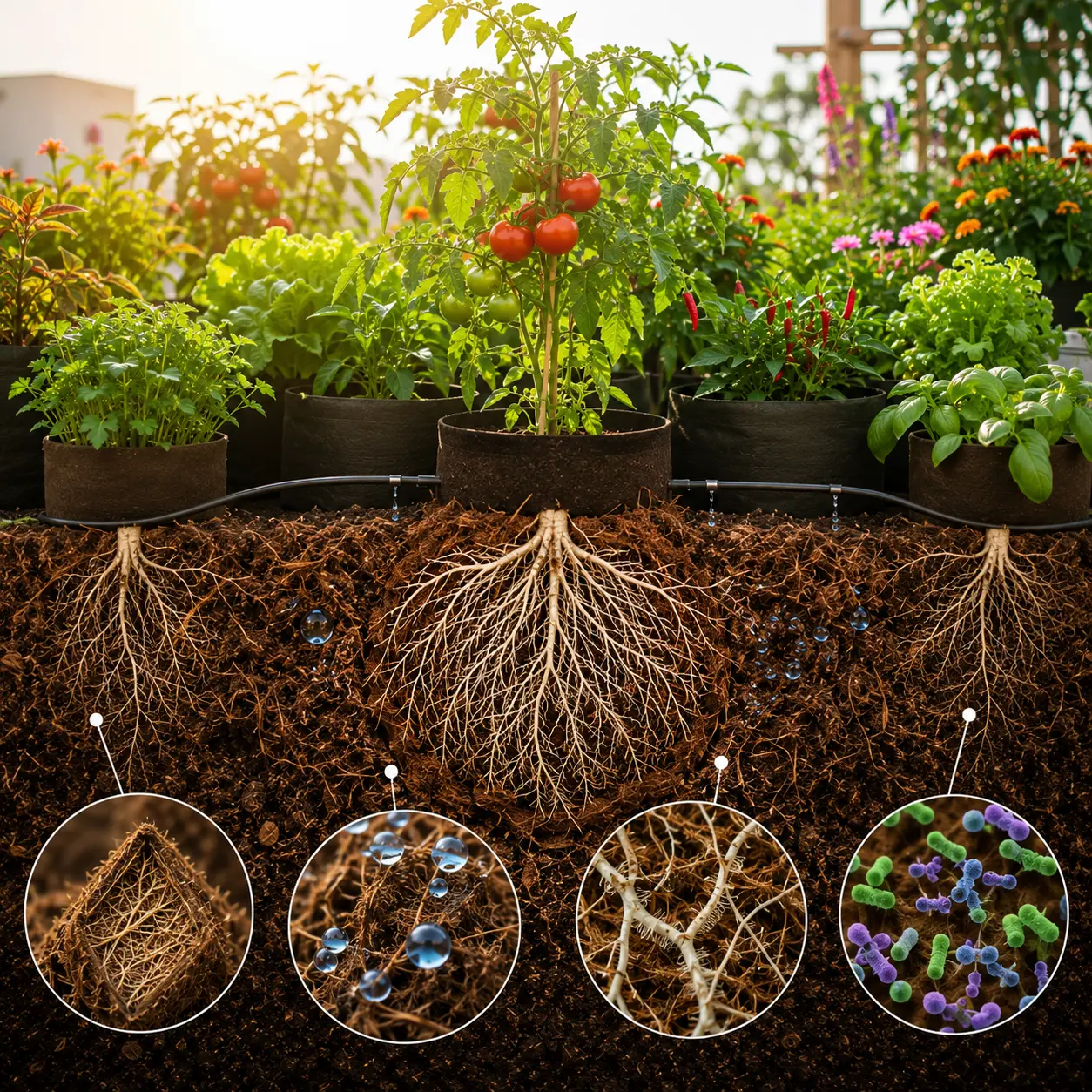
Coco Peat Growing Medium
Enhances moisture retention while maintaining excellent root-zone aeration.

Grow Bags for Plants
Improve drainage, root aeration, and vegetable production in limited spaces.

Plastic Pots for Plants
Ideal containers for seedlings, ornamentals, herbs, and balcony gardens.
Quick Diagnosis
| Symptom | Most Likely Cause | First Action |
|---|---|---|
| Yellowing leaves with green veins | Iron or magnesium deficiency | Spray neem oil solution on the affected area |
| Black sooty coating on leaves | Sooty mould from sap-sucking pests | Wipe with a diluted neem oil cloth |
| Soft, brown patches on fruit | Fruit rot (fungal) | Remove affected fruits immediately |
| Sticky residue on stems and leaves | Scale insects or mealybugs | Wipe with diluted neem oil cloth |
| Leaves with ragged holes and brown edges | Caterpillar feeding or leaf scorch | Inspect undersides; check sun exposure |
| Wilting despite adequate water | Root rot or waterlogging | Check drainage; reduce watering |
| Premature fruit drop | Fruit borer or irregular watering | Inspect fallen fruit for entry holes |
Diseases
Fruit Rot (Phytophthora and Colletotrichum spp.)
The most common disease in Chalta is particularly prevalent during and just after the monsoon. Affected fruit develops water-soaked, soft brown patches that expand quickly. The flesh beneath turns mushy, and the fruit falls before maturity. Caused by fungal pathogens that thrive in high humidity and poor air circulation around the canopy.
Fruit rot can be managed but rarely eliminated mid-season. Remove all affected fruit promptly — do not leave them on the ground beneath the tree. As a prevention step, thin the canopy before monsoon onset to improve airflow.
Leaf Spot (Cercospora or Alternaria spp.)
Circular to irregular brown or grey spots with a darker border appear on mature leaves, typically from July through September. Severe infections cause early leaf drop. The fungus overwinters in fallen leaf debris, so clearing the base of the tree regularly reduces reinfection the following season.
This disease is manageable with copper-based fungicides applied at the first sign of spotting. It is rarely fatal, but repeated defoliation weakens the tree and reduces fruit set the following year.
Powdery Mildew
Less common in chalta than in many other fruit trees, but it does appear during dry spells sandwiched between humid periods — typically in October and February in peninsular India. A white, powdery coating develops on new growth and young leaves. Affected shoots may curl or distort slightly.
Powdery mildew on chalta responds well to early intervention. A diluted solution of potassium bicarbonate or wettable sulphur applied to affected areas is effective. Avoid overhead watering, which spreads spores.
Root Rot (Pythium and Phytophthora spp.)
Root rot in chalta is almost always caused by waterlogged soil — the tree has reasonable drought tolerance but very poor tolerance of standing water. The first visible sign is not at the roots but above ground: sudden wilting despite moist soil, followed by yellowing of the entire canopy. By the time these symptoms appear, root damage is already significant.
There is no chemical cure once root rot is established. The fix is drainage correction and, where possible, improving the planting site. Young trees in containers can sometimes be saved by repotting into fresh, well-draining soil after trimming dead roots.
Pest Problems
Scale Insects
Scale insects are the most persistent pest on chalta in Indian home gardens. They appear as small, flat, brownish or whitish bumps on stems and the undersides of leaves. Heavy infestations produce a sticky honeydew secretion that coats leaves and stems — this is the precursor to sooty mould. Infested branches show reduced vigour and leaf yellowing.
Organic fix: Scrub affected areas with a soft brush dipped in diluted neem oil (5 ml neem oil per litre of water with a few drops of liquid soap). Repeat every 10 days for three cycles.
Chemical option: Systemic insecticides containing imidacloprid applied as a soil drench reach sap-sucking insects effectively. Use strictly as per label directions.
This information is for general guidance only. Always read product labels before applying any pesticide or fungicide. Follow state agriculture department guidelines for food crops. Keep children and pets away during and after application.
Mealybugs
Mealybugs cluster at leaf axils, on young shoots, and sometimes on the fruit surface close to the calyx. They appear as white, cottony masses. Like scale insects, they excrete honeydew that encourages sooty mould. Mealybug populations explode during dry weather and slow down during heavy monsoon rain.
Mealybugs are commonly mistaken for a fungal disease because of their white, fluffy appearance — but the colonies move when disturbed and have a distinctly waxy texture, unlike fungal growth.
Organic fix: Spray neem oil solution directly onto colonies. For small infestations, a cotton swab dipped in isopropyl alcohol applied directly to each colony is effective.
Chemical option: Contact insecticides containing chlorpyrifos or cypermethrin work for heavy infestations but should be avoided close to harvest.
Fruit Borers
Fruit borers are the most damaging pest for gardeners growing chalta for its fruit. The adult moth lays eggs on developing fruit, and the larvae bore into the flesh, causing premature fruit drop. The entry hole is small and easy to miss — the clearest sign is fruit falling well before the harvest window, and a visible tunnel or frass (powdery excrement) when you cut open the dropped fruit.
Organic fix: Fruit bagging with paper or muslin bags tied over developing fruit once they reach the size of a small fist is the most reliable physical barrier.
Chemical option: Spraying with spinosad-based insecticide at the time of fruit set reduces borer infestation significantly. Do not spray once the fruit is close to maturity.
Environmental and Care Mistakes
Waterlogging and Poor Drainage. Chalta planted in low-lying areas or in heavy clay soil without drainage amendment is the single most common mistake. Symptoms: leaves turn yellow uniformly, the tree looks generally unwell, and fruit set is poor. The cause is oxygen deprivation at the roots. Fix: improve drainage at the planting site; for container plants, ensure at least three drainage holes and elevate the pot during the monsoon. For full soil amendment guidance, see the Growing Guide.
Planting in Insufficient Sunlight Chalta is a full-sun tree and performs poorly under significant shade. A tree in partial shade produces fewer flowers, sets little fruit, and becomes more susceptible to fungal disease because of the reduced air movement and light. Symptom: long, leggy new growth with pale leaves and almost no flowering. This mistake is almost universally made by first-time chalta growers who plant it too close to a wall or under a larger tree canopy.
Transplant Shock in Mature Trees. Chalta develops a deep taproot system relatively quickly, and mature trees do not transplant well. Gardeners who attempt to move a tree more than two or three years old will often see the top third of the canopy die back, even if the move appears to go smoothly. If transplanting is necessary, do it only during the cool season (November to February), prune the canopy by one-third first, and water deeply and consistently for the first eight weeks.
Over-fertilising with nitrogen. Excess nitrogen encourages rapid, lush vegetative growth at the expense of flowering. Gardeners who apply nitrogen-heavy fertilisers through the pre-monsoon and monsoon period often find the tree produces abundant new leaves but almost no flower buds. The fix is to shift to a phosphorus-led fertiliser from February onward to support bud initiation. For the full fertiliser schedule, see the Growing Guide.
Prevention Protocol
Good chalta care throughout the year prevents the majority of problems before they start.
Before monsoon onset (May), clear all fallen leaves and debris from the base of the tree — this removes overwintering fungal spores and egg masses. Inspect stems for early scale insect colonies and treat proactively. Check that drainage around the root zone is functioning; this is the time to correct it, not after the rains begin.
Through the monsoon (June to September), avoid any fertiliser application that might push vulnerable new growth. Check under leaves for mealybug and scale activity every two to three weeks. Remove any fruit showing soft spots immediately.
In the post-monsoon period (October to November), apply a layer of well-composted organic matter around the base of the tree to restore soil structure and microbial activity after the wet season. This is also the best window to apply a preventive copper-based fungicide spray if fruit rot was a problem the previous year.
In winter (December to February), the tree is in its slowest growth phase and is least susceptible to most pest and disease pressure. Use this period to prune out dead, crossing, or poorly placed branches — good canopy structure is the most durable form of disease prevention for chalta.
When to Give Up on a Plant
A chalta tree that has been waterlogged for more than one full monsoon season in heavy clay soil, and that is showing whole-canopy wilting with bark discolouration at the base of the trunk, is unlikely to recover. Root rot at that stage has typically destroyed the primary root system.
If you cut into the base of the trunk and find brown, wet, or hollow wood rather than firm cream or pale-yellow heartwood, the root system is compromised beyond recovery.
Remove the tree completely, including as much of the root mass as possible. Do not replant a chalta — or any other Dillenia species — in the same spot for at least two years. If replanting in the same location is unavoidable, replace the soil in the planting pit to a depth of at least 60 cm and improve drainage before the new plant goes in.
Frequently Asked Questions
Is it safe to eat chalta fruit from a tree that had fruit rot this season?
Fruit that shows no external signs of disease and comes from a tree that had isolated fruit rot (not whole-crop collapse) is generally safe to eat — discard any fruit with soft patches, cuts, or visible mould, and use the healthy fruit promptly.
My chalta leaves have a white powdery coating, but the plant looks healthy otherwise — is this serious?
Early-stage powdery mildew rarely causes lasting damage if caught quickly. Treat with diluted potassium bicarbonate or wettable sulphur spray and improve air circulation around the canopy; the tree typically recovers fully within a few weeks.
Can I use the same pesticide I use on my mango for chalta pests?
Most broad-spectrum insecticides and copper-based fungicides labelled for fruit trees are compatible with chalta, but always check the label for the specific crop listing and follow dosage instructions — chalta-specific registrations are less common than mango, so err on the conservative side with quantities.
Chalta is genuinely resilient once established in the right conditions. The tree that gets its drainage right, its canopy thinned before the rains, and a watchful eye through the monsoon months rarely needs anything more than that.


