
Pumpkin Plant Problems: Symptoms, Causes and Fixes
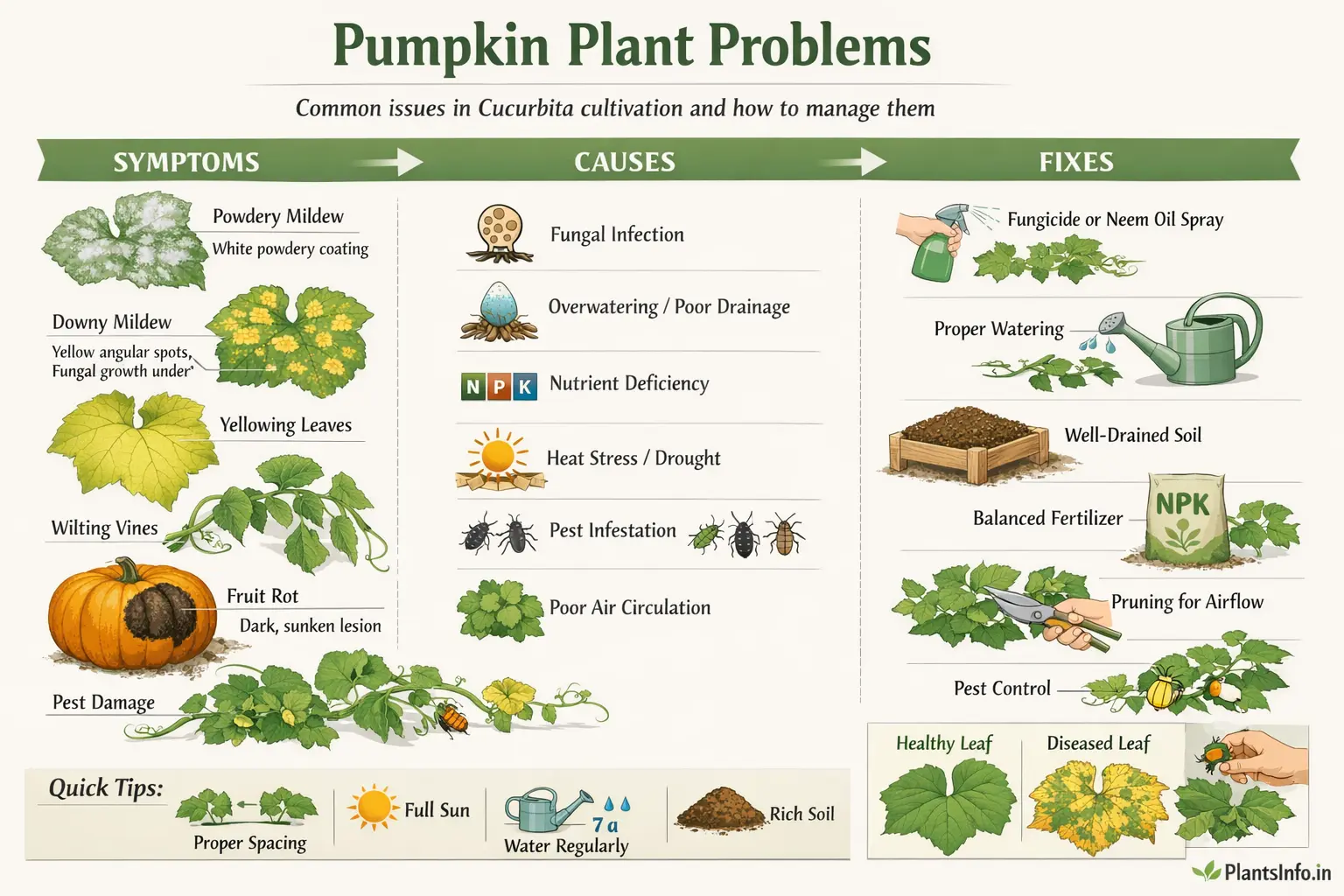
Pumpkin Plant Problems: Symptoms, Causes, and Fixes
Snap a pumpkin vine at the base and look at the cut end — if it is hollow or discoloured rather than firm and pale green, a borer is already at work inside. Pumpkin (Cucurbita moschata, C. maxima, and C. pepo) is one of the most widely grown vegetables in Indian home gardens, and it is also one of the most problem-prone.
See also: Pumpkin Plant plant profile, how to grow it, its flowering season, its benefits, and its varieties.
The good news is that almost every common problem has a clear visible signal, and most respond well to early action. Catching trouble in the first few days is the difference between a minor setback and a lost crop.
Recommended Products
Disclosure: As an Amazon Associate, PlantsInfo may earn from qualifying purchases.
🌱 Growing Essentials
The following products can help with container gardening, potting, root development, soil management, and healthy plant growth.
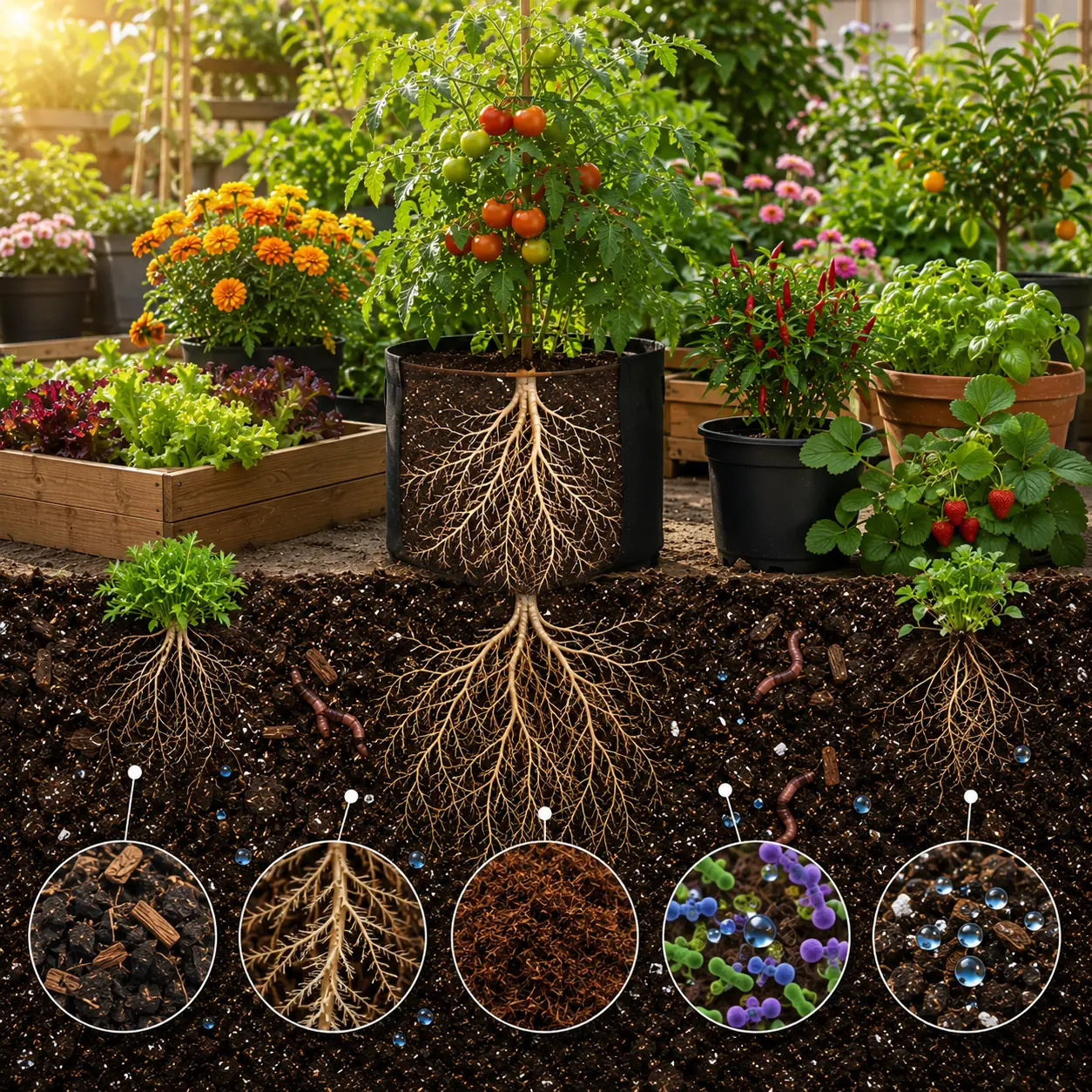
Organic Potting Soil Mix
Provides nutrients, structure, and healthy growing conditions for container plants.
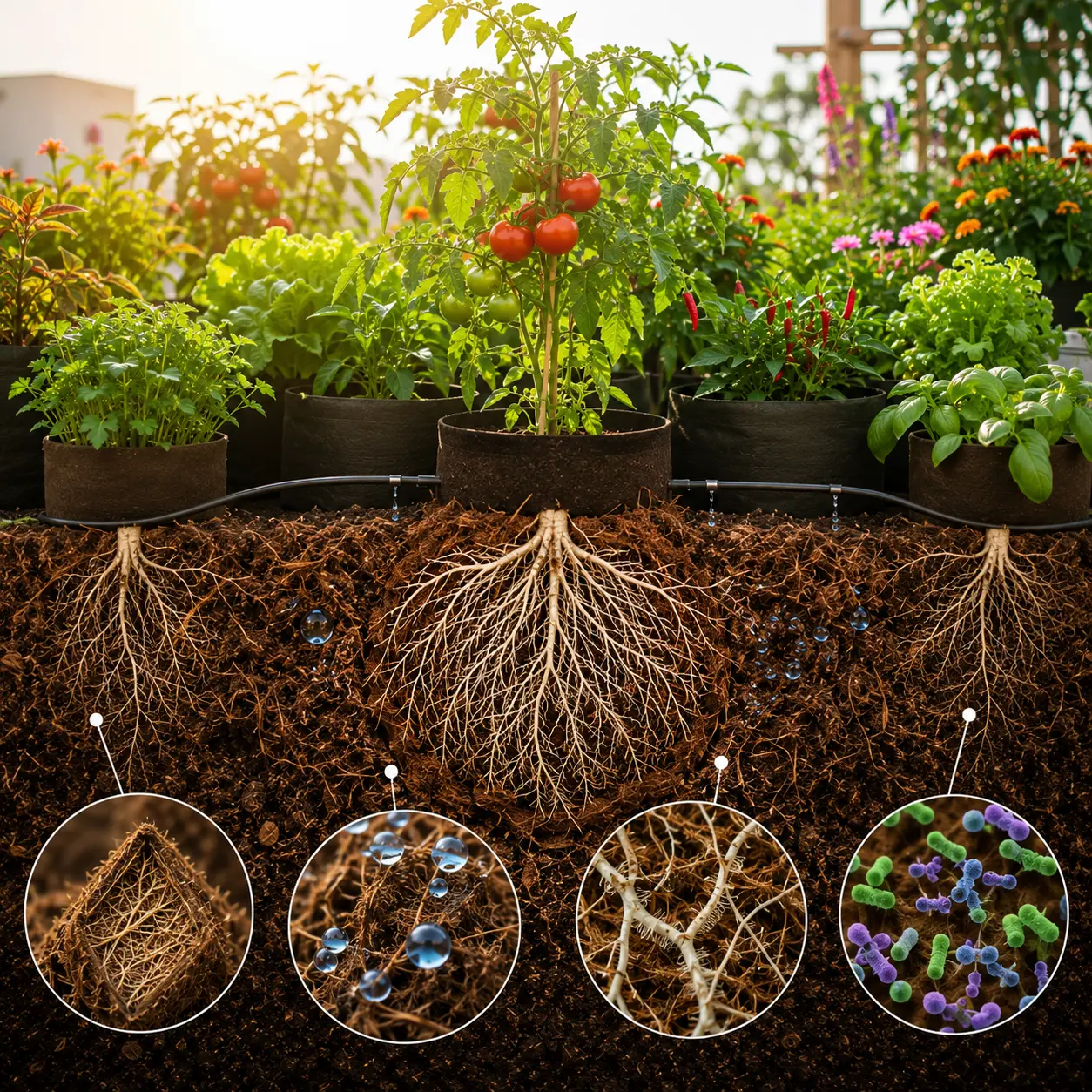
Coco Peat Growing Medium
Enhances moisture retention while maintaining excellent root-zone aeration.

Grow Bags for Plants
Improve drainage, root aeration, and vegetable production in limited spaces.

Plastic Pots for Plants
Ideal containers for seedlings, ornamentals, herbs, and balcony gardens.
Quick Diagnosis
| Symptom | Most Likely Cause | First Action |
|---|---|---|
| White powdery coating on leaves | Powdery mildew (fungal) | Spray neem oil or potassium bicarbonate solution |
| Yellow leaves, green veins intact | Iron or magnesium deficiency | Cut open the vine base; check for larvae or brown rot |
| Wilting vine despite moist soil | Vine borer or root rot | Improve consistent watering; mulch the root zone |
| Hand-pollinate in the early morning; check bee activity | Blossom end rot (calcium/watering) | Sprays a strong water jet; follow with neem oil |
| Sticky residue and curling leaves | Aphid infestation | Fruit rotting at the blossom end |
| Fruit with sunken dark lesions | Anthracnose or fruit rot (fungal) | Remove affected fruit; apply copper fungicide |
| Flowers falling without fruit set | Poor pollination or heat stress | Hand-pollinate in early morning; check bee activity |
| Pale mottled leaves, distorted growth | Mosaic virus | Remove plant immediately; control aphid vectors |
Diseases
Powdery Mildew (Podosphaera xanthii)
Powdery mildew is the most common disease of pumpkin in India and appears reliably on most farms and home gardens at some point in the season. White or grey powdery patches develop first on the upper surface of older leaves, then spread to younger leaves, stems, and eventually the underside of foliage. Affected leaves yellow and dry out prematurely, reducing photosynthetic capacity and weakening fruit development.
The fungus thrives in conditions of high humidity combined with warm temperatures — the transition periods between monsoon and post-monsoon in most of India are peak risk windows. Unlike many fungal diseases, powdery mildew does not require free water on leaf surfaces to spread; spores travel on air currents and establish quickly.
Powdery mildew can be managed but rarely eliminated once established on a heavily infected plant. Early-stage infections respond well to neem oil spray (5 ml per litre with soap emulsifier), potassium bicarbonate solution, or diluted milk spray (one part milk to nine parts water).
For advanced infections, wettable sulphur or systemic fungicides containing propiconazole are effective. Remove and destroy heavily infected leaves rather than composting them. One key prevention step: avoid overhead watering in the evening, which keeps foliage wet overnight.
Downy Mildew (Pseudoperonospora cubensis)
Downy mildew is often confused with powdery mildew in the early stages, but the distinguishing feature is location: downy mildew produces yellow angular patches on the upper leaf surface with a grey-purple, downy sporulation on the underside. It spreads rapidly in cool, wet conditions and is most damaging during the later monsoon weeks and in the post-monsoon cool period.
Unlike powdery mildew, downy mildew requires free moisture on leaf surfaces for spore germination. It spreads very quickly once established and can defoliate a planting within two weeks under ideal conditions. Copper-based fungicides applied preventively or at first symptom appearance are the most reliable management tool. There is no cure once a leaf is fully infected — remove it and protect the rest of the plant.
Fruit Rot and Gummy Stem Blight (Didymella bryoniae)
This fungal pathogen affects stems, leaves, and fruit. On stems, it produces water-soaked lesions that exude a gummy brown or orange resin — a highly distinctive symptom. On fruit, it causes dark, sunken, water-soaked patches that expand and become covered with small black fruiting bodies. Infected fruit is lost completely.
Gummy stem blight spreads through infected seed and through rain splash. It is more common in seasons with heavy, prolonged rainfall. There is no cure for affected tissue; remove and destroy infected plant parts. Copper fungicide or chlorothalonil-based fungicides applied from early fruiting protect healthy tissue. Use certified disease-free seed as the first line of defence.
Mosaic Viruses (PRSV, CMV, WMV)
Mosaic viruses — including Papaya Ringspot Virus (PRSV), Cucumber Mosaic Virus (CMV), and Watermelon Mosaic Virus (WMV) — are the most destructive diseases of pumpkin in India because they have no cure. Symptoms include yellow-green mottling on leaves, severe leaf distortion and puckering, stunted growth, and fruit that develops uneven colouring, warty surfaces, or fails to develop at all.
All mosaic viruses are transmitted by aphids. A single aphid feeding briefly on an infected plant and then moving to a healthy one is sufficient to transmit the disease. Once a plant is infected, it must be removed immediately and destroyed — do not compost it. The focus must shift entirely to protecting the remaining healthy plants by controlling aphid populations. Reflective mulches and yellow sticky traps reduce aphid pressure significantly.
Pest Problems
Aphids (Aphis gossypii and related species)
Pumpkin aphids are small, soft-bodied insects — pale green, yellow, or black depending on species — that cluster in dense colonies on the undersides of young leaves and on growing tips. They extract sap, causing leaf curl, distortion, and wilting of new growth. Their honeydew excretion promotes sooty mould and, more critically, they are the primary vector of all three major mosaic viruses affecting pumpkin in India.
Aphids reproduce extremely rapidly — a colony can reach damaging levels within five to seven days in warm weather. Early detection of the growing tip is essential.
Organic fix: A strong jet of water dislodges and kills a significant proportion of the colony. Follow immediately with neem oil spray. Repeat every five days for three cycles. Introduce or encourage natural predators — ladybirds (Coccinella spp.) and parasitic wasps are effective aphid controls.
Chemical option: Insecticides containing dimethoate or imidacloprid are effective but should be used with caution on flowering plants to avoid harm to pollinators. Apply in the evening when bees are not active.
This information is for general guidance only. Always read product labels before applying any pesticide or fungicide. Follow state agriculture department guidelines for food crops. Keep children and pets away during and after application.
Pumpkin Vine Borer (Melittia spp. and Squash vine borer analogues)
The vine borer is the most destructive pest of pumpkin in many Indian growing regions. The adult moth lays eggs at the base of the vine stem; larvae hatch and bore directly into the stem, tunnelling upward and consuming the pith.
The first visible sign above ground is sudden wilting of a long vine that had been growing vigorously — by this point, the larva has been feeding inside for days or weeks. Cutting the stem at the base reveals hollow, chewed tissue and often a cream-coloured caterpillar with a brown head.
Young plants and recently transplanted seedlings are most vulnerable. Once a larva is well-established inside the main stem, the plant rarely recovers fully.
Organic fix: If caught early, slit the vine lengthwise at the point of entry, remove the larva manually, and bury that section of stem under moist soil — the vine will produce adventitious roots and may recover. Wrapping the base of the stem with aluminium foil at planting time creates a physical barrier against egg-laying.
Chemical option: Spraying the base of the stem with chlorantraniliprole or spinosad at two-week intervals from planting through the first month of vine growth provides good protection.
Red Pumpkin Beetle (Aulacophora foveicollis)
The red pumpkin beetle is one of the most immediately recognisable pests of cucurbits in India — a bright orange-red beetle, 6 to 8 mm long, that feeds aggressively on leaves, flowers, and soft stems. Adults chew large, irregular holes in leaves and can defoliate young seedlings within days. The larvae feed underground on roots and the base of stems, though above-ground adult feeding is usually the more visible problem.
This pest is commonly mistaken for a disease when the damage pattern — multiple large holes appearing rapidly across the canopy — is first observed. The beetle itself is unmistakable if seen directly.
Organic fix: Hand-pick adults in the early morning when they are least active. Neem oil spray deters feeding but does not kill adults on contact. Yellow sticky traps catch adults in moderate numbers.
Chemical option: Carbaryl or malathion-based insecticide applied to the leaf surface provides quick knockdown. Drench the soil with chlorpyrifos solution where larval damage to roots and stem base is suspected.
Whiteflies (Bemisia tabaci)
Whiteflies are small, white, moth-like insects that cluster on the underside of pumpkin leaves. They suck sap and excrete honeydew, leading to sooty mould on leaf surfaces. More significantly in India, Bemisia tabaci is a vector of several begomoviruses that can cause severe leaf curling and stunting in pumpkin. Whitefly populations build rapidly in hot, dry conditions — they are most damaging in the pre-monsoon and post-monsoon growing windows.
Organic fix: Yellow sticky traps are effective for monitoring and reducing adult populations. Neem oil spray applied to the underside of leaves disrupts feeding and the whitefly life cycle.
Chemical option: Imidacloprid soil drench or foliar spray of thiamethoxam. Rotate chemical classes to prevent resistance development.
Environmental and Care Mistakes
Inconsistent Watering Leading to Blossom End Rot. Blossom end rot presents as a dark, sunken, leathery patch at the blossom end (bottom) of developing fruit. It looks fungal but is not — it is a physiological disorder caused by calcium deficiency at the cellular level, which is itself almost always the result of inconsistent watering rather than actual calcium deficiency in the soil.
When plants experience cycles of drought and overwatering, calcium uptake is disrupted even when calcium is present. The fix is consistent soil moisture — mulching the root zone and a regular watering schedule through the fruiting period. For the full watering protocol, see the Growing Guide.
Growing in Insufficient Space and Poor Ventilation. Pumpkin vines need room. Gardeners who plant pumpkin in confined beds without allowing the vine to sprawl, or who grow multiple plants in a small raised bed without vertical support, create exactly the dense, humid microclimate that powdery mildew and downy mildew prefer.
The symptom is a rapid onset of fungal disease despite timely spray interventions — the chemical works, but the environment keeps reinfecting. The fix is to train one or two main vines only, remove excess lateral shoots, and ensure air moves freely through the canopy.
Planting During Peak Summer Heat. This is the mistake almost every first-time pumpkin grower in North and Central India makes. Sowing in April or May in zones with peak summer temperatures above 40°C results in poor fruit set — the heat causes pollen to become non-viable and leads to flower drop before pollination can occur.
Fruits that do set in extreme heat are often small and poorly developed. In these zones, pumpkin should be planted in June at monsoon onset, or in late September for a winter harvest. For the correct planting window by region, see the Growing Guide.
Over-fertilising with Nitrogen Through the Flowering Stage. Excess nitrogen stimulates vigorous vegetative growth — long vines, large leaves, abundant new growth — but suppresses flower production and fruit set. Gardeners who apply nitrogen-rich fertiliser (DAP, urea) continuously through the season often find their plants produce almost all male flowers and very few female flowers.
Female pumpkin flowers are identifiable by the small, immature fruit at the base of the flower before it opens. Once this mistake is identified, withhold nitrogen and apply a phosphorus and potassium emphasis fertiliser. For the full fertiliser schedule, see the Growing Guide.
Prevention Protocol
Prevention in pumpkin begins before a single seed goes into the ground.
Use certified, disease-resistant seed where available — this single step reduces mosaic virus, powdery mildew, and gummy stem blight pressure significantly. Varieties bred for Indian conditions and carrying resistance notations in seed catalogues are worth the slight premium over unlabelled bulk seed.
Before planting, incorporate well-composted organic matter and ensure drainage is adequate. Pumpkin roots must never sit in standing water, and poorly drained soil is the primary cause of root rot and collar rot.
Space plants and manage vine direction so that air circulation is maintained through the canopy at all times. Remove any leaf or stem that touches the soil unnecessarily — soil contact spreads fungal spores to leaves and stems.
From the time vines begin running, inspect the underside of leaves every five to seven days for aphids, whiteflies, and early mite activity. Early detection is the entire game with these pests — a colony of twenty aphids takes minutes to manage; a colony of twenty thousand requires the plant to be treated immediately or removed.
At the first sign of powdery mildew, act on the same day. The window between the first visible symptom and whole-plant infection under Indian humidity conditions can be as short as five to seven days.
Remove all crop debris immediately after the final harvest. Do not leave spent vines on the ground — they harbour overwintering spores, eggs, and borer pupae that will infect the following season’s planting.
When to Give Up on a Plant
Pumpkin infected with mosaic virus must be removed the day the diagnosis is confirmed. There is no ambiguity here: mosaic virus is incurable, it spreads rapidly through aphid vectors, and a single infected plant in a garden can transmit the disease to every cucurbit growing nearby within days. Remove the entire plant — do not compost it — and immediately treat all remaining plants for aphid control.
A plant where the main stem at the base has been completely hollowed out by vine borers, with no healthy green tissue remaining below the first node, cannot be saved. Remove it.
Root rot severe enough to cause whole-plant wilting in a pumpkin that has been in the ground for more than three weeks is rarely recoverable. The plant’s remaining life will be measured in days to weeks, regardless of intervention, and keeping it in place only maintains a source of fungal inoculum in the soil.
Do not replant pumpkin or any cucurbit in soil where mosaic virus or severe root rot occurred in the previous season without at least one full growing season of fallow or a non-cucurbit crop rotation. If soil space is limited, solarise the bed with clear plastic for four to six weeks before replanting.
Frequently Asked Questions
Is it safe to eat pumpkin fruit from a plant that has powdery mildew on its leaves?
Yes — powdery mildew is a foliar disease and does not infect the fruit flesh. Fruit from mildew-affected plants is safe to eat as long as the fruit skin itself shows no lesions or rot. The flavour and nutritional quality may be slightly reduced if the plant was severely defoliated, but the fruit is not contaminated.
My pumpkin has lots of flowers but no fruit forming — is this a disease?
Not necessarily. Pumpkin produces male flowers first, sometimes for one to two weeks before female flowers appear. Female flowers have a small, round swelling at the base before they open; male flowers have a plain, thin stem. If both types are present but fruit is not setting, the issue is likely poor pollination — hand-pollinate in the early morning using a soft brush or by transferring pollen directly from male to female flower.
Can I use the same neem oil spray for both powdery mildew and aphids?
Yes — a standard neem oil solution (5 ml neem oil, a few drops of liquid soap, per litre of water) works as both a fungal growth suppressant and an insect deterrent. It is one of the most practical all-purpose preventive sprays for pumpkin and is safe to apply up to the day of harvest when used at the recommended concentration.
A pumpkin plant that is monitored weekly, given consistent water, and treated at the first sign of trouble will almost always produce a worthwhile harvest. The vines are fast-growing and forgiving — most problems caught within the first few days respond well to simple, low-cost fixes.


