
Pumpkin Plant: Facts, Origin, and Where It Grows in India

Quick Answer: Pumpkin is a fast-growing annual vine native to the Americas, now grown across all of India. It belongs to the gourd family and produces large edible fruit in shades of orange, yellow, and green. Three main species are cultivated in India, with Cucurbita moschata being the most common in Indian markets.
See also: Pumpkin Plant plant profile, how to grow it, common problems, its flowering season, and its benefits.
The word kaddu appears in nearly every regional language of India, which tells you something about how thoroughly this American plant has made itself at home here. Pumpkins arrived in India through Portuguese and Arab trade routes sometime in the 16th century, and within a few generations had woven themselves into Indian agriculture, cuisine, and even ritual practice so completely that most people assume they are native.
Recommended Products
Disclosure: As an Amazon Associate, PlantsInfo may earn from qualifying purchases.
🌱 Growing Essentials
The following products can help with container gardening, potting, root development, soil management, and healthy plant growth.
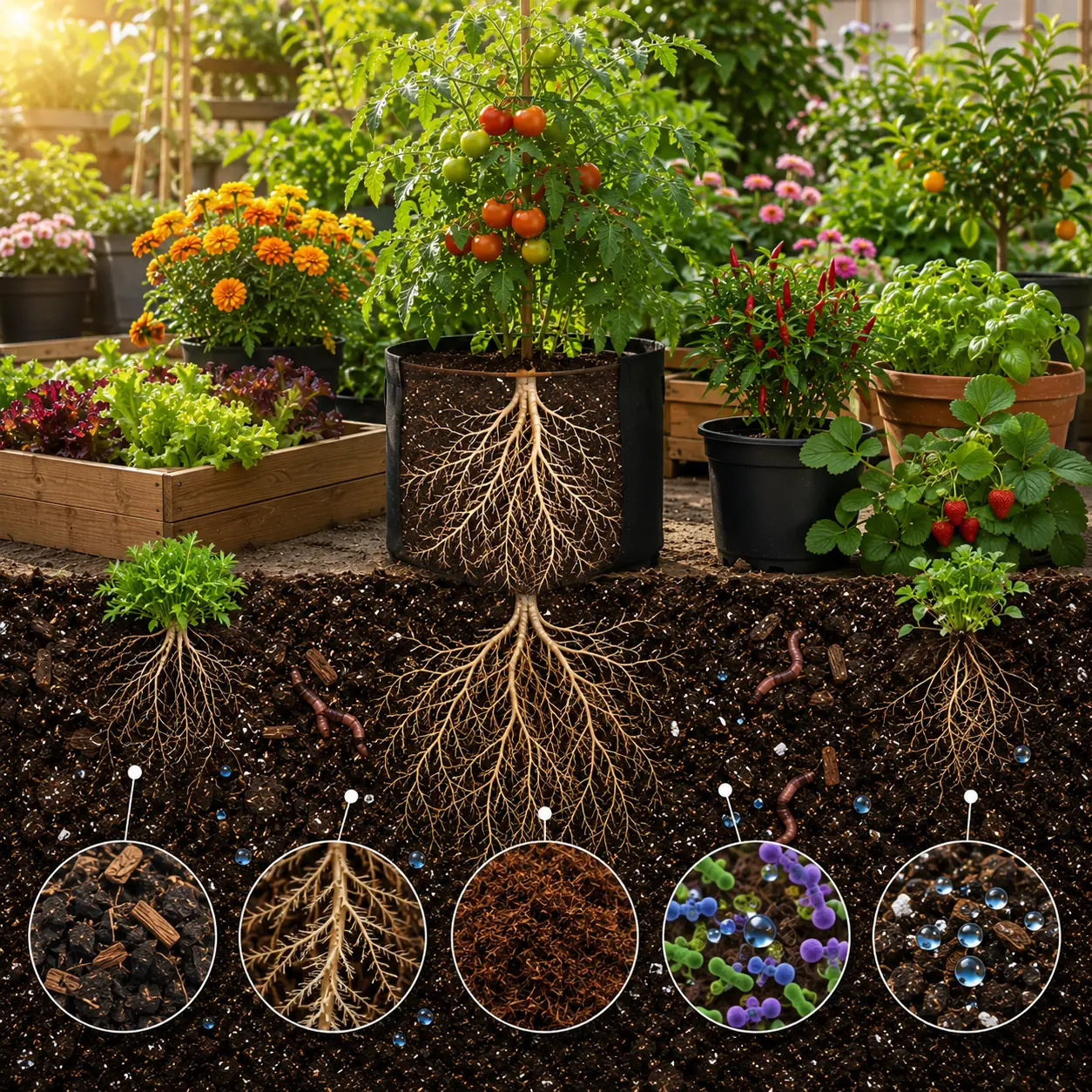
Organic Potting Soil Mix
Provides nutrients, structure, and healthy growing conditions for container plants.
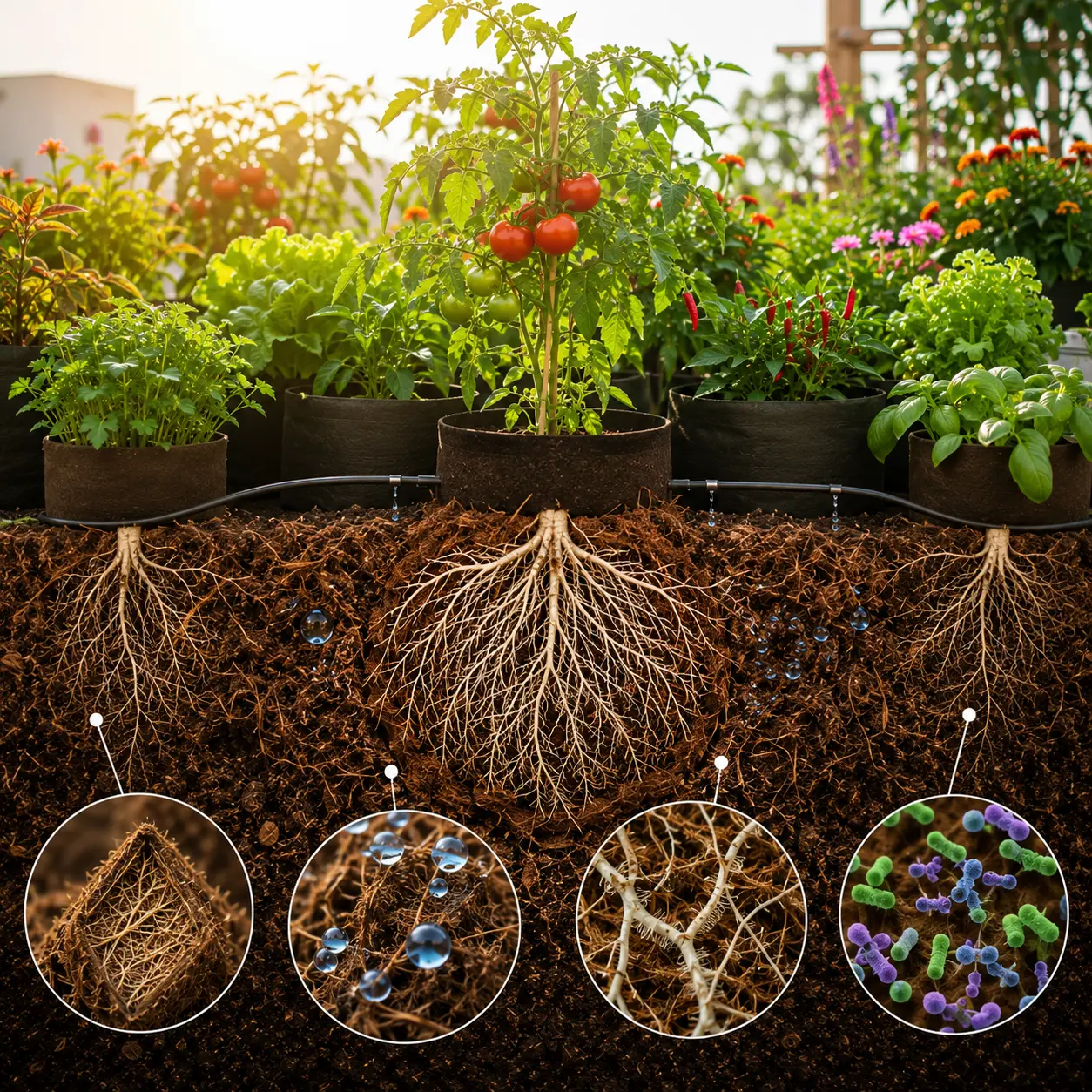
Coco Peat Growing Medium
Enhances moisture retention while maintaining excellent root-zone aeration.

Grow Bags for Plants
Improve drainage, root aeration, and vegetable production in limited spaces.

Plastic Pots for Plants
Ideal containers for seedlings, ornamentals, herbs, and balcony gardens.
At a Glance
| Detail | Information |
|---|---|
| Scientific name | Cucurbita moschata (most common in India), C. maxima, C. pepo |
| Family | Cucurbitaceae (gourd family) |
| Type | Annual creeping or climbing vine |
| Origin | Central America and South America |
| Introduced to India | Circa 16th century CE via Portuguese trade routes |
| Regional names | Kaddu (Hindi/Urdu), Kumro (Bengali), Mathanga (Malayalam), Parangi Kkai (Tamil), Lal Bhopla (Marathi), Sihi Kumbalakayi (Kannada), Gummadi Kaya (Telugu) |
| Common uses | Vegetable, dessert (halwa), traditional medicine, seeds as snack |
| IUCN status | Not threatened; widely cultivated globally |
What the Plant Looks Like
Pumpkin is a vigorous annual vine that spreads rapidly along the ground or climbs given support. Stems are thick, hollow, and covered in stiff hairs that can irritate skin — a fact worth knowing before handling.
Leaves are large, rough-textured, and lobed — sometimes as wide as 30–40 cm. Tendrils emerge at intervals along the vine and coil around anything they contact, which is how the plant climbs trellises and boundary walls.
Flowers are bright yellow, funnel-shaped, and large enough to be conspicuous. Male flowers appear on straight stems; female flowers sit on slightly swollen bases that become the fruit if pollinated. Both open in the early morning and close by mid-morning.
Fruit size and colour vary considerably by species and variety: from small, round, cream-coloured types to enormous flat-bottomed orange or grey-blue pumpkins weighing 5–10 kg or more.
Three Species Grown in India
Cucurbita moschata — The most widely grown species in India. Produces medium to large, ribbed fruit with dense orange-yellow flesh and excellent shelf life. This is the kaddu sold in most Indian markets. Highly tolerant of warm, humid conditions, making it well-suited to India’s tropical and subtropical climate.
Cucurbita maxima — Grown mainly in East and North India. Produces larger, rounder fruit, often with grey-blue or deep orange skin. Bengali kumro and many Himalayan foothill varieties belong to this species. Prefers slightly cooler conditions than C. moschata.
Cucurbita pepo — Includes wide international pumpkin and squash varieties. Less common in traditional Indian cultivation but gaining ground in urban kitchen gardens, particularly compact or ornamental types.
Where It Grows in India
Pumpkin is one of the few vegetable crops grown in every state of India. It tolerates a wide range of conditions and is cultivated commercially and domestically across virtually all agro-climatic zones.
Major producing states: Uttar Pradesh, Bihar, West Bengal, Madhya Pradesh, Odisha, Maharashtra, Karnataka, and Assam lead in commercial cultivation.
West Bengal and Northeast India have a particularly strong tradition of pumpkin cultivation, and the crop holds cultural importance — kumro is associated with auspicious occasions in Bengali households.
The Indo-Gangetic plains (UP, Bihar, MP) produce some of the largest volumes, often grown along riverbanks (diara cultivation) where alluvial soil provides excellent natural fertility.
Hilly regions of Uttarakhand, Himachal Pradesh, and the Northeast grow C. maxima varieties that perform well in cooler temperatures at moderate altitudes.
Botanical Classification
Pumpkin belongs to the family Cucurbitaceae — the gourd family — which also includes cucumber, bottle gourd, bitter gourd, ridge gourd, watermelon, and muskmelon.
Within this family, Cucurbita is the genus, and the distinction between pumpkin, squash, and gourd is largely culinary and regional rather than strictly botanical. In Indian botanical and agricultural usage, kaddu most commonly refers to C. moschata and C. maxima, while the term squash is used more in English-language horticultural contexts.
Origin and History in India
Pumpkins are native to Central and South America, where wild ancestors of the cultivated species have been found in archaeological sites dating back over 8,000 years.
They arrived in India during the Columbian Exchange — the global movement of plants, animals, and crops that followed European contact with the Americas in the late 15th and early 16th centuries. Portuguese traders, who controlled several Indian coastal ports during this period, are the most likely vector.
By the 18th century, pumpkin cultivation was well-documented across the subcontinent. It integrated smoothly into Indian agriculture because its growing requirements — warmth, humidity, open ground — matched large parts of the Indian subcontinent well.
Cultural and Traditional Significance
In Hindu dietary tradition, pumpkin (kaddu) is classified as a sattvic food — considered pure, light, and suitable for spiritual practice. It is commonly eaten during Ekadashi and other fasting observances when certain vegetables (particularly those grown underground) are prohibited.
In many Bengali Hindu households, kumro is used in preparations associated with Durga Puja and other significant rituals. The large, intact fruit is sometimes offered as a symbolic substitute in rituals that once used animal sacrifice — a tradition that reflects both the cultural weight of the vegetable and the influence of reform movements within Bengali Vaishnavism.
Pumpkin is also associated with Kushmanda — a form of the goddess Durga in Hindu tradition—, and this connection lends the vegetable a specific sacred resonance in certain communities.
The name Sitaphal, used in some parts of North and West India for pumpkin, reflects a folk etymology connecting the vegetable to Sita from the Ramayana — though this name is also applied to custard apple in other regions, causing occasional confusion.
Is It Easy to Grow?
Yes — pumpkin is genuinely easy to grow across most of India. It germinates quickly in warm soil, grows fast with minimal intervention, and produces generously even in ordinary garden conditions. The main requirements are full sun, adequate space for the vines, and consistent moisture during fruiting. It is suitable for all Indian states and can be grown on the ground, over rooftops, or on trellises. The only real challenge is space: in very small urban gardens or balconies, full-sized varieties are impractical, though compact varieties can work in large containers.
Frequently Asked Questions
Is pumpkin the same as kaddu and lal bhopla?
Yes, in most contexts. Kaddu (Hindi) and lal bhopla (Marathi) both refer to the common pumpkin, typically Cucurbita moschata. Regional variety differences exist, but the plant and its uses are the same.
Are pumpkin leaves and flowers edible?
Yes. Young leaves are cooked as a vegetable in several parts of India, and pumpkin flowers are eaten stuffed or fried in various regional cuisines.
Can pumpkin be grown in pots?
Full-sized varieties need too much space for typical pots. Compact or bush varieties can be grown in containers of 50 litres or more, but the yield will be significantly lower than ground planting.
The kaddu’s journey — from the forests of Central America to the rooftops and kitchen gardens of every Indian state — is one of the quieter success stories of agricultural history. It arrived as a foreign crop and became, in a few centuries, as Indian as the monsoon.


