

Throughout human history, plants have played a role far beyond providing food, shelter, or medicine. Across different cultures and civilizations, certain plants have been revered, respected, and even worshipped due to their symbolic meanings, ecological importance, or association with spiritual and cultural traditions. These practices developed over centuries, often rooted in observation, survival, and the close relationship between humans and nature.
The worship of plants does not always imply religious devotion in a strict sense. In many cases, it reflects cultural values, respect for life, and recognition of the vital role plants play in sustaining ecosystems and communities. From ancient civilizations to modern traditions, plants continue to hold symbolic and ceremonial importance across the world.
This article explores some of the most widely worshipped and culturally significant plants across different regions, highlighting their historical and cultural relevance while maintaining a neutral, informational perspective.
Why Are Plants Worshipped?
Plants have been revered for several interconnected reasons:
- Longevity and resilience, symbolizing life and continuity
- Ecological importance, such as providing shade, oxygen, or food
- Medicinal and practical uses, observed over generations
- Association with myths, legends, or historical events
- Cultural symbolism, representing purity, strength, prosperity, or wisdom
In many traditional societies, respecting plants was also a way of promoting environmental conservation, long before modern ecological concepts existed.

Tulsi (Holy Basil) – India
Tulsi (Ocimum tenuiflorum), commonly known as Holy Basil, holds a central place in Indian culture and tradition. It is often grown in household courtyards and temple premises, where it is treated with great reverence.
Historically, Tulsi has been associated with daily rituals, seasonal observances, and household traditions. Beyond cultural practices, Tulsi has been valued for its aromatic leaves and long-standing use in traditional wellness systems.
From a botanical perspective, Tulsi is a hardy plant that adapts well to tropical climates and requires minimal care, which may have contributed to its widespread presence in homes and villages.
For botanical characteristics, growth habits, and care details, Tulsi is documented separately in the Plants Info Plant Database.
Banyan Tree – Indian Subcontinent
The Banyan tree (Ficus benghalensis) is another plant deeply embedded in cultural traditions. Known for its extensive aerial roots and expansive canopy, the Banyan tree often becomes a central feature of villages and communal areas.
Culturally, the Banyan tree has been associated with longevity, shelter, and stability. Its ability to spread over large areas and regenerate through aerial roots has made it a symbol of continuity and resilience.
Historically, Banyan trees served as meeting places, resting spots, and landmarks, further reinforcing their importance in community life.

Bodhi Tree – South and Southeast Asia
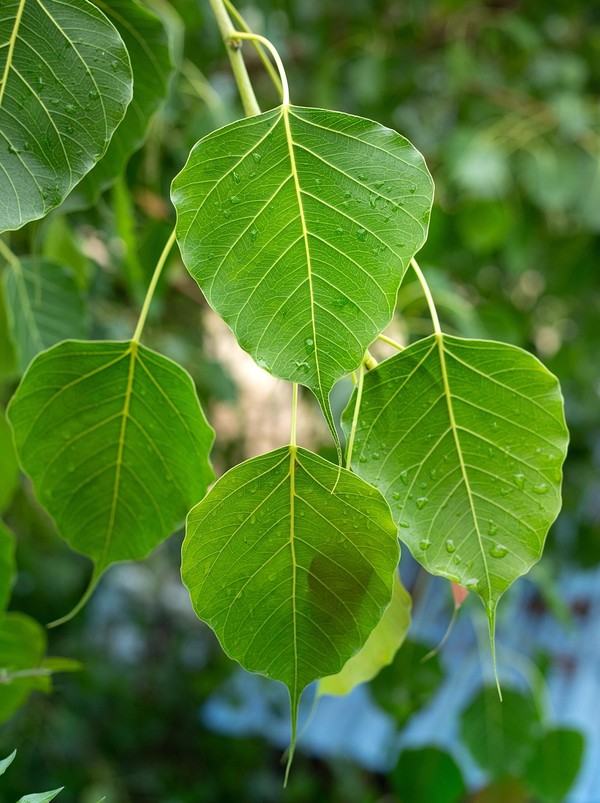
The Bodhi tree (Ficus religiosa), also known as the Sacred Fig, holds deep cultural and philosophical significance across South and Southeast Asia. It is traditionally associated with learning, reflection, and enlightenment and is often found near temples, monasteries, and places of study.
Historically, the Bodhi tree has been preserved and respected due to its symbolic association with wisdom and awareness. Beyond its cultural role, the tree is ecologically important, providing shade and supporting local biodiversity. Its long lifespan and resilience have further contributed to its reverence across generations.
Baobab Tree – Africa
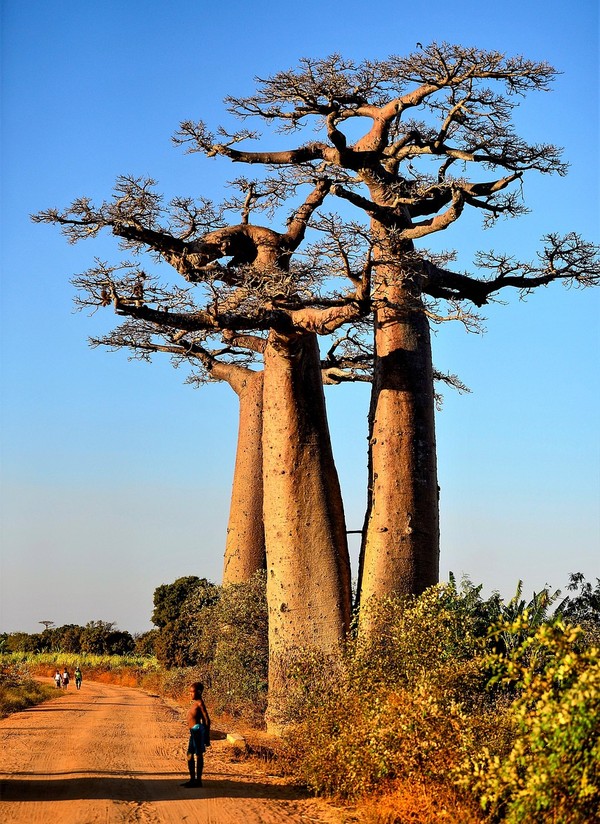
The Baobab tree (Adansonia spp.) is one of the most iconic and culturally significant trees in Africa. Known for its massive trunk and exceptional longevity, the baobab has been associated with life, sustenance, and community identity.
Baobab trees often serve as gathering points in villages and are deeply embedded in local traditions and folklore. Their ability to store water and survive harsh conditions has made them symbols of resilience and adaptation in challenging environments.
Lotus – Asia
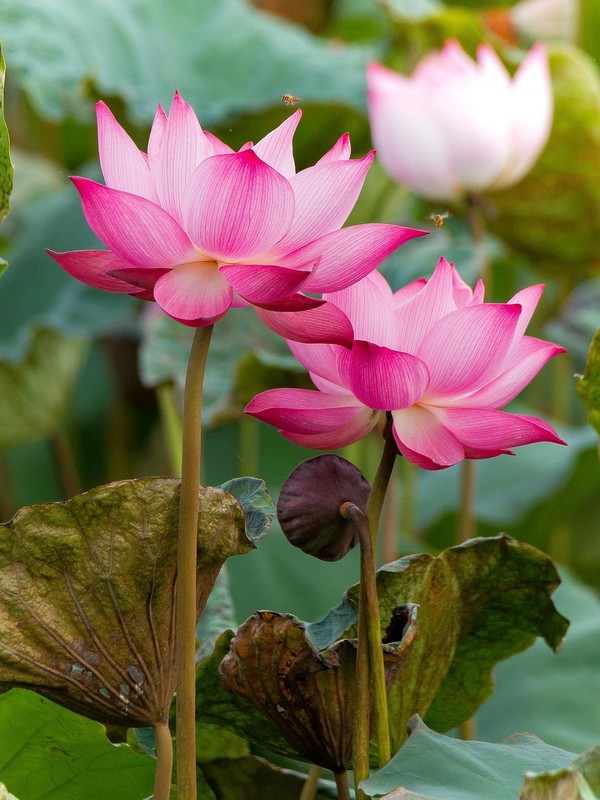
The Lotus (Nelumbo nucifera) is one of the most symbolically rich plants across Asian cultures. It is often associated with purity, renewal, and balance due to its unique ability to grow in muddy water while producing clean, elegant flowers.
The lotus appears extensively in art, architecture, literature, and cultural symbolism across countries such as India, China, Japan, and Southeast Asian nations.
Botanically, the lotus is an aquatic perennial with remarkable adaptations that allow it to thrive in waterlogged environments. Its seeds are known for their longevity, further adding to its symbolic value.
Olive Tree – Mediterranean Region
The Olive tree (Olea europaea) holds deep cultural and historical significance across the Mediterranean region. For thousands of years, olive trees have been associated with peace, prosperity, and endurance.
Ancient civilizations valued olive trees for their fruit and oil, which played essential roles in food, trade, and daily life. Due to their slow growth and long lifespan, olive trees became symbols of stability and continuity.
Many ancient olive trees still exist today, highlighting their resilience and reinforcing their cultural symbolism.


Cedar Tree – Middle East
Cedar trees, particularly the Cedar of Lebanon (Cedrus libani), have been historically revered in the Middle East. These trees were valued for their durable wood and majestic appearance.
Cedar wood was widely used in ancient construction, ships, and temples. Over time, the cedar became a symbol of strength and permanence, often referenced in historical records and cultural narratives.
The reverence for cedar trees also contributed to early conservation efforts in certain regions.
Ceiba Tree – Central and South America
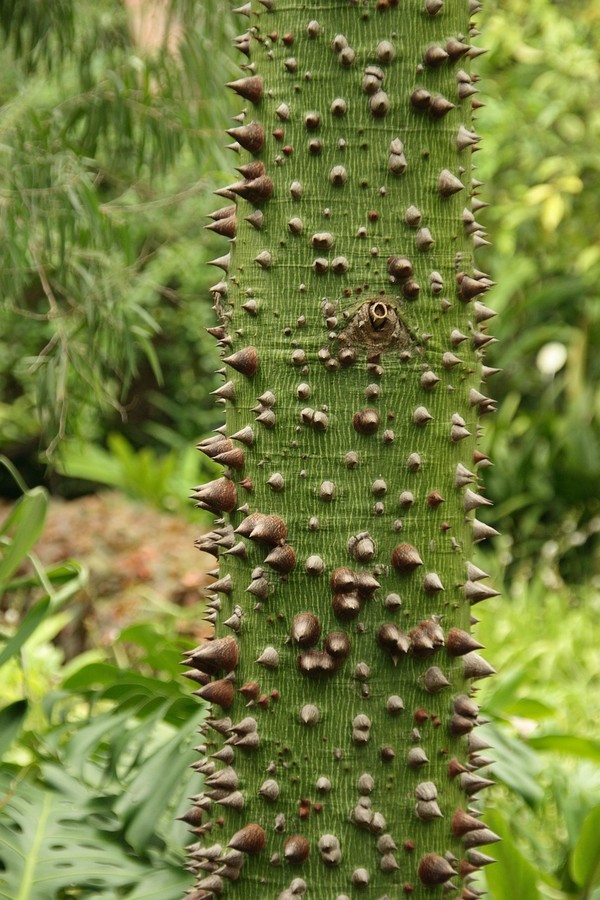
The Ceiba tree (Ceiba pentandra), sometimes called the Kapok tree, is culturally significant in several Indigenous traditions of Central and South America. It has often been regarded as a symbolic connector between different realms of existence, reflecting its towering height and expansive canopy.
Ceiba trees are among the largest and most visually striking trees in tropical regions. Their presence in myths and oral traditions highlights the close relationship between Indigenous cultures and their natural environment, where large trees often served as landmarks, gathering points, and symbols of continuity.
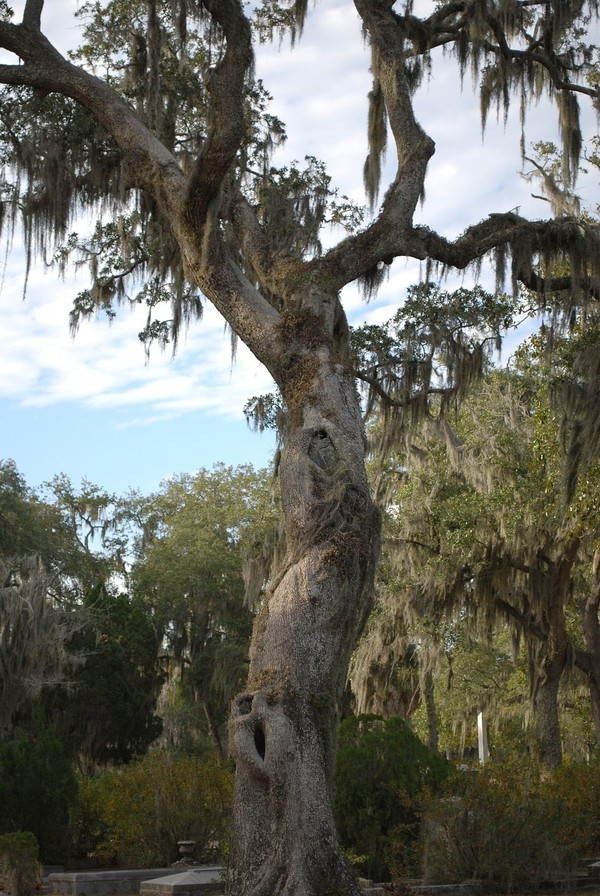
Oak Tree – Europe and Parts of Asia
The Oak tree (Quercus spp.) has been revered across various European cultures for centuries. Historically, oak trees were associated with strength, endurance, and protection, largely due to their sturdy wood and long lifespan.
In many regions, ancient oak trees were preserved as community landmarks and meeting places. Their cultural importance often contributed to early forms of tree protection, ensuring that mature oaks remained part of the landscape for generations.
Cultural Respect and Environmental Awareness
One common thread among worshipped plants is protection through respect. Cultural reverence often resulted in:
- Preservation of old trees
- Sustainable harvesting practices
- Community-driven conservation
In many cases, spiritual or cultural respect ensured that certain plants were not cut down or exploited excessively, indirectly supporting environmental balance.
Plants as Cultural Bridges
Worshipped plants serve as cultural bridges between generations. They carry stories, traditions, and shared values that connect people to their history and environment. Even in modern times, these plants remain symbols of identity and continuity in many societies.
Understanding the cultural significance of plants helps deepen appreciation for biodiversity and highlights the interconnected relationship between humans and nature.
Conclusion
Across cultures and civilizations, plants have been more than biological entities. They have served as symbols of life, resilience, purity, and connection to nature. The reverence shown toward certain plants reflects humanity’s long-standing dependence on and respect for the natural world.
While practices and beliefs vary across regions, the underlying theme remains consistent: plants are vital to human survival, culture, and history. Exploring these cultural associations adds depth to our understanding of plants and reinforces the importance of preserving them for future generations.
