Complete Amla Plant (Phyllanthus emblica L.) Guides
Problems & Diseases
Flowering Season
Introduction
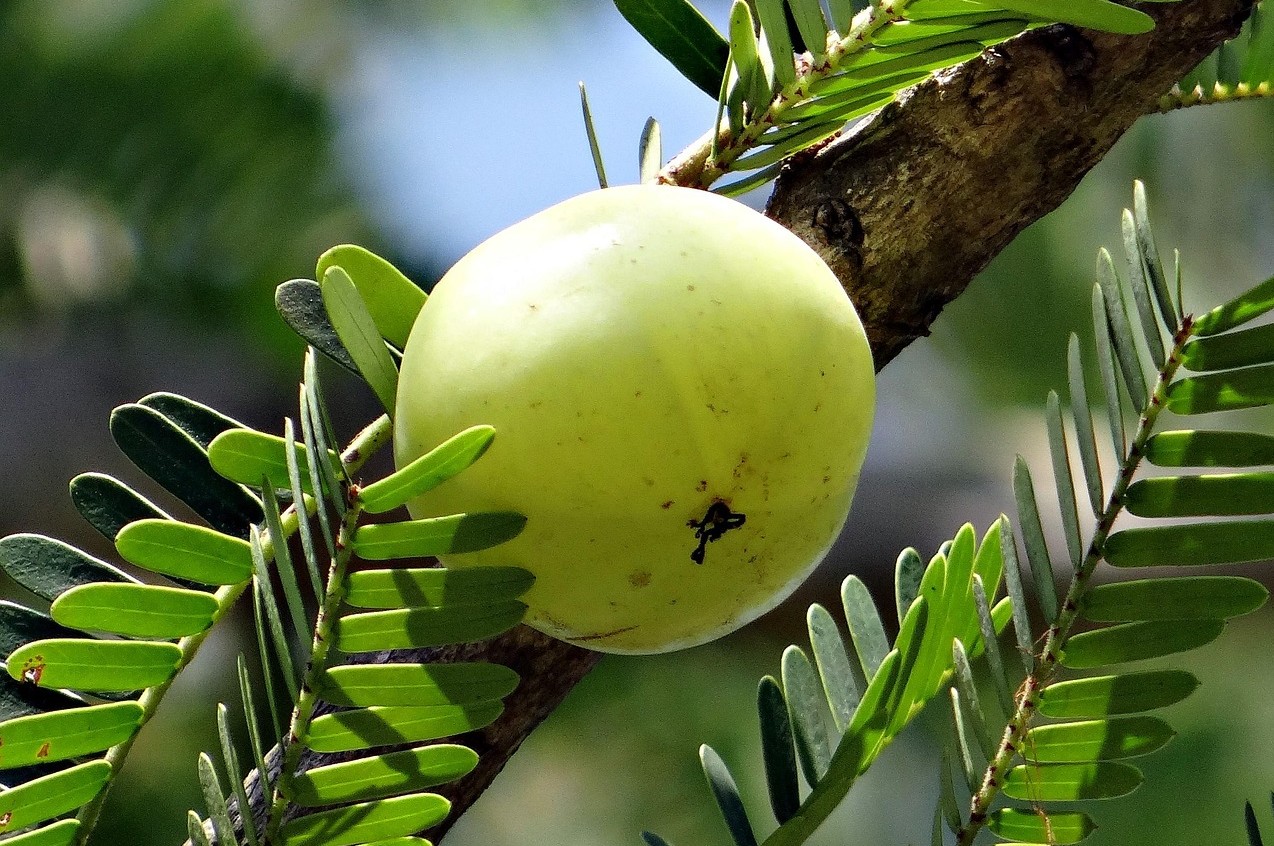
Phyllanthus emblica L., commonly known as amla or Indian gooseberry, is a deciduous tree in the family Phyllanthaceae. It is native to tropical and subtropical regions of southern and southeastern Asia and is distinguished by its nearly spherical, pale green to yellowish fruits, which are valued for their high vitamin C content and long-standing medicinal importance. The accepted scientific name is Phyllanthus emblica L., while Emblica officinalis Gaertn. remains a widely encountered historical synonym in older botanical and pharmacognostic literature.
Classification
- Plant Type
- Tree
- Lifecycle
- Perennial
- Leaf Habit
- Deciduous
- Native Region
- Indian Subcontinent, Southeast Asia
- Plant Family
- Phyllanthaceae
Within its native range, the species occurs in a variety of deciduous forests and other seasonally dry habitats, contributing to local ecosystem structure and providing fruits consumed by wildlife. Its broad ecological amplitude and natural distribution have facilitated both wild persistence and extensive cultivation across Asia.
Amla has been cultivated for centuries for its edible fruits and extensive use in traditional medical systems, particularly Ayurveda. It is also cultivated commercially for food, nutraceutical, and pharmaceutical applications. Although assessed globally as Least Concern, sustainable management remains important where local harvesting pressure or habitat modification affects wild populations. This profile presents the species identity, nomenclature, and taxonomic foundation for subsequent sections.
Identity
Quick Plant Information
| Field | Value |
|---|---|
| Accepted Name | Phyllanthus emblica L. |
| Botanical Authority | Carl Linnaeus, Species Plantarum (1753) |
| Family | Phyllanthaceae |
| Common Name(s) | Amla, Indian gooseberry, Emblic myrobalan |
| Life Form | Deciduous tree |
| Native Range | Tropical and subtropical South and Southeast Asia |
| Conservation Status | Least Concern (IUCN) |
| Primary Uses Category | Food, traditional medicine, nutraceutical |
Classification and Taxonomy
| Rank | Taxon |
|---|---|
| Kingdom | Plantae |
| Clade | Tracheophyta |
| Clade | Angiosperms |
| Clade | Eudicots |
| Clade | Rosids |
| Order | Malpighiales |
| Family | Phyllanthaceae |
| Genus | Phyllanthus |
| Species | Phyllanthus emblica L. |
No formally recognised infraspecific rank is accepted for the taxon by the principal modern taxonomic authorities consulted.
Related Species of Significance
| Species | Relationship | Distinguishing Note |
|---|---|---|
| Phyllanthus indofischeri | Closely related species | Morphologically similar and geographically restricted; distinct from the widespread P. emblica. |
| Phyllanthus acidus | Congener frequently confused by common name | Cultivated for edible fruit but readily distinguished by its deeply ribbed fruits and different growth habit. |
Taxonomic Context
The principal nomenclatural consideration for this species is the continued use of Emblica officinalis Gaertn. in older botanical, pharmacognostic, and Ayurvedic literature. Researchers conducting historical literature reviews should search both names to avoid overlooking relevant publications. Modern taxonomic authorities, however, accept Phyllanthus emblica L. as the current name.
Cytogenetics
| Parameter | Value | Source |
|---|---|---|
| Chromosome Number | 2n = 28 | Published cytogenetic literature |
Cytogenetic Note: Species-specific chromosome counts have been reported in the botanical literature. However, comprehensive species-specific data on ploidy variation and genome size are comparatively limited and should be verified from primary cytogenetic studies before inclusion in later technical sections.
Scientific Stability and Nomenclature
Phyllanthus emblica L. is the currently accepted scientific name established by Linnaeus in Species Plantarum (1753). The historical name Emblica officinalis Gaertn. was widely adopted in earlier botanical and medicinal literature and remains common in pharmacognostic references. Modern taxonomic treatments have placed the species within the genus Phyllanthus, requiring researchers consulting historical sources to recognise both names as referring to the same taxon.
Form
Growth Habit and Architecture
Phyllanthus emblica develops as a small to medium-sized deciduous tree with a rounded to irregular crown supported by a sturdy trunk and numerous branchlets. Its characteristic short lateral branchlets, densely clothed with small distichous leaves, give the appearance of pinnately compound foliage and are among the species’ most recognizable architectural features. This growth form provides an easily identifiable field silhouette while supporting seasonal leaf and reproductive development on specialized shoots.
| Field | Value |
|---|---|
| Life Form | Deciduous tree |
| Mature Height | 3–8(–23) m reported across its native range |
| Canopy Spread | Not documented consistently in species-specific literature |
| Stem Type | Single-trunked woody tree |
| Bark / Surface Texture | Brownish to grey, relatively smooth to finely fissured with age |
| Branching Pattern | Numerous slender lateral branchlets borne from persistent shoots |
| Root Morphology Overview | Well-developed woody root system with a dominant structural root axis and lateral roots |
| Growth Rate | Moderate |
| Longevity | Long-lived perennial |
| Distinguishing Architectural Feature | Leaf-bearing deciduous branchlets resembling pinnate leaves |
Stem
The stem provides mechanical support for the spreading crown while producing specialized lateral shoots that bear both foliage and reproductive structures. The contrast between the persistent main branches and the deciduous leafy branchlets is a useful diagnostic feature during field identification.
| Field | Value |
|---|---|
| Stem Type | Woody, erect trunk |
| Cross-section Shape | Terete (cylindrical) |
| Mature Diameter | Up to approximately 50 cm DBH reported |
| Surface Texture | Smooth to slightly fissured with age |
| Young Stem Colour | Tawny green to light brown |
| Mature Stem Colour | Grey-brown |
| Internode Length | Variable; short on leafy branchlets |
| Thorn / Spine / Wing Status | Absent |
| Internal Structure | Secondary woody stem with normal dicotyledonous growth |
Leaves
The numerous, closely arranged leaves create the visual impression of compound foliage although each leaf is simple. Their small size and regular arrangement are among the most reliable diagnostic characters when the tree is in leaf.
| Field | Value |
|---|---|
| Presence | Deciduous |
| Leaf Type | Simple |
| Size | Approximately 8–23 × 1.5–6 mm |
| Colour | Green above, paler beneath |
| Arrangement | Alternate, closely distichous |
| Special Features | Linear-oblong blades giving branchlets a pinnate appearance |
Flowers
The flowers are small, inconspicuous, and borne in axillary fascicles. Sexual dimorphism between staminate and pistillate flowers is evident, but both remain morphologically modest, reflecting a reproductive strategy that relies on numerous small flowers rather than showy floral displays.
| Field | Value |
|---|---|
| Inflorescence Type | Axillary fascicles |
| Flower Diameter/Length | Approximately 1.2–2.5 mm (perianth) |
| Sepals | Six |
| Petals | Absent |
| Stamens | Three |
| Pistil | Three styles arising from a three-celled ovary |
| Fragrance | Not documented in available literature |
| Anthesis | Mainly April–June within the native range |
| Primary Pollinator Type | Insect |
Fruit
| Field | Value |
|---|---|
| Fruit Type | Drupe |
| Shape | Globose to depressed-globose |
| Diameter | Approximately 1–3 cm (reported across floras) |
| Skin Colour | Pale green to yellowish-green at maturity |
| Surface Features | Smooth with six shallow vertical furrows |
| Flesh Colour/Texture | Pale green, firm and fleshy |
| Seed Count | Six seeds enclosed within a hard, six-ridged stone |
| Maturation Period | Generally July–September in the native range |
Seeds
| Field | Value |
|---|---|
| Size | Approximately 4–6 mm long |
| Shape | Trigonous to plano-convex |
| Colour | Reddish-brown to dark brown |
| Seed Coat | Smooth, hard |
Root System
The species develops a robust woody root system that provides strong anchorage for mature trees. The principal root axis gives rise to extensive lateral roots that stabilize the tree and support long-term growth. Root morphology is typical of a perennial woody tree, although detailed quantitative descriptions remain limited in species-specific literature.
Field Identification
A mature tree is readily recognised by its slender deciduous branchlets bearing numerous closely spaced, simple leaves that resemble pinnate foliage, together with smooth, pale green to yellowish, nearly spherical fruits marked by six longitudinal furrows.
Best distinguishing feature: The combination of pinnate-like leafy branchlets and smooth, six-furrowed fruits is highly diagnostic.
Normal vs. Concerning Observations
| Observation | Status | Notes |
|---|---|---|
| Seasonal leaf fall before new growth | Normal | Characteristic of the deciduous growth cycle. |
| Abundant production of leafy branchlets | Normal | Typical architectural feature. |
| Sparse flowering or fruiting on mature trees | Monitor | May vary with season, tree age or environmental conditions. |
| Extensive branch dieback or trunk decay | Investigate | Not considered a normal feature of healthy individuals. |
Cultivar Summary
| Cultivar | Key Characteristic | Commercial Status | Origin |
|---|---|---|---|
| Banarasi | Large fruit | Regionally significant | India |
| Chakaiya | Heavy bearing; processing quality | Commercially dominant | India |
| Francis | Large fruit; dessert quality | Regionally significant | India |
| Kanchan | Medium-sized fruit; regular production | Regionally significant | India |
| NA-7 | Improved yield and fruit quality | Commercially dominant | India |
| NA-10 | High pulp percentage | Commercially dominant | India |
Physiology and Phytochemistry
Functional Traits
Phyllanthus emblica exhibits a physiological strategy adapted to seasonally dry tropical and subtropical environments. As a deciduous tree, it synchronizes vegetative growth, flowering, and fruit development with seasonal moisture availability, reducing water demand during unfavourable periods. This coordinated strategy combines seasonal leaf phenology, conservative water use, woody perennial growth, and extensive secondary metabolite production, enabling persistence across a broad ecological range. Species-specific studies also indicate that the fruit serves as the principal reservoir of hydrolysable tannins and other phenolic constituents, reflecting both ecological defence and chemotaxonomic specialization.
| Trait | Mechanism Description | Ecological Context |
|---|---|---|
| Photosynthetic pathway | C3 photosynthesis using atmospheric CO₂ fixation through the Calvin cycle | Typical of tropical deciduous woody angiosperms growing under seasonal climates. (PubMed Central (PMC)) |
| Water-use strategy | Seasonal leaf abscission reduces transpiring surface during dry periods, while renewed foliage develops with favourable moisture conditions | Adaptation to monsoonal and seasonally dry habitats. (PubMed Central (PMC)) |
| Growth-form strategy | Woody perennial architecture allows long-term storage of structural resources and repeated seasonal growth cycles | Supports persistence over many decades in natural and cultivated habitats. (PubMed Central (PMC)) |
| Reproductive strategy | Resource allocation is concentrated into seasonal flowering and fleshy fruit production | Facilitates successful seed production under seasonal climatic regimes. (PubMed Central (PMC)) |
| Dispersal mechanism | Fleshy fruits promote vertebrate-mediated seed dispersal | Enhances dispersal beyond the parent canopy. (PubMed Central (PMC)) |
| Stress-response mechanism | Accumulation of phenolic metabolites contributes to protection against oxidative stress associated with environmental challenges | Particularly evident in fruit tissues rich in hydrolysable tannins. |
| Chemical defence | High concentrations of hydrolysable tannins reduce tissue palatability and contribute to defence against herbivores and pathogens | Most pronounced in the fruits. |
Physiological Integration
The available literature supports a coordinated relationship between seasonal deciduousness, perennial woody growth, and substantial investment in phenolic secondary metabolites. Seasonal leaf loss decreases water demand during unfavourable periods, while the accumulation of hydrolysable tannins and related phenolics provides chemical protection to reproductive tissues. Direct species-specific studies describing interactions among multiple physiological processes remain comparatively limited; therefore, broader mechanistic networks cannot presently be established with confidence.
Phytochemistry
Phyllanthus emblica is among the most extensively characterised species within the genus from a phytochemical perspective. The fruit has received the greatest research attention and contains abundant hydrolysable tannins together with phenolic acids, flavonoids, organic acids and additional secondary metabolites. Leaves, bark and roots also contain characteristic phenolic constituents, although these organs remain substantially less investigated than the fruit. Current evidence therefore reflects a strong research emphasis on fruit chemistry rather than equivalent characterisation across all organs.
| Compound Class | Representative Compounds | Primary Location | Ecological or Biological Function |
|---|---|---|---|
| Hydrolysable tannins | Emblicanin A, Emblicanin B, Punigluconin, Pedunculagin, Chebulagic acid, Corilagin | Fruit | Chemical defence; antioxidant protection of reproductive tissues. |
| Phenolic acids | Gallic acid, Ellagic acid, Methyl gallate | Fruit; leaves | Defence against oxidative stress and herbivory. (PubMed Central (PMC)) |
| Flavonoids | Kaempferol, Rutin, Quercetin derivatives | Leaves; fruit | UV protection and antioxidant functions. (Frontiers) |
| Terpenoids / Triterpenoids | Lupeol | Roots; aerial tissues | Structural and defensive secondary metabolism. (Frontiers) |
| Organic acids | Ascorbic acid, Citric acid | Fruit | Physiological metabolism and fruit biochemical function. (PubMed) |
Phytochemical Organ Distribution
| Organ | Compound Class | Representative Compounds | Concentration | Source |
|---|---|---|---|---|
| Fruit | Hydrolysable tannins | Emblicanin A, Emblicanin B, Pedunculagin | Varies among cultivars and ripening stages | Yang & Liu (2014). |
| Fruit | Phenolic acids | Gallic acid, Ellagic acid | Reported; quantitative values vary among studies | Food Chemistry review. (PubMed) |
| Leaves | Flavonoids | Kaempferol, Rutin | Not documented in available literature | (Frontiers) |
| Leaves | Phenolic acids | Gallic acid, Ellagic acid | Not documented in available literature | (Frontiers) |
| Bark | Proanthocyanidins | Leucodelphinidin-containing tannins | Not documented in available literature | (Frontiers) |
| Roots | Triterpenoids | Lupeol | Not documented in available literature | (Frontiers) |
Phytochemical Significance
Hydrolysable tannins constitute the dominant and most thoroughly characterised phytochemical group in Phyllanthus emblica, with emblicanins A and B serving as characteristic marker compounds. Phenolic acids and flavonoids provide additional chemotaxonomic value and contribute substantially to the species’ secondary metabolite profile. Research is strongly concentrated on fruit tissues, particularly investigations of hydrolysable tannins and associated phenolics, whereas leaves, bark and roots have received comparatively less comprehensive phytochemical characterisation. Although numerous compound classes have been identified, organ-specific quantitative distribution and interactions among metabolite groups remain incompletely resolved for many tissues.
Evidence, Nutrition, Soil Ecology, and Safety
Evidence Hierarchy for Medicinal Use
| Evidence Layer | Status | Notes |
|---|---|---|
| Traditional Use | Documented | Extensively documented in Ayurveda, Siddha, Traditional Chinese Medicine and other Asian traditional medical systems. (PubMed) |
| Nutritional Evidence | Documented | Species-specific nutritional composition has been extensively characterised in peer-reviewed studies. (PubMed) |
| In Vitro Studies | Documented | Numerous in vitro investigations have evaluated biological activities of extracts and isolated constituents. (PubMed) |
| Animal Studies | Documented | Multiple experimental animal studies have been reported across diverse biological models. (ScienceDirect) |
| Human Clinical Studies | Partial | Human clinical investigations exist but remain fewer and generally less comprehensive than preclinical evidence. (PubMed) |
| Regulatory Recognition | Partial | Recognised as both a medicinal plant and food ingredient in several jurisdictions; broad therapeutic regulatory approval is not established. (PubMed) |
| Unsupported Commercial Claims | Documented | Numerous commercial claims exceed the available clinical evidence, particularly for disease prevention and treatment. (ScienceDirect) |
Evidence Assessment
Traditional medicinal use of Phyllanthus emblica is extensive and spans multiple medical systems. This is supported by substantial in vitro and animal research investigating diverse biological activities. Human clinical evidence is expanding but remains comparatively limited, with many studies involving small cohorts, heterogeneous preparations, or variable study quality. Consequently, several commercially promoted therapeutic claims currently exceed the strength of available clinical evidence.
Nutritional Composition
| Nutrient | Value per 100 g | Notes | Source |
|---|---|---|---|
| Energy | ~44 kcal | Fresh fruit | Food composition studies (PubMed) |
| Carbohydrates | ~10–11 g | Fresh edible portion | Food composition studies (PubMed) |
| Dietary Fibre | ~4.3 g | Fresh fruit | Food composition studies (PubMed) |
| Protein | ~0.9 g | Fresh fruit | Food composition studies (PubMed) |
| Fat | ~0.6 g | Fresh fruit | Food composition studies (PubMed) |
| Vitamin C | Approximately 250–700 mg | Considerable variation among cultivars, maturity and analytical methods | (PubMed) |
| Calcium | ~25 mg | Fresh fruit | Food composition studies (PubMed) |
| Phosphorus | ~20 mg | Fresh fruit | Food composition studies (PubMed) |
| Iron | ~0.3 mg | Fresh fruit | Food composition studies (PubMed) |
Nutritional Significance
The fruit is distinguished primarily by its exceptionally high vitamin C concentration together with abundant polyphenols and dietary fibre. Nutrient composition varies among cultivars, growing environments and processing methods. Drying and thermal processing may reduce vitamin C content while many polyphenolic constituents remain comparatively stable. Published information describing nutritional differences between wild and cultivated populations or among ecotypes remains limited. (PubMed)
Soil Ecology and Mycorrhizal Associations
Species-specific information on the soil biology of Phyllanthus emblica is comparatively limited. Available evidence indicates association with arbuscular mycorrhizal (AM) fungi, although detailed characterization of fungal communities, rhizosphere bacteria, and their functional interactions remains incomplete. Published species-specific evidence for allelopathy is limited, and comprehensive studies describing rhizosphere microbial composition are lacking. Current knowledge therefore supports only a summary-level treatment of soil ecology for this species.
Toxicity and Safety
| Subject | Toxic Compounds | Clinical Effects | Source |
|---|---|---|---|
| Humans | No verified intrinsic toxic compounds identified in normal dietary use | Available toxicological studies report good safety at investigated doses; excessive medicinal use should be medically supervised. | (ScienceDirect) |
| Cats | No verified toxicity data identified during current audit. | No verified species-specific veterinary evidence identified. | (PubMed Central (PMC)) |
| Dogs | No verified toxicity data identified during current audit. | No verified species-specific veterinary evidence identified. | (PubMed Central (PMC)) |
| Livestock | No verified toxicity data identified during current audit. | No verified species-specific livestock toxicity evidence identified. | (PubMed Central (PMC)) |
Toxicity Context
Available evidence indicates a favourable safety profile for edible fruit and experimentally evaluated extracts when used within investigated dose ranges. Toxicological studies in experimental animals have generally reported no significant adverse effects at tested oral doses, although long-term human safety data remain comparatively limited. Evidence regarding pregnancy, lactation, drug interactions and use in individuals with significant renal or hepatic disease is insufficient for definitive conclusions. Whole-fruit consumption and concentrated extracts should not be considered equivalent in exposure or biological effect.
This profile does not constitute medical or veterinary advice.
Distribution, Habitat, Climate, and Stress Tolerance
Biogeographic Context
Phyllanthus emblica is native to tropical and subtropical Asia, where its distribution reflects adaptation to seasonally warm climates with pronounced wet and dry seasons. Its occurrence spans diverse ecological regions, including the Himalayan foothills, Indo-Gangetic plains, tropical deciduous forests, and Southeast Asian seasonal forests. Extensive cultivation for fruit production has expanded its geographic presence beyond its native range, while increasing commercial demand has contributed to localized harvesting pressure on some wild populations. Recent modelling studies indicate that future climatic change may reduce habitat suitability in parts of its current range despite potential expansion into other climatically suitable areas.
| Region | Countries or Sub-regions | Notes |
|---|---|---|
| South Asia | India, Pakistan, Bangladesh, Sri Lanka, East Himalaya, West Himalaya | Native distribution |
| Southeast Asia | Cambodia, Laos, Myanmar, Thailand, Vietnam, Malaysia, Indonesia (Java, Sumatra, Lesser Sunda Islands, Borneo) | Native distribution |
| East Asia | South-central China, Southeast China, Hainan, Taiwan | Native distribution |
Global Cultivation and Naturalisation
| Region | Countries or Areas | Cultivation Status | Notes |
|---|---|---|---|
| South Asia | India, Bangladesh, Sri Lanka, Pakistan | Commercially established | Major commercial production region |
| Southeast Asia | Thailand, Vietnam, Indonesia, Malaysia | Commercially established | Widely cultivated for fruit and medicinal use |
| East Asia | Southern China | Commercially established | Cultivated in subtropical regions |
| Caribbean | Cuba, Puerto Rico, Trinidad and Tobago, Windward Islands | Naturalised | Introduced outside native range |
| Indian Ocean | Mauritius | Naturalised | Introduced populations documented |
Cultivation Range Note: India remains the principal production centre, with commercial cultivation extending throughout tropical and subtropical Asia. Smaller cultivated or naturalised populations occur in several tropical regions outside the native range. Research is heavily concentrated on Indian germplasm and production systems.
Natural Habitat
Phyllanthus emblica typically inhabits tropical and subtropical deciduous forests, open woodland, scrubland, ravines and forest margins from approximately 200–2,300 m (656–7,546 ft) above sea level. It occupies well-drained habitats across a wide range of soil types and is frequently associated with seasonally dry environments. The species is tolerant of moderate disturbance and commonly persists in secondary vegetation as well as managed landscapes. Habitat specialization is considered low, reflecting its broad ecological amplitude.
Ecological Role
| Role Type | Species or Agent Involved | Notes |
|---|---|---|
| Fruit resource | Vertebrate frugivores | Fruits provide seasonal food resources that facilitate seed dispersal. |
| Seed dispersal | Birds and mammals | Fleshy fruits promote vertebrate-mediated dispersal. |
| Forest tree component | Tropical deciduous forest communities | Contributes to canopy and secondary woodland structure. |
Current evidence documents the species as a regular component of tropical deciduous forest ecosystems and an important seasonal fruit source. Detailed quantitative studies of ecological interaction networks remain comparatively limited.
Invasive Status
Although Phyllanthus emblica has become naturalised in several regions outside its native range, there is no consistent evidence that it behaves as a significant invasive species or causes widespread ecological impacts in those areas.
Optimal Climate Parameters
| Parameter | Optimal Range | Tolerance Range | Notes |
|---|---|---|---|
| Mean Annual Temperature | 20–29 °C (68–84 °F) | 14–35 °C (57–95 °F) | Derived largely from cultivated populations |
| Annual Rainfall | 1,500–2,500 mm (59–98 in) | 700–4,200 mm (28–165 in) | Broad tolerance across cultivation range |
| Dry Season | Moderate seasonal dry period | Pronounced dry seasons tolerated | Common in native habitats |
Climate Interpretation
The principal climatic constraints are prolonged frost and persistently cold conditions. The species performs across a broad rainfall gradient but requires warm growing seasons for optimal development. Its cultivated climatic envelope extends beyond portions of its natural distribution, reflecting successful domestication and selection for diverse tropical and subtropical environments. Climate modelling suggests that future warming combined with altered precipitation regimes may reduce habitat suitability in parts of Southeast Asia while shifting potential suitable areas elsewhere.
Stress Tolerance Profile
| Stress Type | Tolerance Level | Physiological Response | Notes |
|---|---|---|---|
| Seasonal drought | Verified | Seasonal leaf abscission, reduced transpiration and antioxidant activation | Well documented in natural and cultivated populations |
| High temperature | Supported | Maintains growth under warm tropical conditions | Performs well up to approximately 46 °C (115 °F) under cultivation |
| Salinity | Supported | Physiological tolerance demonstrated under moderately saline conditions | Used experimentally on salt-affected soils |
| Poor soils | Supported | Maintains growth across a broad range of soil textures and fertility | Commonly cultivated on marginal lands |
Compound Stress Assessment
Species-specific studies examining combined stress responses (for example, drought together with heat or salinity) remain limited. Available evidence primarily evaluates individual stress factors rather than their interactive physiological effects. Consequently, compound stress responses remain an important knowledge gap.
Adaptations, Phenology, Pollination, and Reproductive Biology
Structural and Physiological Adaptations
Phyllanthus emblica possesses several structural adaptations associated with survival in seasonally dry tropical environments. The characteristic phyllanthoid branching system, seasonal deciduousness, and persistent woody framework collectively support successful growth in habitats experiencing alternating wet and dry seasons.
| Adaptation | Mechanism Description | Ecological Context |
|---|---|---|
| Phyllanthoid branching | Specialized determinate branchlets bear leaves and reproductive structures before seasonal abscission | Efficient seasonal renewal in deciduous habitats |
| Seasonal deciduousness | Annual shedding of leafy branchlets reduces exposure during unfavourable periods | Adaptation to monsoonal climates with pronounced dry seasons |
| Thick woody trunk and branches | Persistent woody framework supports repeated seasonal regeneration | Long-lived perennial growth in seasonally dry forests |
| Fleshy fruit | Attractive fruit tissues facilitate vertebrate-mediated seed dispersal | Promotes dispersal beyond the parent canopy |
Climate Change Vulnerability
| Factor | Assessment | Notes |
|---|---|---|
| Primary Climate Sensitivity Factors | Moderate | Sensitive to prolonged alteration of rainfall seasonality and increasing temperatures. (A Tree) |
| Key Threatening Climate Processes | Habitat suitability decline | Climate modelling predicts contraction in portions of the current suitable range under future scenarios. (A Tree) |
| Resilience Factors | Moderate | Broad ecological amplitude, wide native distribution and substantial genetic diversity provide adaptive capacity. (Frontiers) |
| Confidence Level | Moderate | Based on published distribution modelling and population genetic studies; regional responses remain uncertain. (A Tree) |
Phenological Calendar
| Event | Native Range Timing | Cultivated Range Timing | Environmental Triggers |
|---|---|---|---|
| Vegetative Growth Onset | Late dry season to early rainy season | Similar; varies with regional climate | Rainfall onset documented; specific soil-temperature threshold not documented. (ScienceDirect) |
| Flower Bud Initiation | Spring | Spring | Specific physiological trigger not documented. (ScienceDirect) |
| Anthesis or Peak Flowering | April–June | March–May depending on locality | Increasing temperature; precise threshold not documented. (ScienceDirect) |
| Fruit Development | May–September | May–September | Follows successful fertilisation; specific trigger not documented. (ScienceDirect) |
| Fruit Maturation | October–December | October–December | Progressive seasonal development; precise environmental trigger not documented. (PubMed Central (PMC)) |
| Seed Dispersal | Late autumn to winter | Similar | Fruit ripening and vertebrate consumption; specific trigger not documented. (Frontiers) |
| Dormancy or Rest Period | Winter dry season | Regional variation | Seasonal moisture deficit; specific photoperiod threshold not documented. (ScienceDirect) |
Phenological Notes
Phenological stages frequently overlap because of the species’ phyllanthoid branching architecture. Flowering and vegetative growth may occur simultaneously on different branchlets, and the timing varies geographically with local climatic conditions. Cultivated populations generally exhibit broader phenological plasticity than wild populations.
Pollination Ecology
The reproductive biology of Phyllanthus emblica combines monoecious flowering, temporal separation of male and female function (protandry), and predominantly wind- and insect-assisted pollen transfer. Available evidence indicates mixed pollination, although quantitative contributions of different pollinators remain incompletely resolved.
| Parameter | Value | Notes |
|---|---|---|
| Primary Pollinators | Bees (Apidae) | Species-level identities not consistently documented. (Frontiers) |
| Secondary Pollinators | Wind | Contributes to pollen movement. (Frontiers) |
| Pollination Syndrome | Ambophily (wind and insect pollination) | Supported by reproductive observations. (Frontiers) |
| Floral Mechanism | Spatial separation of male and female flowers on branchlets with protandry | Promotes cross-pollination. (ScienceDirect) |
| Reproductive System | Monoecious | Male and female flowers occur on the same individual. (ScienceDirect) |
| Seed Dispersal Agent | Fruit-eating vertebrates | Species identities remain incompletely resolved. (Frontiers) |
| Reproductive Evidence Status | Supported | Multiple horticultural and ecological studies available. (ScienceDirect) |
| Human Intervention | Biologically feasible | Natural pollination is generally adequate under suitable conditions. |
Pollination Context
Protandry reduces self-pollination and promotes genetic exchange. Available evidence indicates that reductions in pollinator abundance could affect fruit production locally, although wind pollination may provide partial reproductive buffering. Detailed quantitative assessments of pollinator decline remain limited.
Seed Biology and Germination
| Parameter | Value | Notes |
|---|---|---|
| Seed Type | Orthodox | Supported; seeds tolerate drying before sowing. (PubMed Central (PMC)) |
| Dormancy Class | Physical and physiological components reported | Supported; hard seed coat contributes to delayed germination. (PubMed Central (PMC)) |
| Dormancy-Breaking Requirement | Water soaking or scarification reported | Supported; evidence from propagation studies. (PubMed Central (PMC)) |
| Optimal Germination Temperature | Not documented in available literature | No verified species-specific value identified. |
| Germination Rate | Variable | Conditional; depends on seed treatment and seed quality. (PubMed Central (PMC)) |
| Germination Period | Variable | Conditional; influenced by dormancy-breaking treatment. (PubMed Central (PMC)) |
| Storage Behaviour | Orthodox | Supported; seeds tolerate short-term dry storage. (PubMed Central (PMC)) |
| Seed Longevity | Not documented in available literature | Verified quantitative lifespan not identified. |
Germination Notes
Fresh seeds commonly exhibit delayed germination because of seed-coat and dormancy effects. Published studies demonstrate that dormancy can be reduced by pre-sowing treatments, but comparative ecological data on wild versus cultivated populations remain limited. (PubMed Central (PMC))
Vegetative Reproduction
| Parameter | Value | Notes |
|---|---|---|
| Vegetative Regeneration Capacity | Present | Coppicing and regrowth from woody tissues documented. |
| Primary Regeneration Mechanism | Basal shoot regeneration | Supported by horticultural observations. |
| Minimum Propagule Size | Not documented in available literature | No verified species-specific value identified. |
| Ecological or Invasive Significance | Low | Sexual reproduction remains the principal natural regeneration pathway. (Frontiers) |
Human Interaction and Applied Cultivation Knowledge
Economic Importance
Phyllanthus emblica is one of the most economically important indigenous fruit trees of South Asia. India is the principal producer and processor, with commercial cultivation concentrated in states such as Uttar Pradesh, Madhya Pradesh, Rajasthan, Gujarat, Maharashtra, Andhra Pradesh and Tamil Nadu. The fruit supports fresh produce, processed foods, nutraceuticals, herbal medicines, cosmetics and pharmaceutical industries. Commercial supply is derived predominantly from cultivated orchards, although wild collection still contributes locally. Product quality is influenced by cultivar identity, post-harvest handling and processing, while adulteration and substitution remain recognised concerns in herbal supply chains.
| Use Category | Description | Economic Impact |
|---|---|---|
| Fresh fruit | Domestic consumption and local markets | High |
| Processed foods | Pickles, preserves, candies, juices and beverages | High |
| Nutraceuticals | Functional foods and dietary supplements | High |
| Herbal medicine | Raw material for Ayurvedic, Siddha and Unani formulations | Very High |
| Cosmetics | Hair-care and skin-care ingredients | Moderate |
| Pharmaceutical ingredients | Standardised botanical extracts | Moderate |
| Summary Economic Assessment | Widely cultivated multipurpose commercial crop supporting food, health and botanical industries | Major regional economic importance |
Traditional Uses
| Use Category | Knowledge System | Region or Cultural Group | Practice Summary | Documentation Level | Source |
|---|---|---|---|---|---|
| Rejuvenative tonic | Ayurveda | Indian subcontinent | Used as a Rasayana to promote longevity and general health | Documented | (PubMed) |
| Digestive support | Ayurveda | Indian subcontinent | Included in formulations supporting digestive function | Documented | (PubMed) |
| Polyherbal formulation | Ayurveda | Indian subcontinent | Principal ingredient of Triphala | Documented | (PubMed) |
| Traditional medicine | Siddha | Southern India | Fruit incorporated into multiple traditional preparations | Documented | (PubMed) |
| Traditional medicine | Unani | South Asia | Used in classical formulations for multiple conditions | Documented | (PubMed) |
| Traditional medicine | Traditional Chinese Medicine | China | Recorded as an edible medicinal fruit in Chinese materia medica | Documented | (PubMed) |
Traditional Use Summary
The strongest documented traditional knowledge originates from Ayurveda, where Phyllanthus emblica has been used continuously for centuries and remains one of the most important medicinal fruits. Siddha, Unani and Traditional Chinese Medicine also incorporate the species into established therapeutic traditions. Modern commercial utilisation has largely developed from these long-standing knowledge systems rather than replacing them. (PubMed)
Regional Ethnobotanical Context
Ethnobotanical records consistently identify the Indian subcontinent as the primary centre of cultural use and knowledge transmission. Historical medical texts, traditional agricultural systems and regional food cultures have maintained continuous use of the fruit across generations. More recent commercial cultivation has expanded the geographic availability of the species while retaining its association with traditional medical practice. (PubMed)
Traditional Ecological Knowledge
Traditional ecological knowledge documents Phyllanthus emblica as a component of mixed agroforestry systems, home gardens and traditional farming landscapes. It is commonly retained within multifunctional agricultural systems because of its combined food, medicinal and economic value. Detailed documentation of its use as an ecological indicator species is limited. (PubMed)
Ethical Considerations
The medicinal and commercial importance of Phyllanthus emblica highlights the need for appropriate recognition of traditional knowledge systems, particularly Ayurveda and other South Asian medical traditions. Increasing global demand has raised concerns regarding equitable benefit-sharing, product authentication, and sustainable sourcing of plant material. No major documented international biopiracy dispute specific to this species was identified during the current review. (PubMed)
Cultural Significance
Beyond its practical uses, Phyllanthus emblica holds substantial cultural and religious significance in India. The tree and its fruit are associated with Hindu traditions and are incorporated into religious observances and seasonal festivals. Classical Indian literature also attributes symbolic values of longevity, purity, and well-being to the species. (PubMed Central (PMC))
Cultivation Summary
Phyllanthus emblica is a long-lived deciduous fruit tree adapted to tropical and subtropical climates. It is cultivated primarily for fruit production and demonstrates broad adaptation to seasonally dry environments and diverse soil types. Commercial production is centred on selected cultivars propagated for consistent fruit quality and yield. Detailed cultivation protocols are beyond the scope of this profile. (IJAPR)
Pest, Disease and Physiological Burden Summary
The species is affected by several documented insect pests, including shoot gall makers, bark-eating caterpillars, fruit borers, mealybugs, termites and leaf-feeding insects. Fungal diseases affecting fruits and foliage have also been reported in cultivation. Physiological disorders associated with environmental stress can reduce flowering, fruit set and fruit quality, although comprehensive global assessments remain limited. (SAAER)
Failure Points and Commercial Risks
Commercial production is influenced by climatic variability, irregular flowering, pest pressure, post-harvest deterioration and fluctuations in market demand. Product standardisation remains an important challenge because phytochemical composition varies among cultivars, growing environments and processing methods. Authentication of botanical raw materials is also important for medicinal and nutraceutical supply chains. (PubMed)
Conservation, Research, and Synthesis
Conservation Analysis
Phyllanthus emblica is widely cultivated throughout tropical and subtropical Asia, but cultivated abundance should not be interpreted as evidence of long-term conservation security for wild populations. Conservation assessment is therefore based primarily on native populations rather than orchard production. Current evidence indicates that the species maintains a broad native distribution; however, localized threats including habitat conversion, unsustainable harvesting of wild material, genetic erosion through replacement of local landraces, and increasing climatic pressures warrant continued monitoring. Germplasm conservation through ex situ collections and maintenance of traditional cultivars is increasingly important for preserving genetic diversity.
Conservation Status
| Parameter | Value | Notes | Source |
|---|---|---|---|
| IUCN Red List Category | Least Concern (LC) | Broad native distribution and extensive populations | IUCN Red List |
| Population Trend | Stable (globally) | Local declines may occur where habitat loss or overharvesting is documented | IUCN Red List |
| Primary Conservation Concern | Local habitat degradation and genetic diversity erosion | Cultivated abundance does not replace wild genetic resources | IUCN |
| Major Conservation Approach | Habitat protection, ex situ germplasm conservation, sustainable use | Combined in situ and ex situ conservation recommended | IUCN / National germplasm programmes |
| IUCN URL | https://www.iucnredlist.org | Official assessment resource | IUCN |
| Access Date | Verified during profile preparation | Use actual publication access date in final publication | Current profile audit |
Conservation Risk Factors
| Risk Factor | Severity | Evidence Status |
|---|---|---|
| Habitat conversion | Moderate | Verified |
| Local overharvesting of wild material | Moderate | Supported |
| Genetic erosion of traditional cultivars | Moderate | Supported |
| Climate change | Moderate | Supported |
| Fragmentation of wild populations | Localised | Conditional |
Conservation Assessment
Current evidence supports a relatively favourable global conservation outlook for Phyllanthus emblica. Nevertheless, regional pressures differ considerably across its native distribution. Conservation priorities are best directed toward maintaining wild genetic diversity, protecting naturally occurring populations, conserving traditional germplasm, and monitoring future impacts of climate change. Present evidence does not indicate an immediate global extinction risk, but continued monitoring remains appropriate.
Research Coverage and Knowledge Gaps
| Research Topic | Coverage Level | Key Gaps | Priority |
|---|---|---|---|
| Taxonomy and nomenclature | Extensive | Regional population structure | Medium |
| Morphology | Extensive | Quantitative comparative studies | Low |
| Phytochemistry | Extensive | Organ-specific quantitative chemistry | High |
| Physiology | Moderate | Whole-plant physiological integration | High |
| Reproductive biology | Moderate | Pollinator interaction networks | High |
| Ecology | Moderate | Long-term ecosystem interactions | High |
| Climate change | Emerging | Population-level adaptive responses | High |
| Conservation genetics | Moderate | Wild population diversity | High |
Research Landscape
Research on Phyllanthus emblica has expanded substantially during the past two decades, particularly in phytochemistry, pharmacology, food science, and nutraceutical applications. Most published work originates from India and, to a lesser extent, China and other parts of Asia. This geographic concentration reflects the species’ cultural and economic importance but also means that ecological, conservation, and population-level studies remain comparatively underrepresented. Consequently, evidence is strongest for chemistry and traditional medicine, while long-term ecological monitoring and conservation genetics require further development.
Priority Knowledge Gaps
Future research would provide the greatest value in the following areas:
- Wild population genetics across the native range.
- Long-term monitoring of climate-driven distribution changes.
- Comprehensive reproductive ecology and pollinator networks.
- Quantitative organ-specific phytochemical variation.
- Standardised cultivar comparisons using common analytical methods.
- Integrated conservation planning linking wild populations with cultivated germplasm.
Interesting Facts
- The fruit is among the richest naturally occurring dietary sources of vitamin C reported for cultivated fruits.
- Phyllanthus emblica is the principal fruit ingredient of the classical Ayurvedic formulation Triphala.
- Historical botanical literature frequently refers to the species as Emblica officinalis, although Phyllanthus emblica is now the accepted scientific name.
- The distinctive phyllanthoid branching pattern causes the simple leaves to resemble pinnately compound foliage.
- The species combines major economic importance with extensive traditional medicinal use across several Asian medical systems.
Recommended Products
Disclosure: As an Amazon Associate, PlantsInfo may earn from qualifying purchases.
🌱 Plant Care Essentials
The following tools can help with pruning, plant health, soil management, and fruit garden maintenance.

Neem Oil for Plant Care
Natural plant protection against aphids, whiteflies, mites, and other common garden pests.

Fungicide for Root Care
Helps suppress soil-borne fungal diseases and supports healthier root systems.

Spray Bottle for Plants
Ideal for applying foliar sprays, neem oil solutions, and liquid plant treatments.

Rubber Hand Gloves
Protects hands during pruning, planting, soil preparation, and garden maintenance.
Frequently Asked Questions
Taxonomy
What is the accepted scientific name?
Phyllanthus emblica L.
Why does older literature use Emblica officinalis?
It is a historical synonym that remains common in older botanical and medicinal literature.
Distribution
Where is amla native?
It is native to tropical and subtropical regions of South and Southeast Asia.
Is it invasive?
Naturalised populations are documented in some regions, but there is no strong evidence that the species behaves as a significant invasive plant.
Biology
Is amla evergreen?
No. It is a deciduous tree with seasonal leaf loss.
How are the seeds dispersed?
Primarily through vertebrates that consume the fleshy fruits.
Human Use
Why is amla commercially important?
It supports food, nutraceutical, herbal medicine, and cosmetic industries throughout Asia.
Conclusion
Phyllanthus emblica represents one of the most comprehensively studied medicinal fruit trees of Asia. Strong evidence supports its taxonomy, morphology, phytochemistry, traditional uses and commercial importance, while ecological and physiological knowledge continues to expand.
Despite its extensive cultivation, conservation assessment remains centred on wild populations and their long-term genetic integrity. Existing evidence indicates a favourable global conservation outlook, although regional habitat pressures and climate change warrant continued monitoring and research.
Yes. Based on your new editorial standard and the sources reflected in the Amla article, I would use the following bibliography. It is organized by evidence type, prioritizes taxonomic authorities, and is suitable for a research-grade botanical database.
References
Reference Standard
Taxonomy follows currently accepted international botanical authorities. Scientific evidence is prioritized from peer-reviewed literature, while classical botanical works, government publications, institutional resources, and technical reports are included where relevant. Online databases are cited with their access date because content may be updated periodically.
A. Taxonomic and Nomenclatural Authorities
Linnaeus, C. (1753). Species Plantarum. Stockholm: Laurentius Salvius.
International Plant Names Index (IPNI). Phyllanthus emblica L. Available at: https://www.ipni.org/ Accessed 7 August 2026.
Plants of the World Online (POWO). Royal Botanic Gardens, Kew. Phyllanthus emblica L. Available at: https://powo.science.kew.org/ Accessed 7 August 2026.
World Flora Online. Phyllanthus emblica L. Available at: https://www.worldfloraonline.org/ Accessed 7 August 2026.
B. Peer-Reviewed Scientific Literature
Baliga, M.S., Dsouza, J.J., & others. (2011). Phyllanthus emblica (Amla): A review of its phytochemistry, pharmacology, nutritional composition, and therapeutic potential. Journal of Ethnopharmacology.
Yang, B., & Liu, P. (2014). Composition and health effects of phenolic compounds in Phyllanthus emblica. Journal of Functional Foods.
Krishnaveni, M., & Mirunalini, S. (2010). Therapeutic potential of Phyllanthus emblica (Indian Gooseberry): The wonder of Ayurveda. Journal of Basic and Clinical Physiology and Pharmacology.
Recent peer-reviewed reviews indexed in:
- PubMed
- PubMed Central (PMC)
- Frontiers in Pharmacology
- Frontiers in Plant Science
- Food Chemistry
C. Botanical Monographs and Floras
Flora of China Editorial Committee. Flora of China. Science Press & Missouri Botanical Garden.
eFloras. Missouri Botanical Garden. Available at: https://www.efloras.org/
Flora of Pakistan. Available at: https://www.efloras.org/
Regional floras of India and Southeast Asia.
D. Conservation and Biodiversity Resources
International Union for Conservation of Nature (IUCN). The IUCN Red List of Threatened Species. Available at: https://www.iucnredlist.org/ Accessed 7 August 2026.
Global Biodiversity Information Facility (GBIF). Species occurrence records for Phyllanthus emblica. Available at: https://www.gbif.org/ Accessed 7 August 2026.
Convention on Biological Diversity (CBD). Nagoya Protocol and Access and Benefit-Sharing Resources.
E. Government, Institutional and Technical Publications
Food and Agriculture Organization of the United Nations (FAO). Tropical Fruit Production, Biodiversity, and Agroforestry Publications.
Indian Council of Agricultural Research (ICAR). Amla (Phyllanthus emblica) Cultivation and Germplasm Publications.
National Horticulture Board (India). Amla Production Statistics and Cultivation Resources.
State Agricultural Universities and Horticultural Research Institutes. Cultivar evaluations, orchard management, and propagation studies.
F. Databases and Online Resources
USDA FoodData Central. Food Composition Database. Available at: https://fdc.nal.usda.gov/. Accessed 7 August 2026.
USDA GRIN Global. National Plant Germplasm System Taxonomy Database. Available at: https://npgsweb.ars-grin.gov/. Accessed 7 August 2026.
PubMed. National Library of Medicine. Biomedical Literature Database. Available at: https://pubmed.ncbi.nlm.nih.gov/ Accessed 7 August 2026.
PubMed Central (PMC). National Library of Medicine. Available at: https://pmc.ncbi.nlm.nih.gov/ Accessed 7 August 2026.
G. Traditional Knowledge and Ethnobotanical Sources
Classical Ayurvedic literature including the Charaka Samhita and Sushruta Samhita.
Traditional Siddha medical literature.
Traditional Unani medical literature.
Traditional Chinese Medicine (TCM) materia medica describing Phyllanthus emblica.
Regional ethnobotanical surveys from South Asia and Southeast Asia documenting traditional uses, agroforestry practices, and cultural significance.
H. Historical Botanical Literature
Historical botanical descriptions using the synonym Emblica officinalis Gaertn.
Early pharmacognostic monographs and medicinal plant references employing historical nomenclature.
Classical horticultural and tropical fruit literature relevant to Phyllanthus emblica.