Star Fruit Varieties: Which One Should You Grow in India?
Quick Answer:For most Indian home gardeners, the B-17 variety is the safest starting point — it is sweet, productive, widely available from nurseries, and performs well across tropical and subtropical India. The choice between sweet and sour types, however, matters more than variety name, and most gardeners buy whatever is labelled at the nursery without checking which type they are getting.
See also: Star Fruit plant profile, how to grow it, common problems, its flowering season, and its benefits.
Walk into a roadside nursery in Pune or Vijayawada and ask for a star fruit sapling. Odds are you will be handed something labelled “carambola” with no further information — no variety name, no indication of whether it is sweet or sour, no note on mature tree size. That single moment of ambiguity determines whether the fruit you harvest in three years matches what you wanted. This guide fixes that before you buy.
Recommended Products
Disclosure: As an Amazon Associate, PlantsInfo may earn from qualifying purchases.
🌱 Growing Essentials
The following products can help with container gardening, potting, root development, soil management, and healthy plant growth.
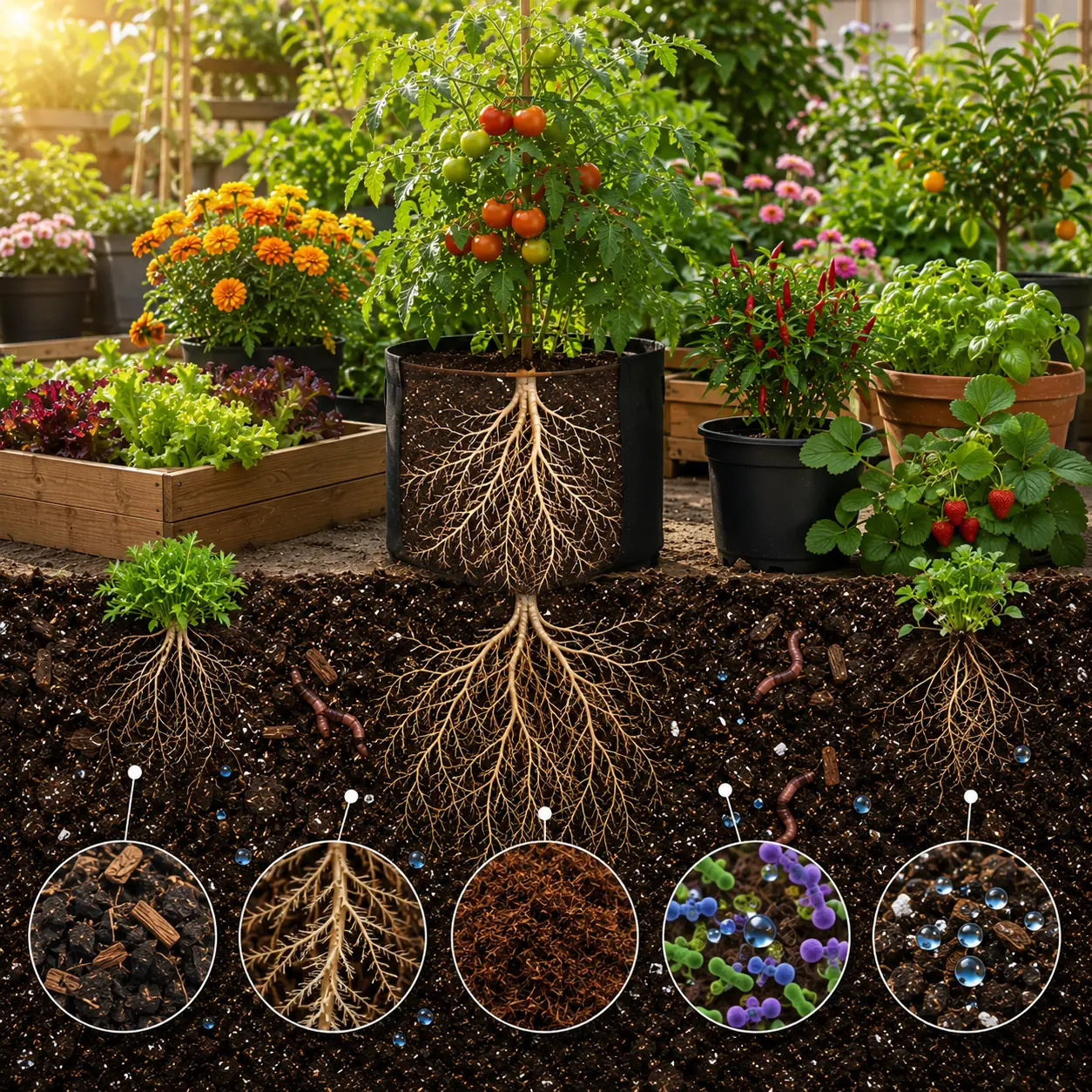
Organic Potting Soil Mix
Provides nutrients, structure, and healthy growing conditions for container plants.
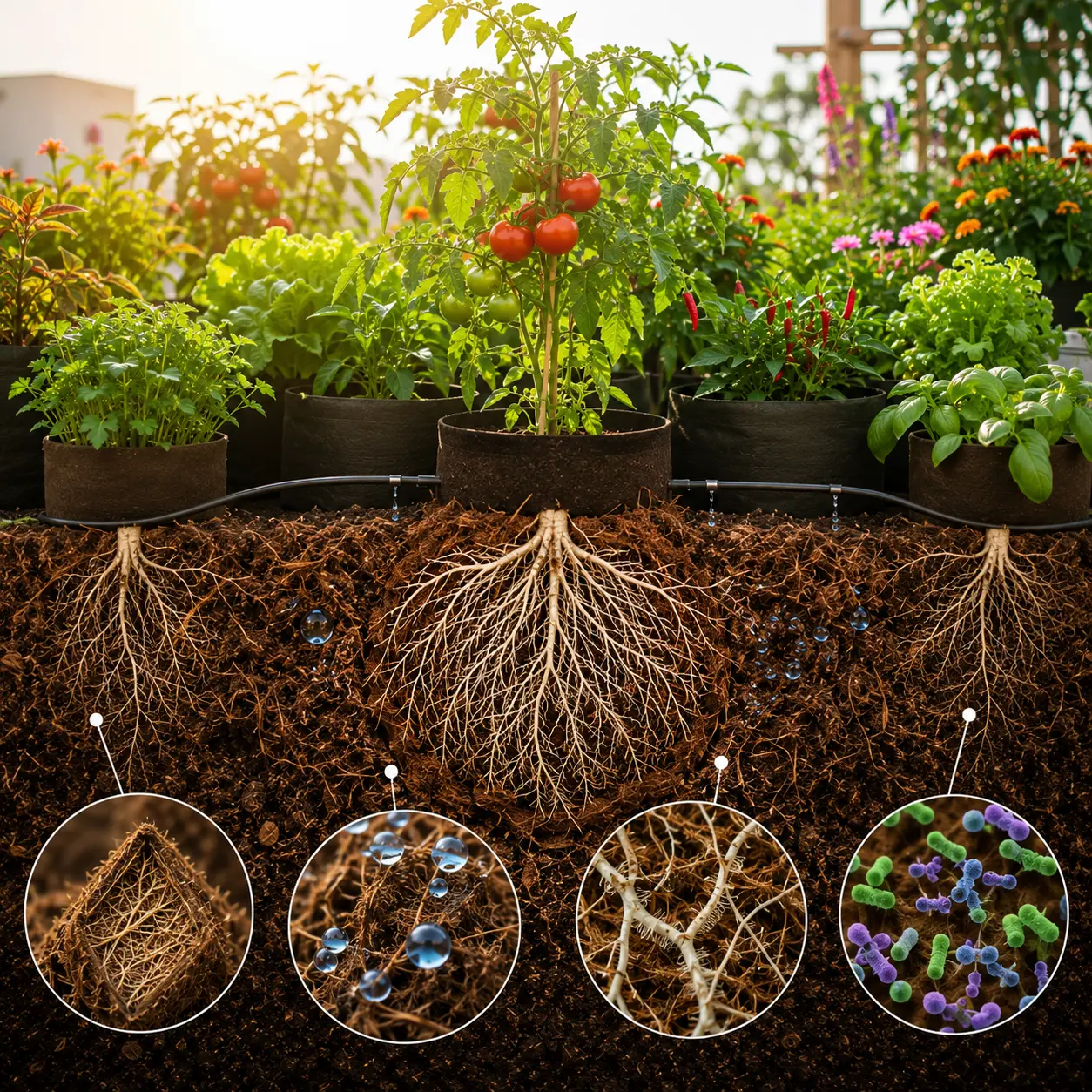
Coco Peat Growing Medium
Enhances moisture retention while maintaining excellent root-zone aeration.

Grow Bags for Plants
Improve drainage, root aeration, and vegetable production in limited spaces.

Plastic Pots for Plants
Ideal containers for seedlings, ornamentals, herbs, and balcony gardens.
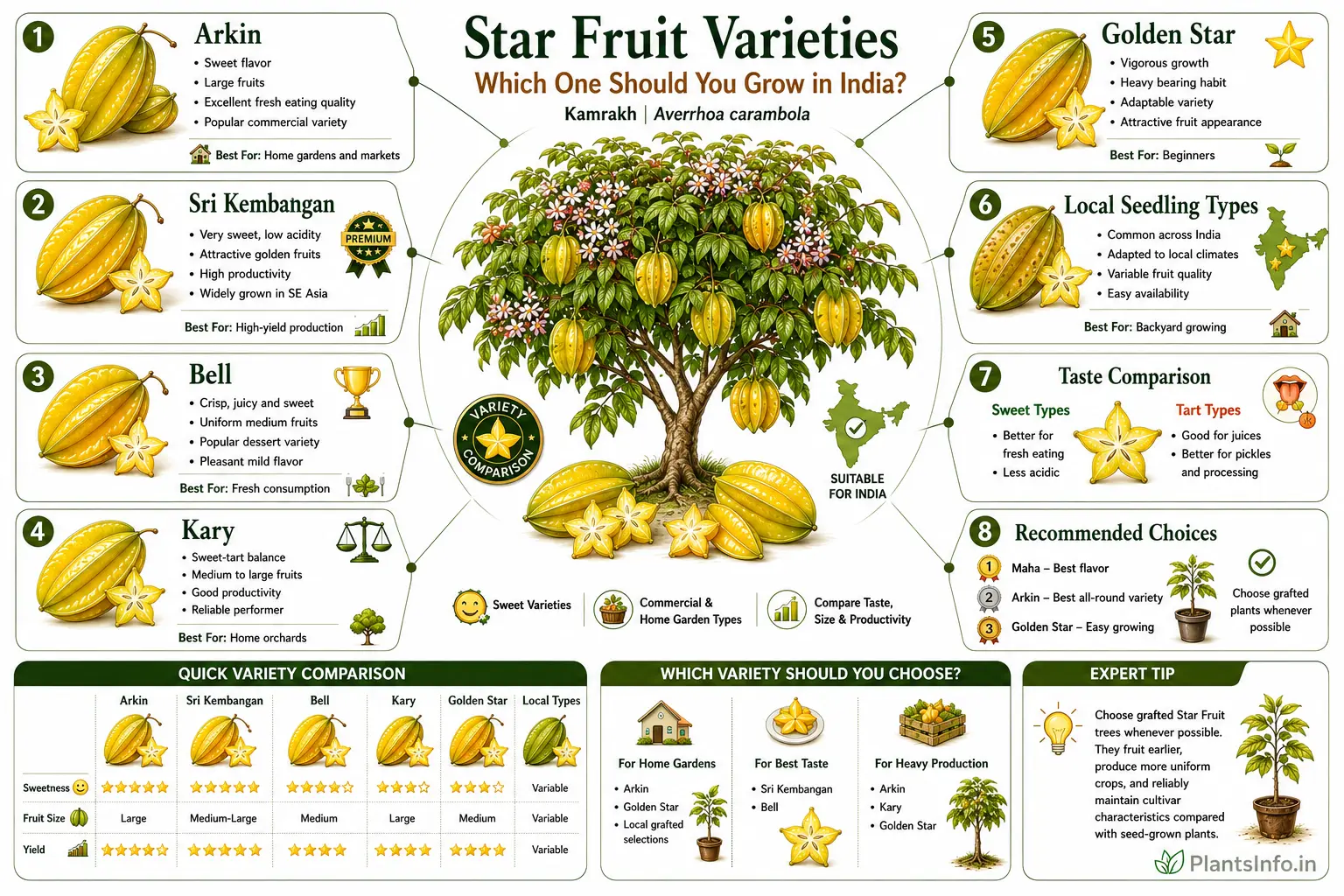
Quick Variety Selector
| Variety | Type | Plant Size | Best For | Suited To |
|---|---|---|---|---|
| B-17 | Improved open-pollinated | Medium | Home use, containers, fresh eating | All tropical and subtropical states |
| Arkin | Improved open-pollinated | Medium | Fresh eating, high sweetness | South India, Maharashtra, Bengal |
| Fwang Tung | Improved open-pollinated | Large | High yield, ground planting | Coastal states, Kerala, Andhra Pradesh |
| Demak | Improved open-pollinated | Medium | Commercial, consistent size | South India, Goa |
| Local sour type (desi) | Landrace / unimproved | Large | Pickling, cooking, souring | All regions; most common in Bengal and Andhra |
| Sri Kembangan | Improved open-pollinated | Medium | Sweet, ornamental appeal | Kerala, Tamil Nadu, coastal Karnataka |

Varieties in Detail
B-17
B-17 is among the most commonly marketed sweet star fruit varieties available through Indian fruit tree nurseries. Developed in Malaysia and introduced into Indian cultivation through nursery and horticultural distribution networks. It produces medium-sized fruit — typically 8–10 cm long — with a high sugar-to-acid ratio that makes it pleasant to eat fresh without seasoning. The skin turns a deep golden yellow at full ripeness, and the flesh is juicy with a mild, clean sweetness.
Its key strength is adaptability: B-17 performs reliably from Kerala to Bengal to Maharashtra without requiring climate-specific management. The tree is medium-sized and responds well to container culture when kept pruned, making it practical for terrace gardens. Its weakness is a relatively thin skin that bruises easily during harvest and transport — for commercial purposes, this limits shelf life. For home use, this is irrelevant. B-17 cannot be reliably grown from saved seed; nursery-sourced grafted plants are the only way to guarantee true-to-type fruit.
Arkin
Arkin was developed in Florida and has become one of the most planted sweet varieties in the South Indian nursery trade. It produces large, attractively shaped fruit with pronounced ridges and a bright golden colour that makes it visually appealing at the market. The sweetness level is slightly higher than B-17 at peak ripeness, and the flesh is firmer — which means it holds up better for slicing and salad use.
Arkin trees are medium to large in ground planting and benefit from annual structural pruning to maintain a manageable canopy for home gardens. In container culture, Arkin is slightly less well-suited than B-17 due to its stronger growth vigour. It performs best in regions with a distinct dry season followed by rainfall — which matches South India, coastal Maharashtra, and Bengal’s climate well. In the humid year-round conditions of the Northeast, fruit quality can be variable.
Fwang Tung
Fwang Tung is a Thai-origin variety introduced into Indian cultivation through horticultural research stations and has gained commercial uptake in Kerala and coastal Andhra Pradesh. It is generally regarded as a highly productive variety under suitable growing conditions, and it can produce substantially more per season than B-17 or Arkin — and the fruit is large, with well-defined ridges and a balanced sweet-tart flavour.
The tree grows large and is not well-suited to containers or small gardens. Its notable strength is productivity; its notable weakness is that the fruit’s thin skin makes it highly susceptible to anthracnose spotting during humid post-monsoon conditions. Growers who choose Fwang Tung for commercial or high-yield home use should plan a regular copper fungicide programme during fruiting. This variety is propagated by grafting only; seed-grown Fwang Tung plants will not produce true-to-type fruit.
Local Sour Type (Desi)
The local sour or desi type is not a named variety but a category — the unimproved, seed-propagated kamrakh that has been grown across Bengal, Odisha, Bihar, and Andhra Pradesh for generations. Trees are large, vigorous, and highly variable in fruit quality from individual to individual. The fruit is small to medium, intensely sour even at full ripeness, and generally not eaten fresh. Its primary use is culinary: as a souring agent in curries, in pickling, and in sun-dried condiment preparations.
Long-established local seedling populations often appear more adapted to local growing conditions than recently introduced cultivars. For gardeners in North India or the northern Deccan who primarily want a cooking and pickling fruit rather than a dessert fruit, the desi type from a local source is a practical, low-cost choice. Seed-grown desi plants are widely available and do not require grafted stock.
Sri Kembangan
Sri Kembangan is a Malaysian-origin variety that has entered Indian horticulture more recently through Kerala’s spice and fruit nursery sector. It produces medium-sized, very sweet fruit with an attractive golden-orange skin at full ripeness and a mild, perfumed aroma. The tree is medium-sized and flowers reliably even in the partial shade conditions of dense home gardens — a practical advantage in urban plots.
It is less widely available than B-17 or Arkin and may require sourcing from specialist nurseries in Kerala, Tamil Nadu, or KVK outlets with a fruit variety programme. Where available, it is an excellent choice for home gardens prioritising fruit quality over yield volume.
Head-to-Head Comparison
B-17 vs. Arkin
These two sweet varieties are the most commonly compared in Indian nurseries and online searches, and the honest answer is that the difference in eating quality is minor — both are sweet, both are productive, and both perform across a wide range of Indian climates. The decision points are practical rather than flavour-based.
B-17 is the better choice for container growing and smaller gardens: it is more compact, more forgiving of occasional waterlogging, and more consistently available as a certified grafted plant. Arkin edges ahead for gardeners with ground space who want fruit with a slightly firmer texture for cooking and salads, and who are in South India or Maharashtra, where Arkin’s yield advantage over B-17 is most pronounced. In terms of availability at Indian nurseries, B-17 wins clearly — Arkin is sometimes stocked under alternate names or mislabelled, making source verification important. For a first-time star fruit grower with a medium-sized garden anywhere in India, B-17 is the lower-risk starting point.
Sweet Varieties vs. Local Sour Type
This comparison matters most for gardeners who are buying from a local nursery where variety labelling is absent or unreliable — which is a large proportion of Indian home gardeners. The distinction between a sweet and a sour type is not visible from the sapling; it only reveals itself at first fruiting, two to three years after planting.
Sweet varieties — B-17, Arkin, Fwang Tung, Sri Kembangan — produce fruit that is pleasant to eat fresh and versatile in the kitchen. Sour types produce fruit that most people find inedible raw but excellent in pickles, curries, and as a tamarind substitute. Neither is objectively better; the question is what you want to use the fruit for. If the answer is fresh eating and gifting neighbours, insist on a named sweet variety from a reliable nursery source. If the answer is cooking and souring, the desi type from a local source is cheaper, tougher, and often more productive in difficult conditions. The mistake is buying without asking — and most nurseries will not volunteer the information.
How to Choose for Your Space
Container or terrace garden: B-17 is the clear recommendation. It tolerates container constraints better than the larger-growing varieties, responds well to tip-pruning to manage size, and can begin producing useful harvests in large containers once established. Sri Kembangan is a good second choice where available.
Small ground plot (under 100 sq ft): B-17 or Arkin, planted in the corner of the plot where the canopy can spread outward rather than inward. Annual pruning to control height is necessary. Fwang Tung and the local sour type will outgrow this space within five to six years.
Larger garden or backyard: Fwang Tung offers the best yield-to-space ratio for gardeners who want volume. Arkin is the choice if fruit quality and appearance matter more than maximum yield. The local sour type is appropriate if the primary use is culinary rather than fresh eating and if the tree’s large mature size fits the space.
Commercial or semi-commercial production: Fwang Tung or Arkin, depending on the target market — Fwang Tung for volume, Arkin for premium presentation. Consult the nearest KVK for state-specific recommendations before committing to a commercial planting.
Regional Suitability
Kerala and coastal Karnataka: All named sweet varieties perform well; Fwang Tung and Sri Kembangan have a slight advantage due to the year-round humidity and warmth that suit their growth pattern. Local nurseries in Thiruvananthapuram, Thrissur, and Mangaluru typically stock the widest range.
Tamil Nadu: B-17 and Arkin are the most available and the most reliable. The long dry season followed by the northeast monsoon suits Arkin’s flowering pattern particularly well.
Andhra Pradesh and Telangana: B-17 is the workhorse; the local sour type is widely grown for pickling. Fwang Tung has been trialled successfully in the coastal districts around Visakhapatnam.
West Bengal and Odisha: The desi sour type dominates home gardens; B-17 is becoming more available through nurseries in and around Kolkata. The slightly cooler winters are tolerated well by established trees of any variety.
Maharashtra (Konkan coast): B-17 and Fwang Tung both perform well in the coastal humid belt. Inland Maharashtra (Pune, Nashik) is marginal for Fwang Tung — B-17, or Arkin is the safer choice.
North India (UP, Bihar, Haryana): Sweet-named varieties are possible but require winter protection for young trees. The desi sour type, sourced from Bengal, shows the best cold tolerance and is the most practical choice north of the Vindhyas.
Watch Out for Mislabelling
Star fruit mislabelling in Indian nurseries is a common and under-discussed problem. The most frequent occurrence is sour desi seedlings sold under the label “carambola” or “B-17” without any verification — the grower purchased seedlings from a local source and applied a commercial name. The sapling looks identical to a grafted sweet variety at the nursery stage.
The single most reliable verification step: ask explicitly whether the plant is grafted or seed-grown. A genuinely grafted B-17 or Arkin will have a visible graft union — a healed scar or slight bulge near the base of the main stem, typically 15–30 cm above the soil line. A seed-grown plant has no such union. If you cannot see the graft union clearly, treat the plant as an unknown type and adjust your expectations accordingly.
For reliable sourcing, KVK outlets, state agricultural university nurseries (such as TNAU in Coimbatore, IARI regional stations, and KAU in Kerala), and specialist fruit tree nurseries with documented propagation records are the most trustworthy sources. General roadside nurseries vary enormously in quality and labelling accuracy.
Conclusion
For most Indian home gardeners, choosing between a sweet variety and a sour local type is more important than choosing between individual cultivar names. Sweet cultivars such as B-17 and Arkin are generally preferred for fresh eating, while local sour types remain valuable for cooking, pickling, and traditional uses.
Availability varies by region, and nursery labelling is not always reliable, so verifying whether a plant is grafted or seed-grown is an important step before purchase. By matching the variety to your climate, available space, and intended use, you can avoid disappointment and enjoy productive harvests for many years.