How to Grow Guggul (Gugal): Complete Care Guide for Indian Gardens
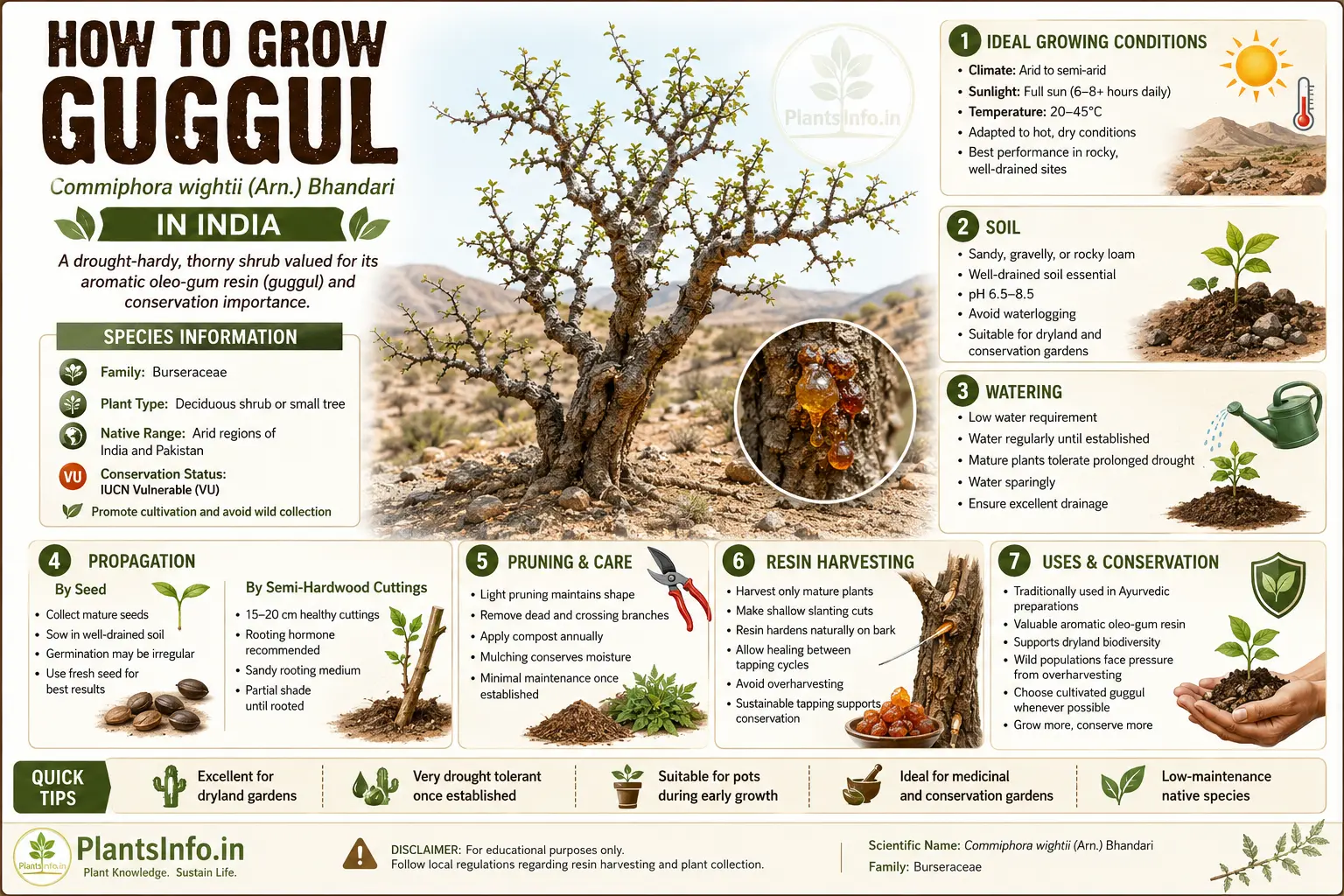
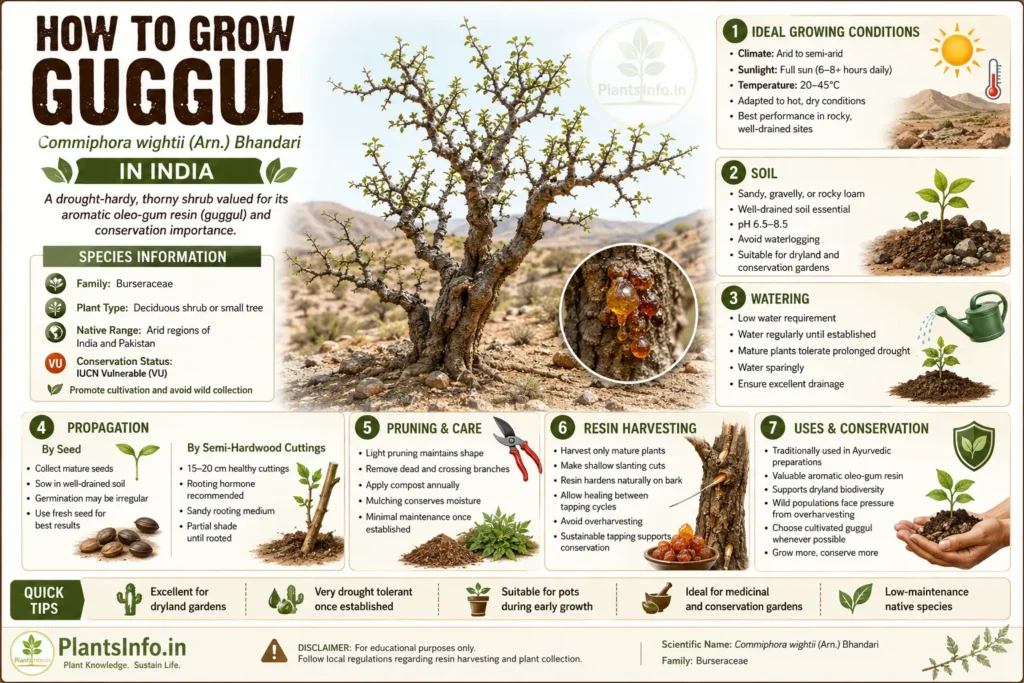
Quick Answer: Guggul is a slow-growing, drought-hardy shrub that thrives in the arid and semi-arid zones of Rajasthan, Gujarat, and Madhya Pradesh. It is one of the easiest plants to grow in dry conditions — requiring poor soil, minimal water, and full sun — but it demands patience: meaningful resin production begins only after 8–10 years. Growing it at home is also an act of conservation for a Critically Endangered species.
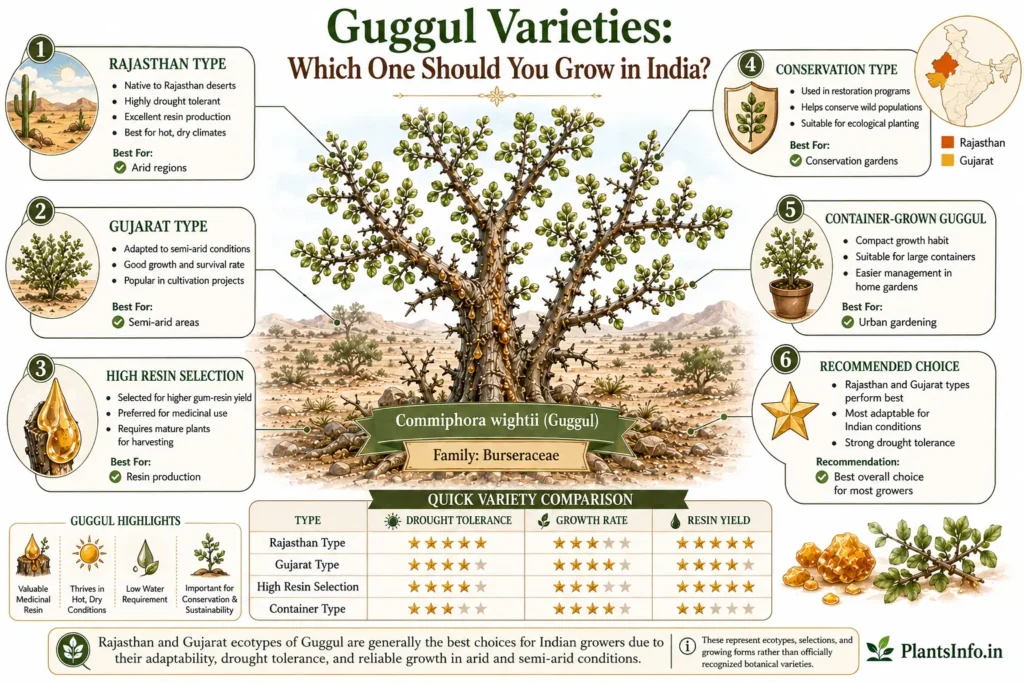
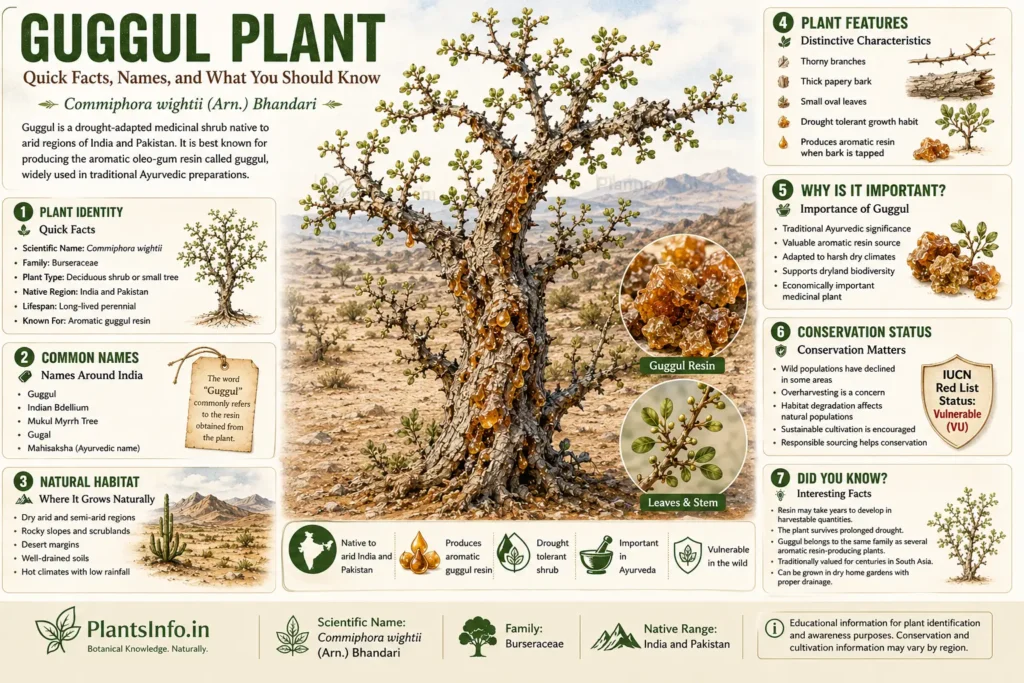
See also: Guggul Plant plant profile, common problems, its flowering season, its benefits, and its varieties.
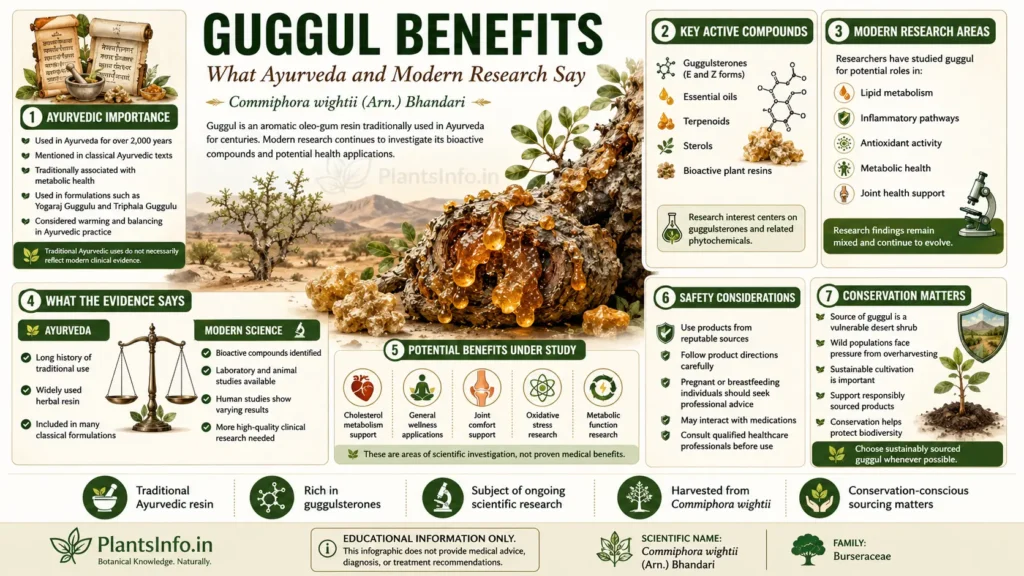
Most people know guggul as a golden resin sold in Ayurvedic shops — the raw material behind formulations from Yograj Guggul to Kanchnar Guggul. Very few know that the plant it comes from is disappearing from Indian forests faster than almost any other medicinal herb. Wild populations in Rajasthan and Gujarat have been so heavily overharvested that the IUCN lists Commiphora wightii as Critically Endangered. Every guggul plant established in a home garden, a farm boundary, or a school courtyard is a small but real contribution to reversing that decline. The plant itself asks remarkably little — just the one thing most Indian gardens struggle to offer: sharp drainage and relentless sun.
Recommended Products
Disclosure: As an Amazon Associate, PlantsInfo may earn from qualifying purchases.
🌱 Growing Essentials
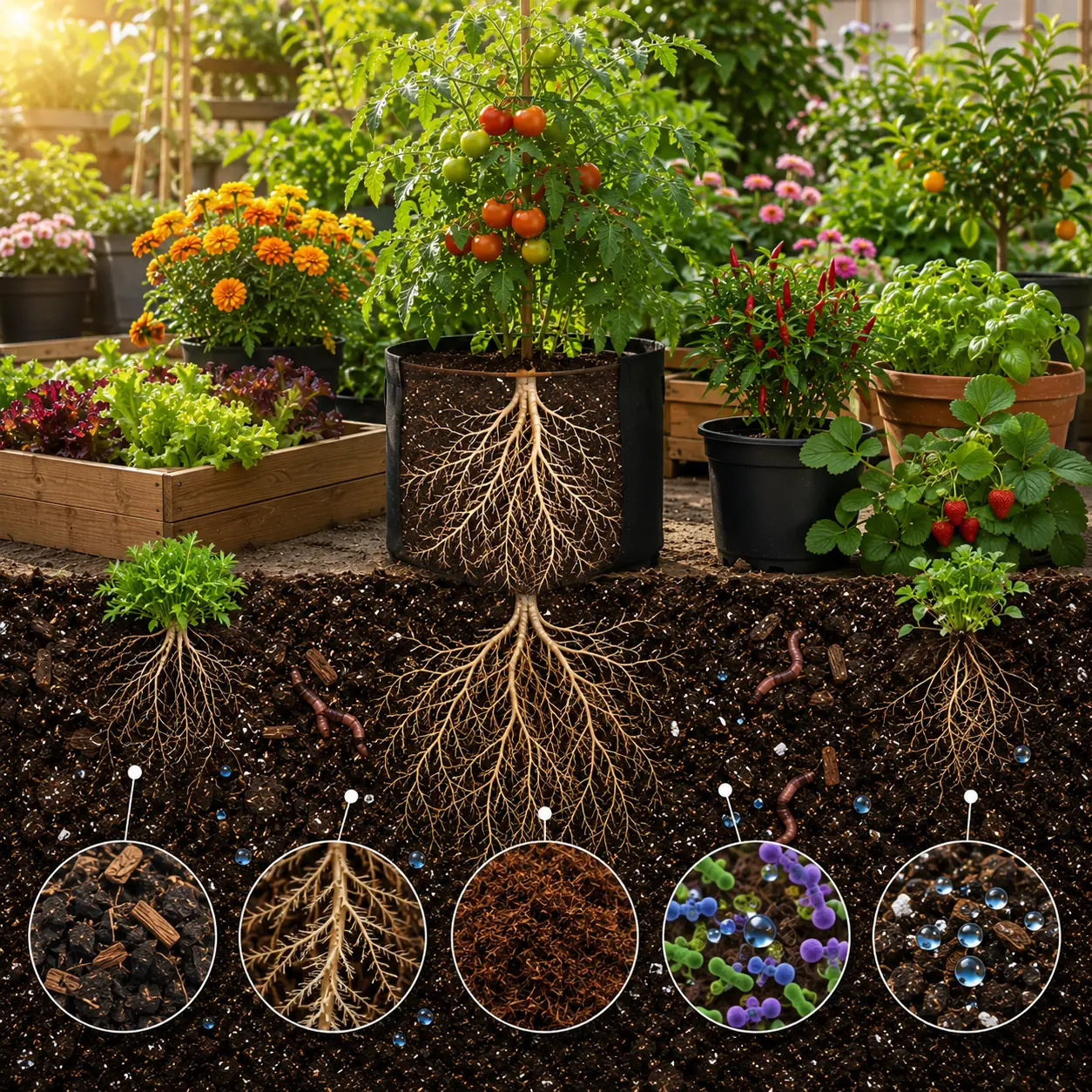
The following products can help with container gardening, potting, root development, soil management, and healthy plant growth.
Organic Potting Soil Mix
Provides nutrients, structure, and healthy growing conditions for container plants.
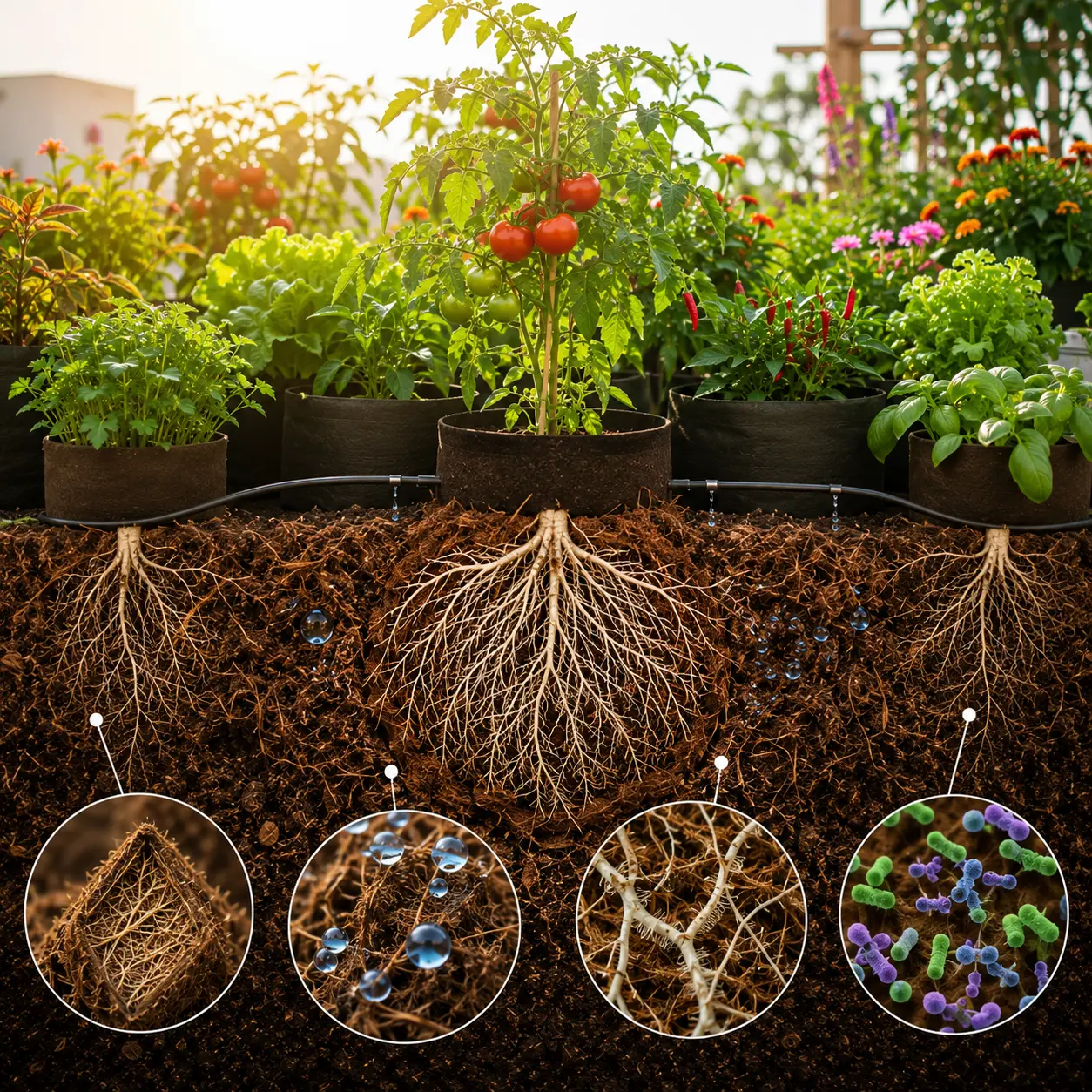
Coco Peat Growing Medium
Enhances moisture retention while maintaining excellent root-zone aeration.

Grow Bags for Plants
Improve drainage, root aeration, and vegetable production in limited spaces.

Plastic Pots for Plants
Ideal containers for seedlings, ornamentals, herbs, and balcony gardens.
Difficulty: Easy in arid and semi-arid regions. Moderate in humid coastal or high-rainfall zones.
Quick Facts
| Attribute | Detail |
|---|---|
| Common names | Guggul, gugal, gugul, guggulu, Indian bdellium |
| Scientific name | Commiphora wightii (Arn.) Bhandari |
| Varieties | No formally released horticultural varieties; regional ecotypes from Rajasthan and Gujarat differ in resin yield. |
| Plant type | Deciduous shrub or small tree |
| Mature size | 1.5–4 m height; slow-growing |
| Sunlight | Full sun — essential; no shade tolerance |
| Water needs | Very low once established; drought-tolerant |
| Best season to plant | Post-monsoon (October–November) or early monsoon (July) |
| Suitable states | Rajasthan, Gujarat, Madhya Pradesh, Maharashtra (Vidarbha), Haryana (Aravalli belt) |
Hardiness / Temperature Range
| Factor | Range |
|---|---|
| Ideal temperature | 20–38°C |
| Heat tolerance | >45°C |
| Frost tolerance | Brief exposure to ~2°C |
| Rainfall | 250–500 mm preferred |
⚠ Conservation Notice
Guggul (Commiphora wightii) is listed as Critically Endangered on the IUCN Red List due to overexploitation for its resin and widespread habitat destruction. Do not collect plants or seeds from the wild. Source planting material only from nurseries, KVK outlets, state forest department programmes, or NMPB (National Medicinal Plants Board) registered sources. Growing guggul in cultivation actively supports the conservation of this species.
Choosing the Right Spot
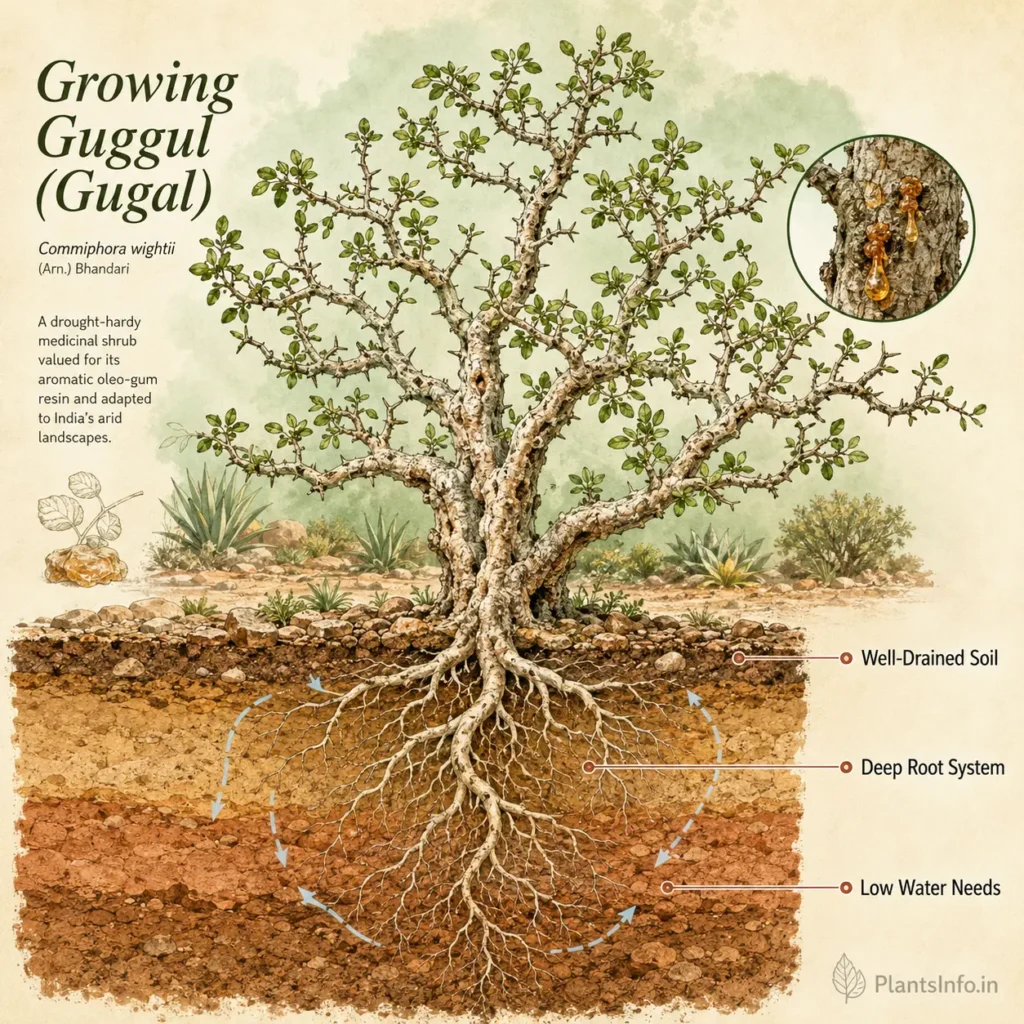
Guggul is a plant of rocky, stony hillsides and dry scrubland — in its native range across the Aravallis, the Thar Desert fringe, and the Kutch region of Gujarat, it grows in conditions that would kill most garden plants. For home cultivation, the most important requirement is full, unobstructed sun for the entire day. Even partial shade significantly slows an already slow-growing plant and reduces resin production over the long term.
Choose the hottest, most exposed corner of the garden — a south-facing slope, a rocky raised bed, or a spot against a sun-baked wall with no overhead canopy. In humid coastal regions (Kerala, coastal Karnataka, coastal Maharashtra), guggul is difficult to sustain long-term; the combination of humidity and monsoon rain creates fungal pressure the plant is not adapted to handle.
Container growing is viable — a deep, large container (minimum 18-inch diameter, ideally 24 inches) with exceptional drainage works well for the first five to six years and makes the plant manageable on terraces and rooftops in North Indian cities. The deep taproot that develops with age makes ground planting ultimately more productive.
Soil and Potting Mix
Guggul thrives in poor, stony, well-drained soils with a pH range of 7.0–8.5 — slightly alkaline conditions that match the naturally calcareous soils of Rajasthan and Gujarat. It does not need rich soil; in fact, fertile garden soil with high organic matter tends to produce lush vegetative growth at the expense of resin production.
For garden planting, improve drainage rather than fertility. In clay-heavy soils, dig a planting pit and fill it with a mix of 50% coarse gravel or broken brick, 30% sandy loam, and 20% garden soil. No compost amendment is necessary. In naturally sandy or loamy soils of North and Central India, guggul can be planted with minimal preparation.
For containers, use a cactus and succulent mix or make your own: two parts coarse sand, one part garden soil, one part small gravel. Avoid peat-based or moisture-retaining mixes entirely. The single most common soil mistake is planting guggul in regular garden soil without drainage improvement, then watering it on the same schedule as other plants.
Planting — Season and Method
The two best planting windows in India are early monsoon (July, when the rains have just established) and post-monsoon (October–November, when the soil is still warm but waterlogging risk has passed). July planting works well in Rajasthan and Gujarat, where monsoon rainfall is moderate and brief; in higher-rainfall zones, October is safer.
Saplings from nurseries or KVK outlets are the most practical starting point. Seed germination is possible but slow and unreliable — germination rates in Commiphora wightii are typically low due to dormancy mechanisms and the seed’s hard coat. Stem cuttings from semi-hardwood material taken in July–August root reasonably well under mist or in a covered propagation setup, and this is the preferred method for farmers participating in conservation cultivation programmes.
Dig a planting pit no deeper than the sapling’s root ball — guggul resents deep planting. Set the sapling so the root collar sits at or just above ground level. Do not add fertiliser to the pit. Water once at planting, then hold back and let the plant establish on natural rainfall or very light supplemental irrigation.
Watering
Guggul’s water needs are among the lowest of any cultivated plant in India. During the establishment period (first monsoon season), natural rainfall in Rajasthan and Gujarat is typically sufficient; in drier years, water once every ten to fourteen days. After the first year, an established plant in the ground requires no regular irrigation in rainfall zones receiving 300 mm or more annually.
In years of complete drought or in truly arid growing conditions, water once a month in summer (April–June) — just enough to prevent total desiccation of the root zone. Do not attempt to maintain a moist soil surface; guggul roots are adapted to seeking deep moisture, and shallow, frequent watering discourages deep rooting.
Container plants need slightly more attention: water once every two to three weeks in summer, once a month in winter, and rarely or not at all during the monsoon. The most diagnostic overwatering sign for guggul is not yellowing leaves but stem softening — the base of the main stem becomes spongy and slightly discoloured, indicating the beginning of root rot. At this stage, reduce watering immediately and improve drainage.
Monsoon adjustment is critical: in ground planting, ensure water does not pool around the plant base for more than a few hours after rain. In containers, move pots to a sheltered position if monsoon rainfall in your area is heavy and sustained.
Fertiliser
Guggul does not require regular fertilisation. In poor rocky soils, a single application of well-matured compost (half a kg per plant) at the beginning of the growing season (March) in the first two years supports establishment without pushing excessive vegetative growth. After year two, no routine fertiliser application is needed or recommended.
Neem cake worked lightly into the soil surface once a year (pre-monsoon, May) serves a dual function — it provides slow-release nitrogen and suppresses soil-borne pathogens that can affect the root zone in humid growing conditions. This is the one organic input worth maintaining long-term.
Avoid nitrogen-heavy fertilisers such as urea or DAP. High nitrogen pushes leaf and shoot production and suppresses the stress responses that stimulate resin production — counterproductive for a plant grown primarily for its gum.
Common Problems and Fixes
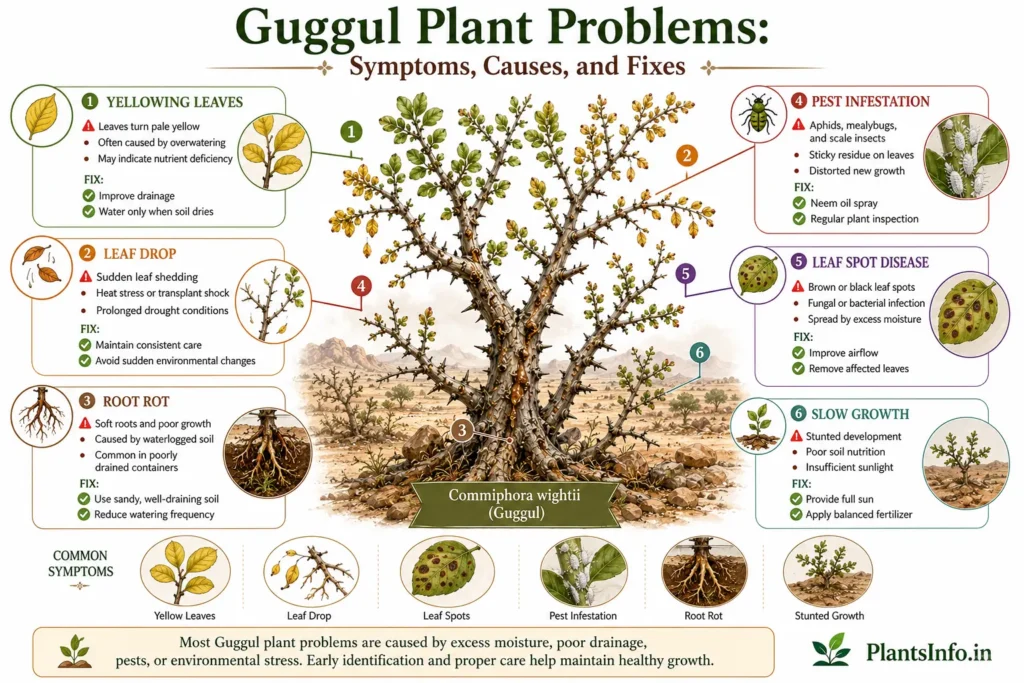
The three most common problems guggul faces in cultivation are:
Root rot from waterlogging — the most common cause of plant death in home gardens outside the natural arid range; stems soften at the base and the plant wilts despite moist soil.
Mealy bug infestation — white waxy colonies appear at branch junctions and on young growth, causing stunting and sooty mould.
Failure to establish in humid climates — plants grow slowly in the first two monsoon seasons, then decline as sustained humidity and wet conditions create fungal stress the species is not adapted to.
When Will You See Results?
Guggul is not a plant for the impatient. In the first two to three years, visible growth is slow — the plant is investing energy in its taproot and root system rather than shoot development. Expect 30–50 cm of annual shoot growth in good conditions; less in the first year.
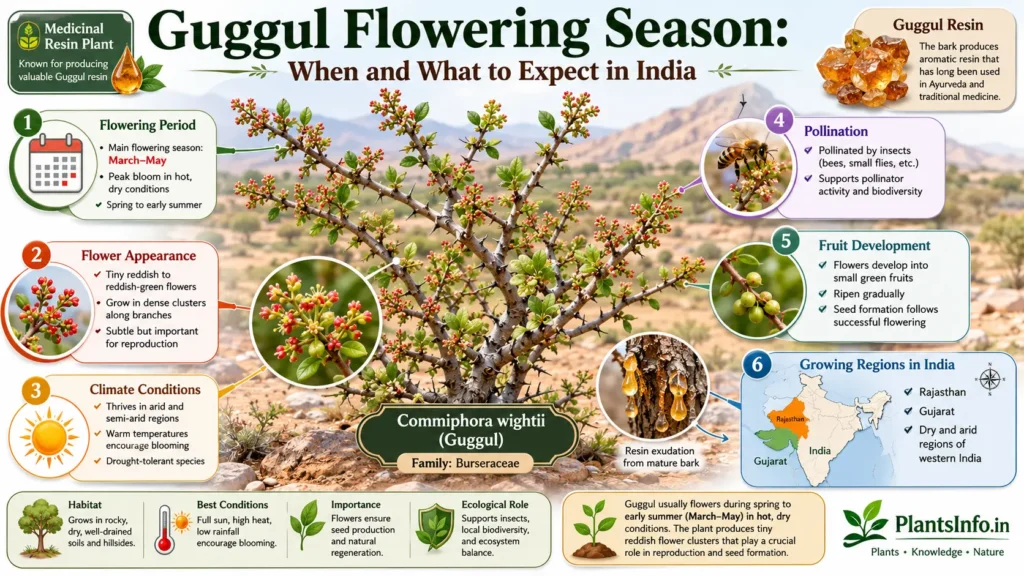
Resin tapping in commercial cultivation begins at 8–10 years of age, when the stem diameter is sufficient to sustain incision without killing the plant. In home garden settings, the plant should be appreciated for its conservation value, its distinctive appearance, and its ecological role long before any resin is harvested. Flowering begins from years three to four; the small red-orange fruit appears from year four onward.
The patience note is worth stating plainly: guggul is a long-term commitment, not a quick-return plant. It is best thought of like planting a heritage tree — the full value unfolds over a decade or more.
Propagation
Stem cuttings from semi-hardwood material (taken in July–August from the current season’s growth that has begun to firm up) are the most reliable propagation method for home gardeners. Treat cut ends with a rooting hormone powder (IBA 3000 ppm) and set in a free-draining rooting medium of coarse sand and perlite. Keep in a humid environment — a polythene tent or a shaded mist bed — for four to six weeks until roots develop.
Air layering is also effective on established plants with stems of pencil thickness or greater, giving rooted plants in approximately six to eight weeks during the warm monsoon period.
Seed propagation requires pre-treatment to break dormancy — soaking in warm water for 24–48 hours before sowing improves germination rates, though success is variable. Tissue culture propagation is being developed through agricultural research institutions for conservation programmes, but is not yet available to home gardeners through commercial channels.
Grafting is not commonly practised for guggul. Division is not applicable — the deep taproot makes it impractical.
Pruning and Training
Guggul requires minimal pruning. In the first three years, light tip-pruning after the monsoon (October) encourages branching and produces a bushier, more compact plant rather than a single-stemmed, leggy shrub. Remove any dead or crossing branches in January–February during the brief winter rest period.
Do not prune heavily. Guggul produces resin in response to wounding — a fact exploited in commercial tapping — but premature or excessive pruning on a young plant diverts energy from root development. Structural shaping should be completed by year three, after which the plant is best left to grow naturally.
For container plants maintained on a terrace, moderate annual pruning in January keeps the canopy size manageable and stimulates new growth for the following season.
Harvesting the Resin
Resin harvesting (tapping) on cultivated plants should not begin before the plant is at least eight to ten years old and has a main stem diameter of 5 cm or more at the base. Commercial tapping involves making shallow diagonal incisions through the bark and collecting the golden-yellow exudate that oozes and solidifies over several days.
For home gardens, sustainable tapping means making no more than two to three incisions per stem per season, allowing each wound to fully heal before re-tapping, and never cutting deeper than the cambium layer. The crude method of deep incision combined with chemical pastes — still practised by some tribal harvesters in Rajasthan — kills the plant within a few seasons and must be avoided entirely.
Raw guggul resin collected at home should be stored in a cool, dry, airtight container. It keeps its medicinal properties for twelve to twenty-four months if stored correctly.
Seasonal Protection
In its natural range, guggul experiences dry summers, brief monsoon rains, and cool but not severely cold winters. This closely matches the climate of Rajasthan, Gujarat, and Madhya Pradesh, where no seasonal protection is needed for established plants.
In North India outside the natural range (Delhi, Haryana, western UP), protect young plants from frost below 2°C by covering with hessian or moving containers indoors. Established plants in the ground tolerate brief cold spells reasonably well.
In any zone outside the arid and semi-arid belt — coastal Maharashtra, the Northeast, Kerala — the primary seasonal risk is the monsoon itself. Ensure drainage is optimal before June, avoid any irrigation from July through September, and monitor the soil around the base after heavy rainfall events.
FAQs
Can guggul be grown in pots?
Yes. Guggul grows well in large containers during its early years. Use a deep pot at least 18–24 inches wide with excellent drainage and a sandy, free-draining soil mix. Container-grown plants are easier to manage in urban gardens and on rooftops, but long-term growth and resin production are usually better when the plant is eventually transferred to the ground.
How fast does guggul grow?
Guggul is a slow-growing shrub. Under good conditions, young plants typically produce about 30–50 cm of new growth per year. Most of the plant’s energy during the first few years goes into developing a deep root system rather than rapid top growth. Meaningful resin production generally begins only after 8–10 years.
Is guggul suitable for humid climates?
Not ideally. Guggul is naturally adapted to the dry, arid, and semi-arid regions of western India. High humidity and prolonged monsoon rainfall increase the risk of fungal diseases and root rot. Gardeners in coastal or high-rainfall areas can attempt container cultivation, but success rates are generally lower than in dry inland regions.
When can resin be harvested from a guggul plant?
Resin harvesting should not begin until a plant is at least 8–10 years old and has developed a sufficiently thick stem. Premature tapping weakens the plant and can significantly reduce its lifespan. Sustainable harvesting involves making only shallow incisions and allowing wounds to heal completely before further tapping.
Is guggul endangered?
Yes. Commiphora wightii is classified as Critically Endangered on the International Union for Conservation of Nature Red List. Wild populations have declined due to overharvesting for resin, habitat degradation, and poor natural regeneration. Cultivating guggul from legally sourced nursery stock helps reduce pressure on remaining wild populations.
Can guggul survive drought?
Yes. Guggul is one of India’s most drought-tolerant medicinal plants. Once established, it can survive extended dry periods with little or no supplemental irrigation. In fact, excessive watering is far more likely to harm the plant than temporary drought, making it well suited to water-scarce gardens and xeriscaping projects.
Key Takeaways
- Guggul is Critically Endangered in the wild — growing it in cultivation is both straightforward in arid climates and genuinely important for conservation.
- The plant’s only non-negotiable requirements are full sun and exceptional drainage; it thrives on neglect and poor soil far better than on care.
- Source planting material only from nurseries, KVK outlets, or NMPB-registered sources — never from the wild.
- Resin tapping should not begin before years eight to ten; before that, grow the plant for its conservation and ecological value.
- Guggul is a decade-long investment — manage expectations at planting, and the plant will reward patience reliably.
Conclusion
Guggul (Commiphora wightii) is one of India’s most remarkable medicinal shrubs, valued both for its traditional uses and its ecological importance. Despite its reputation as a difficult desert plant, it is relatively easy to cultivate when provided with the conditions it naturally prefers: full sun, excellent drainage, and minimal watering. The greatest challenge is not care but patience, as the plant grows slowly and may take many years to reach maturity.
For gardeners in suitable arid and semi-arid regions, cultivating guggul offers an opportunity to grow a unique native species while helping reduce pressure on declining wild populations. With proper site selection and long-term care, a guggul plant can remain a resilient and productive part of the garden for decades.