Guggul Benefits: What Ayurveda and Modern Research Say

Quick Answer: Guggul resin from Commiphora wightii is one of Ayurveda’s most celebrated medicines — used for nearly 3,000 years for joint health, lipid management, and metabolic disorders. Modern research has confirmed anti-inflammatory and antioxidant activity in its key compound, guggulsterone, though clinical evidence for cholesterol-lowering in humans remains mixed. It should only be used under qualified Ayurvedic guidance due to significant contraindications.
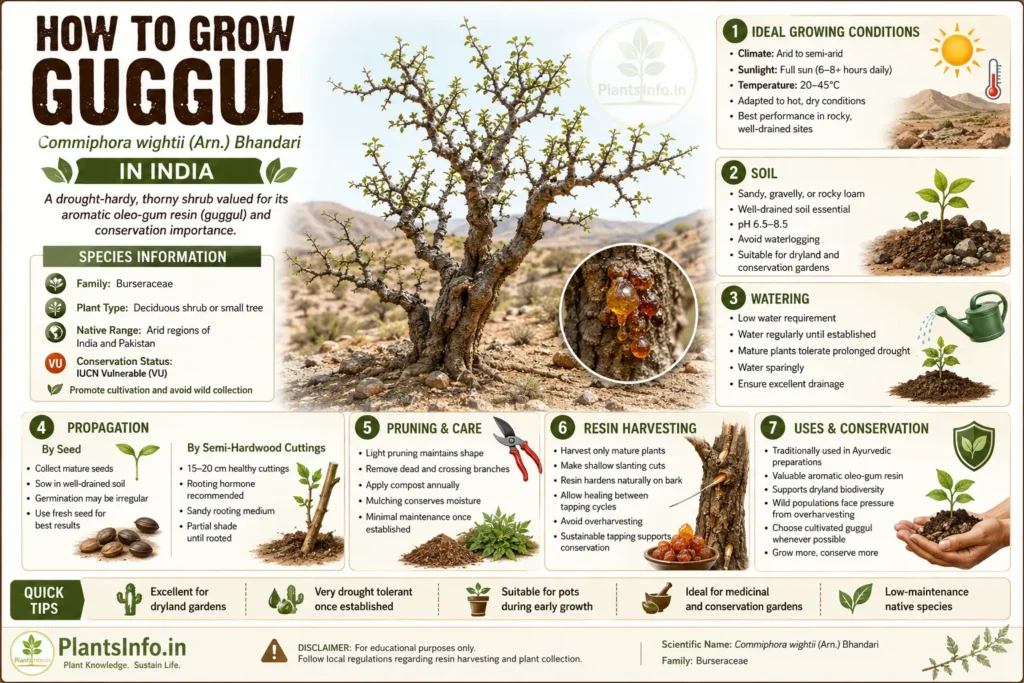
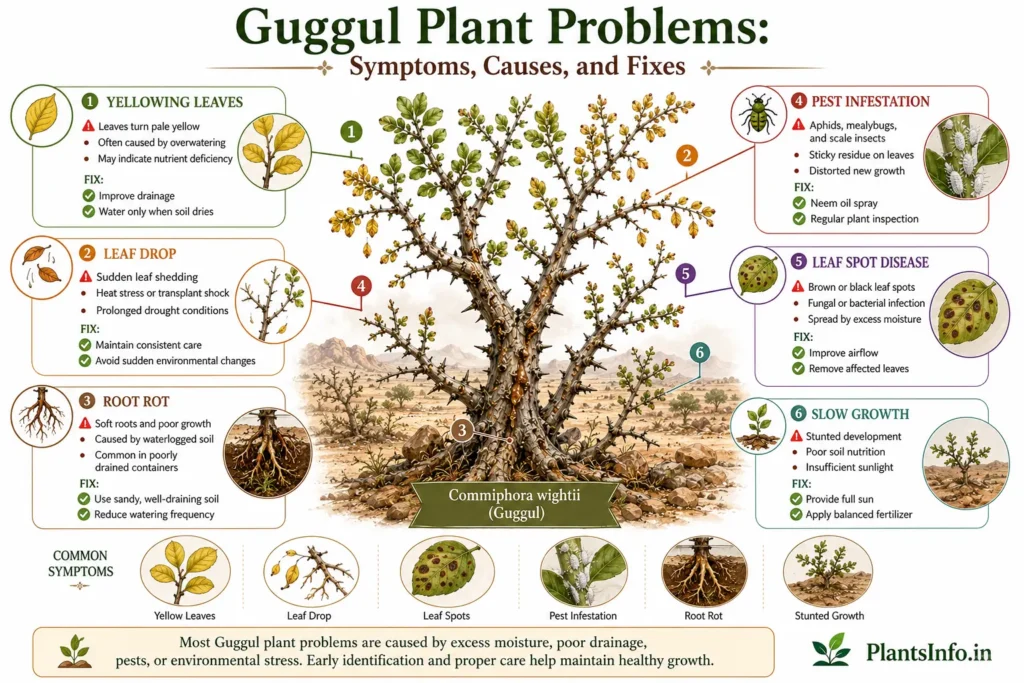
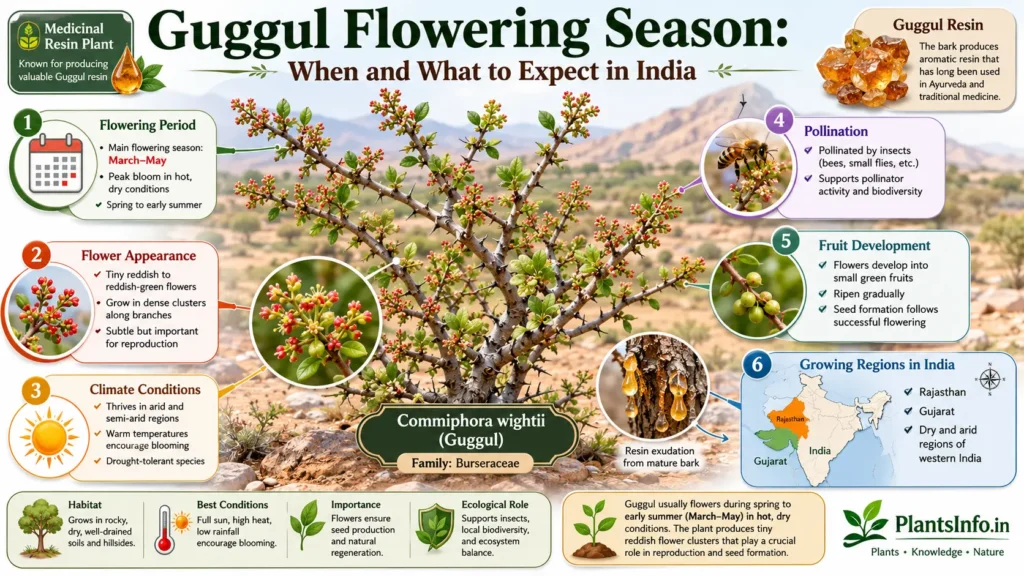
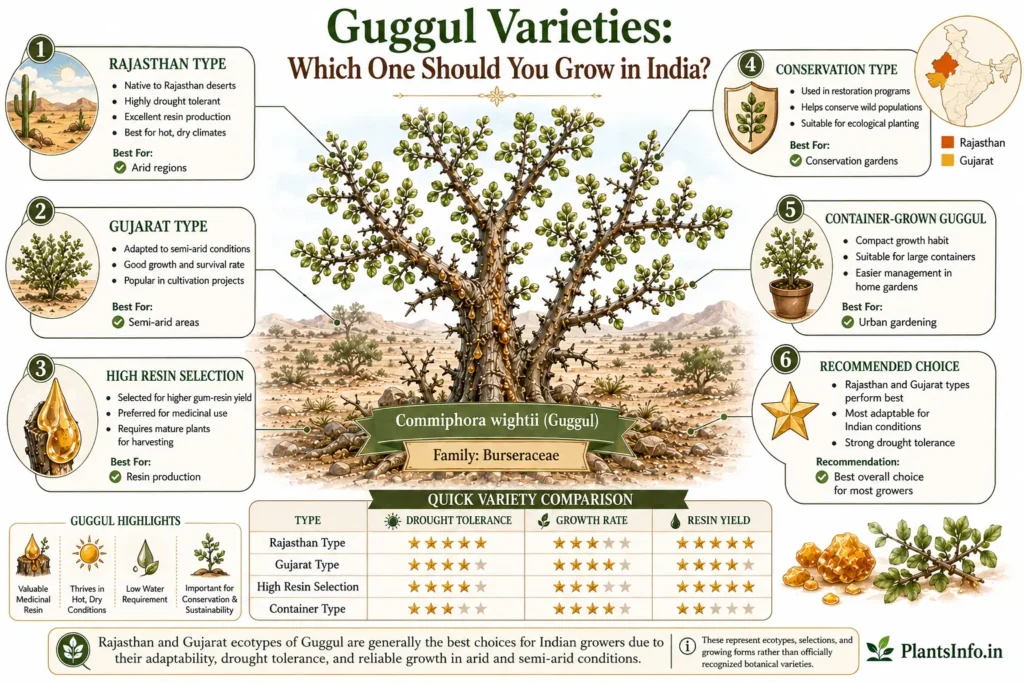
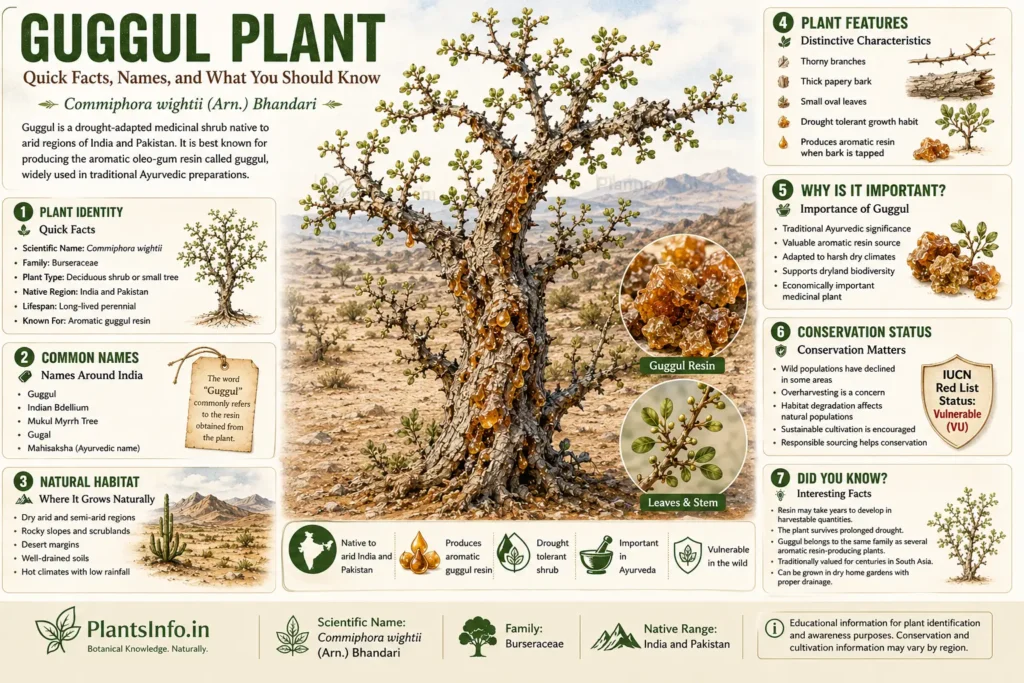
See also: Guggul Plant plant profile, how to grow it, common problems, its flowering season, and its varieties.
Open any classical Ayurvedic text, and guggul appears not as a supporting ingredient but as a category of its own. The Sushruta Samhita does not merely list it among useful plants — it classifies it as one of the best substances for treating Vata disorders and fat tissue imbalance, and devotes dedicated sections to its preparation and use. An entire class of compound Ayurvedic formulations — Yograj Guggul, Kanchnar Guggul, Triphala Guggul, and dozens more — is named after it. What elevates guggul above most medicinal plants in the Ayurvedic pharmacopoeia is its role as a Yogavahi: a carrier substance that enhances the bioavailability and efficacy of every herb combined with it. That property alone explains why it became the binding agent of classical medicine, not merely one ingredient among many.
Recommended Products
Disclosure: As an Amazon Associate, PlantsInfo may earn from qualifying purchases.
🌱 Growing Essentials
The following products can help with container gardening, potting, root development, soil management, and healthy plant growth.
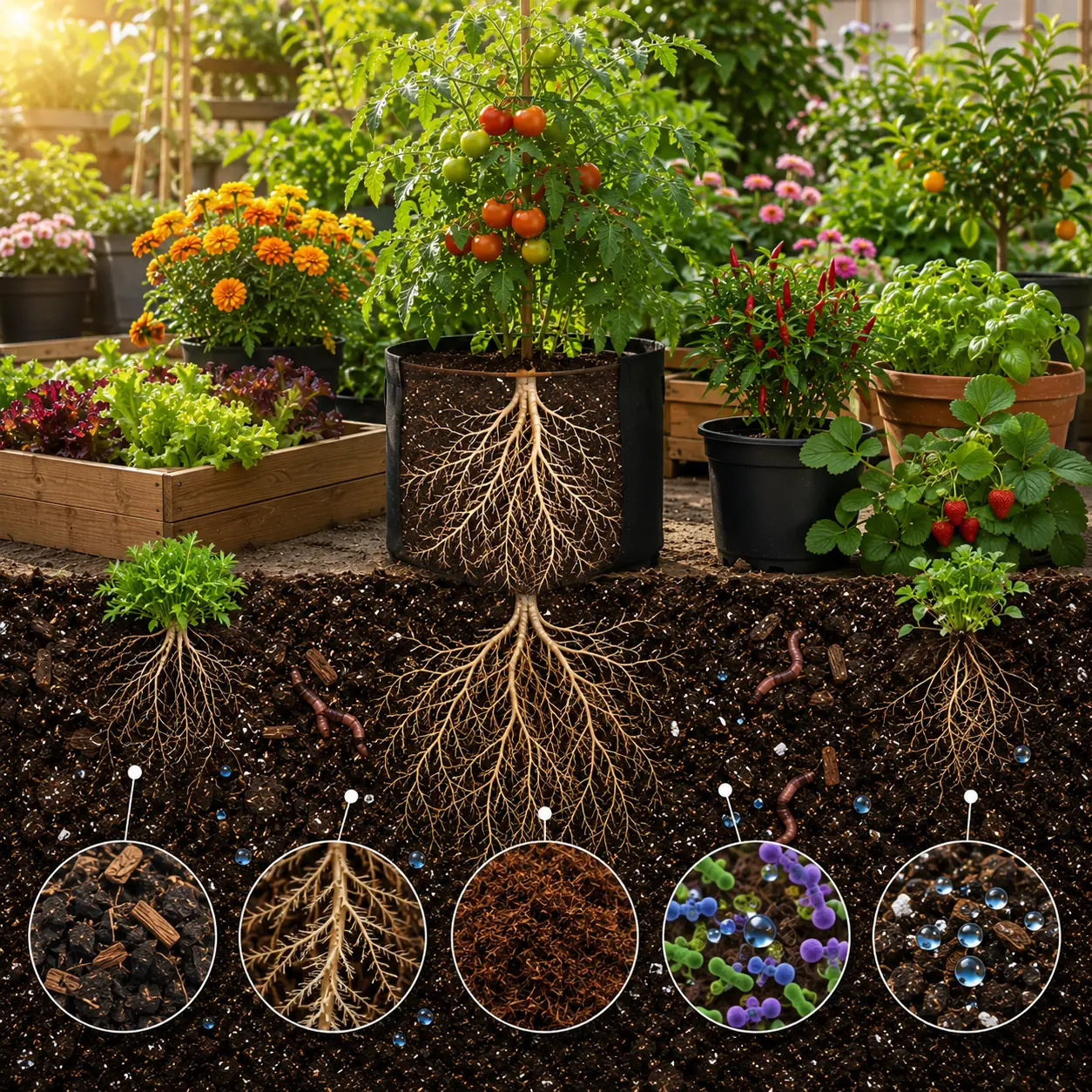
Organic Potting Soil Mix
Provides nutrients, structure, and healthy growing conditions for container plants.
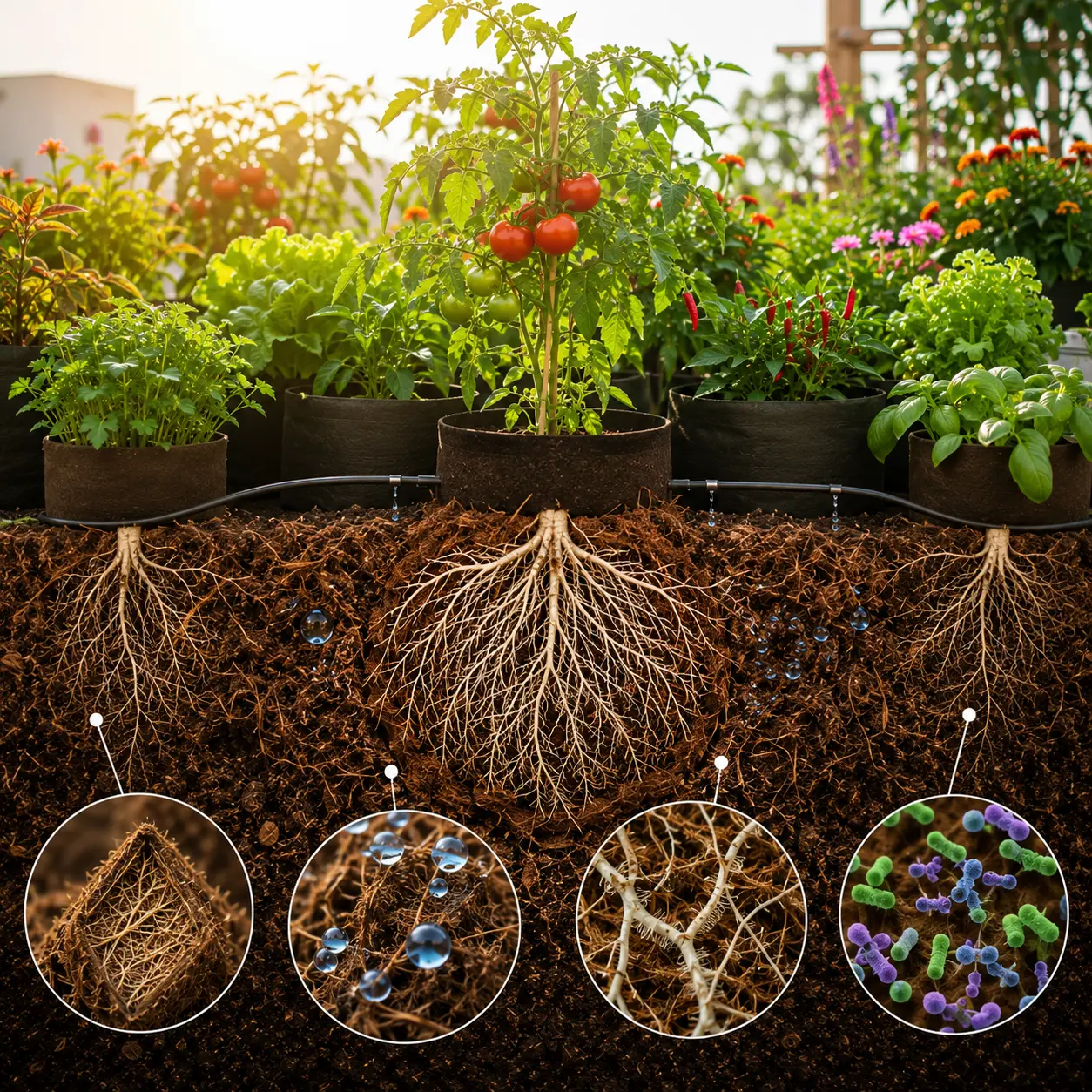
Coco Peat Growing Medium
Enhances moisture retention while maintaining excellent root-zone aeration.

Grow Bags for Plants
Improve drainage, root aeration, and vegetable production in limited spaces.

Plastic Pots for Plants
Ideal containers for seedlings, ornamentals, herbs, and balcony gardens.

Ayurvedic and Medicinal Significance
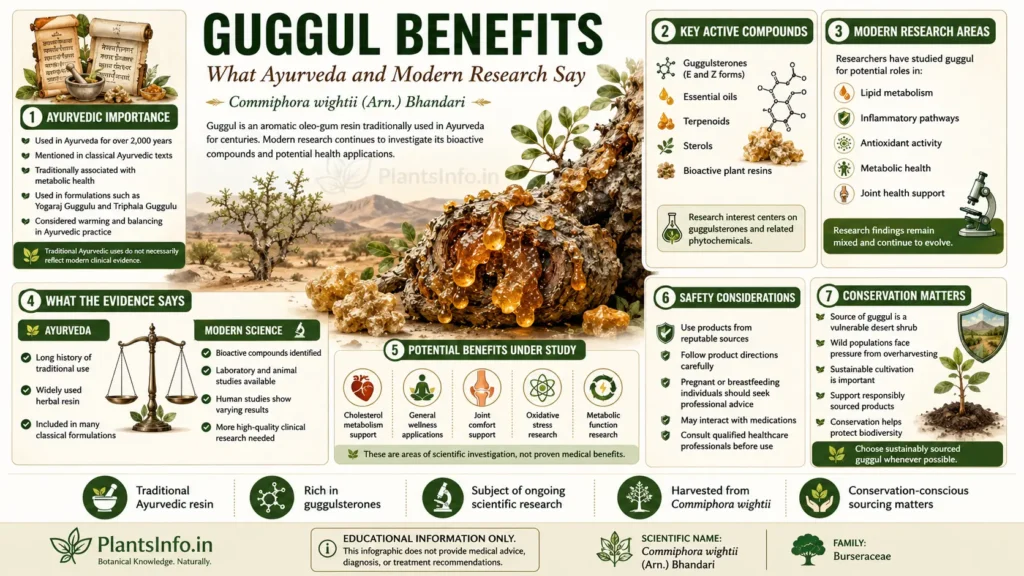
Guggul resin has been documented in Indian medicine since at least 600 BCE. The Charaka Samhita lists it among the most important drugs for promoting health and longevity, explicitly naming it in formulations for digestive fire, doshic balance, and metabolic disorders. The Sushruta Samhita records its use in treating internal tumours, oedema, obesity, liver dysfunction, intestinal worms, leukoderma, and sinus conditions. The Atharvaveda contains earlier references to bdellium — the resin’s ancient cross-cultural name — placing guggul’s documented medicinal history among the oldest of any Indian plant. The Raj Nighantu, a medieval Ayurvedic lexicon, describes it in the Chandanadi Varga with the Sanskrit verse acknowledging its bitter-warm character, action on Kapha and Vata, and its role as a Rasayana — a rejuvenating substance.
In Ayurvedic pharmacology, guggul is classified as having a tikta (bitter) and katu (pungent) taste, ushna (heating) potency, and a Vata-Kapha pacifying action. Its most distinctive property — Yogavahi — means it amplifies the therapeutic action of companion herbs when combined in formulations. This is why guggul preparations are rarely used as single-herb remedies in classical Ayurveda; they are almost always compound formulations targeting a specific tissue or system.
The active compounds responsible for guggul’s therapeutic properties are primarily the guggulsterones — specifically guggulsterone E and Z — alongside guggulsterols, terpenoids including myrrhanone and myrrhanol, flavonoids including quercetin, and volatile oils including limonene, eugenol, and cineole. This complex phytochemical profile makes guggul’s action broad and multi-targeted rather than single-mechanism.
Modern pharmacological research, largely conducted in India since the 1960s, has confirmed anti-inflammatory, antioxidant, antilipidemic, and antimicrobial properties in guggul extracts. In 1986, the Indian government approved a standardised guggul extract (gugulipid) for marketing as a hypolipidemic drug — one of the first formally approved plant-based drugs in modern Indian medicine. Subsequent international clinical trials, however, produced mixed results on cholesterol-lowering in non-Indian populations, suggesting that dietary context and baseline lipid profiles may significantly influence the response. Research on anti-inflammatory mechanisms — particularly guggulsterone’s action on inflammatory pathways — remains active and shows consistent results in laboratory and animal studies.
Traditional Ayurvedic preparations distinguish five varieties of guggul resin by colour, texture, and origin — Mahishaksha, Mahapadma, Kumuda, Kanaka, and Padma — with Mahishaksha (dark, pure resin) considered the most potent in classical texts.
This information is based on traditional Ayurvedic knowledge and published research. It is not a substitute for medical advice. Consult a qualified healthcare professional before using any plant-based remedy for health conditions.
Traditional Uses Across India
Beyond the classical texts, guggul carries deep practical roots in Indian folk medicine and daily religious life. In Rajasthan and Gujarat — the plant’s native states — the resin is burned as incense in homes and temples. The fragrant, dense smoke produced when raw guggul is placed on hot coals is used for ritual purification of spaces — a practice rooted in both Vedic yajna traditions and everyday household custom. The Sanskrit name Pura (meaning “that which wards off disease”) reflects this dual role as medicine and purifier.
In Rajasthani folk medicine, guggul resin is traditionally used as a topical application for joint pain, wound healing, and skin conditions, including boils and chronic ulcers. Tribal communities in the Aravalli belt have documented practices of applying warmed resin directly to swollen joints and fractured limbs — a use that aligns with classical Ayurvedic indications for bone and joint disorders.
In Unani medicine, guggul (called Muql Azraq) is similarly valued for joint and lipid conditions, demonstrating the cross-system recognition of its therapeutic properties across India’s classical medical traditions.
Ecological and Conservation Value
Guggul’s significance extends beyond medicine. In the arid scrubland ecosystems of Rajasthan and Gujarat, it is a keystone shrub — one of the few woody plants that establishes in rocky, shallow-soil habitats and provides year-round cover and browse for wildlife including blackbuck, chinkara, and nilgai. Its small red fruits are consumed by birds, making it a food source in otherwise sparse desert ecosystems.
The dramatic decline of wild guggul populations has documented ripple effects on these dryland ecosystems. Demand for guggul resin currently exceeds supply by a factor of approximately four — domestic demand is estimated at 300 tonnes annually while sustainable supply from wild and cultivated sources is approximately 75 tonnes. This gap is partly filled by adulteration and substitution in commercial products, which is one reason quality varies so widely between branded guggul formulations.
Cultivated guggul in home gardens, farm boundaries, and agroforestry systems contributes to closing this supply gap while rebuilding dryland habitat. The National Medicinal Plants Board has supported cultivation programmes in Kutch (Gujarat) and Rajasthan precisely because wild recovery without cultivation support is unlikely at current exploitation rates.
Practical Value for Home Gardeners
For most home gardeners, the practical value of guggul is not in harvesting resin — the timeline for that is eight to ten years — but in growing a living specimen of a Critically Endangered species that serves as a hardy, drought-tolerant, low-maintenance garden plant in dry-climate regions. In Rajasthan, Gujarat, and Madhya Pradesh, guggul fits naturally into compound gardens, boundary plantings, and rockery designs that most ornamental species cannot sustain.
For those who do reach the resin-harvesting stage, raw guggul resin can be used at home to make traditional incense (dhoop) for ritual use, or supplied to local Ayurvedic practitioners and pharmacies — both uses that support the plant’s cultural role. Commercial sale of self-harvested guggul resin is subject to state forest and medicinal plant regulations; check with the local forest department before selling in quantity.
How to Use Guggul at Home
As incense (dhoop): Place a small piece of dried guggul resin (the size of a pea) on a lit charcoal disc or hot coal in a clay or metal vessel. The resin melts and produces a fragrant, dense smoke. This is the traditional household and temple use — purification and aromatic ritual. No preparation needed beyond sourcing clean, unprocessed resin.
In Ayurvedic formulations, Guggul is almost always used as part of compound formulations rather than as a single-herb remedy. Classical preparations such as Yograj Guggul (for Vata and joint conditions), Kanchnar Guggul (for thyroid and lymphatic conditions), and Triphala Guggul (for digestive and metabolic use) are widely available from licensed Ayurvedic manufacturers. These should be taken only under the guidance of a qualified Ayurvedic physician — dosage, duration, and combination with other herbs must be individualised.
Raw resin: In some folk traditions, a small purified piece of resin (suddha guggul) is chewed or dissolved in warm water and consumed. This requires that the resin be properly purified (shodhana) first — raw, unpurified guggul can cause digestive disturbance. Purification traditionally involves processing the resin in triphala decoction or cow’s milk before internal use. Do not consume raw, unprocessed resin internally without guidance.
A general traditional dosage for purified guggul in classical texts is in the range of 1–3 g per day for adults, adjusted to the formulation and condition. However, self-prescribing guggul for therapeutic purposes — particularly for lipid or joint conditions — is not recommended. Individual response, dosha constitution, and concurrent medications all affect appropriate use significantly.
What to Avoid
Guggul has specific and well-documented contraindications that must be observed seriously.
Pregnancy and breastfeeding: Guggul must not be used during pregnancy — classical Ayurvedic texts and modern pharmacological research both note its potential to stimulate uterine activity. It should also be avoided during breastfeeding. This contraindication is absolute, not contextual.
Thyroid conditions: Guggul can influence thyroid hormone levels. People with thyrotoxicosis or those on thyroid medication should not use guggul without explicit clearance from their endocrinologist.
Kidney and liver conditions: Excessive use is associated with adverse effects on liver and kidney function in some individuals. Those with existing kidney or liver disease should avoid guggul except under direct medical supervision.
Drug interactions: Guggul has documented interactions with anticoagulants (blood thinners) and may affect the metabolism of certain drugs, including diltiazem and propranolol. Anyone on regular medication should consult their physician before beginning any guggul-containing formulation.
Pitta constitution: In Ayurvedic terms, guggul has a heating (ushna) quality that can aggravate Pitta. Excessive use in individuals with a Pitta constitution or a Pitta-aggravating diet and lifestyle can cause mouth dryness, skin disturbances, and digestive irritation.
Key Takeaways
- Guggul is one of Ayurveda’s oldest and most documented medicines — cited in the Charaka Samhita, Sushruta Samhita, Atharvaveda, and Raj Nighantu for a wide range of conditions.
- Its key compounds, the guggulsterones, have confirmed anti-inflammatory and antioxidant activity in research; clinical evidence for cholesterol lowering in humans is mixed and context-dependent.
- The resin is almost always used in compound Ayurvedic formulations rather than alone — self-prescribing is not appropriate for therapeutic use.
- Guggul has serious contraindications: it must not be used in pregnancy, with thyroid conditions, or alongside anticoagulant medications without medical supervision.
- Growing guggul in cultivation is itself a meaningful act — the species is Critically Endangered, and every cultivated plant reduces pressure on dwindling wild populations.
FAQs
What is guggul used for in Ayurveda?
In Ayurveda, guggul (Commiphora wightii) is primarily used in formulations intended to support joint health, metabolic balance, and the management of Vata- and Kapha-related disorders. Classical texts describe its use in conditions associated with inflammation, excess body fat, swelling, and musculoskeletal discomfort. Rather than being used alone, guggul is most commonly combined with other herbs in traditional preparations such as Yograj Guggul, Kanchnar Guggul, and Triphala Guggul.
Does guggul lower cholesterol?
Research on guggul’s effects on cholesterol has produced mixed results. Some studies have reported improvements in lipid profiles, while others found little or no significant benefit. Scientists believe compounds known as guggulsterones may influence cholesterol metabolism, but current evidence does not support using guggul as a replacement for prescribed cholesterol-lowering treatments. Anyone considering guggul for lipid management should consult a qualified healthcare professional.
Is guggul safe to take daily?
Guggul should not be taken daily without professional guidance. Although it has a long history of traditional use, prolonged or inappropriate use may cause side effects or interact with certain medications. The safety of daily use depends on factors such as dosage, formulation, medical history, and concurrent medications. For therapeutic use, consultation with a qualified Ayurvedic practitioner or healthcare provider is recommended.
Who should not use guggul?
Guggul is generally not recommended for pregnant or breastfeeding individuals, people with thyroid disorders, those with certain liver or kidney conditions, and anyone taking anticoagulant (blood-thinning) medications unless advised by a healthcare professional. Because guggul may interact with some medicines and affect hormone metabolism, individuals with existing medical conditions should seek medical advice before use.
What is guggulsterone?
Guggulsterone is one of the primary bioactive compounds found in guggul resin. Two major forms, known as guggulsterone E and guggulsterone Z, have been studied for their potential anti-inflammatory, antioxidant, and metabolic effects. These compounds are believed to contribute to many of the biological activities associated with guggul, making them a major focus of modern pharmacological research.
Is guggul the same as myrrh?
No. Guggul and myrrh are related but distinct plant resins. Guggul comes from Commiphora wightii, a species native to India, while true myrrh is typically obtained from species such as Commiphora myrrha, native to northeastern Africa and parts of the Arabian Peninsula. Both belong to the same genus and produce aromatic resins with historical medicinal and ceremonial uses, but they differ in chemical composition, traditional applications, and geographic origin.
Conclusion
Guggul (Commiphora wightii) occupies a unique position at the intersection of traditional medicine, modern scientific research, and plant conservation. For more than two millennia, it has been valued in Ayurveda as a key ingredient in formulations for metabolic, inflammatory, and musculoskeletal conditions. Modern research has identified biologically active compounds such as guggulsterones and confirmed several pharmacological properties, although clinical evidence for some traditional uses remains mixed and continues to be investigated.
Whether viewed as a medicinal resin, a culturally important Ayurvedic ingredient, or a Critically Endangered species worthy of conservation, guggul deserves informed and responsible use. Anyone considering guggul for health purposes should seek guidance from qualified healthcare professionals and rely on reputable, sustainably sourced products.
⚠ Medical Disclaimer
This article discusses traditional Ayurvedic uses and published scientific research. It is intended for educational purposes only and should not be considered medical advice. Always consult a qualified healthcare professional before using any herbal product.