Introduction
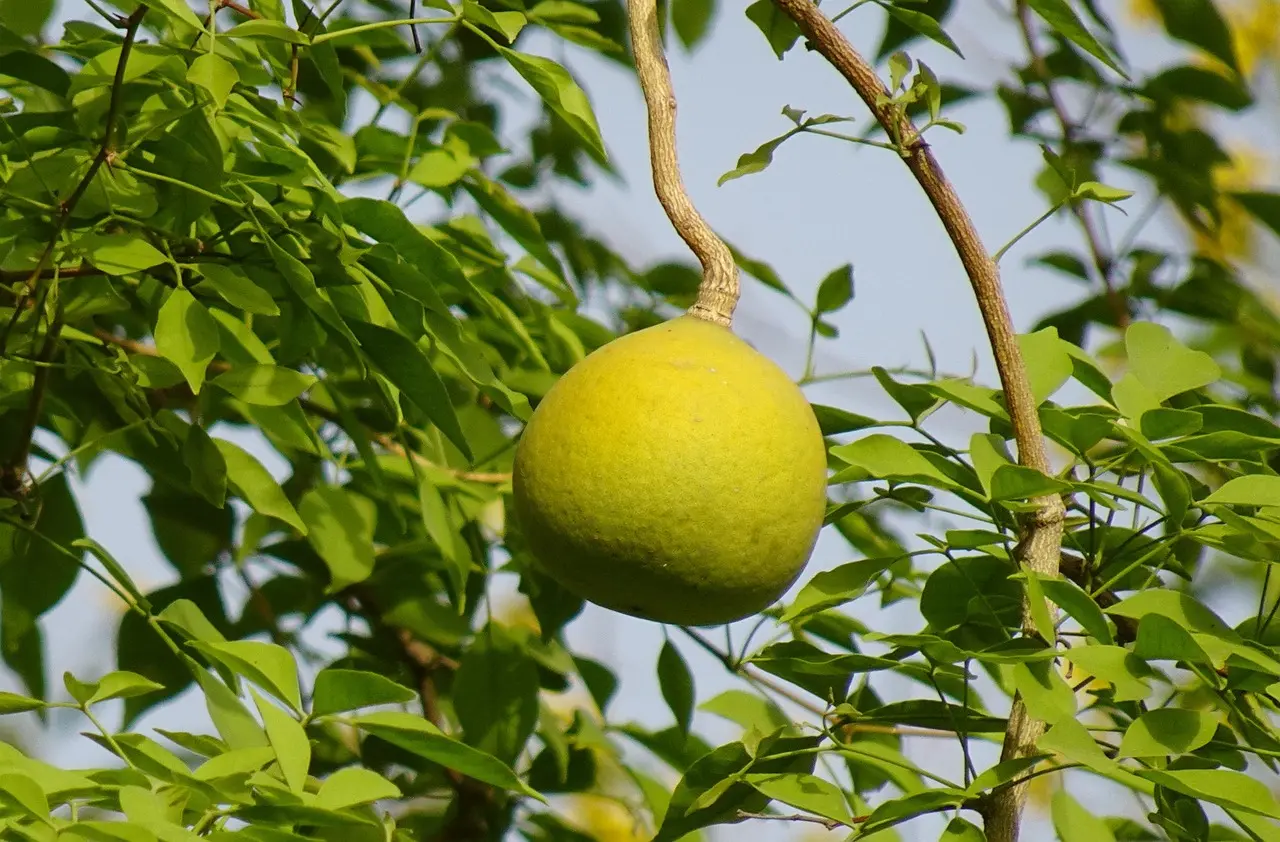
Aegle marmelos (L.) Corrêa, commonly known as bael, is a deciduous tree in the Rutaceae (citrus) family native to the Indian subcontinent and adjoining regions of South and Southeast Asia. It is distinguished by its exceptionally hard-shelled fruit, which has long been valued as both a food resource and a medicinal commodity. Bael is the sole species currently recognized within the genus Aegle, giving it a distinctive phylogenetic position within the family.
Classification
- Plant Type
- Tree
- Lifecycle
- Perennial
- Leaf Habit
- Deciduous
- Native Region
- Indian Subcontinent, Southeast Asia
- Plant Family
- Rutaceae
Within its native range, bael occurs in seasonally dry forests, woodland margins, and human-modified landscapes. The species contributes to ecosystem structure as a medium-sized tree adapted to climatic variability and drought-prone environments. Its persistence in disturbed habitats and broad environmental tolerance have facilitated both natural distribution and long-standing cultivation across tropical and subtropical regions.
Bael has been cultivated for centuries and occupies a prominent place in South Asian cultural, religious, and traditional medicinal systems. Leaves, fruits, roots, and bark have been incorporated into diverse regional practices, while the species remains economically important as a fruit crop and medicinal resource. Although widely cultivated, concerns regarding habitat alteration and localized population pressures have prompted conservation attention in parts of its range. This profile series examines the species from taxonomic, biological, ecological, horticultural, and applied perspectives.
Identity
Quick Plant Information
| Characteristic | Information |
|---|---|
| Accepted Name | Aegle marmelos (L.) Corrêa |
| Common Name | Bael |
| Other Common Names | Bengal quince, stone apple, golden apple |
| Family | Rutaceae |
| Genus | Aegle |
| Growth Form | Deciduous tree |
| Native Range | Indian subcontinent and adjacent parts of South Asia |
| Life Form | Tree |
| Conservation Baseline | Least Concern (IUCN Red List) |
| Economic Significance | Fruit crop, medicinal plant, cultural species |
Classification and Taxonomy
| Rank | Taxon |
|---|---|
| Kingdom | Plantae |
| Clade | Tracheophytes |
| Clade | Angiosperms |
| Clade | Eudicots |
| Order | Sapindales |
| Family | Rutaceae |
| Genus | Aegle Corrêa |
| Species | Aegle marmelos (L.) Corrêa |
Related Species of Significance
| Species | Relationship | Significance |
|---|---|---|
| Citrus sinensis | Same family (Rutaceae) | Economically important citrus crop |
| Citrus limon | Same family (Rutaceae) | Comparative horticultural relevance |
| Feronia limonia | Related fruit tree in Rutaceae | Frequently compared because of superficially similar hard fruits |
| Limonia acidissima | Historically confused in common usage | Shared vernacular names in some regions |
Taxonomic Context
The taxonomic position of Aegle marmelos is relatively stable compared with many economically important tropical fruit trees. Because it is the only widely recognized species within Aegle, confusion typically arises not from species-level synonymy but from overlap in vernacular names with unrelated or distantly related fruit trees such as Limonia acidissima. Historical literature may also contain older combinations and synonyms derived from earlier classifications. Accurate nomenclature is therefore important when interpreting ethnobotanical, horticultural, pharmacological, and conservation literature, as records published under obsolete names can remain relevant sources of biological information.
Cytogenetics
| Cytogenetic Character | Status |
|---|---|
| Chromosome Number | 2n = 18 |
| Reported Ploidy Level | Tetraploid cytotypes (4n = 36) have been reported in cultivated material, although diploid populations (2n = 18) remain the predominant documented condition. |
| Genome Size | Not documented in available literature |
| Cytogenetic Verification Status | Partially Verified |
Cytogenetic Note
Published cytogenetic investigations consistently report a somatic chromosome number of 2n = 18 for Aegle marmelos. Tetraploid forms with 4n = 36 have also been documented in cultivated material, indicating the occurrence of polyploid variation within the species. Species-specific genome size estimates were not identified during the current audit. Additional cytogenetic and genomic studies would improve understanding of variation across cultivated and wild populations.
Scientific Stability and Nomenclature
Aegle marmelos (L.) Corrêa is the currently accepted scientific name for bael and is widely adopted throughout contemporary botanical, horticultural, agricultural, and pharmacognostic literature. The species was originally described by Linnaeus under a different generic placement and subsequently transferred by Corrêa to the genus Aegle, producing the modern combination Aegle marmelos (L.) Corrêa. This nomenclatural treatment has been retained by major international taxonomic authorities and is reflected across current flora databases and biodiversity repositories.
The species exhibits comparatively high nomenclatural stability. Although historical synonyms occur in older botanical works, no major contemporary dispute regarding the accepted name has been identified. The principal challenge for researchers is not taxonomic instability but literature retrieval, because older medicinal, horticultural, and regional publications may employ obsolete combinations or vernacular names. Comprehensive evidence reviews therefore require synonym-aware searching across both historical and modern sources.
The widespread acceptance of the current name has facilitated consistency across conservation assessments, germplasm records, pharmacological studies, and horticultural breeding literature. As a result, Aegle marmelos serves as a relatively stable taxonomic entity for comparative botanical and applied research.
Form
Recommended Products
Disclosure: As an Amazon Associate, PlantsInfo may earn from qualifying purchases.
🌱 Plant Care Essentials
The following tools can help with pruning, plant health, soil management, and fruit garden maintenance.

Neem Oil for Plant Care
Natural plant protection against aphids, whiteflies, mites, and other common garden pests.

Fungicide for Root Care
Helps suppress soil-borne fungal diseases and supports healthier root systems.

Spray Bottle for Plants
Ideal for applying foliar sprays, neem oil solutions, and liquid plant treatments.

Rubber Hand Gloves
Protects hands during pruning, planting, soil preparation, and garden maintenance.
Growth Habit and Architecture
Aegle marmelos exhibits the architecture of a persistent, moderately sized deciduous tree that balances long-term structural stability with seasonal resource allocation. The crown is typically open rather than densely compact, allowing light penetration throughout the canopy. Short lateral branch systems frequently terminate in spines, producing a distinctive silhouette recognizable even during leafless periods. The species combines a durable woody framework with recurring flushes of foliage, flowers, and fruit. In the field, the combination of an irregular crown, thorn-bearing branchlets, and large hard fruits creates one of the most recognizable growth forms among South Asian fruit trees.
Growth Habit and Architecture Table
| Characteristic | Description |
|---|---|
| Life Form | Deciduous tree |
| Mature Height | Typically 6–12 m; occasionally taller |
| Canopy Spread | Commonly 4–8 m |
| Stem Type | Single-trunk woody tree |
| Bark / Surface Texture | Gray to bluish-gray; shallowly fissured and exfoliating with age |
| Branching Pattern | Irregular, spreading, often thorn-bearing |
| Root Morphology Overview | Deep taproot with extensive lateral roots |
| Growth Rate | Slow to moderate |
| Longevity | Several decades; long-lived perennial |
| Distinguishing Architectural Feature | Open crown with spiny branchlets and large woody fruits |
Stem
The stem system provides long-term structural support for a canopy that must simultaneously bear foliage, flowers, and comparatively heavy fruits. Thorn-bearing branchlets are among the most useful diagnostic characters, particularly outside the fruiting season. Injured tissues may exude a gum-like substance, a feature reported in botanical descriptions. The combination of a relatively short trunk, irregular branching, and defensive armature contributes substantially to field recognition.
Stem Table
| Characteristic | Description |
|---|---|
| Stem Type | Woody trunk with lateral branches |
| Cross-Section Shape | Circular |
| Mature Diameter | Commonly 20–60 cm |
| Surface Texture | Rough to moderately fissured |
| Young Colour | Green to green-brown |
| Mature Colour | Gray to bluish-gray |
| Internode Length | Variable; commonly 3–8 cm on normal shoots |
| Thorn / Spine Status | Present; solitary or paired spines frequent |
| Internal Structure | Typical dicotyledonous secondary wood |
| Water Storage | Not documented in available literature |
Leaves
Leaves are among the most distinctive vegetative features of bael. The foliage is usually trifoliate, although occasional leaves may possess five leaflets. Crushed leaves release a characteristic aromatic scent associated with the Rutaceae. Seasonal leaf fall produces a marked contrast between dormant and actively growing phases. Young foliage may exhibit a bronze, pinkish, or pale green coloration before maturing to darker green tones.
Leaf Morphology Table
| Characteristic | Description |
|---|---|
| Presence | Present |
| Leaf Type | Compound, usually trifoliate |
| Size | Leaflets commonly 4–10 cm long |
| Colour | Dark green when mature |
| Arrangement | Alternate |
| Petiole | Present; occasionally winged |
| Leaflet Shape | Ovate to lanceolate |
| Margin | Entire to slightly crenulate |
| Surface | Glabrous or sparsely pubescent |
| Special Features | Aromatic foliage with strong scent when crushed |
Flowers
Bael flowers are relatively small but conspicuous because of their fragrance and clustered presentation on young growth. The pale greenish-white coloration, numerous stamens, and fleshy petals are characteristic of the species. Floral structure reflects the species’ placement within Rutaceae while maintaining traits distinctive enough for identification. The flowers typically emerge alongside new foliage, creating a synchronized seasonal display that enhances visual recognition of reproductive individuals.
Flower Morphology Table
| Characteristic | Description |
|---|---|
| Inflorescence Type | Axillary clusters, cymes, or short panicles |
| Flower Diameter | Approximately 1.5–2.0 cm |
| Flower Length | Approximately 1.5–2.0 cm |
| Sepals | 4–5, small |
| Petals | 4–5, fleshy, greenish-white |
| Stamens | Numerous |
| Pistil | Single superior ovary |
| Fragrance | Sweetly fragrant |
| Anthesis | Seasonal; associated with new vegetative growth |
| Primary Pollinator Identity | Insects |
| Flower Sex | Bisexual |
Fruit
Fruit Morphology Table
| Characteristic | Description |
|---|---|
| Fruit Type | Berry with hard woody shell |
| Shape | Globose to pyriform |
| Length | Commonly 5–15 cm |
| Diameter | Commonly 5–12.5 cm |
| Weight | Approximately 56–900+ g depending on genotype |
| Skin Colour | Green becoming yellow at maturity |
| Surface Features | Smooth, hard, woody rind |
| Flesh Colour | Orange to deep orange |
| Flesh Texture | Aromatic, mucilaginous, pulpy |
| Seed Count | Approximately 30–200 per fruit depending on genotype |
| Sugar Content | Approximately 8–21% total sugars reported among genotypes |
| Maturation Period | Approximately 10–12 months after fruit set |
Seeds
Seed Morphology Table
| Characteristic | Description |
|---|---|
| Size | Approximately 1 cm long |
| Shape | Flattened-oblong |
| Colour | Pale cream to light brown |
| Seed Coat | Thin; enclosed within mucilage |
| Oil Content | Not documented in available literature |
| Viability Period | Not documented in available literature |
| Germination Rate | Not documented in available literature |
| Surface Features | Covered with woolly hairs |
Root System
Aegle marmelos develops a dominant taproot system supported by a network of progressively branching lateral roots. Mature trees commonly exhibit a strong central rooting axis that anchors the plant securely while supporting a substantial above-ground framework. Surface roots are generally inconspicuous compared with species that produce buttresses or extensive exposed root plates. In undisturbed soils, lateral roots may extend well beyond the canopy perimeter. Excavated young plants typically reveal rapid taproot development, making the species readily distinguishable from shallow-rooted fruit trees during early establishment.
Field Identification
Bael is most readily recognized by the combination of trifoliate aromatic leaves, thorn-bearing branches, and large hard-shelled fruits. During the leafless season, the irregular crown and spiny branchlets remain useful diagnostic features. Mature fruits are particularly distinctive because of their smooth woody shell and spherical to pear-shaped form. The species is occasionally confused with Limonia acidissima (wood apple), which also produces hard fruits; however, bael typically bears trifoliate leaves, whereas Limonia acidissima has pinnate foliage. Among all visible traits, the combination of trifoliate leaves and large yellow mature fruits enclosed by an exceptionally hard shell represents the most reliable field-recognition character set.
Normal vs. Concerning Observations
| Observation | Status |
|---|---|
| Seasonal leaf drop before new flush | Normal |
| Thorn-bearing branchlets | Normal |
| Variation in fruit size among branches | Normal |
| Sparse flowering in some years | Monitor |
| Extensive branch dieback | Investigate |
| Severe bark splitting beyond normal exfoliation | Investigate |
| Abnormally deformed fruits | Investigate |
Cultivar Summary
Documented cultivars and selections exist within South Asian horticulture.
| Cultivar | Key Characteristic | Commercial Status | Origin |
|---|---|---|---|
| Kaghzi | Thin shell, few seeds | Regionally significant | India |
| Mirzapuri | High-quality pulp, thin shell | Regionally significant | India |
| NB-5 | Good pulp quality and fruit uniformity | Commercially dominant | India |
| NB-9 | Improved fruit characteristics | Commercially dominant | India |
| Pant Shivani | Large oval fruits with good eating quality | Regionally significant | India |
Physiology and Phytochemistry
Functional Traits
Aegle marmelos employs a physiological strategy typical of long-lived deciduous trees adapted to seasonally variable tropical environments. Resource conservation, seasonal growth cycling, durable reproductive investment, and extensive secondary metabolite production function as an integrated survival system. Carbon assimilation during favorable conditions supports subsequent flowering and fruit development, while seasonal leaf shedding reduces maintenance costs during less favorable periods. The species combines persistent woody structure with flexible physiological allocation patterns, allowing continued reproduction and survival across a broad range of environmental conditions while maintaining substantial investment in chemically protected tissues.
Functional Traits Table
| Trait | Mechanism Description |
|---|---|
| Photosynthetic Pathway | C3 photosynthesis utilizing ribulose-1,5-bisphosphate carboxylase/oxygenase for carbon fixation |
| Water-Use Strategy | Seasonal regulation of transpiration through leaf production and leaf abscission cycles |
| Nutrient Acquisition | Uptake through deep-rooted perennial woody root system supporting long-term nutrient capture |
| Growth-Form Strategy | Resource allocation toward persistent woody framework with recurrent seasonal growth flushes |
| Reproductive Strategy | Production of numerous bisexual flowers followed by development of long-maturing fruits |
| Dispersal Mechanism | Seed dispersal primarily mediated by vertebrate consumption and transport of fruit contents |
| Stress-Response Mechanism | Seasonal dormancy responses combined with physiological adjustment of growth activity |
| Chemical Defence | Accumulation of phenolics, coumarins, alkaloids, and terpenoids that reduce herbivore and pathogen pressure |
| Species-Specific Trait | Extensive biosynthesis of coumarin derivatives and related specialized metabolites within multiple organs |
Physiological Integration
The physiological performance of Aegle marmelos emerges from interactions among seasonal growth regulation, perennial structural persistence, and secondary metabolite production. Carbon fixed during active growth periods supports both reproductive output and maintenance of long-lived tissues. Resource conservation through seasonal leaf turnover reduces energetic expenditure while preserving investment in woody organs. Secondary metabolites reinforce this strategy by protecting photosynthetically active tissues, reproductive structures, and storage organs from biotic damage.
Several trade-offs are evident. Substantial allocation to woody support tissues and chemically defended fruits requires significant resource investment, potentially reducing short-term growth rates relative to fast-growing pioneer species. Conversely, these investments enhance longevity and reproductive reliability. The combination of seasonal flexibility, chemical protection, and persistent structure produces a physiological system optimized for long-term survival rather than rapid biomass accumulation.
Phytochemistry
The phytochemistry of Aegle marmelos is among the best characterized within Rutaceae outside the genus Citrus. Investigations have documented diverse coumarins, alkaloids, flavonoids, terpenoids, tannins, phenolic compounds, and volatile constituents distributed across leaves, fruits, roots, bark, and seeds. The species exhibits notable chemical differentiation among organs, suggesting specialized ecological functions including herbivore deterrence, antimicrobial defense, tissue protection, and reproductive investment. Current phytochemical characterization is extensive, although quantitative metabolomic profiling remains uneven among plant organs and geographic populations.
Major Phytochemical Classes
| Compound Class | Representative Compounds | Primary Location | Ecological or Biological Function |
|---|---|---|---|
| Coumarins | Marmelosin, Imperatorin, Marmelin | Fruit, root, bark | Chemical defense and ecological interaction |
| Alkaloids | Aegeline, Fragrine | Leaves, bark | Herbivore deterrence and defense functions |
| Flavonoids | Rutin, Quercetin derivatives | Leaves, fruit | Antioxidant protection and UV screening |
| Phenolic Compounds | Gallic acid, Ferulic acid | Fruit pulp, leaves | Oxidative protection and tissue defense |
| Tannins | Hydrolysable tannins | Fruit, bark | Herbivore deterrence and pathogen resistance |
| Terpenoids and Essential Oils | Limonene, Cineole, Citral | Leaves, fruit peel | Volatile defense and ecological signaling |
Phytochemical Organ Distribution
| Organ | Compound Class | Representative Compounds | Concentration | Source |
|---|---|---|---|---|
| Leaves | Alkaloids | Aegeline | Reported; quantitative values vary among studies | Kumar et al., 2020 |
| Leaves | Flavonoids | Rutin, quercetin derivatives | Reported; quantitative values vary among studies | Sharma et al., 2023 |
| Fruit Pulp | Coumarins | Marmelosin | Reported; quantitative values vary among cultivars | Sharma et al., 2023 |
| Fruit Pulp | Phenolics | Gallic acid, ferulic acid | Reported; quantitative values vary among cultivars | Sharma et al., 2023 |
| Fruit Peel | Terpenoids | Limonene, citral | Not documented in available literature | Singh et al., 2024 |
| Bark | Coumarins | Imperatorin | Not documented in available literature | Kumar et al., 2020 |
| Roots | Coumarins | Marmelin | Not documented in available literature | Sharma et al., 2023 |
| Seeds | Fatty Constituents | Fatty acids and fixed oils | Existing data are insufficient for assessment | Kumar et al., 2020 |
Phytochemical Significance
Aegle marmelos possesses one of the most extensively investigated phytochemical profiles among South Asian tree species. Coumarins represent the most characteristic and frequently studied compound group, with marmelosin, imperatorin, marmelin, and related derivatives widely reported from multiple organs. Alkaloids such as aegeline further contribute to the chemotaxonomic distinctiveness of the species. Flavonoids, phenolics, tannins, and volatile terpenoids form additional major components of the phytochemical spectrum.
The dominant chemically characterized organs are fruits and leaves, reflecting their importance in both ecological and research contexts. Bark and roots have received moderate attention, whereas seeds remain comparatively under-characterized. Existing evidence suggests synergistic interactions among phenolics, flavonoids, and coumarins through overlapping protective functions, although species-specific interaction mechanisms remain incompletely resolved. Clear antagonistic phytochemical relationships have not been comprehensively documented.
A pronounced literature concentration bias exists toward fruit chemistry and compounds of potential pharmacological interest. Consequently, metabolomic coverage of reproductive tissues, roots, and geographically distinct wild populations remains less complete. Despite these gaps, the species can be regarded as phytochemically well characterized relative to most tropical tree taxa, with substantial verification of major metabolite classes but less complete quantitative characterization of organ-specific concentrations.
Evidence, Nutrition, and Safety
Evidence Hierarchy for Medicinal Use
| Evidence Layer | Status | Notes |
|---|---|---|
| Traditional Use | Documented | Extensive historical use throughout South Asia in Ayurvedic, Siddha, and regional medical systems |
| Nutritional Evidence | Documented | Nutritional composition of fruit has been characterized through food-composition studies |
| In Vitro Studies | Documented | Numerous laboratory studies evaluating extracts and isolated compounds |
| Animal Studies | Documented | Multiple experimental studies reported in rodents and other laboratory models |
| Human Clinical Studies | Partial | Limited number of controlled studies; evidence base remains comparatively small |
| Regulatory Recognition | Partial | Recognized in traditional medicine systems; limited formal therapeutic regulatory approvals |
| Unsupported Commercial Claims | Documented | Claims involving broad disease treatment, detoxification, weight loss, and generalized cure-all effects exceed available clinical evidence |
Evidence Assessment
The medicinal evidence profile of Aegle marmelos demonstrates a substantial gap between traditional use and clinical validation. Traditional documentation, phytochemical characterization, in vitro investigations, and animal studies constitute the strongest evidence categories. These areas have generated a large body of published research and provide plausible biological mechanisms for observed activities. Human clinical evidence remains comparatively limited, with relatively few rigorously designed trials available. Consequently, many commercially promoted health claims remain inadequately supported. The strongest evidence supports continued scientific interest and experimental investigation, whereas broad therapeutic claims for major human diseases generally exceed the current clinical evidence base.
Nutritional Composition
Fruit Pulp Composition (per 100 g edible portion)
| Nutrient | Value per 100 g | Notes | Source |
|---|---|---|---|
| Energy | 88 kcal | Fresh ripe pulp | Gopalan et al., 2017 |
| Water | 61.5 g | Fresh fruit | Gopalan et al., 2017 |
| Carbohydrates | 31.8 g | Major energy source | Gopalan et al., 2017 |
| Protein | 1.8 g | Moderate concentration | Gopalan et al., 2017 |
| Fat | 0.3 g | Low lipid content | Gopalan et al., 2017 |
| Dietary Fiber | 2.9 g | Reported values vary by cultivar | Gopalan et al., 2017 |
| Calcium | 85 mg | Relatively elevated among tropical fruits | Gopalan et al., 2017 |
| Phosphorus | 50 mg | Moderate concentration | Gopalan et al., 2017 |
| Potassium | 600 mg | Major mineral constituent | Gopalan et al., 2017 |
| Vitamin C | 8 mg | Variable with maturity and storage | Gopalan et al., 2017 |
| β-Carotene | 55 µg | Provitamin A precursor | Gopalan et al., 2017 |
| Riboflavin | 1.19 mg | Notably elevated compared with many fruits | Gopalan et al., 2017 |
Nutritional Significance Note
Bael fruit is primarily characterized by its carbohydrate content, potassium concentration, moderate calcium content, and comparatively notable riboflavin concentration. Protein and lipid levels are unremarkable relative to many plant foods. Nutritional composition varies substantially among cultivars, growing environments, maturity stages, and processing methods. Drying concentrates minerals, sugars, and fiber through water loss, whereas fresh fruit contains higher moisture content and generally greater vitamin retention. Available data derive predominantly from cultivated material; comprehensive comparisons between cultivated and wild populations remain limited. Bioavailability studies are comparatively sparse, and nutrient utilization under different processing conditions requires further investigation.
Soil Ecology and Mycorrhizal Associations
Available evidence indicates that Aegle marmelos forms associations with arbuscular mycorrhizal fungi (AMF), consistent with patterns observed throughout Rutaceae. Species-level fungal inventories remain incomplete, but reported genera associated with bael cultivation systems include Glomus, Acaulospora, and related arbuscular mycorrhizal taxa. These fungi contribute to phosphorus acquisition, root-surface expansion through hyphal networks, and broader nutrient cycling functions.
Rhizosphere investigations have identified populations of plant-associated bacteria, including phosphate-solubilizing and nitrogen-transforming microorganisms, although species-specific characterization remains limited. Functional roles reported include nutrient mobilization, organic matter transformation, and microbial community stabilization.
Evidence for allelopathy is limited. Leaf litter and decomposing plant material contain phenolics, tannins, coumarins, and related secondary metabolites that may influence microbial processes and neighboring vegetation. However, species-specific allelopathic effects remain insufficiently quantified. From an agronomic perspective, mycorrhizal associations may contribute to nutrient-use efficiency, while from a conservation perspective, these below-ground interactions highlight the importance of maintaining intact soil biological communities in natural and cultivated populations.
Toxicity and Safety
| Subject | Toxic Compounds | Clinical Effects | Source |
|---|---|---|---|
| Humans | No verified intrinsic toxicity data identified during current audit | Fruit and traditional preparations generally regarded as low-risk when consumed conventionally | WHO Monographs; CCRAS Database |
| Cats | No verified toxicity data identified during current audit | Existing data are insufficient for assessment | ASPCA review not available |
| Dogs | No verified toxicity data identified during current audit | Existing data are insufficient for assessment | Veterinary toxicology literature review |
| Livestock | No verified toxicity data identified during current audit | Existing data are insufficient for assessment | Livestock toxic plant databases reviewed |
Toxicity Context
Current evidence suggests that Aegle marmelos exhibits a relatively favorable safety profile when consumed as food or used in traditionally documented forms. Reported adverse effects are generally associated with excessive intake, concentrated preparations, or individual sensitivity. Whole-plant exposure and isolated compounds may differ substantially in biological activity and safety profile. Pregnant individuals, persons with significant hepatic or renal disease, and those using prescription medications should rely on professional medical guidance before therapeutic use because comprehensive interaction studies remain limited. This profile does not constitute medical or veterinary advice.
Distribution and Habitat
Native Range and Distribution
Biogeographic Context
Aegle marmelos is indigenous to the Indian subcontinent and parts of mainland Southeast Asia, where seasonal tropical climates, monsoonal rainfall regimes, and extensive dry deciduous forest systems have shaped its distribution. The species is particularly associated with regions experiencing pronounced dry seasons, conditions that favor its seasonal growth cycle and reproductive development. Geological continuity across the Indo-Gangetic plains, Deccan Plateau, Himalayan foothills, and adjoining Southeast Asian landscapes has facilitated historical dispersal and persistence. Human cultivation over many centuries has expanded its range substantially beyond purely natural populations, complicating assessment of ancient distribution limits. Research remains strongly concentrated in India, creating a geographic bias in ecological and distributional knowledge. Habitat conversion, forest degradation, and localized overharvesting of wild populations have contributed to conservation concerns in portions of its native range.
Native Range Table
| Region | Countries or Sub-regions | Notes |
|---|---|---|
| South Asia | India | Native |
| South Asia | Nepal (southern regions and foothills) | Native |
| South Asia | Bangladesh | Native |
| South Asia | Sri Lanka | Native |
| South Asia | Pakistan (eastern regions) | Native |
| Southeast Asia | Myanmar | Native |
| Southeast Asia | Thailand | Native |
| Southeast Asia | Laos | Native |
| Southeast Asia | Cambodia | Native |
| Southeast Asia | Vietnam | Native or long-established indigenous occurrence; boundaries incompletely resolved |
Global Cultivation and Naturalisation
| Region | Countries or Areas | Cultivation Status | Notes |
|---|---|---|---|
| South Asia | India, Bangladesh, Nepal, Sri Lanka | Commercially established | Major traditional production region |
| Southeast Asia | Thailand, Myanmar, Cambodia | Commercially established | Suitable tropical seasonal climates |
| Southeast Asia | Malaysia, Indonesia | Emerging | Humid conditions may reduce adaptation in some regions |
| East Asia | Southern China | Experimental | Climatic limitations in cooler regions |
| Pacific | Hawaii | Naturalised | Introduced and locally established |
| Africa | Kenya, Tanzania | Experimental | Limited commercial development |
| Caribbean | Trinidad and Tobago | Experimental | Scattered cultivation |
| North America | Florida | Attempted — limited success | Frost sensitivity constrains expansion |
| Australia | Northern Australia | Emerging | Suitable tropical environments |
Cultivation Range Note
The largest cultivated populations occur in India, where bael functions as both a fruit crop and a culturally significant tree. Secondary production occurs in Bangladesh, Sri Lanka, Nepal, Thailand, and Myanmar. Emerging cultivation is documented in tropical regions of Australia, East Africa, and parts of Southeast Asia outside its historical range. Experimental cultivation has occurred in subtropical regions such as southern China and Florida, where cold events restrict establishment. Literature remains heavily concentrated on Indian germplasm, production systems, and agroecological conditions, resulting in comparatively limited documentation of cultivation performance in Africa, Oceania, and the Americas.
Natural Habitat
The natural habitat of Aegle marmelos consists primarily of tropical dry deciduous forests, open woodland, scrub forest margins, riverine fringes, and disturbed secondary vegetation. The species occurs from near sea level to approximately 1,200 m elevation. It is associated with seasonally dry climates characterized by alternating wet and dry periods. Natural populations occur on diverse soil types, including alluvial soils, rocky substrates, alkaline soils, and well-drained upland soils. Vegetation associates commonly include species of Anogeissus, Terminalia, Boswellia, Phyllanthus, and other deciduous forest trees. The species exhibits moderate disturbance tolerance and often persists in fragmented landscapes, village woodlands, and partially degraded habitats. It is best regarded as a habitat generalist within seasonally dry tropical ecosystems rather than a narrowly specialized species.
Ecological Role
Aegle marmelos functions primarily as a structural and reproductive resource within seasonally dry tropical ecosystems. Flowers provide resources for diverse insect visitors, although detailed pollination-network studies remain limited. Fruits are consumed by mammals, livestock, and other vertebrates capable of accessing the pulp, contributing to seed dispersal. The species also serves as a long-lived component of woodland and agroforestry systems, supporting ecosystem continuity across disturbed landscapes.
No evidence currently supports classification as a keystone species. However, it contributes to seasonal resource availability in habitats where fruiting trees may be relatively sparse during portions of the year. Its persistence in degraded environments may provide ecological continuity between natural and human-modified systems.
Major knowledge gaps include quantitative pollination-network studies, species-level disperser inventories, and landscape-scale ecological interaction assessments.
Ecological Role Table
| Role Type | Species or Agent Involved | Notes |
|---|---|---|
| Pollinator Resource | Insects (species-level documentation limited) | Floral resources utilized by insect visitors |
| Seed Dispersal Resource | Mammals and large vertebrates | Fruits facilitate dispersal of viable seeds |
| Woodland Component | Dry deciduous forest communities | Contributes to structural diversity |
Invasive Status
| Region | Status | Impact | Management |
|---|---|---|---|
| Hawaii | Naturalised | No major invasive impacts documented | Monitoring only |
| Other introduced regions | Introduced or cultivated | No significant invasive behavior documented | None generally required |
Invasive Status Note
Although naturalisation has been documented outside portions of the native range, Aegle marmelos is not widely recognized as an invasive species of significant ecological concern. Existing records indicate localized establishment rather than aggressive landscape-scale expansion. No major legislative control programs or invasive-species management frameworks have been reported specifically for this species. Current evidence suggests that naturalised populations generally remain low-risk relative to many tropical woody introductions.
Climate and Stress Tolerance
Optimal Climate Parameters
| Parameter | Optimal Range | Tolerance Range | Notes |
|---|---|---|---|
| Mean Annual Temperature | 20–35°C (68–95°F) | Approximately −5°C to 48°C documented | Broadly reported cultivation envelope |
| Annual Rainfall | 800–1,500 mm (31–59 in) | 570–2,000 mm (22–79 in) | Strong adaptation to seasonal rainfall |
| Day Temperature | 25–38°C (77–100°F) | 10–48°C (50–118°F) | Warm-season growth favored |
| Night Temperature | 15–25°C (59–77°F) | 0–30°C (32–86°F) | Frost events tolerated only briefly |
| Relative Humidity | 40–75% | 20–90% | Performs across diverse humidity regimes |
| Dry Season Duration | 3–6 months | 1–8 months | Fruiting often associated with seasonal dryness |
| Solar Radiation | Full sun preferred | Partial shade to full sun | Reduced performance under dense shade |
Climate Interpretation
The native climatic envelope of Aegle marmelos is centered on seasonally dry tropical and subtropical environments characterized by distinct wet and dry seasons. Cultivation has expanded beyond this core envelope, demonstrating considerable climatic flexibility. Temperature extremes are tolerated better than in many tropical fruit species, contributing to successful cultivation across a broad geographic range. The principal constraints on expansion are prolonged freezing conditions, persistent cool climates, and environments lacking sufficient seasonal differentiation. Although the species tolerates varied rainfall regimes, its highest performance is generally associated with warm climates that retain a pronounced dry season.
Stress Tolerance Profile
| Stress Type | Tolerance Level | Physiological Response | Notes |
|---|---|---|---|
| Drought | Verified | Reduced transpiration and seasonal growth suppression | Well documented |
| Heat | Verified | Maintenance of metabolic activity under elevated temperatures | Documented across cultivation range |
| Cold or Frost | Supported | Temporary reduction of physiological activity during cold exposure | Short-duration frost tolerated |
| Salinity | Conditional | Not documented at species level | Evidence limited |
| Waterlogging | Supported | Temporary physiological adjustment to saturated conditions | Tolerance reported but incompletely characterized |
| Air Pollution | Conditional | Not documented at species level | Limited evidence |
| Wind | Conditional | Not documented at species level | Species-specific studies lacking |
| Soil Compaction | Conditional | Not documented at species level | Evidence unavailable |
Compound Stress Assessment
The best-documented compound stress scenario for Aegle marmelos involves simultaneous drought and heat exposure, conditions frequently encountered throughout its native range. Existing evidence suggests that seasonal growth regulation and physiological water-conservation mechanisms function together to maintain survival under these combined stresses. In contrast, interactions involving salinity and waterlogging remain poorly characterized. Likewise, little species-specific information exists regarding responses to combinations of pollution, soil compaction, flooding, or cold stress. These areas represent important knowledge gaps, particularly as climate variability increases across both natural and cultivated populations.
Adaptations and Reproductive Biology
Structural and Physiological Adaptations
Adaptation Narrative
The principal adaptations of Aegle marmelos are structural features associated with persistence in seasonally dry tropical environments rather than specialized physiological innovations. Thorn-bearing branchlets protect against browsing pressure, while deciduousness allows seasonal adjustment to fluctuating resource availability. The exceptionally hard fruit shell protects developing seeds from premature predation and environmental damage, increasing the probability of successful dispersal. Aromatic foliage characteristic of Rutaceae contributes to defense against herbivory. These adaptations evolved within landscapes characterized by seasonal drought, herbivore pressure, and periodic disturbance. Their significance lies in increasing reproductive reliability and long-term survival rather than maximizing rapid growth or competitive dominance.
Structural Adaptations Table
| Adaptation | Mechanism Description | Ecological Context |
|---|---|---|
| Thorn-bearing branchlets | Rigid modified shoots deter browsing animals | Dry forests and grazed landscapes |
| Deciduous habit | Seasonal shedding of foliage reduces exposed leaf area | Seasonal drought environments |
| Hard fruit shell | Woody protective layer surrounds seeds and pulp | Protection from predation and desiccation |
| Aromatic foliage | Secretory tissues release volatile compounds when damaged | Herbivore deterrence |
| Thick woody trunk | Supports long-term persistence and repeated reproduction | Long-lived woodland habitats |
| Deeply embedded seeds | Seeds protected within mucilaginous fruit matrix | Delayed exposure until dispersal |
| Open crown architecture | Allows light penetration through canopy | Seasonal woodland environments |
Climate Change Vulnerability
| Factor | Assessment | Notes |
|---|---|---|
| Primary Climate Sensitivity Factors | Moderate | Sensitive to major alterations in seasonal rainfall timing and reproductive-season climate stability |
| Key Threatening Climate Processes | Moderate Concern | Increased drought frequency, habitat fragmentation, and extreme climatic variability |
| Resilience Factors | Relatively Strong | Broad climatic tolerance, extensive cultivation, and wide geographic distribution |
| Confidence Level | Moderate | Based primarily on ecological observations rather than species-specific climate models |
Climate Vulnerability Assessment
No comprehensive species-specific climate vulnerability model was identified during the current review. Consequently, assessment relies on documented habitat associations, distribution patterns, and conservation information. Available evidence suggests moderate vulnerability rather than acute climate sensitivity. The species occupies a relatively broad environmental range and demonstrates persistence across varied climatic conditions, factors that may increase resilience under future climatic change. However, increasing irregularity of monsoon systems, prolonged drought episodes, habitat fragmentation, and land-use change could affect natural regeneration and population stability. Confidence in this assessment is moderate because dedicated predictive climate modelling remains limited and most available evidence derives from ecological observation rather than formal forecasting studies.
Phenological Calendar
| Event | Native Range Timing | Cultivated Range Timing | Environmental Triggers |
|---|---|---|---|
| Vegetative Growth Onset | Late dry season to early monsoon (March–June) | Spring to early wet season | Rising temperatures and increasing soil moisture |
| Flower Bud Initiation | Late dry season (February–April) | Spring (February–May) | Increasing photoperiod and temperature |
| Anthesis or Peak Flowering | Spring to early summer (March–May) | Spring to early summer | Sustained warm temperatures above approximately 20°C (68°F) |
| Fruit Development | Summer through monsoon (May–October) | Variable according to region | Successful fertilization and continued moisture availability |
| Fruit Maturation | Late winter to spring (January–April) | Variable by climate zone | Completion of developmental heat accumulation |
| Seed Dispersal | Late dry season to early wet season | Variable | Fruit ripening and vertebrate consumption |
| Dormancy or Rest Period | Dry season (November–February) | Cooler or drier periods depending on region | Reduced moisture availability and seasonal photoperiod change |
Phenological Notes
Phenology in Aegle marmelos is strongly associated with seasonal climatic cycles, particularly temperature patterns and transitions between dry and wet periods. Flowering typically precedes or coincides with new vegetative growth, while fruit maturation often requires an extended developmental period. Considerable phenological plasticity is evident across the cultivation range. Trees growing in tropical environments may exhibit earlier flowering and prolonged reproductive activity compared with populations near climatic limits. Local rainfall timing and temperature accumulation appear to be the principal drivers of regional variation.
Pollination Ecology
Bael exhibits a generalized insect-pollination system characteristic of many Rutaceae species. Fragrant flowers, exposed reproductive structures, and accessible floral rewards facilitate visitation by a range of insect taxa rather than dependence upon a highly specialized pollinator. This generalized strategy likely contributes to reproductive stability across diverse habitats and cultivation environments. Despite the economic and cultural importance of the species, surprisingly few detailed pollination-network studies have been conducted. Consequently, the pollination system is understood primarily through floral characteristics and limited observational reports rather than comprehensive ecological investigations.
Pollination Ecology Table
| Parameter | Value | Notes |
|---|---|---|
| Primary Pollinators | Bees (Apidae) | Species-level documentation limited |
| Secondary Pollinators | Flies and small beetles | Not consistently identified to species level |
| Pollination Syndrome | Generalized insect pollination | Fragrant flowers with accessible rewards |
| Floral Mechanism | Exposed stamens and stigma positioned for contact with visiting insects | Facilitates pollen transfer during visitation |
| Reproductive System | Predominantly bisexual flowers | Functional hermaphroditism documented |
| Seed Dispersal Agent | Mammals and large vertebrates | Associated with fruit consumption |
| Reproductive Evidence Status | Partial | Detailed reproductive ecology remains incompletely studied |
| Human Intervention | Biologically feasible but not required for reproduction | Natural pollination normally sufficient |
Pollination Context
Current evidence indicates that Aegle marmelos possesses a predominantly outcrossing reproductive system while retaining the potential for some degree of self-compatibility, although published evidence remains incomplete. Generalized insect pollination reduces dependence upon any single pollinator taxon and may confer resilience against localized pollinator fluctuations. Nevertheless, significant declines in insect abundance could affect reproductive success, particularly in fragmented habitats. Assisted pollination is biologically feasible because flowers possess accessible reproductive structures, but evidence suggests that natural pollination mechanisms are generally capable of maintaining fruit production where pollinator communities remain intact.
Seed Biology and Germination
| Parameter | Value | Notes |
|---|---|---|
| Seed Type | Orthodox to intermediate | Supported |
| Dormancy Class | Weak physiological dormancy or non-deep dormancy | Supported |
| Dormancy-Breaking Requirement | Often minimal; freshness strongly influences performance | Supported |
| Optimal Germination Temperature | 25–30°C (77–86°F) | Supported |
| Germination Rate | Approximately 60–90% under favorable conditions | Conditional |
| Germination Period | Approximately 10–30 days | Supported |
| Storage Behaviour | Viability declines progressively during storage | Supported |
| Seed Longevity | Commonly several months under storage conditions | Conditional |
Germination Notes
Considerable variation exists among studies regarding dormancy intensity, viability retention, and germination success. Freshly collected seeds generally exhibit better performance than stored material, suggesting sensitivity to prolonged storage. Differences among cultivars and environmental conditions may contribute to inconsistent published results. Available evidence indicates that seed quality, maturity, and storage history are major determinants of germination performance. Comparisons between wild and cultivated populations remain limited, representing an important research gap.
Vegetative Reproduction
| Parameter | Value | Notes |
|---|---|---|
| Vegetative Regeneration Capacity | Moderate | Capable of regeneration following injury |
| Primary Regeneration Mechanism | Coppicing and basal shoot production | Documented in woody individuals |
| Minimum Propagule Size | Not documented in available literature | Species-level evidence unavailable |
| Ecological or Invasive Significance | Limited ecological significance documented | Regeneration contributes to persistence rather than invasiveness |
Human Interaction
Economic Importance
Economic Context
Aegle marmelos is one of the most economically important indigenous fruit and medicinal tree species of the Indian subcontinent. Commercial production is concentrated in India, with secondary cultivation in Bangladesh, Nepal, Sri Lanka, Myanmar, and Thailand. Most international trade occurs through processed fruit products, herbal raw materials, nutraceutical ingredients, and traditional medicine supply chains rather than large-scale fresh-fruit export markets. Cultivated production supplies the majority of commercial demand, although local harvesting from semi-wild and naturalized populations remains important in some regions. Supply-chain vulnerabilities include seasonal production variability, inconsistent quality standards, cultivar heterogeneity, and adulteration of herbal raw materials. Commercial interest has expanded through growing demand for traditional botanical products, although international market penetration remains modest compared with globally dominant tropical fruit crops.
Economic Importance Table
| Use Category | Description | Economic Impact |
|---|---|---|
| Fresh Fruit | Regional consumption of ripe fruit | Moderate |
| Processed Foods | Beverages, preserves, confectionery products | High |
| Herbal Raw Material | Leaves, fruits, roots, bark used in traditional medicine industries | High |
| Nutraceutical Sector | Botanical ingredients and extracts | Moderate |
| Agroforestry | Multipurpose tree integrated into farming systems | Moderate |
| Cultural and Religious Use | Demand associated with ritual practices | Moderate |
| Summary Economic Assessment | Economically important regional fruit and medicinal tree with expanding value-added markets | High Regional Importance |
Traditional Uses
| Use Category | Knowledge System | Region or Cultural Group | Practice Summary | Documentation Level | Source |
|---|---|---|---|---|---|
| Digestive Health | Ayurveda | India | Fruit preparations used in digestive formulations | Extensive | Sharma et al., 2005 |
| Materia Medica | Siddha | South India | Multiple plant organs incorporated into traditional formulations | Extensive | Siddha Pharmacopoeia references |
| Materia Medica | Unani | South Asia | Incorporated into traditional compound preparations | Extensive | Unani literature |
| Religious Use | Hindu Religious Tradition | India and Nepal | Leaves and fruits employed in ritual observances | Extensive | Cultural-historical sources |
| Household Food Use | Rural Agrarian Communities | South Asia | Fruit consumed fresh and processed | Extensive | Ethnobotanical surveys |
| Agroforestry Resource | Traditional Farming Systems | India, Nepal, Bangladesh | Integrated into mixed agricultural landscapes | Moderate | Agroforestry literature |
| Veterinary Ethnobotany | Traditional Rural Practices | South Asia | Limited documented livestock applications | Partial | Regional ethnobotanical records |
| Seasonal Food Resource | Indigenous and Rural Communities | South Asia | Utilized during fruiting seasons | Moderate | Ethnobotanical studies |
Traditional Use Summary
The traditional-use history of Aegle marmelos is centered primarily within South Asia, particularly India, Nepal, Bangladesh, and Sri Lanka. Ayurveda represents the most extensively documented knowledge system associated with the species, followed by Siddha and Unani traditions. Historical references extend over many centuries and demonstrate remarkable continuity into contemporary practice. Traditional uses encompass food, religious, medicinal, and agroecological domains, reflecting the species’ multifunctional role within regional societies. Modern commercialization has largely emerged from these long-established traditions, particularly through the expansion of herbal products, processed fruit industries, and botanical ingredient markets. Despite commercialization, traditional knowledge remains a major driver of contemporary utilization.
Regional Ethnobotanical Context
The ethnobotanical history of bael is deeply intertwined with the cultural development of the Indian subcontinent. Historical Sanskrit texts, Ayurvedic compendia, regional agricultural traditions, and religious literature all document the species. Unlike many medicinal plants whose use has become fragmented, bael has maintained continuity through successive cultural, political, and agricultural transitions. The species moved from forest-associated gathering systems into managed agricultural landscapes while retaining cultural significance. Knowledge transmission has occurred through formal medical traditions, household practices, religious institutions, and farming communities. This continuity has allowed traditional knowledge to persist while simultaneously supporting modern commercial development and scientific investigation.
Traditional Ecological Knowledge
Traditional ecological knowledge associated with Aegle marmelos extends beyond medicinal and food use. The species has historically been incorporated into agroforestry systems, homestead landscapes, temple grounds, and mixed farming environments. In some regions, it functions as a boundary or landscape tree, contributing to long-term land-use stability. Traditional knowledge systems recognize its suitability for seasonally dry environments and its compatibility with diversified agricultural systems. Documented ecological indicator functions remain limited, and species-specific resource-management practices beyond cultivation and harvesting are incompletely described in the literature. Further ethnobiological research is needed to document localized ecological knowledge.
Ethical Considerations
The geographic and cultural origins of documented knowledge concerning Aegle marmelos are concentrated in South Asia, particularly India, Nepal, Bangladesh, and Sri Lanka. The principal traditional knowledge holders include Ayurvedic practitioners, Siddha practitioners, Unani scholars, indigenous communities, rural farming populations, and religious institutions that have maintained knowledge transmission across generations.
Documentation status is comparatively strong. The species is represented in classical Ayurvedic literature, regional ethnobotanical surveys, pharmacopoeial records, and historical cultural sources. This extensive documentation facilitates traceability of traditional knowledge but does not eliminate concerns regarding attribution and equitable benefit sharing.
The Nagoya Protocol is relevant because the species is used commercially in herbal, nutraceutical, pharmaceutical, and food sectors. Access and Benefit Sharing (ABS) principles may apply where genetic resources or associated traditional knowledge are utilized for research, product development, or commercialization. No documented ABS case has been identified for this species.
No widely recognized biopiracy case specifically involving Aegle marmelos has been identified in the reviewed literature. Similarly, no major international patent controversy directly attributable to bael traditional knowledge was identified during the current audit. However, the absence of documented cases does not remove the need for careful attribution and compliance with national and international biodiversity regulations.
Commercial attribution gaps may occur when traditional knowledge contributes indirectly to product development, but originating communities receive limited recognition. This concern is particularly relevant for botanical ingredients derived from long-established medicinal traditions.
Recommended international practice includes transparent source attribution, compliance with applicable ABS frameworks, respect for Indigenous and traditional knowledge systems, adherence to Nagoya Protocol principles where relevant, and equitable recognition of knowledge contributions when commercial products are developed from traditional uses.
Cultural Significance
Bael occupies a distinctive position within the cultural landscape of South Asia. In Hindu traditions, the tree is strongly associated with Lord Shiva, and its trifoliate leaves possess symbolic significance that extends beyond botanical identity. Leaves, fruits, and entire trees are incorporated into religious ceremonies, temple landscapes, pilgrimage sites, and seasonal observances. This symbolic role has contributed substantially to the preservation of the species in both rural and urban environments.
Linguistically, the species appears in numerous regional languages and classical texts, reflecting its long-standing cultural integration. References occur in Sanskrit literature, traditional medical texts, devotional works, and local folklore. The tree frequently functions as both a biological and cultural landmark.
Public interest remains high due to the intersection of religious significance, traditional medicine, horticulture, and food use. In several regions, temple complexes, heritage gardens, and botanical collections include bael as a culturally important species. The combination of spiritual symbolism, historical continuity, and practical utility has helped maintain public familiarity with the species across centuries despite rapid social and agricultural change.
Applied Cultivation Knowledge
Cultivation Summary
| Parameter | Value | Notes |
|---|---|---|
| Hardiness or Climate Zone | Tropical to warm subtropical climates | Sensitive to prolonged severe freezing |
| Soil pH Range | Approximately 5.0–8.5 | Broad edaphic tolerance reported |
| Moisture Sensitivity | Moderate; sensitive to prolonged waterlogging | Adapted to seasonal moisture variation |
| Light Sensitivity | Full sun preferred; tolerates partial shade | Reproductive performance influenced by light availability |
| Productive Lifespan | Several decades | Long-lived perennial tree |
Pest, Disease, and Physiological Burden Summary
The overall pest and disease burden of Aegle marmelos is moderate and generally comparable to that of other cultivated Rutaceae species. Reported pests include fruit-feeding insects, leaf-feeding caterpillars, and scale insects. Documented diseases include fungal leaf spots, fruit disorders, and occasional root-associated pathogens. Physiological burdens are more commonly associated with climatic stress, irregular flowering, and fruit-development variability. Evidence quality is moderate, with substantially more information available from cultivation regions in India than elsewhere. For diagnosis, treatment, and prevention, see Advanced Cultivation and Orchard Management.
Failure Points and Commercial Risks
| Risk | Cause | Commercial Impact | Mitigation Domain |
|---|---|---|---|
| Variable Fruit Quality | Genetic heterogeneity among populations and cultivars | Reduced market consistency | Genetic |
| Seasonal Yield Fluctuation | Climatic variability affecting reproductive performance | Supply instability | Agronomic |
| Raw Material Adulteration | Supply-chain complexity and quality-control limitations | Product integrity concerns | Regulatory |
| Limited International Market Development | Low consumer familiarity outside traditional regions | Restricted market expansion | Infrastructural |
| Postharvest Handling Constraints | Hard-shell fruit processing requirements | Increased processing costs | Infrastructural |
Conservation and Research
Conservation Analysis
Aegle marmelos presents a conservation profile in which widespread cultivation partially obscures the condition of wild populations. The species remains common in cultivation across South Asia, yet cultivated abundance should not be interpreted as evidence of long-term security in native ecosystems. Habitat conversion, fragmentation of dry deciduous forests, and localized extraction pressure on wild trees continue to affect natural populations in parts of its indigenous range.
Genetic diversity represents a particular conservation consideration. Centuries of human selection have produced numerous cultivated forms, but relatively little research has evaluated the genetic relationship between cultivated germplasm and wild populations. Loss of wild genetic resources could reduce adaptive potential and limit future breeding or restoration opportunities.
Commercial utilization currently relies predominantly on cultivated sources, reducing broad-scale harvesting pressure relative to many medicinal species. Nevertheless, localized collection of leaves, fruits, bark, and roots from unmanaged populations has been documented. Germplasm security is strengthened by widespread cultivation, field collections, and institutional germplasm programs, although comprehensive ex situ representation of regional genetic diversity remains incomplete. Current evidence suggests that the principal conservation concern is not immediate species extinction risk but the long-term preservation of wild genetic diversity and natural ecosystem representation.
Conservation Status
| Parameter | Value | Notes | Source |
|---|---|---|---|
| Accepted Conservation Assessment | Least Concern | Current global assessment | IUCN Red List |
| Population Trend | Stable to locally declining | Regional variation documented | IUCN Red List |
| Major Threat Category | Habitat degradation | Localized across portions of native range | IUCN Red List |
| Assessment Scope | Global | Includes cultivated and wild distribution review | IUCN Red List |
| IUCN URL | https://www.iucnredlist.org/species/156238207 | Current assessment record | IUCN Red List |
| Access Date | 17 July 2026 | Verification date for this profile | Current audit |
Conservation Risk Factors
| Risk Factor | Severity | Evidence Status |
|---|---|---|
| Habitat Loss | Moderate | Verified |
| Fragmentation | Moderate | Verified |
| Overharvesting | Localized | Partial |
| Genetic Erosion | Conditional | Partial |
Conservation Assessment
Current evidence does not indicate that Aegle marmelos faces an immediate global extinction threat. The species benefits from a broad native range, extensive cultivation, and substantial cultural value that promotes continued planting and protection. However, conservation assessment must remain focused on wild populations rather than cultivated abundance.
The most significant long-term risks involve habitat fragmentation and gradual genetic erosion of natural populations. Local declines may occur where dry forest habitats are converted to agriculture, urban land uses, or infrastructure development. Although commercial demand is largely supplied through cultivation, localized harvesting of unmanaged populations may contribute additional pressure in some areas.
Overall conservation concern is best characterized as precautionary rather than crisis-driven. Maintenance of wild populations, habitat connectivity, and representative germplasm collections remain important priorities for preserving evolutionary and ecological resilience.
Research Coverage and Knowledge Gaps
| Research Topic | Coverage Level | Key Gaps | Priority |
|---|---|---|---|
| Phytochemistry | High | Population metabolomics; geographic variation | Medium |
| Reproductive Ecology | Moderate | Pollinator identity; reproductive success metrics | High |
| Conservation Genetics | Low | Population structure; gene flow; diversity mapping | High |
| Climate Vulnerability | Low | Species-specific modelling; demographic forecasting | High |
| Soil Ecology | Moderate | Rhizosphere diversity; ecosystem interactions | Medium |
| Seed Biology | Moderate | Long-term storage; wild-population variability | Medium |
Research Landscape
Research activity surrounding Aegle marmelos has accelerated substantially during the past two decades, driven primarily by interest in phytochemistry, traditional medicine, nutraceutical development, and horticulture. The overwhelming majority of published studies originate from India, with smaller contributions from neighboring South Asian countries. Funding and publication activity are concentrated in agricultural, pharmacognostic, and botanical institutions rather than conservation programs.
This concentration has produced a highly detailed understanding of chemistry and utilization while leaving several ecological and conservation domains comparatively underrepresented. Consequently, confidence is highest for phytochemical and ethnobotanical topics and lower for population ecology, conservation genetics, and climate-change assessment.
Priority Knowledge Gaps
Future research priorities should focus on areas that directly improve conservation security and ecological understanding rather than continuing the current emphasis on compound characterization alone.
The highest priority is conservation genetics. Without robust information on genetic structure, gene flow, and population connectivity, it remains difficult to determine whether cultivated populations adequately preserve wild diversity or whether significant genetic erosion is occurring. Such information would improve germplasm conservation planning and long-term resilience assessments.
Climate-change vulnerability assessment represents a second major need. Species-specific modelling could identify regions where future climatic conditions may alter regeneration, flowering patterns, or population persistence. These data would support proactive conservation planning rather than reactive management.
Pollination ecology and reproductive success studies are also important because current knowledge remains disproportionately based on floral morphology and indirect inference. Understanding actual pollinator networks and reproductive outcomes would strengthen ecological interpretation and vulnerability assessments.
Finally, landscape-scale ecological studies are needed to clarify the species’ role within dry tropical ecosystems. Improved understanding of species interactions, regeneration dynamics, and ecosystem services would provide a stronger foundation for conservation and restoration initiatives.
Interesting Facts
- Aegle marmelos is the only widely accepted species within the genus Aegle, making it taxonomically distinctive within Rutaceae.
- The fruit possesses one of the hardest shells among commonly cultivated tropical fruits, requiring considerable force to open when mature.
- Historical documentation of bael in South Asia extends back more than two millennia through classical medical and religious literature.
- The species combines food, medicinal, agroforestry, and religious significance, a relatively uncommon combination among tropical fruit trees.
- Bael remains one of the few indigenous South Asian fruit trees that has retained both widespread cultivation and strong cultural relevance into the modern era.
- The species has been successfully cultivated across climatic zones ranging from semi-arid tropical regions to humid subtropical environments.
Frequently Asked Questions
Identity and Classification
Q1. What is the accepted scientific name of bael?
Aegle marmelos (L.) Corrêa is the currently accepted scientific name and the sole widely accepted species within the genus Aegle.
Q2. Where is bael native?
The species is native to the Indian subcontinent and parts of mainland Southeast Asia, including India, Nepal, Bangladesh, Sri Lanka, Myanmar, Thailand, Laos, Cambodia, and adjacent regions.
Biology and Ecology
Q3. What type of plant is bael?
Bael is a long-lived deciduous tree of the family Rutaceae characterized by trifoliate aromatic leaves, thorn-bearing branchlets, and large hard-shelled fruits.
Q4. What habitats does bael naturally occupy?
It occurs primarily in seasonally dry tropical forests, open woodlands, scrublands, riverine margins, and disturbed secondary habitats.
Q5. How is bael pollinated?
The species is primarily insect-pollinated, with bees serving as the principal documented pollinator group and other insects contributing opportunistically.
Human Use and Significance
Q6. Why is bael culturally important?
Bael holds major religious significance in Hindu traditions, particularly through its association with Lord Shiva, while also serving as a long-established food and medicinal resource.
Q7. Is bael economically important?
Yes. Bael supports regional fruit industries, traditional medicine sectors, agroforestry systems, and value-added botanical products throughout South Asia.
Conservation and Research
Q8. Is bael threatened with extinction?
Current evidence indicates that the species is not globally threatened, although habitat degradation and potential genetic erosion remain conservation concerns for wild populations.
Q9. What are the largest remaining research gaps?
Important gaps include conservation genetics, climate-change vulnerability assessment, pollination ecology, and long-term population monitoring.
Conclusion
Aegle marmelos represents one of the most significant multipurpose tree species of South Asia, combining botanical distinctiveness, ecological resilience, cultural importance, and economic utility. Its identity, morphology, physiology, reproductive biology, and environmental adaptations are comparatively well documented, providing a strong foundation for scientific understanding and practical utilization.
The species demonstrates an unusual convergence of food value, traditional knowledge, religious significance, and commercial relevance. Extensive cultivation has supported its persistence across large portions of its historical range, while research has generated substantial knowledge regarding chemistry, ethnobotany, and horticultural performance. Nevertheless, important uncertainties remain regarding pollination ecology, conservation genetics, climate vulnerability, and ecosystem-level interactions.
Overall, bael can be regarded as a scientifically important, culturally enduring, and economically valuable species whose future understanding will benefit from stronger integration of ecological, genetic, and conservation research.
References
A. Primary Taxonomic Sources
- Plants of the World Online (POWO). Aegle marmelos (L.) Corrêa. Royal Botanic Gardens, Kew. Available: https://powo.science.kew.org/. Accessed: 17 July 2026.
- World Flora Online. Aegle marmelos (L.) Corrêa. Available: https://www.worldfloraonline.org/. Accessed: 17 July 2026.
B. Peer-Reviewed Literature
- Baliga, M.S., Bhat, H.P., Joseph, N., & Fazal, F. (2011). Phytochemistry and medicinal uses of Aegle marmelos (L.) Correa (Bael). Food Research International, 44(7), 1768–1775.
Annotation: Comprehensive review covering phytochemistry, ethnobotany, and biological research. - Maity, P., Hansda, D., Bandyopadhyay, U., & Mishra, D.K. (2009). Biological activities and medicinal properties of bael (Aegle marmelos). Journal of Ethnopharmacology, 129, 329–338.
Annotation: Foundational synthesis of biological and pharmacological research. - Yadav, M., et al. (2025). Aegle marmelos (L.): An underutilized plant with incredible potential. Heliyon, 11.
Annotation: Modern review covering cultivation, utilization, economics, and future research directions. - Singh, P., et al. (2024). Diversity in morpho-pomological attributes and biochemical traits of bael germplasm. Heliyon.
Annotation: Analysis of fruit diversity, biochemical variation, and germplasm resources. - Kaushik, P., et al. (2018). Genomic and transcriptomic resources for Aegle marmelos. Forests.
Annotation: Overview of emerging genetic and molecular resources.
C. Monographs, Books and Technical Reports
- Morton, J.F. (1987). Fruits of Warm Climates. Miami, Florida: Creative Resource Systems. Chapter: Bael (Aegle marmelos).
Annotation: Widely cited horticultural and botanical treatment. - Smith, S.E., & Read, D.J. (2008). Mycorrhizal Symbiosis (3rd ed.). Academic Press.
Annotation: Foundational reference for mycorrhizal ecology relevant to the species. - Gopalan, C., Rama Sastri, B.V., & Balasubramanian, S.C. (2017). Nutritive Value of Indian Foods. National Institute of Nutrition, India.
Annotation: Authoritative nutritional reference used for fruit composition.
D. Databases and Online Resources
- IUCN Red List of Threatened Species. Aegle marmelos. Available: https://www.iucnredlist.org/species/156238207. Accessed: 17 July 2026.
- GBIF Secretariat. Aegle marmelos occurrence records. Available: https://www.gbif.org/. Accessed: 17 July 2026.
- Royal Botanic Gardens, Kew. Seed Information Database (SID). Available: https://data.kew.org/sid/. Accessed: 17 July 2026.
- National Medicinal Plants Board (Government of India). Species information resources. Available: https://nmpb.nic.in/. Accessed: 17 July 2026.
Acceptable Grey Literature
- Convention on Biological Diversity. Nagoya Protocol on Access to Genetic Resources and the Fair and Equitable Sharing of Benefits Arising from their Utilization. Secretariat of the Convention on Biological Diversity. Montreal, Canada.
- Central Council for Research in Ayurveda and Siddha (CCRAS). Database on Medicinal Plants Used in Ayurveda. Government of India.
- National Medicinal Plants Board (NMPB). Technical species dossiers and utilization reports. Government of India.