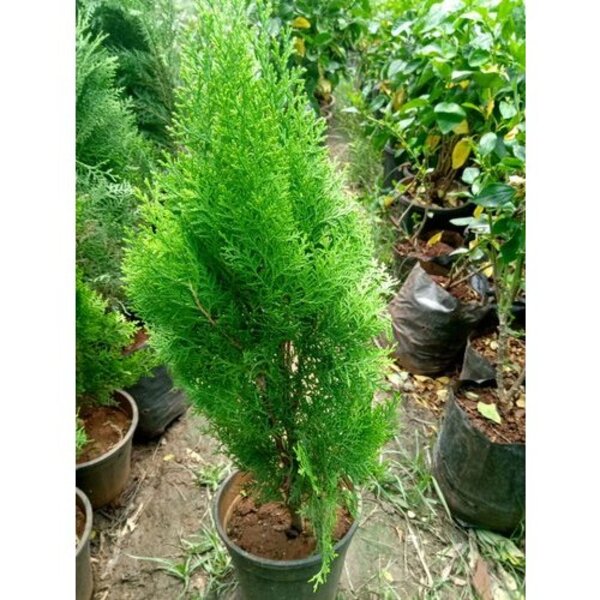
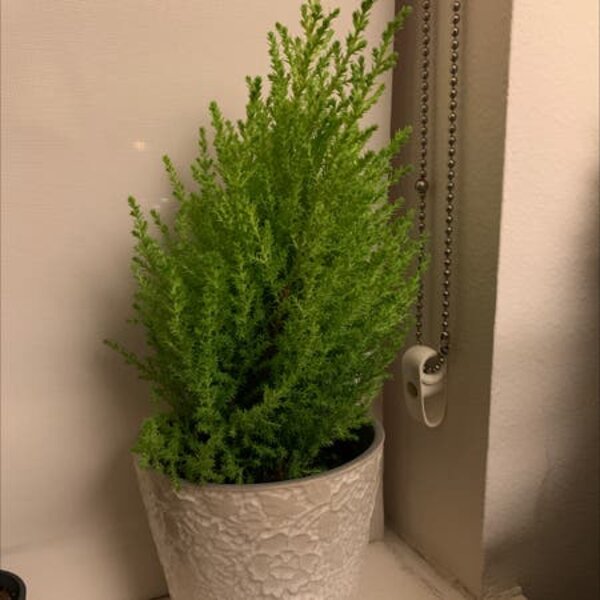
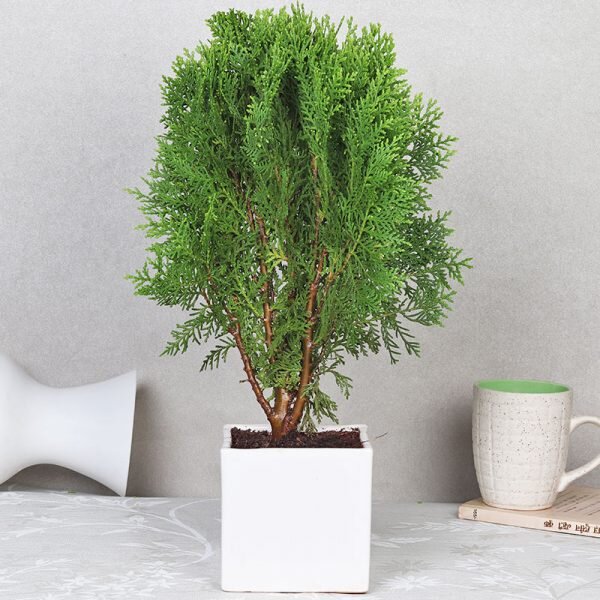
Oriental Arbor Vitae Plant

Original price was: ₹851.00.Current price is: ₹400.00.

Oriental Arbor Vitae Plant Details

  • Botanical Name:
    Platycladus orientalis (formerly classified as Thuja orientalis)
  • Common Names:
    Oriental Arbor Vitae, Chinese Arbor Vitae, Biota, Tree of Life.
  • Growth Habit:
    • Type: Evergreen coniferous tree or shrub.
    • Height: Grows up to 15–50 feet (4.5–15 meters) depending on the variety and environment.
    • Foliage: Dense, scale-like, fan-shaped leaves with a bright green hue that may turn bronze in winter.
  • Bloom Type:
    Conifer; produces small, inconspicuous flowers and oval, woody cones.
  • Color:
    Bright green foliage, with young cones being green and maturing to a brown shade.
  • Fragrance:
    Slightly resinous, characteristic of conifers.
  • Other Details:
    • Native Habitat: Eastern Asia, including China, Korea, and parts of Japan.
    • Hardiness Zones: USDA zones 6–11.
    • Soil: Prefers well-drained, sandy or loamy soil with neutral to slightly acidic pH.
    • Light: Thrives in full sun but tolerates partial shade.
    • Special Traits: Drought-resistant, low-maintenance, and suitable for landscaping.

Out of stock

SKU: PLA-INF-380 Category: Tags: ,

Planting Tips for Oriental Arbor Vitae Plant

  1. Site Selection:
    • Choose a location with full sunlight for best growth and dense foliage.
    • Ideal for hedges, borders, or standalone garden features.
  2. Soil Preparation:
    • Ensure soil is well-draining; amend with sand or organic matter if necessary.
    • Avoid heavy clay soils prone to waterlogging.
  3. Planting Process:
    • Plant saplings in spring or early fall.
    • Space plants 3–5 feet apart for hedges, depending on the desired density.
  4. Watering:
    • Water regularly during the first year to help the plant establish.
    • Once established, it requires minimal watering except in prolonged drought.
  5. Fertilizing:
    • Feed with a slow-release balanced fertilizer in early spring.
    • Avoid over-fertilizing as it can affect root health.
  6. Pruning and Maintenance:
    • Prune annually to shape and control size, especially when used for hedges.
    • Remove dead or damaged branches to encourage healthy growth.
  7. Pest and Disease Control:
    • Pests: Rarely affected by pests but watch for spider mites or bagworms.
    • Diseases: Ensure proper drainage to prevent root rot and fungal issues.
  8. Temperature and Care:
    • Hardy in a range of climates but thrives in warm to temperate regions.
    • Mulch around the base during winter to protect roots in colder zones.

Benefits and Uses

  • Ornamental Value:
    • Popular for hedging, windbreaks, and ornamental landscaping due to its dense, upright growth.
    • Suitable for bonsai cultivation and small gardens.
  • Cultural Significance:
    • Revered in Chinese traditions for its longevity and symbolic “Tree of Life” properties.
  • Medicinal Uses:
    • Used in traditional Chinese medicine for respiratory issues, fever reduction, and wound healing.
    • Extracts from leaves and seeds have antibacterial and anti-inflammatory properties.
  • Environmental Benefits:
    • Provides shelter for birds and small wildlife.
    • Acts as a natural windbreaker and air purifier in urban settings.

“Enhance your garden with the elegant and versatile Oriental Arbor Vitae Plant, now available at PlantsInfo!”