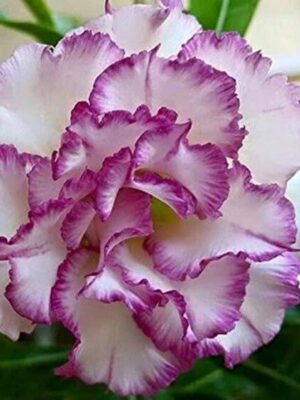
Choose a sunny location, as Adenium requires full sun for at least 6 hours a day.
Soil Preparation:
Plant in well-draining soil. Sandy, loamy soil works best. If planting in pots, use a cactus or succulent mix.
Planting Time:
Ideal to plant in spring or early summer when the temperatures are warm, allowing the plant to establish its roots.
Planting Process:
Dig a hole twice the size of the root ball.
Place the plant in the hole, ensuring the root collar is slightly above the soil level.
Backfill the hole, water thoroughly, and apply mulch around the base to retain moisture.
Watering:
Water thoroughly, allowing the soil to dry out between waterings. Avoid overwatering, as it can lead to root rot.
Reduce watering during the winter months when the plant is dormant.
Fertilizing:
Fertilize with a balanced, water-soluble fertilizer every 4-6 weeks during the growing season (spring to summer).
Use a fertilizer with higher potassium and phosphorus to encourage blooming.
Pruning and Maintenance:
Prune dead or damaged branches to maintain shape and promote healthy growth.
Regularly remove spent flowers to encourage more blooms.
Pest and Disease Control:
Pests: Adeniums are relatively pest-resistant but may occasionally attract aphids, mealybugs, or spider mites. Treat with neem oil or insecticidal soap if necessary.
Diseases: Overwatering can lead to root rot and fungal infections. Ensure proper drainage and avoid waterlogging.
Temperature and Care:
Rosy Adeniums thrive in warm temperatures between 70–95°F (21–35°C).
Protect from frost, as they are sensitive to cold.
Benefits and Uses
Ornamental Value:
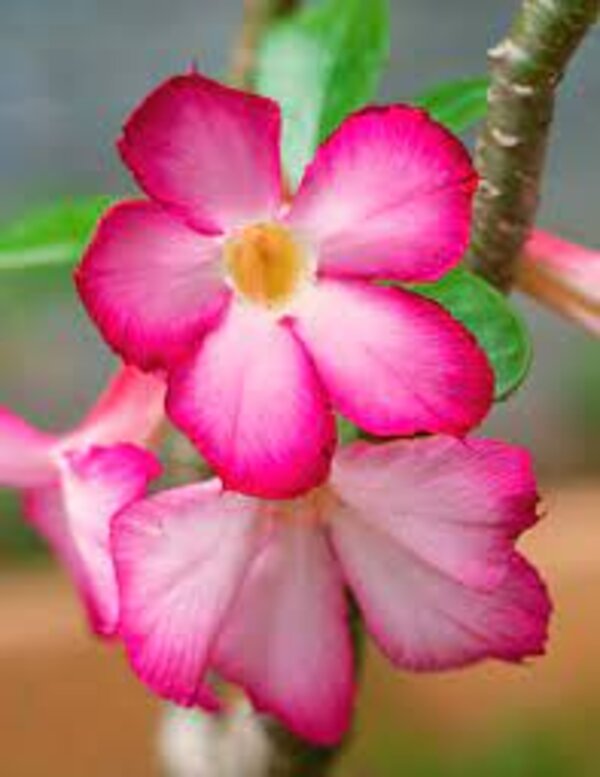
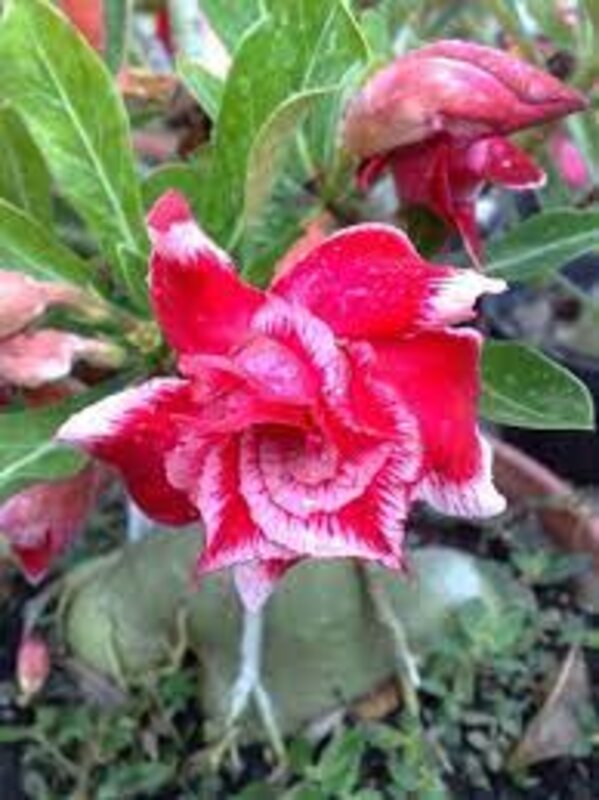
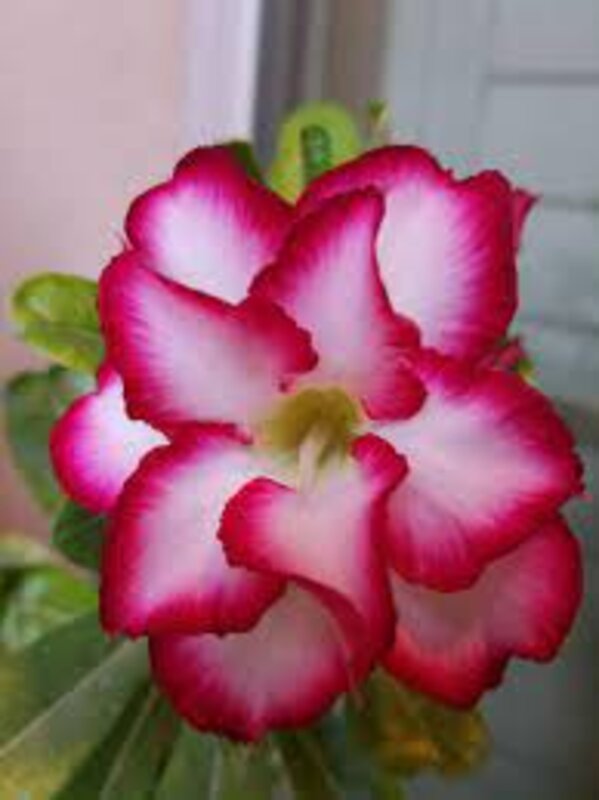
The striking, colorful blooms make it an attractive addition to gardens, patios, and balconies.
It is perfect for container gardening and landscaping.
Low Maintenance:
The Rosy Adenium is relatively easy to care for, requiring little water and being drought-tolerant once established.
Health Benefits:
The plant is also used in traditional medicine for various ailments, but caution is needed as it can be toxic if consumed improperly.
Aesthetic and Spiritual Value:
Adeniums are often used in bonsai or as decorative plants in homes and temples due to their stunning flowers and unique form.
The Rosy Adenium offers a beautiful and low-maintenance option for gardeners who want to add vibrant color and elegance to their outdoor spaces.
“Brighten your garden with the stunning Rosy Adenium, available online at PlantsInfo!”