₹850.00Original price was: ₹850.00.₹701.00Current price is: ₹701.00.
Mandarin Orange Fruit Plant Details
Botanical Name: Citrus reticulata
Common Names:
Mandarin Orange, Tangerine, Satsuma Orange, Clementine, Kinnow.
Fruit Type:
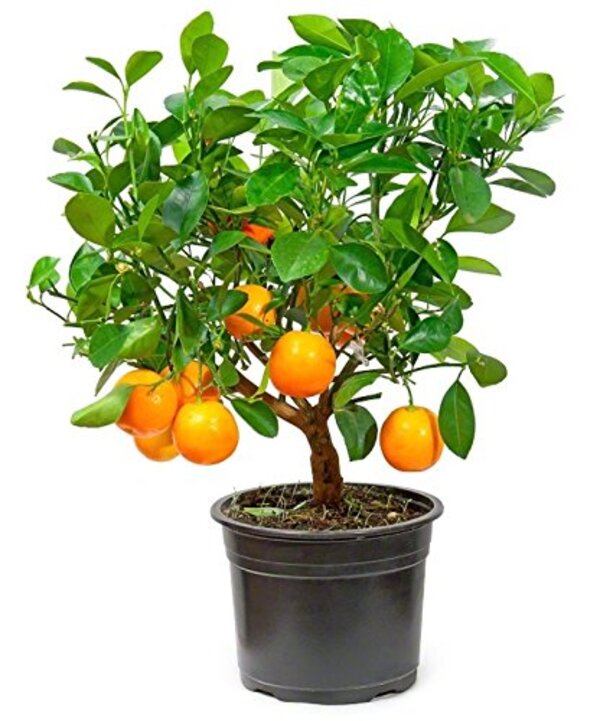
Mandarin oranges are small to medium-sized citrus fruits with loose, easy-to-peel skin and sweet, juicy segments.
Fruit Color:
Bright orange to reddish-orange when fully ripe.
Taste and Texture:
Mandarin oranges have a sweet, tangy flavor with a smooth, juicy texture. Their segments are seedless or have very few seeds, depending on the variety.
Growth Habit:
Type: Evergreen tree.
Height: Typically 8–12 feet (2.5–3.5 meters), but dwarf varieties can be smaller.
Spread: 6–10 feet (1.8–3 meters).
Lifespan: With proper care, mandarin trees can produce fruit for 20–30 years or more.
Other Details:
Native Habitat: Originates from Southeast Asia and has been widely cultivated across tropical and subtropical regions.
Hardiness Zones: USDA zones 9–11.
Soil: Prefers well-draining, sandy, or loamy soil with a slightly acidic to neutral pH.
Light: Requires full sun for optimal growth and fruiting.
Special Traits: Mandarin oranges are cold-tolerant compared to other citrus plants and are known for their high yield and aromatic, sweet fruits.
Choose a location with plenty of sunlight; mandarin orange trees need 6–8 hours of direct sunlight daily for optimal growth and fruiting.
Ensure the area is protected from strong winds, as citrus trees have delicate branches.
Soil Preparation:
Mandarin oranges prefer well-draining soil that is rich in organic matter.
If the soil is heavy clay or compacted, amend it with compost or sand to improve drainage.
Planting Time:
The best time to plant is in early spring or late summer, allowing the tree to establish before extreme heat or cold.
Planting Process:
Dig a hole twice as wide and deep as the root ball. Place the tree in the hole, ensuring the graft union (the swollen part where the tree is grafted) is above the soil level.
Backfill with soil and water thoroughly to eliminate air pockets.
Watering:
Water deeply and regularly, especially during the first year after planting. Allow the topsoil to dry out between waterings to prevent overwatering.
Established trees require less frequent watering but need consistent moisture during fruiting.
Fertilizing:
Use a citrus-specific fertilizer rich in nitrogen, applied in early spring and mid-summer.
Avoid over-fertilizing, which can result in excessive leaf growth at the expense of fruit production.
Pruning and Maintenance:
Prune annually to remove dead, damaged, or overcrowded branches and maintain an open canopy for better light penetration and air circulation.
Thin out small fruits if the tree is overloaded to improve the size and quality of the remaining fruits.
Pest and Disease Control:
Common Pests: Aphids, scale insects, citrus leaf miners, and spider mites. Use neem oil or insecticidal soap for control.
Diseases: Mandarin oranges can be affected by citrus canker and root rot. Regular pruning and proper drainage help prevent these issues.
Temperature and Care:
Mandarin trees tolerate mild frost better than most citrus varieties but should be protected during severe cold snaps.
Mulch around the tree’s base to retain soil moisture and regulate temperature.
Benefits and Uses:
Fruit: Mandarin oranges are highly nutritious and rich in vitamin C, fiber, and antioxidants. They are perfect for fresh consumption, juicing, or adding to salads and desserts.
Ornamental: The tree’s glossy leaves, fragrant flowers, and vibrant fruit make it a beautiful addition to gardens.
Medicinal: The fruit and peel are used in traditional medicine for their digestive and immune-boosting properties.
Wildlife: The fragrant blossoms attract bees and other pollinators.
The Mandarin Orange Fruit Plant is an excellent choice for home gardeners, offering fragrant flowers, attractive foliage, and a bounty of delicious, nutritious fruit. With minimal care, it thrives and enhances any garden.
“Experience the sweetness of mandarins with PlantsInfo!”