Black Rubber Plant

Original price was: ₹850.00.Current price is: ₹700.00.

Black Rubber Plant Details

  • Botanical Name:
    Ficus elastica
  • Common Names:
    Black Rubber Plant, Indian Rubber Plant, Burgundy Rubber Plant.
  • Bloom Type:
    The plant typically doesn’t flower indoors, but in its native habitat, it produces small, inconspicuous flowers.
  • Flower Color:
    Flowers are small and typically yellowish-green when the plant blooms outdoors.
  • Fragrance:
    The plant does not have a noticeable fragrance.
  • Growth Habit:
    • Type: Evergreen shrub or small tree.
    • Height: Can grow 4–10 feet (1.2–3 meters) indoors, reaching much taller heights in its natural environment.
    • Spread: Can spread up to 5–6 feet (1.5–2 meters) in width when grown in ideal conditions.
    • Lifespan: Long-lived, especially when kept indoors in optimal conditions.
  • Other Details:
    • Native Habitat: Native to Southeast Asia, including India, Nepal, and Indonesia.
    • Hardiness Zones: USDA zones 10–12; it thrives in warm, humid climates.
    • Soil: Prefers well-draining, slightly acidic to neutral soil.
    • Light: Best grown in bright, indirect light but can tolerate some low light conditions.
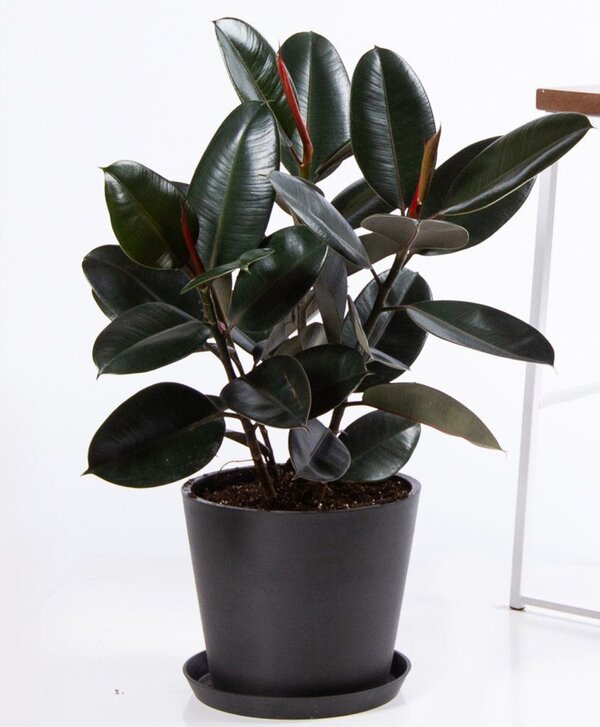
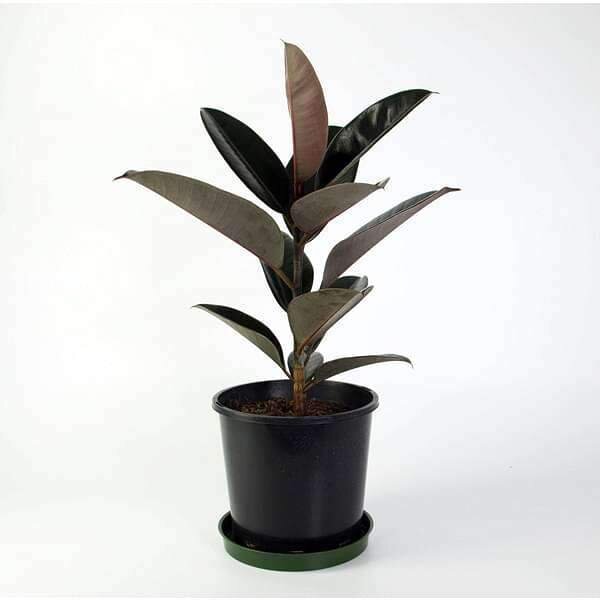
    • Special Traits: The Black Rubber Plant has deep burgundy to dark green foliage with a glossy finish. The dark, rich coloring makes it a unique and ornamental addition to any space.

Out of stock

Planting Tips for Black Rubber Plant

  1. Site Selection:
    • Place in a location with bright, indirect sunlight. Too much direct sunlight can scorch the leaves, while too little light can slow growth.
    • Ideal for placement near windows or in well-lit rooms.
  2. Soil Preparation:
    • Use a well-draining potting mix, such as a mix for houseplants or one designed for tropical plants.
    • Consider adding perlite or sand to improve drainage if using a general-purpose mix.
  3. Planting Time:
    • Plant in the spring or summer when the plant is actively growing.
  4. Planting Process:
    • Choose a pot that’s slightly larger than the root ball to allow for growth.
    • Ensure the pot has good drainage to prevent waterlogging and root rot.
    • Place the plant in the pot and fill it with soil, lightly packing it around the roots.
  5. Watering:
    • Water when the top 1–2 inches of soil are dry to the touch.
    • During winter months, reduce watering, as the plant enters a slower growth phase.
    • Be cautious not to overwater; rubber plants prefer their soil to dry out a bit between waterings.
  6. Fertilizing:
    • Feed with a balanced liquid fertilizer every 4–6 weeks during the growing season (spring to summer).
    • Reduce fertilizing during the fall and winter when the plant is not actively growing.
  7. Pruning:
    • Prune the plant regularly to maintain its shape and size.
    • Remove any yellow or damaged leaves, and trim back overly long stems to encourage bushier growth.
  8. Pest and Disease Control:
    • Common Pests: Spider mites, mealybugs, and scale insects. Treat with insecticidal soap or neem oil.
    • Diseases: Root rot caused by overwatering; ensure the soil drains well and avoid waterlogging.
  9. Temperature and Care:
    • Prefers warm conditions, ideally between 60–85°F (15–29°C).
    • Keep the plant away from drafts, air conditioners, or heating vents to prevent stress.

Benefits and Uses:

  • Ornamental: A striking plant with its dark, glossy leaves, it makes a bold statement in both home and office décor.
  • Air Purifier: Known to filter indoor air by removing toxins, making it a healthy addition to living spaces.
  • Low Maintenance: Requires minimal care and attention, making it ideal for beginner plant owners.
  • Aesthetic Appeal: The dark, rich color of the leaves adds a sophisticated touch to interior spaces.

The Black Rubber Plant is a versatile, low-maintenance houseplant that adds beauty, elegance, and air-purifying qualities to your home or office.

“Explore unique indoor plants like the Black Rubber Plant at PlantsInfo!”