Choose a sunny, well-drained location, ideally on a gentle slope for natural drainage.
Ensure protection from strong winds.
Soil Preparation:
Enrich the soil with compost or organic manure to improve fertility and drainage.
Test soil pH and adjust if necessary to achieve the slightly acidic range.
Planting Time:
Best planted in early spring or the monsoon season to allow roots to establish.
Planting Process:
Dig a hole twice the width and depth of the root ball.
Position the plant so the graft union is above ground level.
Backfill with soil, firm it gently, and water thoroughly.
Watering:
Water regularly during the first year, ensuring the soil stays moist but not waterlogged.
Reduce watering frequency once the plant is established.
Fertilizing:
Feed with a citrus-specific fertilizer rich in nitrogen and potassium every 3–4 months.
Supplement with organic compost annually to promote healthy growth.
Pruning:
Prune in late winter or early spring to remove dead or overcrowded branches and shape the canopy.
Thin out fruit clusters to improve fruit size and quality.
Pest and Disease Control:
Common Pests: Citrus aphids, fruit flies, and leaf miners; control with neem oil or insecticidal sprays.
Diseases: Citrus greening, root rot, and fungal infections; maintain proper hygiene and avoid waterlogging.
Cold Protection:
Protect from frost with mulching or frost covers in colder regions.
Harvesting:
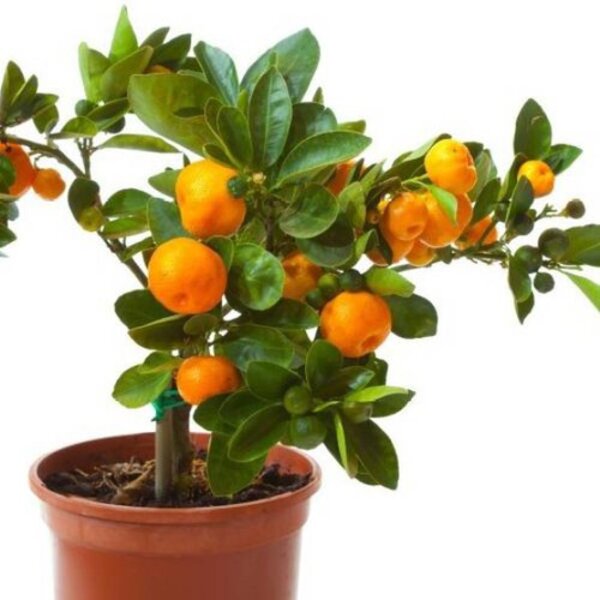
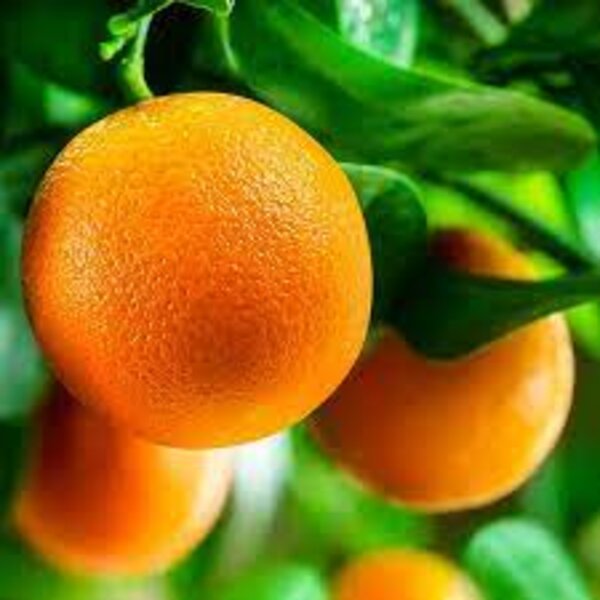
Fruits are ready to harvest when they turn bright orange and detach easily from the stem.
Pick carefully to avoid bruising.
Benefits and Uses:
Culinary: Eat fresh, used in juices, marmalades, and desserts.
Nutritional: High in vitamin C, fiber, and antioxidants, boosting immunity and digestion.
Medicinal: Traditionally used for its detoxifying and revitalizing properties.
Ornamental: The lush foliage, fragrant blossoms, and vibrant fruits enhance any garden or orchard.
The Darjeeling Orange Plant is a prized citrus variety known for its sweet, tangy flavor and cultural significance in Himalayan regions, making it a delightful addition to any garden.
“Uncover more exquisite fruit plants at PlantsInfo!”