


Nagpur Orange Plant

Original price was: ₹951.00.Current price is: ₹651.00.

Nagpur Orange Fruit Plant Details

  • Botanical Name:
    Citrus reticulata
  • Common Names:
    Nagpur Orange, Mandarin Orange, Santra (in Hindi).
  • Fruit Type:
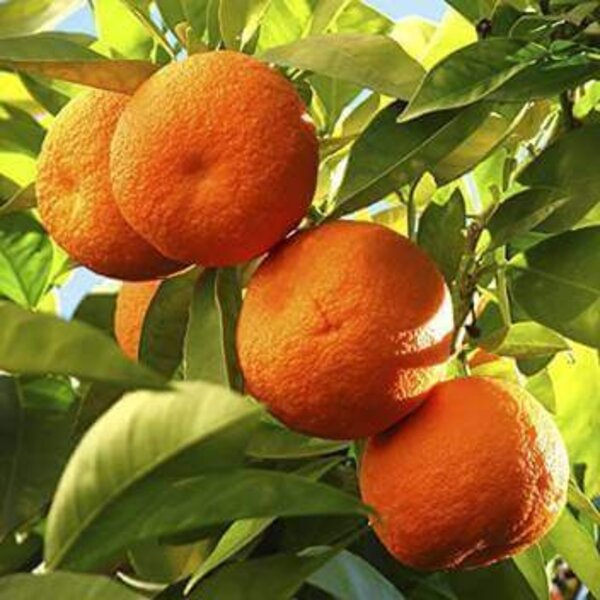
    Small to medium-sized, round to slightly flattened fruit with loose, easy-to-peel skin and sweet, juicy segments.
  • Fruit Color:
    Bright orange rind and pulp when ripe.
  • Fragrance:
    Refreshing citrus aroma, most noticeable when peeling the fruit.
  • Growth Habit:
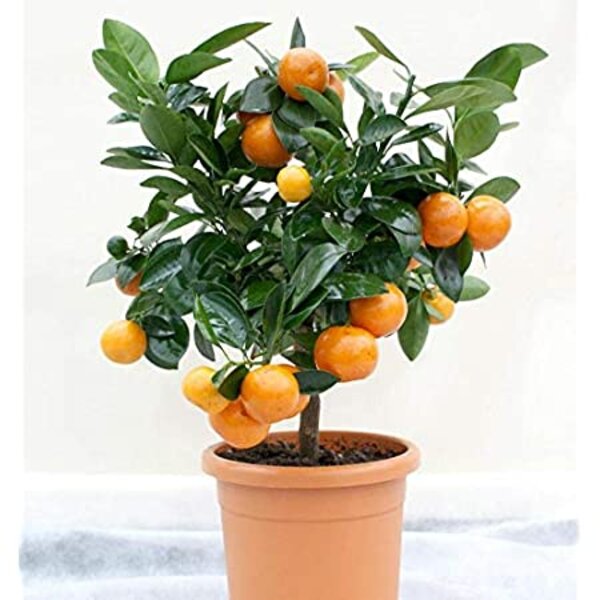
    • Type: Evergreen, compact tree.
    • Height: 8–15 feet (2.5–4.5 meters) at maturity, suitable for small spaces.
    • Spread: Dense, rounded canopy with glossy, dark green leaves.
    • Lifespan: Long-lived; trees can remain productive for over 50 years with proper care.
  • Other Details:
    • Native Habitat: Indigenous to India, particularly thriving in the Nagpur region of Maharashtra, known for its favorable climate and soil.
    • Hardiness Zones: USDA zones 9–11.
    • Soil: Prefers well-drained, sandy loam soil with a slightly acidic to neutral pH.
    • Light: Requires full sun for at least 6–8 hours daily for optimal growth and fruiting.
    • Special Traits: Renowned for its sweetness, thin peel, and seed-rich segments.

Out of stock

Planting Tips for Nagpur Orange Plant

  1. Site Selection:
    • Choose a sunny, well-ventilated location with good drainage.
    • Ensure ample space for the tree to spread and avoid waterlogged areas.
  2. Soil Preparation:
    • Enrich the soil with organic matter, such as compost or well-rotted manure.
    • Test and adjust the soil pH to be slightly acidic (around 6.0–7.0).
  3. Planting Time:
    • Best planted during early spring or monsoon season for optimal establishment.
  4. Planting Process:
    • Dig a hole twice the width and depth of the root ball.
    • Place the plant in the hole, ensuring the graft union is a few inches above the soil.
    • Backfill with soil and water thoroughly.
  5. Watering:
    • Water regularly during the first year to establish strong roots.
    • Mature trees require moderate watering, with increased frequency during flowering and fruiting.
  6. Fertilizing:
    • Apply a citrus-specific fertilizer rich in nitrogen, phosphorus, and potassium every 3–4 months during the growing season.
    • Mulch around the base with organic matter to retain moisture and enrich the soil.
  7. Pruning:
    • Prune annually in late winter or early spring to shape the tree and remove dead or diseased branches.
    • Thin out excessive fruit to improve the size and sweetness of the remaining crop.
  8. Pest and Disease Control:
    • Common Pests: Citrus aphids, whiteflies, and fruit borers. Control with neem oil or insecticidal sprays.
    • Diseases: Watch for citrus canker and root rot; maintain proper hygiene and use fungicides if necessary.
  9. Frost Protection:
    • Protect young trees from frost with mulch or covers in cooler climates.
  10. Harvesting:
    • Fruits are ready to pick when they turn bright orange and are slightly soft to the touch.
    • Use clippers or gently twist the fruit of the branch to avoid damage.

Benefits and Uses:

  • Culinary: Enjoyed fresh or used in juices, salads, jams, and desserts.
  • Nutritional: Rich in vitamin C, potassium, and antioxidants, boosting immunity and heart health.
  • Medicinal: Traditionally used to treat colds, aid digestion, and improve skin health.
  • Ornamental: Adds beauty to gardens with its fragrant blossoms, lush foliage, and vibrant fruits.

Nagpur Oranges are a symbol of quality and sweetness, making them a prized addition to any orchard or garden.

“Learn more about cultivating premium fruit plants at PlantsInfo!”