Bloom Type:
The Christina Tree is known for its beautiful, bell-shaped flowers that appear in clusters. These flowers are quite attractive and can be a focal point in any garden or landscape.
Color:
Flowers: The flowers are typically white or pale cream, and they stand out with their delicate appearance.
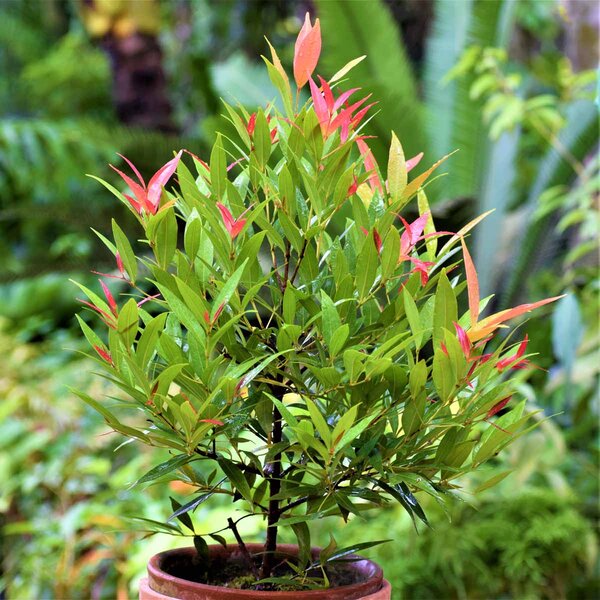
Foliage: The leaves are bright green, elliptical, and have a smooth texture, which adds a rich green backdrop to the beautiful blooms.
Fragrance:
The flowers of the Christina Tree are mildly fragrant, offering a pleasant scent that is not overpowering but adds to the charm of the plant.
Growth Habit:
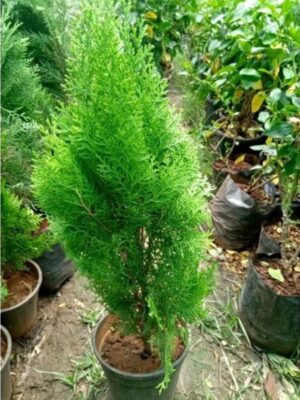
This plant has a small to medium-sized, compact growth habit. It can grow up to 4-6 feet (1.2-1.8 meters) in height, making it suitable for smaller gardens or as an ornamental shrub. The tree tends to grow in a rounded, dense form and can also be pruned into a hedge or topiary shape. It is a slow-growing plant, which makes it an ideal choice for those looking for a manageable-sized tree.
Other Details:
Hardiness: This plant thrives in tropical and subtropical climates, and is suitable for USDA zones 10-11.
Edible Fruit: The plant is closely related to other species in the Syzygium genus and may produce small, round fruits that are edible when ripe, although they are not commonly harvested.
Special Features:
This plant is known for its ability to be shaped into hedges or topiary designs due to its dense foliage.
The tree can tolerate light frost, though it prefers warmer climates.
Sunlight:
Christina Tree thrives in full to partial sunlight. It can tolerate some shade, but to encourage the best growth and flowering, it should receive at least 4-6 hours of direct sunlight per day.
Soil:
The Christina Tree prefers well-draining, slightly acidic to neutral soil. It can grow in sandy, loamy, or clay soils, but good drainage is essential to prevent root rot. Enriching the soil with organic matter can improve the plant’s health.
Watering:
Water the tree regularly, especially during the growing season. Keep the soil moist but not waterlogged. Allow the top few inches of the soil to dry between waterings. During the winter, reduce watering slightly, as the tree’s growth slows down.
Temperature:
Christina Tree prefers warm temperatures between 65-85°F (18-29°C) and does not tolerate frost. Protect it from strong winds and cold drafts, especially in colder regions.
Fertilizer:
Fertilize the tree during the growing season (spring through autumn) with a balanced, slow-release fertilizer. Reduce or stop fertilizing during the dormant period in winter.
Pruning:
Regular pruning is essential to maintain the compact form of the Christina Tree. Trim back any dead or diseased branches, and shape the tree to your desired form. Pruning also helps encourage denser growth and better flowering.
Propagation:
The Christina Tree can be propagated through softwood or semi-hardwood cuttings. Take a 4-6 inch cutting with a few leaves, remove the lower leaves, and plant the cutting in a pot with well-draining soil. Keep the cutting in a warm, humid environment until roots develop.
Pests and Diseases:
The tree is relatively pest-resistant, but you should keep an eye out for common garden pests such as aphids or scale insects. If you notice any infestations, treat the plant with an organic insecticide. Fungal diseases can occur in very humid conditions, so ensure good air circulation around the plant.
PlantsInfo Note:
Add elegance and charm to your landscape with the Christina Tree. Its beautiful blooms and attractive form make it an ideal ornamental plant. Visit PlantsInfo for more expert gardening advice and plant care tips! 🌿