₹650.00Original price was: ₹650.00.₹500.00Current price is: ₹500.00.
Sampen Palm Plant Details
Botanical Name:
Commonly referred to as “Sampen Palm,” it may be a local or colloquial name for a specific palm species. Could you clarify or provide the exact species?
For now, this guide refers to general palm plant care and attributes for ornamental palms.
Common Names:
Sampen Palm (local name), Ornamental Palm (general classification).
Bloom Type:
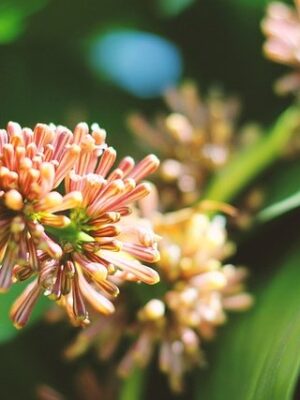
Produces small, inconspicuous flowers arranged in clusters on inflorescences.
Fruit Color:
May vary depending on the species—commonly green when unripe, maturing to shades of yellow, orange, or black.
Fragrance:
Flowers typically have a mild, earthy fragrance.
Growth Habit:
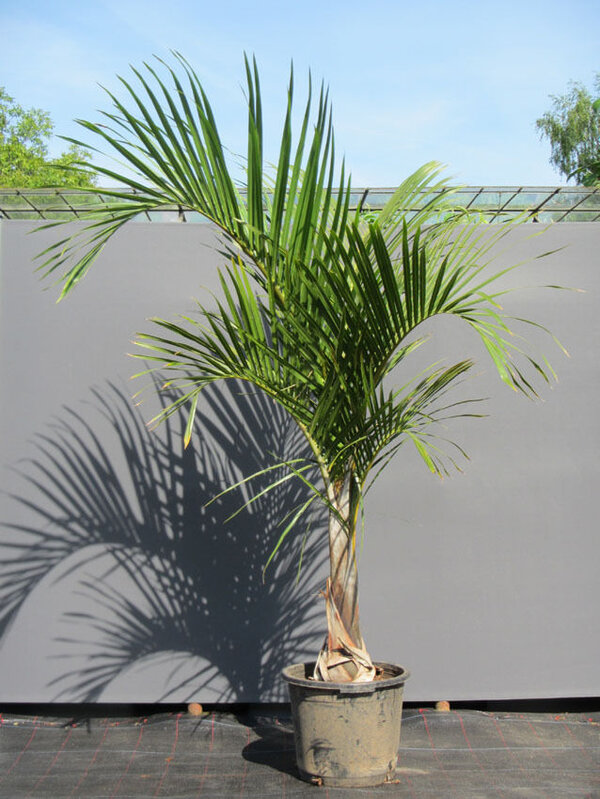
Type: Evergreen palm, may grow as a single-stem or clustering palm depending on the variety.
Height: Ranges from 10–30 feet (3–9 meters) for smaller palms; taller species may grow up to 50 feet (15 meters).
Spread: Canopy width varies from 6–15 feet (2–5 meters).
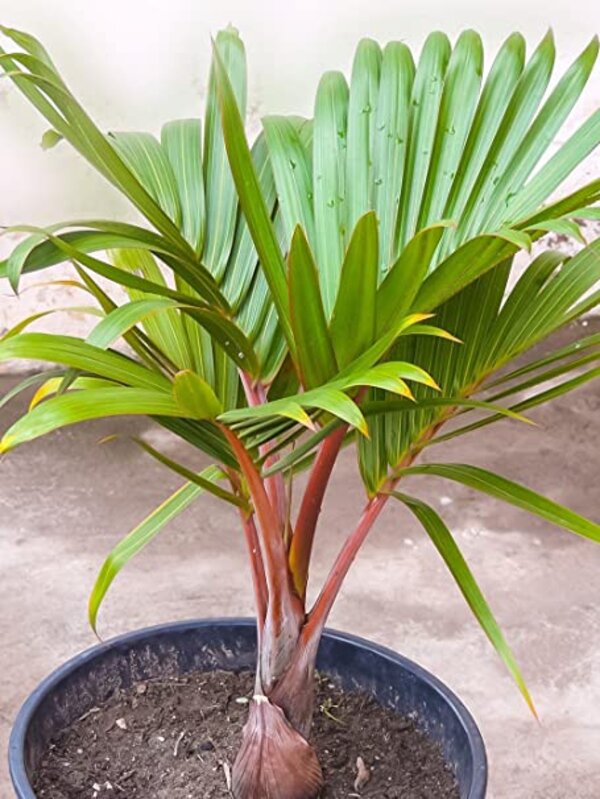
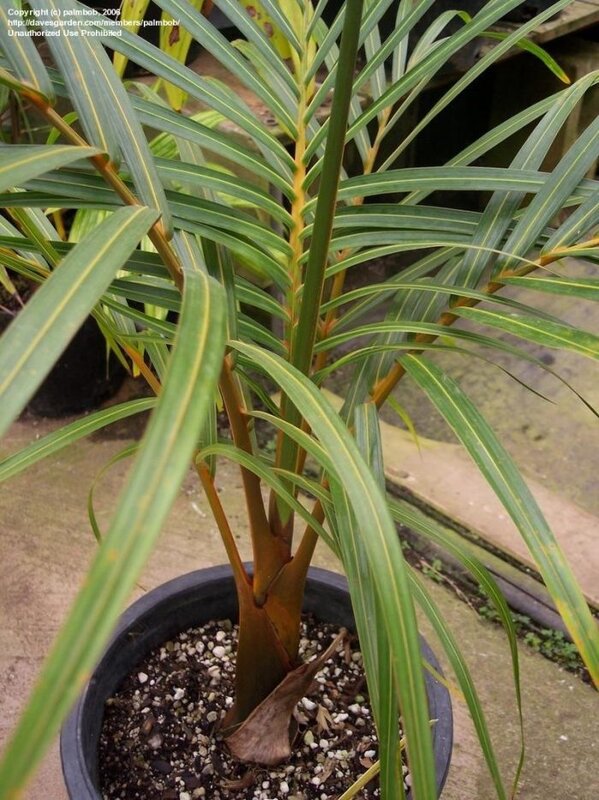
Leaves: Pinnate (feather-like) or palmate (fan-shaped), with a lush green appearance.
Other Details:
Native Habitat: Palms are native to tropical and subtropical regions, thriving in warm and humid climates.
Hardiness Zones: Generally USDA zones 9–11.
Soil: Prefers well-draining, sandy, or loamy soil with slightly acidic to neutral pH.
Light: Requires full sun to partial shade, depending on the species.
Choose a location with ample sunlight and good air circulation.
Ensure sufficient space for the palm to grow to its mature size.
Soil Preparation:
Use well-draining soil enriched with organic matter.
Avoid compacted or waterlogged areas to prevent root rot.
Planting Time:
Ideal planting is in spring or early summer for tropical regions.
Container-grown palms can be transplanted year-round in frost-free climates.
Planting Process:
Dig a hole twice the size of the root ball and place the sapling.
Backfill with soil, gently firm it around the roots, and water deeply.
Watering:
Water young palms regularly to establish roots.
Mature palms are moderately drought-tolerant but benefit from consistent watering during dry periods.
Fertilizing:
Apply palm-specific fertilizer with essential nutrients like nitrogen, potassium, and magnesium.
Feed 2–3 times a year during the growing season.
Pruning:
Remove dead or yellowing fronds regularly.
Avoid over-pruning, as it may weaken the plant.
Pest and Disease Control:
Common Pests: Scale insects, spider mites, and mealybugs. Use neem oil or systemic pesticides if needed.
Diseases: Watch for leaf spots, root rot, or fungal infections in poorly drained soil.
Cold Protection:
For regions prone to frost, use mulch around the base or cover young palms with frost cloth.
Potted palms can be moved indoors during colder months.
Additional Tips:
Regularly monitor soil moisture levels, especially during the hot season.
Mulch around the plant base to conserve water and regulate soil temperature.
With its striking appearance, the Sampen Palm adds a tropical vibe to landscapes and gardens, making it a valuable addition to outdoor or indoor spaces.