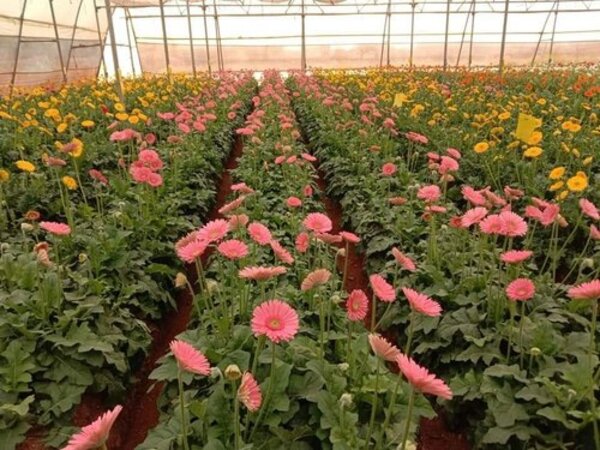
Soil: Well-drained, sandy, or loamy soil with a slightly acidic pH (5.5-6.5).
Watering: Requires regular watering; keep soil moist but avoid waterlogging.
Ideal Planting Time:
Spring or early summer.
Soil Preparation:
Amend soil with compost or organic matter to improve drainage and fertility.
Avoid heavy clay soils.
Watering Routine:
Water deeply once or twice a week, depending on weather conditions.
Reduce watering during the dormant season.
Fertilizing:
Apply a balanced, water-soluble fertilizer every two weeks during the growing season.
Pruning:
Remove spent blooms to encourage continuous flowering.
Trim yellow or damaged leaves as needed.
Pest and Disease Control:
Watch for pests like aphids, spider mites, and whiteflies.
Use insecticidal soap or neem oil as needed.
Prevent fungal diseases by avoiding overhead watering and ensuring good air circulation.
Pollination Requirements:
Pollinated by insects such as bees and butterflies.
Benefits and Uses:
Nutritional Value: Not applicable as the plant is ornamental.
Aesthetic Value: Ideal for gardens, borders, containers, and cut flowers for bouquets.
Ecological Role: Attracts pollinators like bees and butterflies, enhancing garden biodiversity.
Special Notes:
Discover more vibrant plants like the Gerbera Daisy Flower and explore gardening tips on PlantsInfo—your comprehensive guide to plant care and insights!