
SALE

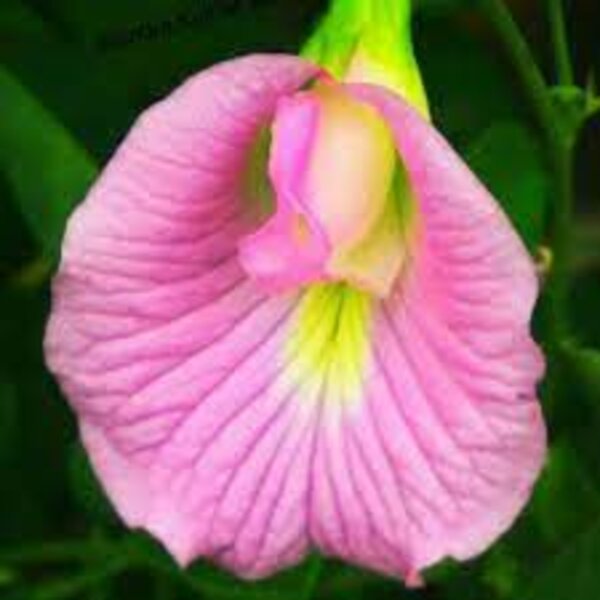
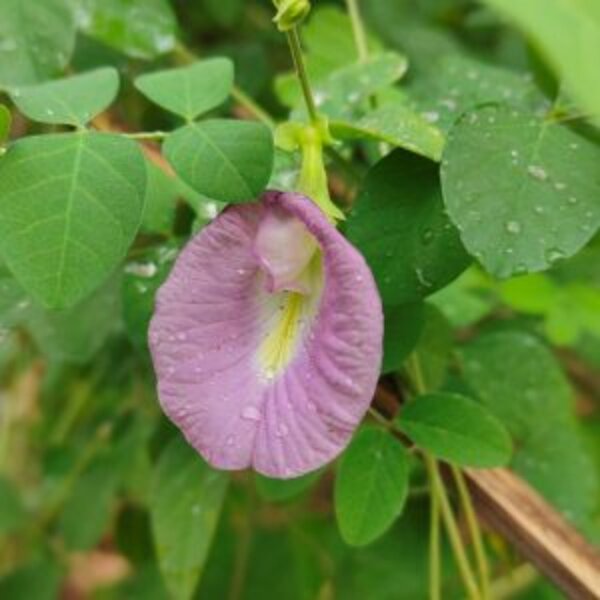


Asian Pigeonwings Plant, Pink
Original price was: ₹650.00.₹451.00Current price is: ₹451.00.
Asian Pigeonwings Plant Details
Plant Name:
Common Name: Asian Pigeonwings
Botanical Name: Clitoria ternatea
Plant Characteristics
- Botanical Name: Clitoria ternatea
- Common Names: Asian Pigeonwings, Butterfly Pea, Aparajita
- Type: Perennial climbing vine
- Height: Grows up to 6-10 feet with support; spreads widely as a ground cover
- Leaves:
- Shape: Oval to elliptical
- Color: Bright green
- Texture: Smooth
- Flowers:
- Color: Vibrant blue, white, or purple
- Shape: Pea-shaped with a prominent keel
- Fragrance: Mildly aromatic
- Bloom Season: Spring through late autumn
- Fruits:
- Shape: Flat, elongated pods containing small seeds
- Color: Green when immature, turning brown when mature
- Harvest Time: Late summer to early fall
- Native Habitat: Tropical and subtropical regions of Asia
- Other Details:
- Flowers are widely used in herbal teas, food coloring, and traditional medicine
- Known for its resilience and ability to thrive in diverse climates
Planting Tips for Asian Pigeonwings
Growing Requirements
USDA Zone:
- Suitable for zones 9-11
Light:
- Prefers full sun but can tolerate partial shade
Soil:
- Thrives in well-drained, loamy soil with a pH of 6.0-7.5
Watering:
- Requires moderate watering; keep the soil slightly moist
Ideal Planting Time
- Best planted in spring or early summer
Soil Preparation
- Enrich soil with compost or organic matter for better fertility
- Ensure good drainage by adding sand if needed
Watering Routine
- Water deeply once a week during dry periods
- Reduce watering during rainy seasons
Fertilizing
- Use a balanced fertilizer every 4-6 weeks during active growth
Pruning
- Prune lightly after flowering to maintain shape and encourage new blooms
- Remove dead or weak stems regularly
Pest and Disease Control
- Common Issues: Aphids, spider mites, and fungal infections
- Solutions: Apply neem oil or insecticidal soap for pests; avoid overwatering to prevent fungal issues
Pollination Requirements
- Self-pollinating but benefits from bees and other pollinators
Benefits and Uses
Nutritional Value
- Rich in antioxidants and flavonoids
- Used in traditional medicine for its anti-inflammatory and stress-reducing properties
Aesthetic Value
- Perfect for trellises, fences, and hanging baskets
- Adds vibrant color to gardens and outdoor spaces
Ecological Role
- Attracts bees, butterflies, and other pollinators
- Improves soil fertility by fixing nitrogen
Special Notes
Discover the unique benefits of the Asian Pigeonwings Plant and more at PlantsInfo!
Related products
-
SOLD OUT 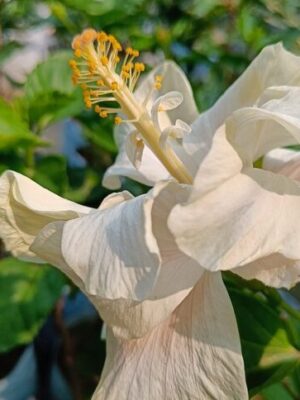
Austrian Hibiscus Plant, White Thoka
₹550.00 -
SOLD OUT 
Austrian Hibiscus Plant, Pink
₹550.00 -
SALE SOLD OUT 
Austrian Hibiscus Plant, White And Pink Shaded
Original price was: ₹550.00.₹451.00Current price is: ₹451.00. -
SALE SOLD OUT 
Abracadabra Rose, Red and Yellow
Original price was: ₹550.00.₹451.00Current price is: ₹451.00.