
SOLD OUT


Austrian Hibiscus Plant, Black Dragon
Original price was: ₹550.00.₹451.00Current price is: ₹451.00.
Austrian Hibiscus Plant Details
Plant Name:
Common Name: Austrian Hibiscus
Botanical Name: Hibiscus rosa-sinensis
Plant Characteristics
- Botanical Name: Hibiscus rosa-sinensis
- Common Names: Austrian Hibiscus, Chinese Hibiscus, Rose Mallow
- Type: Evergreen flowering shrub
- Height: Grows up to 6-15 feet tall with a spread of 4-8 feet
- Leaves:
- Shape: Oval with serrated edges
- Color: Glossy green
- Texture: Smooth and leathery
- Flowers:
- Color: Bright red, pink, yellow, orange, or white
- Shape: Large, funnel-shaped with five petals and prominent stamens
- Fragrance: Mild or non-fragrant, depending on the variety
- Bloom Season: Year-round in tropical climates; spring to autumn in temperate regions
- Fruits:
- Shape: Capsule-like with small seeds
- Color: Brown when mature
- Harvest Time: Late summer to autumn
- Native Habitat: Tropical and subtropical regions, widely cultivated worldwide
- Other Details:
- Popular ornamental plant known for its stunning, showy blooms
- Often used in hedges, containers, and landscaping
Out of stock
Planting Tips for Austrian Hibiscus
Growing Requirements
USDA Zone:
- Thrives in zones 9-11
Light:
- Prefers full sun for best flowering but tolerates partial shade
Soil:
- Well-drained, fertile loamy soil with a pH of 6.0–7.5
Watering:
- Requires moderate watering; keep the soil evenly moist but not waterlogged
Ideal Planting Time
- Best planted in spring when frost risk is minimal
Soil Preparation
- Mix compost or organic matter into the soil to boost fertility
- Ensure good drainage to prevent root rot
Watering Routine
- Water deeply 2-3 times a week during hot weather
- Reduce watering in cooler months
Fertilizing
- Apply a high-potassium fertilizer every 4-6 weeks during the growing season
Pruning
- Prune in late winter or early spring to maintain shape and encourage new growth
- Deadhead spent flowers to extend the blooming period
Pest and Disease Control
- Common Issues: Aphids, whiteflies, and fungal infections
- Solutions: Use neem oil for pests; ensure proper air circulation to prevent fungal issues
Pollination Requirements
- Self-pollinating but attracts bees and butterflies for enhanced pollination
Benefits and Uses
Nutritional Value
- Not edible; primarily used as an ornamental plant
Aesthetic Value
- Perfect for creating vibrant hedges, garden beds, or potted displays
- Adds a tropical charm to any landscape
Ecological Role
- Attracts pollinators like bees and butterflies
- Provides a habitat for beneficial insects
Special Notes
Bring a tropical vibe to your garden with the stunning Austrian Hibiscus! Visit PlantsInfo to explore more vibrant plant species.
Related products
-
SOLD OUT 
Aparajita Flowering Plant, White
₹550.00 -
SALE SOLD OUT 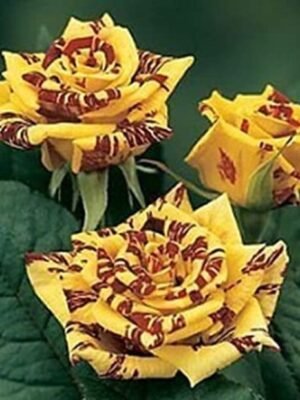
Abracadabra Rose Plant, Yellow Stripe
Original price was: ₹550.00.₹451.00Current price is: ₹451.00. -
SOLD OUT 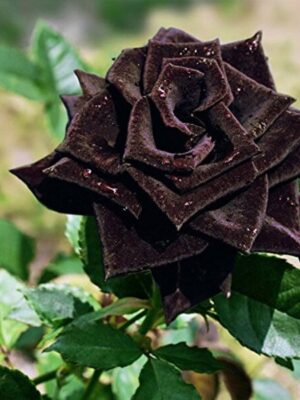
Black Rose Plant
₹550.00 -
SALE SOLD OUT 
Austrian Hibiscus Plant, White And Red Shaded
Original price was: ₹550.00.₹451.00Current price is: ₹451.00.