₹751.00Original price was: ₹751.00.₹451.00Current price is: ₹451.00.
Planting Tips for Euphorbia Flowering Plant
Growing Requirements
USDA Zone: 6-11, depending on the species
Light: Full sun to partial shade (some varieties tolerate full sun better than others)
Soil: Well-draining, sandy or loamy soil with a slightly acidic to neutral pH (6.0-7.0)
Watering: Moderate, drought-tolerant once established; avoid overwatering
Ideal Planting Time
Spring or early fall
Soil Preparation
Ensure soil is light and well-draining; add sand or perlite to improve drainage if necessary.
Watering Routine
Water deeply when the soil is dry to the touch, but allow the soil to dry out completely between waterings to prevent root rot.
Fertilizing
Feed with a balanced liquid fertilizer once a month during the growing season, especially in poor soil.
Pruning
Prune back dead or damaged stems in early spring to promote new growth and maintain shape.
Pest and Disease Control
Generally resistant to pests and diseases, though can occasionally suffer from aphids, mealybugs, and fungal issues in overly wet conditions. Use organic insecticidal soap as needed.
Pollination Requirements
Most Euphorbia species are insect-pollinated, but some are self-pollinating depending on the variety.
Benefits and Uses
Aesthetic Value
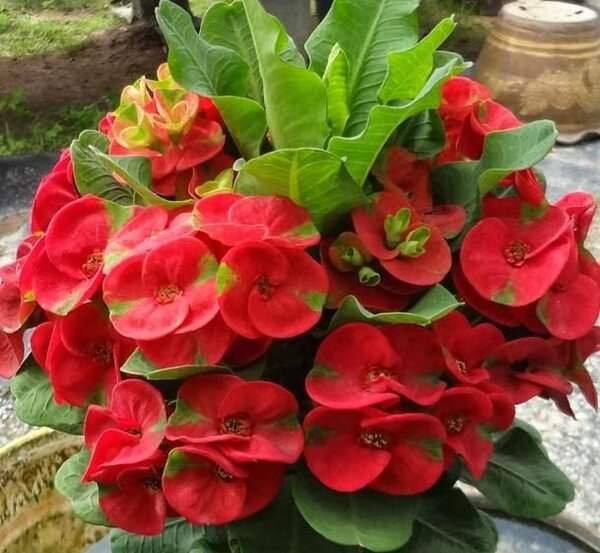
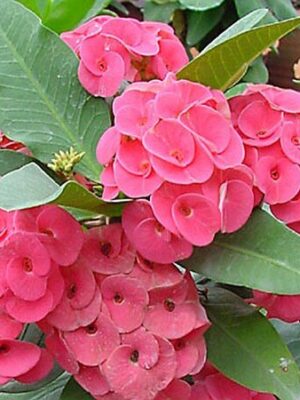
Widely used in landscaping for their unique, colorful bracts and low-maintenance nature. Popular as border plants, in rock gardens, or as ground covers.
Ecological Role
Attracts pollinators such as bees and butterflies. Some species are used in erosion control.
Medicinal Value
Certain species of Euphorbia have been used in traditional medicine for their purported anti-inflammatory properties, but caution is advised due to the toxic sap.
Special Notes
“Get your Euphorbia Flowering Plant at PlantsInfo to add a splash of color and beauty to your garden or landscape!”
Light: Full sun to partial shade (some varieties tolerate full sun better than others)
Soil: Well-draining, sandy or loamy soil with a slightly acidic to neutral pH (6.0-7.0)
Watering: Moderate, drought-tolerant once established; avoid overwatering
Ideal Planting Time
Spring or early fall
Soil Preparation
Ensure soil is light and well-draining; add sand or perlite to improve drainage if necessary.
Watering Routine
Water deeply when the soil is dry to the touch, but allow the soil to dry out completely between waterings to prevent root rot.
Fertilizing
Feed with a balanced liquid fertilizer once a month during the growing season, especially in poor soil.
Pruning
Prune back dead or damaged stems in early spring to promote new growth and maintain shape.
Pest and Disease Control
Generally resistant to pests and diseases, though can occasionally suffer from aphids, mealybugs, and fungal issues in overly wet conditions. Use organic insecticidal soap as needed.
Pollination Requirements
Most Euphorbia species are insect-pollinated, but some are self-pollinating depending on the variety.
Benefits and Uses
Aesthetic Value
Widely used in landscaping for their unique, colorful bracts and low-maintenance nature. Popular as border plants, in rock gardens, or as ground covers.
Ecological Role
Attracts pollinators such as bees and butterflies. Some species are used in erosion control.
Medicinal Value
Certain species of Euphorbia have been used in traditional medicine for their purported anti-inflammatory properties, but caution is advised due to the toxic sap.
Special Notes
“Get your Euphorbia Flowering Plant at PlantsInfo to add a splash of color and beauty to your garden or landscape!”