
SOLD OUT
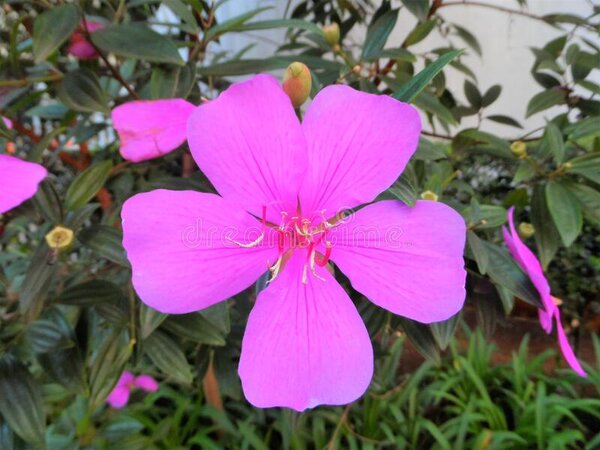
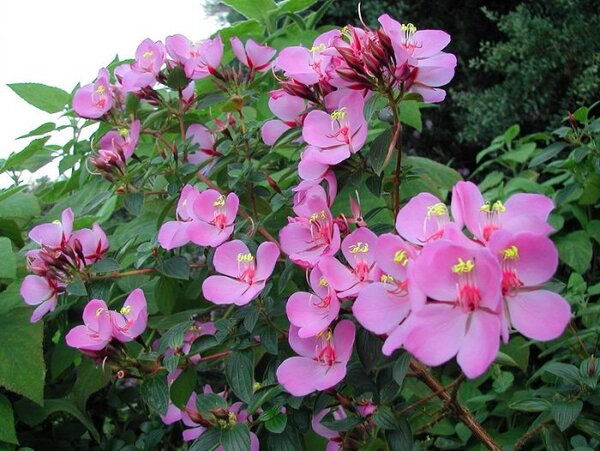
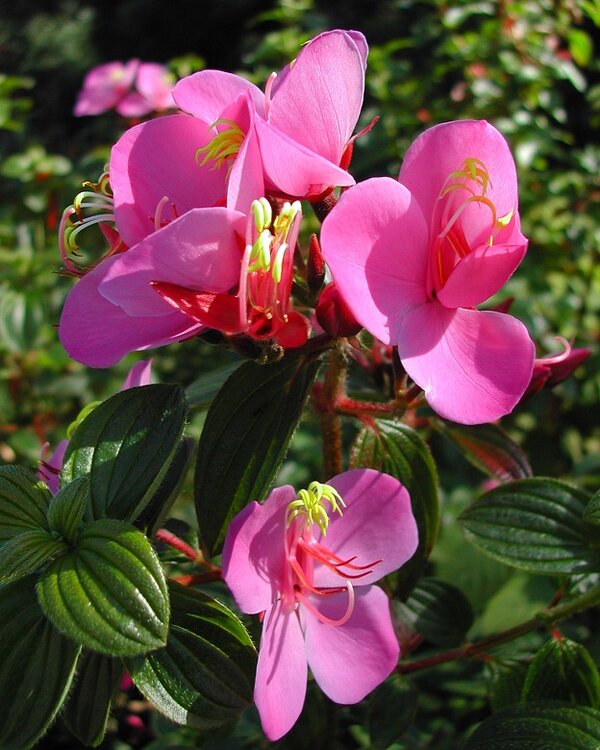
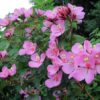
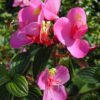
Pink Tibouchina Flower Plant
Original price was: ₹700.00.₹451.00Current price is: ₹451.00.
Tibouchina Flower Plant Details
- Botanical Name:
Tibouchina spp. (most commonly Tibouchina urvilleana or Tibouchina grandiflora). - Common Names:
Princess Flower, Glory Bush, Purple Glory Tree, Lasiandra. - Bloom Type:
Single, large blooms with five distinct petals. The flowers are velvety and vivid. - Bloom Color:
Purple, violet, or lavender shades. Some species may have deeper or slightly reddish-purple hues. - Fragrance:
Tibouchina flowers are not particularly fragrant. They are prized more for their visual appeal. - Growth Habit:
- Growth Form: Shrub or small tree.
- Height: 4–10 feet (1.2–3 meters), but can grow taller in native conditions.
- Spread: Bushy growth with a width of 4–6 feet (1.2–1.8 meters).
- Leaves: Dark green, oval, and velvety with prominent veins, often turning bronze or reddish when new.
- Other Details:
- Native Habitat: Tropical and subtropical South America, especially Brazil.
- Lifespan: Perennial in warm climates; grown as an annual or potted plant in colder regions.
- Wildlife Attractant: Attracts pollinators such as bees and butterflies.
- Light Requirements: Full sun to partial shade.
- Soil: Prefers well-drained, acidic soil enriched with organic matter.
- Hardiness Zones: USDA zones 9–11 (frost-sensitive).
Out of stock
Related products
-
SOLD OUT 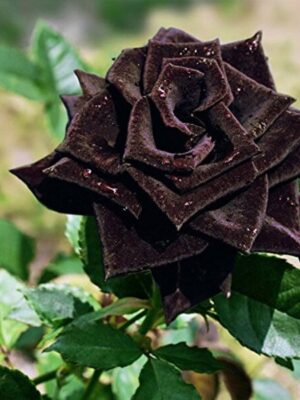
Black Rose Plant
₹550.00 -
SALE 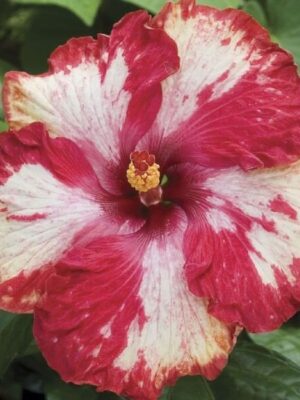
Austrian Hibiscus Plant, Purple Magic
Original price was: ₹550.00.₹451.00Current price is: ₹451.00. -
SOLD OUT 
Austrian Hibiscus Plant, Orange
₹550.00 -
SOLD OUT 
Austrian Hibiscus Plant, Pink
₹550.00