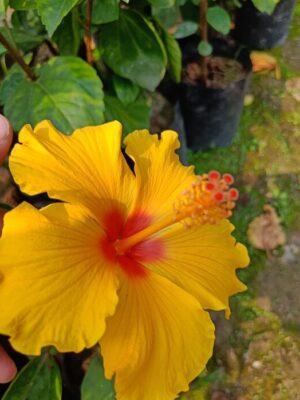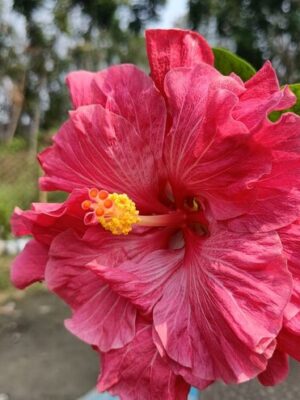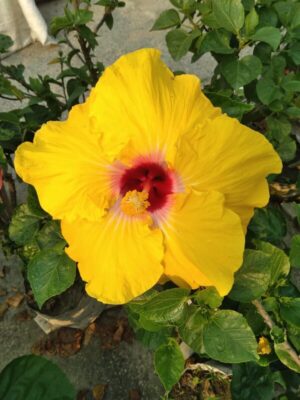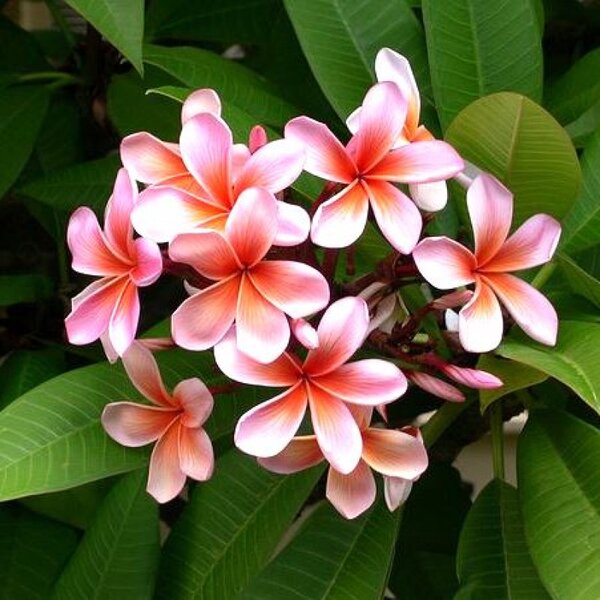
Plumeria Flower Plant, Pink

Original price was: ₹650.00.Current price is: ₹451.00.

Plumeria Flower Plant Details

  • Botanical Name:
    Plumeria rubra
  • Common Names:
    Plumeria, Frangipani, Temple Tree, Champa, Hawaiian Lei Flower.
  • Bloom Type:
    Large, five-petaled flowers that are waxy in texture and form clusters.
  • Flower Colors:
    A variety of colors, including white, pink, red, yellow, and multicolored combinations.
  • Fragrance:
    Sweet, intoxicating aroma, most noticeable at night to attract pollinators like moths.
  • Growth Habit:
    • Type: Deciduous tropical tree or shrub.
    • Height: Can grow up to 20–25 feet (6–7.5 meters) in the ground; smaller in containers.
    • Spread: Wide canopy with a vase-shaped structure.
    • Foliage: Large, elongated green leaves that fall during dormancy.
  • Other Details:
    • Native Habitat: Native to tropical regions of Central America and the Caribbean.
    • Hardiness Zones: USDA zones 9–12.
    • Soil: Thrives in well-drained, sandy-loam soil with a slightly acidic to neutral pH (6.0–7.5).
    • Light: Requires full sun for at least 6 hours daily to bloom profusely.
    • Special Traits: Drought-tolerant once established and easy to maintain.

Out of stock

Planting Tips for Plumeria Flower Plant

  1. Site Selection:
    • Choose a sunny spot with good air circulation.
    • Ideal for gardens, patios, or as a potted plant.
  2. Soil Preparation:
    • Use well-draining soil enriched with organic matter.
    • Avoid heavy clay soil to prevent waterlogging.
  3. Planting Process:
    • Plant during spring or early summer.
    • Place cuttings or saplings directly in the ground or in large containers with drainage holes.
  4. Watering:
    • Water deeply but allow the soil to dry between waterings.
    • Reduce watering during dormancy in winter.
  5. Fertilizing:
    • Feed with a high-phosphorus fertilizer (e.g., 10-30-10) during the growing season to encourage blooming.
    • Fertilize monthly in spring and summer; avoid fertilizing in winter.
  6. Pruning and Maintenance:
    • Prune after flowering to shape the plant and remove dead or diseased branches.
    • Regular pruning also encourages branching and more flowers.
  7. Pest and Disease Control:
    • Pests: Monitor for aphids, spider mites, and mealybugs; use neem oil or insecticidal soap as needed.
    • Diseases: Prevent fungal issues like root rot by avoiding overwatering.
  8. Temperature and Care:
    • Thrives in temperatures between 60–95°F (15–35°C).
    • Protect from frost; move potted plants indoors in colder climates.

Benefits and Uses

  • Ornamental Value:
    • Highly prized for its fragrant, colorful flowers and elegant growth habit.
    • Commonly used in landscaping, temple gardens, and tropical-themed gardens.
  • Cultural Significance:
    • Widely used in religious ceremonies, weddings, and as a symbol of beauty and devotion.
    • In Hawaii, the flowers are famously used to make leis.
  • Medicinal Uses:
    • Extracts from the plant are used in traditional medicine for their anti-inflammatory and soothing properties.

“Enhance your garden with the timeless beauty and fragrance of the Plumeria Flower Plant, now available at PlantsInfo!”