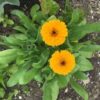
Light: Prefers full sun but tolerates partial shade
Soil: Well-draining, fertile soil with a neutral pH (6.0-7.0)
Watering: Moderate; keep the soil evenly moist
Ideal Planting Time:
Spring after the last frost
Soil Preparation:
Enrich soil with compost or organic matter to improve fertility
Watering Routine:
Water deeply once or twice a week, depending on weather conditions
Fertilizing:
Use a balanced, all-purpose fertilizer once a month during the growing season
Pruning:
Deadhead spent flowers regularly to encourage continuous blooming
Pest and Disease Control:
Watch for aphids and powdery mildew; treat with neem oil or a mild fungicide as needed
Pollination Requirements:
Attracts bees, butterflies, and other pollinators
Benefits and Uses:
Nutritional Value: Edible petals are rich in antioxidants and can be used in salads, soups, and teas
Aesthetic Value: Adds vibrant color to flower beds, borders, and containers
Ecological Role: Attracts beneficial insects and can be used as a companion plant to repel pests
Special Notes:
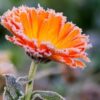
Discover more about unique and fascinating plants like the Calendula Flower Plant at PlantsInfo, your go-to source for gardening tips and plant information!