Yellow Thoka Hibiscus Plant

550.00

Yellow Thoka Hibiscus Plant Details

  • Botanical Name:
    Hibiscus rosa-sinensis
  • Common Names:
    Yellow Thoka Hibiscus, Yellow Hibiscus, China Rose.
  • Bloom Type:
    Large, showy, funnel-shaped flowers with prominent stamens.
  • Flower Colors:
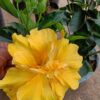
    Bright yellow with a subtle orange or reddish tint at the center.
  • Fragrance:
    Mild, sweet fragrance, especially in the evening.
  • Growth Habit:
    • Type: Evergreen or semi-evergreen shrub.
    • Height: 3–8 feet (1–2.5 meters), depending on variety and pruning.
    • Spread: 3–6 feet (1–1.8 meters).
    • Lifespan: Long-lived, flowering year-round in tropical climates.
  • Other Details:
    • Native Habitat: Native to tropical Asia and the Pacific Islands.
    • Hardiness Zones: USDA zones 9–11.
    • Soil: Prefers well-draining, slightly acidic to neutral soil.
    • Light: Requires full sun for abundant flowering.
    • Special Traits: Known for its bright yellow blooms that make a striking contrast in gardens.
SKU: PLA-INF-32 Category: Tags: ,

Planting Tips for Yellow Thoka Hibiscus Plant

  1. Site Selection:
    • Choose a sunny location with at least 6–8 hours of direct sunlight daily.
    • Ensure protection from strong winds, as the plant may become leggy in windy conditions.
  2. Soil Preparation:
    • Prepare rich, well-draining soil. Add compost or organic matter to improve soil structure.
    • Maintain slightly acidic to neutral soil (pH 6–7).
  3. Planting Time:
    • Best planted in spring after the threat of frost has passed.
  4. Planting Process:
    • Dig a hole twice the size of the root ball.
    • Place the plant in the hole at the same depth as it was in its container.
    • Backfill with soil, water thoroughly, and mulch around the base to conserve moisture.
  5. Watering:
    • Water regularly, especially during the flowering season, but avoid waterlogging.
    • Reduce watering during cooler months when the plant is less active.
  6. Fertilizing:
    • Apply a balanced fertilizer (NPK 10-10-10) every 4–6 weeks during the growing season.
    • Use a slow-release fertilizer or organic compost for long-term nourishment.
  7. Pruning and Maintenance:
    • Prune the plant regularly to remove dead or damaged stems and encourage bushier growth.
    • Trim spent flowers and maintain the shape of the plant for better aesthetics.
  8. Pest and Disease Control:
    • Common Pests: Aphids, whiteflies, and spider mites. Treat with neem oil or insecticidal soap.
    • Diseases: Fungal infections like leaf spot and root rot can occur; ensure proper drainage and airflow.
  9. Temperature and Care:
    • Protect from frost and cold temperatures by covering or bringing indoors during winter.
    • Mulch around the base of the plant to help maintain soil moisture and temperature.

Benefits and Uses:

  • Ornamental: Adds a bright splash of yellow to gardens, patios, and borders.
  • Medicinal: The hibiscus plant has various uses in traditional medicine, including soothing tea made from its flowers.
  • Wildlife-Friendly: Attracts hummingbirds, bees, and butterflies, making it beneficial for pollination.
  • Low Maintenance: Adaptable to different growing conditions with regular care and attention.

The Yellow Thoka Hibiscus Plant is a stunning, hardy shrub that adds beauty and color to any landscape.

“Brighten your garden with the bold blooms of Yellow Thoka Hibiscus, only on PlantsInfo!”