
SOLD OUT


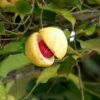


Jayaphal Jatiphal Nutmeg Spice Plant
Original price was: ₹1,051.00.₹800.00Current price is: ₹800.00.
Plant Name:
Jayaphal/Jatiphal (Nutmeg) (Myristica fragrans)
Plant Characteristics:
- Botanical Name:
Myristica fragrans - Common Names:
Jayaphal, Jatiphal, Nutmeg Tree, Mace Tree - Type:
Evergreen tropical tree - Height:
30–60 feet tall, with a spread of 20–30 feet - Leaves:
Oval-shaped, dark green, leathery texture, and aromatic when crushed - Flowers:
- Color: Small, pale yellow
- Shape: Bell-shaped, arranged in clusters
- Fragrance: Mild and sweet
- Bloom Season: Late spring to early summer
- Fruits:
- Shape: Round to oval
- Color: Yellowish with a reddish-brown interior when ripe
- Taste: Not consumed as fruit; the seeds are used for their aromatic spice
- Harvest Time: Late summer to early winter
- Native Habitat:
Native to the Maluku Islands (Spice Islands) of Indonesia - Other Details:
- Produces two spices from a single fruit: nutmeg (the seed) and mace (the red aril covering the seed).
- Widely used in culinary, medicinal, and cosmetic applications.
Out of stock
Planting Tips for Jayaphal/Jatiphal Nuteg Plant :
Growing Requirements:
- Light:
Partial to full sunlight; thrives in bright, indirect light or dappled shade. - Soil:
Well-draining, loamy soil with a slightly acidic to neutral pH (5.5–7.0). - Watering:
Requires consistent moisture but does not tolerate waterlogging.
Ideal Planting Time:
Plant during the rainy season or early spring for the best growth.
Soil Preparation:
- Amend the soil with organic matter such as compost or aged manure to improve fertility.
- Ensure proper drainage by mixing sand or perlite if the soil is heavy.
Watering Routine:
- Water deeply and regularly to keep the soil evenly moist.
- Reduce watering slightly during the dormant winter months.
Fertilizing:
- Use organic compost or balanced fertilizer (e.g., 10-10-10) every 2–3 months during the growing season.
- Mulching around the base of the plant helps retain moisture and provides nutrients.
Pruning:
- Prune to remove dead or weak branches and maintain an open canopy for better air circulation.
- Avoid heavy pruning as it may affect flowering and fruiting.
Pest and Disease Control:
- Watch for pests like mealybugs, aphids, and scale insects. Treat with neem oil or organic insecticides.
- Prevent root rot by ensuring well-draining soil and avoiding overwatering.
Pollination Requirements:
- Nutmeg trees are dioecious, meaning male and female flowers grow on separate trees. Ensure both are present for fruit production.
Benefits and Uses:
- Nutritional Value:
- Nutmeg is rich in antioxidants, essential oils, and vitamins like B6 and folate.
- Used for its anti-inflammatory and digestive properties in traditional medicine.
- Aesthetic Value:
- The lush green foliage and fragrant flowers make it an attractive addition to tropical gardens.
- Ecological Role:
- Provides shade and supports pollinators like bees and insects.
- Contributes to biodiversity in tropical ecosystems.
Special Notes for PlantsInfo:
“Get Jayaphal/Jatiphal Spice Plant at PlantsInfo and enjoy the dual spices of nutmeg and mace right in your home garden!”
Related products
-
SALE SOLD OUT 
Chikoo, Sapota, Fruit Plant
Original price was: ₹800.00.₹651.00Current price is: ₹651.00. -
SALE 
Avocado Plant
Original price was: ₹1,051.00.₹950.00Current price is: ₹950.00. -
SALE SOLD OUT 
Apple Mango Plant
Original price was: ₹950.00.₹800.00Current price is: ₹800.00. -
SOLD OUT 
Chalta / Elephant Apple Plant
₹750.00