₹1,350.00Original price was: ₹1,350.00.₹970.00Current price is: ₹970.00.
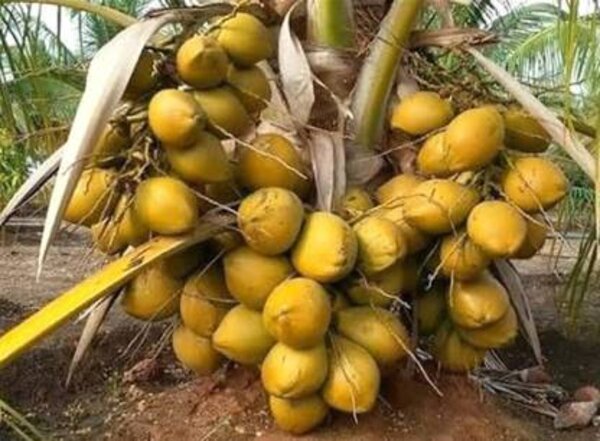
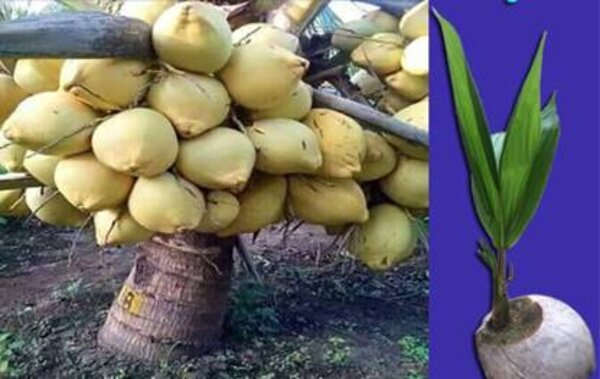
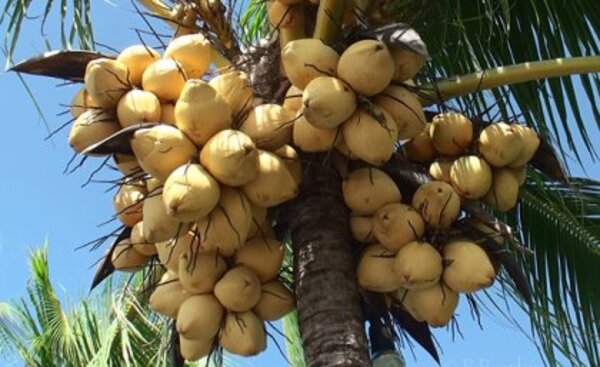
Vietnamese Hybrid Coconut Plant Details
Botanical Name: Cocos nucifera (Hybrid Variety from Vietnam).
Common Names:
Vietnamese Hybrid Coconut, Hybrid Coconut.
Bloom Type:
Small, inconspicuous flowers that are grouped in large clusters.
Flower Colors:
Creamy white with yellowish hues.
Fragrance:
Mild, sweet fragrance, although the flowers are not very aromatic.
Growth Habit:
Type: Evergreen palm tree.
Height: Typically grows between 20–30 feet (6–9 meters), although some varieties can grow taller under optimal conditions.
Spread: About 10–15 feet (3–4.5 meters) in diameter.
Lifespan: Can live for over 60 years in ideal conditions.
Other Details:
Native Habitat: Native to tropical regions of Southeast Asia, including Vietnam. This hybrid variety is known for its high-yield coconut production and adaptability to various climates.
Hardiness Zones: USDA zones 10–11, best suited for tropical and subtropical regions.
Soil: Prefers sandy, well-drained soil, but can tolerate a variety of soil types as long as the drainage is good.
Light: Full sun is essential for strong growth and fruit production.
Special Traits: Known for its high yield of coconuts, the Vietnamese Hybrid Coconut tree is a fast-growing variety with sturdy trunks and large, green leaves.
Choose a location that receives full sunlight for most of the day. The Vietnamese Hybrid Coconut thrives in tropical and subtropical climates, so it requires warmth and plenty of light to grow well.
Ensure there is enough space for the tree to spread out, as it requires a wide area for its canopy and roots.
Soil Preparation:
Coconut trees prefer slightly acidic to neutral soil (pH 5.5–7.0). Ensure the soil is well-draining to prevent water from accumulating around the roots, which can lead to root rot.
If growing in clay or compacted soil, amend it with organic material or sand to improve drainage.
Planting Time:
The best time to plant the coconut tree is during the warm season, ideally in the spring or early summer, when the temperatures are consistently warm. Avoid planting during the rainy season.
Planting Process:
Dig a hole deep and wide enough to accommodate the root ball, typically around 2–3 feet deep and 1.5–2 feet wide.
Position the coconut tree so the top of the root ball is level with the surrounding ground. Fill the hole with the prepared soil, and water generously after planting to help settle the soil around the roots.
Watering:
The Vietnamese Hybrid Coconut requires regular watering, especially during dry spells. However, it is important not to overwater, as this can cause root rot. The soil should be kept slightly moist but never waterlogged.
Once the tree is established, it is more drought-tolerant but will still benefit from consistent watering during long dry periods.
Fertilizing:
Fertilize the tree with a balanced, slow-release fertilizer specifically designed for coconut trees or tropical palms.
Apply fertilizer every 3–4 months during the growing season (spring and summer). Reduce fertilizing during the colder months when the tree’s growth slows down.
Pruning and Maintenance:
Prune dead or damaged fronds regularly to maintain the health of the tree and to allow sunlight to reach the lower parts of the trunk.
Coconut trees do not require heavy pruning, but removing old leaves can help prevent disease and keep the tree looking neat.
Pest and Disease Control:
Common Pests: Coconut palms can be affected by pests such as scale insects, mites, and weevils. Using insecticidal soap or neem oil can help manage infestations.
Diseases: The Vietnamese Hybrid Coconut can be susceptible to fungal diseases like root rot or leaf blight if grown in overly wet conditions. Ensure the tree is planted in well-draining soil and avoid excessive watering.
Temperature and Care:
This tree thrives in warm temperatures between 75–95°F (24–35°C). It does not tolerate frost, so it should be grown in regions with no frost or be protected in colder areas.
If grown in a non-tropical region, coconut palms may need to be moved to a greenhouse or sheltered environment during the winter months.
Benefits and Uses:
High Yield: The Vietnamese Hybrid Coconut is known for its high production of coconuts, making it ideal for commercial coconut farming.
Coconut Products: The coconuts produced are used for drinking water, coconut milk, oil extraction, and copra production. The tree’s leaves can also be used for roofing, crafts, and weaving.
Ornamental: With its large, graceful fronds and tall trunk, the Vietnamese Hybrid Coconut makes an attractive addition to tropical landscapes and gardens.
Economic Value: Beyond fruit production, coconut trees contribute to the local economy through the sale of coconuts and coconut-based products.
The Vietnamese Hybrid Coconut is an ideal choice for tropical and subtropical gardens, providing not only a beautiful tree with large, fan-like leaves but also an abundance of coconuts that are useful in many forms.
“Grow your own coconut paradise with the Vietnamese Hybrid Coconut, only on PlantsInfo!”