
SOLD OUT

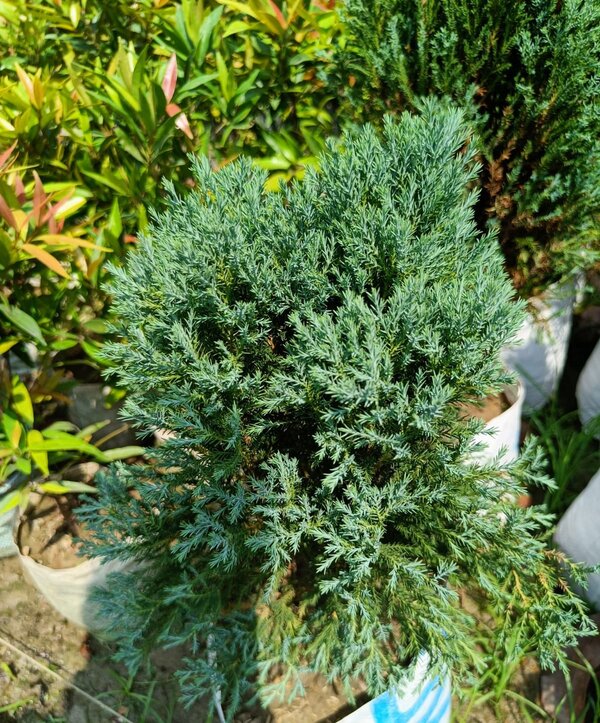

Blue Pine Plant
Original price was: ₹951.00.₹651.00Current price is: ₹651.00.
Blue Pine Plant Details
- Botanical Name:
Pinus wallichiana - Common Names:
Blue Pine, Himalayan Blue Pine, Bhutan Pine, Indian Blue Pine. - Bloom Type:
Coniferous tree; it does not produce typical flowers. Instead, it produces male and female cones. - Cone Color:
- Male cones: Yellowish-brown and small.
- Female cones: Green when young, maturing to a rich brown.
- Fragrance:
The tree has a resinous, piney scent, especially noticeable from its needles and bark. - Growth Habit:
- Type: Evergreen conifer.
- Height: Can grow up to 130–165 feet (40–50 meters) in natural habitats, but typically smaller when cultivated.
- Spread: The canopy spreads widely, with long, drooping branches that create a graceful, layered appearance.
- Leaves: Long, needle-like leaves (5–8 inches or 12–20 cm) in clusters of five, with a bluish-green hue.
- Other Details:
- Native Habitat: Found in the Himalayan region, from Afghanistan to Nepal, thriving at altitudes of 1,800–4,300 meters (5,900–14,100 feet).
- Hardiness Zones: USDA zones 7–9.
- Soil: Prefers well-drained, sandy, or loamy soil with a slightly acidic to neutral pH.
- Light: Requires full sun for optimal growth.
Out of stock
Planting Tips for Blue Pine Plant
- Site Selection:
- Choose a location with ample sunlight and enough space for the tree’s mature height and spread.
- Avoid low-lying areas prone to waterlogging.
- Soil Preparation:
- Ensure well-drained soil is enriched with organic matter.
- Loosen the soil to a depth of 12–15 inches (30–38 cm) before planting.
- Planting Time:
- Best planted in late fall or early spring when the soil is moist and temperatures are mild.
- Planting Process:
- Dig a hole twice the width and slightly deeper than the root ball.
- Place the sapling in the hole, ensuring the root collar (where the trunk meets the roots) is level with the soil surface.
- Backfill with soil and water thoroughly.
- Watering:
- Water regularly during the first few years to help establish roots.
- Mature trees are drought-tolerant but benefit from deep watering during prolonged dry spells.
- Fertilizing:
- Feed young trees with a balanced, slow-release fertilizer in early spring.
- Mature trees generally do not require frequent fertilization unless in poor soil conditions.
- Pruning:
- Prune only to remove dead or damaged branches.
- Avoid excessive pruning, as it can disrupt the tree’s natural shape and health.
- Pest and Disease Control:
- Common Pests: Bark beetles and pine sawflies. Use neem oil or specific pesticides for infestations.
- Diseases: Watch for root rot, rust, or needle blight, especially in areas with poor drainage or high humidity.
- Cold Protection:
- Blue Pine is naturally adapted to cold climates, but young trees may benefit from mulch to protect the roots during harsh winters.
- Additional Tips:
- Mulch around the base to retain moisture and regulate soil temperature.
- Avoid compacting the soil around the roots to ensure proper aeration.
The Blue Pine is a majestic and ornamental tree ideal for large landscapes, providing year-round greenery and a soothing pine scent.
“Discover more plant care tips on PlantsInfo!”
Related products
-
SALE SOLD OUT 
Red Banyan Rubber Plant
Original price was: ₹751.00.₹651.00Current price is: ₹651.00. -
SOLD OUT 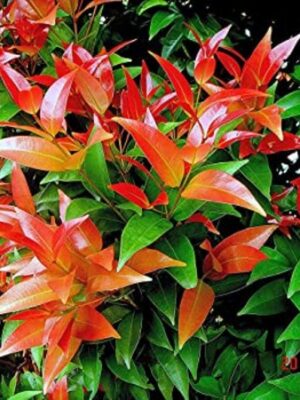
Christina Tree Plant
₹550.00 -
SALE SOLD OUT 
Austrian Hibiscus Plant, White And Pink Shaded
Original price was: ₹550.00.₹451.00Current price is: ₹451.00. -
SALE 
Succulent Plant
Original price was: ₹951.00.₹651.00Current price is: ₹651.00.