₹751.00Original price was: ₹751.00.₹500.00Current price is: ₹500.00.
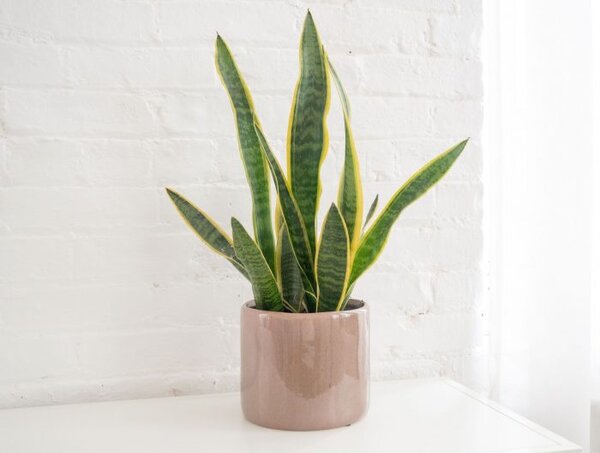
Snake Plant Details
Botanical Name: Sansevieria trifasciata (also known as Dracaena trifasciata)
Common Names:
Snake Plant, Mother-in-law’s Tongue, Viper’s Bowstring Hemp.
Flower Type:
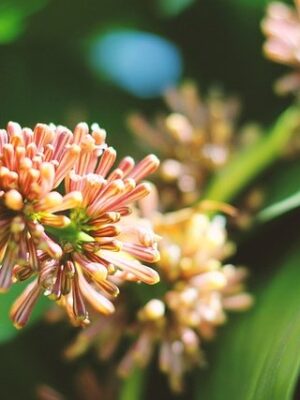
Small, tubular flowers (though not commonly seen in indoor conditions).
Flower Color:
White or pale green.
Fragrance:
Mildly fragrant (often noted during night bloom).
Growth Habit:
Type: Evergreen perennial succulent.
Height: Typically grows 2–4 feet (60–120 cm) tall, with some varieties reaching up to 6 feet (1.8 meters) in height.
Spread: 1–2 feet (30–60 cm) wide, depending on the variety.
Lifespan: Long-lived, thriving for many years with proper care.
Other Details:
Native Habitat: Native to tropical West Africa, particularly Nigeria and the Congo.
Hardiness Zones: USDA zones 9–11.
Soil: Well-draining, sandy or loamy soil with a slightly acidic to neutral pH (6.0–7.0).
Light: Tolerates low light conditions but grows best in bright, indirect light. It can also adapt to low-light areas, making it an excellent indoor plant.
Special Traits: Known for its air-purifying qualities and ability to thrive in a variety of environments. It also has low water requirements and is incredibly hardy.
Choose a spot with bright, indirect light. Snake plants can tolerate low light, but they thrive in moderate to bright light.
Soil Preparation:
Ensure well-draining soil, as this plant is susceptible to root rot in waterlogged conditions. A cactus or succulent mix is ideal.
Planting Time:
Snake plants can be planted year-round, though spring or early summer is ideal for better root establishment.
Planting Process:
Dig a hole about 2–3 times the size of the root ball.
Place the plant in the hole, ensuring the root ball is level with the soil surface.
Fill with soil, water lightly, and avoid overwatering during the first few weeks.
Watering:
Water infrequently and allow the soil to dry out between waterings. Overwatering can lead to root rot.
During the winter months, reduce watering even further as the plant is dormant.
Fertilizing:
Fertilize with a balanced, diluted liquid fertilizer once a month during the growing season (spring and summer).
Avoid fertilizing during the fall and winter when the plant is not actively growing.
Pruning and Maintenance:
Remove dead or yellow leaves by cutting them at the base.
The plant does not require much pruning or maintenance, making it an easy-care option for beginners.
Pest and Disease Control:
Pests: Generally pest-resistant, but can occasionally attract mealybugs or spider mites. Use neem oil or insecticidal soap to treat infestations.
Diseases: Overwatering can cause fungal issues, so ensure the plant is not in waterlogged soil.
Temperature and Care:
Snake plants thrive in temperatures between 60-85°F (15 and 29°C). Avoid placing them in areas with cold drafts or temperatures below 50°F (10°C).
Benefits and Uses
Air Purification:
Snake plants are known for their ability to purify indoor air by removing toxins like formaldehyde, benzene, and xylene.
It releases oxygen at night, making it ideal for bedrooms or any indoor area.
Low Maintenance:
This hardy plant is nearly indestructible, requiring minimal care. It can tolerate neglect, low light, and irregular watering, making it perfect for busy individuals or those new to plant care.
Aesthetic Appeal:
The striking, upright leaves add a modern touch to any indoor decor. Snake plants can complement both contemporary and traditional styles.
Health Benefits:
In addition to air purification, Snake plants are believed to improve mood and reduce stress due to their clean, symmetrical appearance.
The Snake Plant is a perfect addition to homes and offices for its beauty, air-purifying properties, and easy-care nature.
“Bring home a Snake Plant today and enjoy the beauty and benefits, available online at PlantsInfo!”