₹650.00Original price was: ₹650.00.₹451.00Current price is: ₹451.00.
Curry Leaves Plant Details
Botanical Name: Murraya koenigii
Common Names:
Curry Leaves, Kadi Patta, Sweet Neem.
Leaf Type:
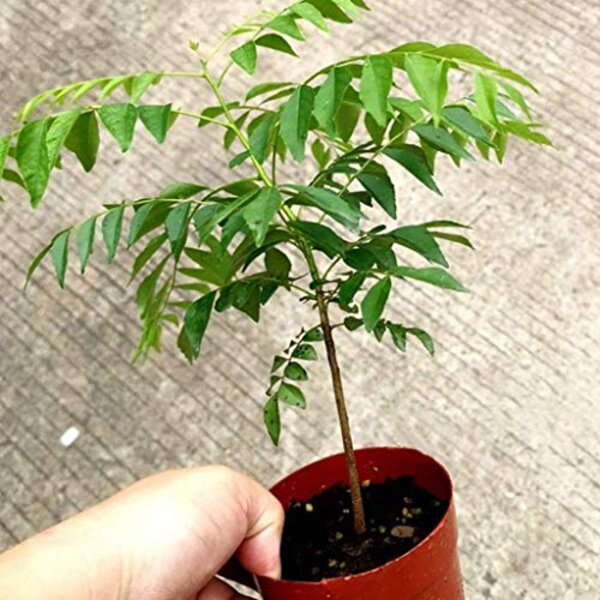
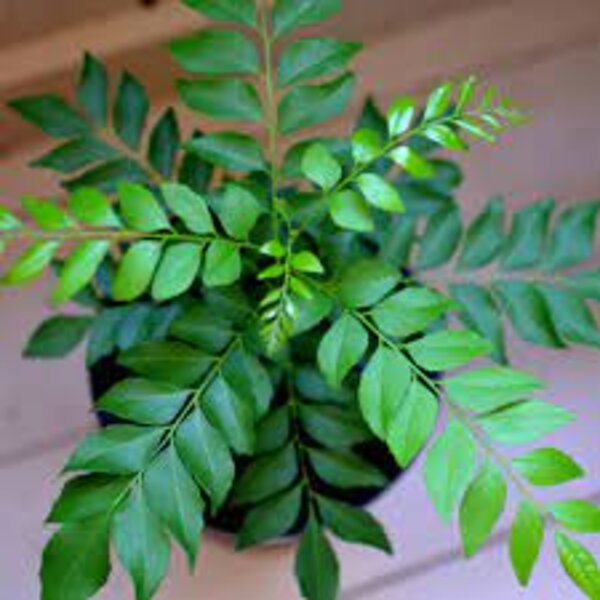
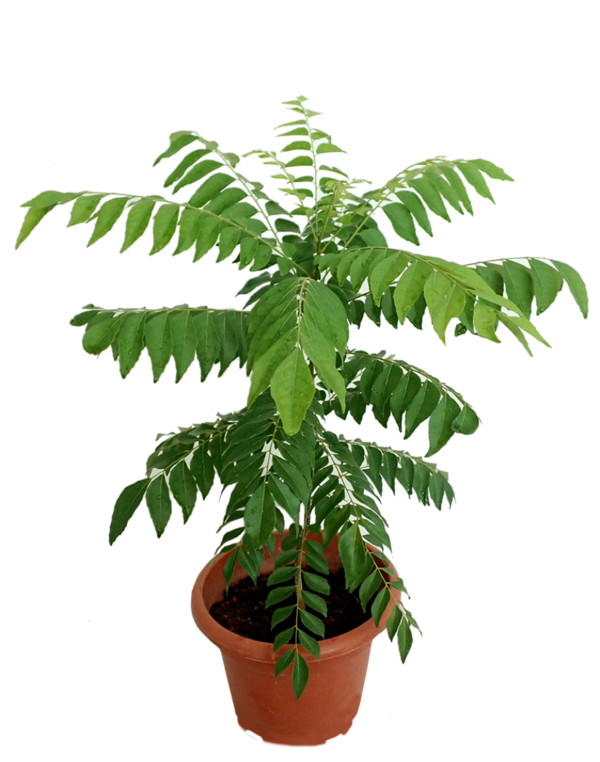
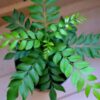
Pinnately compound, with small, glossy, dark green leaflets arranged along a central stalk.
Leaf Color:
Dark green with a glossy finish when young, turning a darker shade of green as they mature.
Fragrance:
Strong, aromatic, citrusy scent, often used in Indian cooking.
Growth Habit:
Type: Tropical to subtropical shrub or small tree.
Height: Typically grows 3–6 feet (1–2 meters), but can reach up to 12 feet (3.5 meters) in optimal conditions.
Spread: Can spread up to 3–5 feet (1–1.5 meters) in width.
Lifespan: Perennial, living for many years if properly cared for.
Other Details:
Native Habitat: Native to India, Sri Lanka, and Southeast Asia.
Hardiness Zones: USDA zones 9–11; prefers warm, tropical, or subtropical climates.
Soil: Prefers well-draining, loamy soil, slightly acidic to neutral pH.
Light: Requires full sun to partial shade.
Special Traits: The leaves are the most valued part of the plant, commonly used fresh or dried in culinary dishes, especially in Indian, Sri Lankan, and Southeast Asian cuisine. The plant also has medicinal uses, particularly for its anti-inflammatory and digestive properties.
Choose a location that receives full sunlight for at least 4–6 hours a day. The plant thrives in bright, direct light.
It can tolerate partial shade, but the growth might be slower in less light.
Soil Preparation:
Ensure well-draining soil with good organic content.
Add compost or well-rotted manure to enrich the soil, as curry leaves benefit from slightly rich soil.
Planting Time:
Best planted in spring or early summer when the risk of frost has passed.
Planting Process:
Dig a hole slightly larger than the root ball.
Gently place the sapling in the hole and cover it with soil, making sure the root crown is level with the surface.
Water thoroughly after planting to settle the soil.
Watering:
Water regularly to keep the soil moist but not waterlogged.
Allow the soil to dry slightly between waterings to avoid root rot.
Fertilizing:
Apply a balanced fertilizer once a month during the growing season (spring to summer).
Avoid over-fertilizing, as this can result in excess growth and reduce the flavor of the leaves.
Pruning and Maintenance:
Prune the plant regularly to maintain a compact shape and encourage new growth.
Remove any dead or damaged leaves to promote healthy growth and improve airflow.
Pest and Disease Control:
Common Pests: Aphids, scale insects, and whiteflies can be a problem. Use neem oil or insecticidal soap to treat infestations.
Diseases: Avoid overwatering to prevent fungal diseases such as root rot. Ensure good drainage and proper air circulation.
Temperature and Care:
Prefers warm, tropical, or subtropical climates.
Protect from frost, as curry leaves are very sensitive to cold temperatures.
Benefits and Uses:
Culinary: The leaves are used in curries, soups, and dals for their distinct flavor. They are often added to hot oil to release their fragrance before cooking.
Medicinal: Curry leaves are known for their digestive, anti-inflammatory, and anti-diabetic properties. They are used in traditional medicine to improve hair health and manage cholesterol.
Aromatic: The plant releases a strong, fragrant aroma, making it a wonderful addition to herb gardens.
Ornamental: The curry leaves plant can also be a lovely shrub in tropical or subtropical gardens due to its lush foliage and attractive growth habit.
The Curry Leaves Plant is a versatile and valuable herb for both culinary and medicinal purposes. Its fragrant leaves are a must-have in any herb garden, offering both flavor and health benefits.
“Discover the wonderful Curry Leaves Plant at PlantsInfo!”