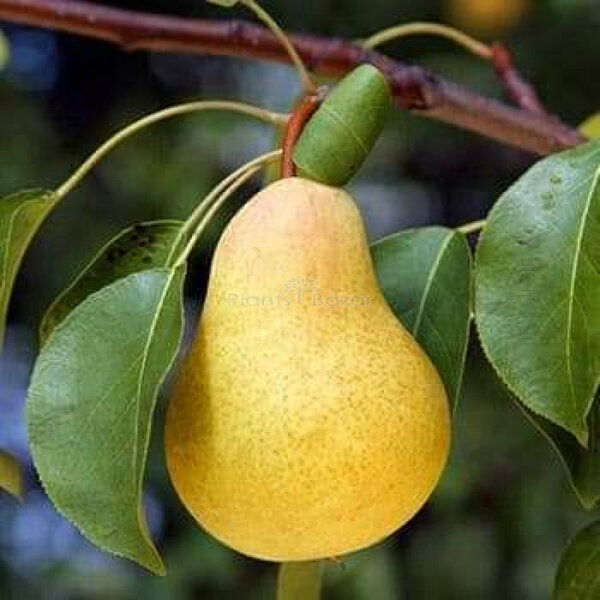
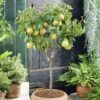
Nashpati Pear Plant

Original price was: ₹850.00.Current price is: ₹751.00.

Nashpati Pear Plant Details

  • Botanical Name:
    Pyrus communis
  • Common Names:
    Nashpati, Pear, Bartlett Pear, European Pear.
  • Plant Characteristics:
    • Type: Deciduous fruit tree.
    • Height: Typically grows 15–30 feet (4.5–9 meters) tall.
    • Leaves: Glossy, dark green, oval-shaped leaves that turn yellow in autumn.
    • Flowers: White, fragrant, five-petaled flowers that bloom in early spring.
    • Fruits: Oval or teardrop-shaped fruits with smooth skin that can range in color from green to yellow. The flesh is juicy and sweet.
    • Harvest Period: Late summer to early autumn.
  • Other Details:
    • Native Habitat: Native to Europe, North Africa, and parts of Asia, now cultivated worldwide.
    • Light Requirements: Requires full sunlight for optimal fruit production.
    • Watering: Needs regular watering, especially during dry spells. Soil should be kept moist but not waterlogged.
    • Soil: Prefers well-drained, loamy soil with a slightly acidic to neutral pH (6.0–7.0).
SKU: PLA-INF-56 Category: Tags: ,

Planting Tips for Nashpati Pear Plant

  1. Site Selection:
    • Choose a location with full sun exposure (at least 6–8 hours daily).
    • Ensure proper air circulation to reduce the risk of fungal diseases.
  2. Soil Preparation:
    • Enrich the soil with organic compost to improve fertility and drainage.
    • Pear trees thrive in slightly acidic to neutral soil.
  3. Planting Process:
    • Plant young trees in early spring or autumn.
    • Dig a hole twice as wide as the root ball but of the same depth to prevent settling.
    • Space trees about 15–20 feet (4.5–6 meters) apart for proper growth and air circulation.
  4. Watering:
    • Water regularly, especially in the first year to establish strong roots.
    • Deep watering once a week is better than shallow daily watering.
  5. Fertilizing:
    • Apply a balanced fertilizer in early spring to encourage healthy growth and fruit production.
    • Avoid over-fertilizing, which can lead to excessive foliage at the expense of fruit.
  6. Pruning and Maintenance:
    • Prune annually in late winter or early spring to remove dead or overcrowded branches.
    • Shape the tree to ensure good light penetration and air circulation.
  7. Pest and Disease Control:
    • Pests: Watch for aphids, pear psylla, and codling moths. Use organic or chemical treatments as needed.
    • Diseases: Be vigilant against fire blight and leaf spot. Maintain proper spacing and avoid overhead watering to reduce fungal risks.
  8. Pollination:
    • Plant multiple pear varieties nearby to enhance cross-pollination and increase fruit yield.

Benefits and Uses

  • Nutritional Value:
    • Pears are rich in dietary fiber, antioxidants, and vitamins like Vitamin C and K.
  • Culinary Uses:
    • Consumed fresh or used in desserts, salads, juices, and jams.
    • Can be baked, poached, or preserved for extended use.
  • Aesthetic Appeal:
    • The tree’s blossoms and foliage add beauty to any garden or orchard.

“Grow your own sweet and juicy Nashpati pears with the Nashpati Pear Plant, a versatile addition to your home garden, available now at PlantsInfo!”