₹950.00Original price was: ₹950.00.₹851.00Current price is: ₹851.00.
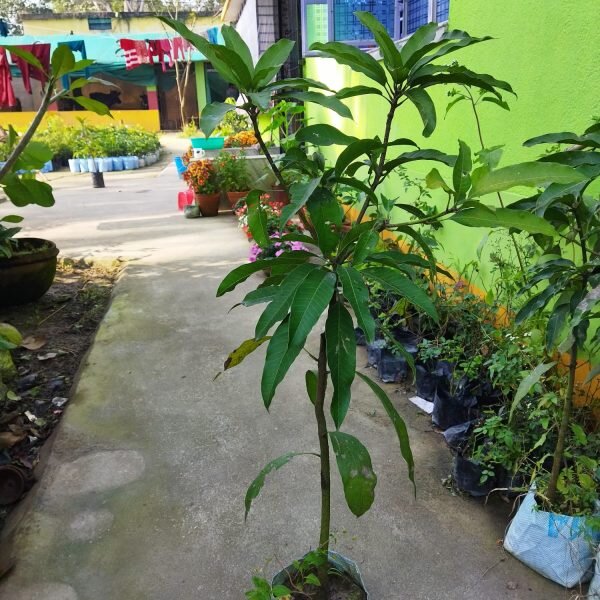
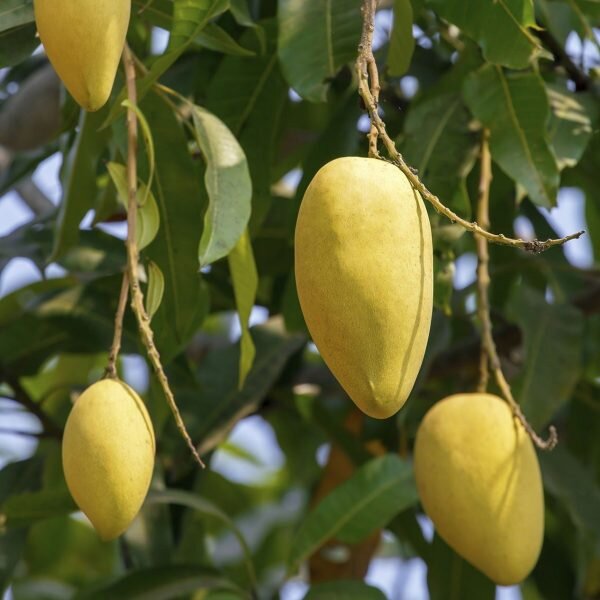
Alphonso Mango Plant
Botanical Name: Mangifera indica (Alphonso mango is also known as Kesar in some regions)
Bloom Type:
The Alphonso mango tree produces small, fragrant flowers that are usually pale yellow, with clusters of blooms forming on panicles (branched flower clusters). These flowers are typically dioecious, meaning that male and female flowers are present on separate plants, though most commercial varieties are self-pollinating.
Color:
The blossoms of the Alphonso mango tree are typically pale yellow or light greenish, eventually giving way to the bright green, yellow, and red tones of the fruit. The fruit itself has a smooth, golden-yellow skin with reddish hues.
Fragrance:
Alphonso mango flowers have a delicate and sweet fragrance, but the real fragrance of the tree comes from its delicious fruits. When ripe, the fruit emits a rich, sweet scent that is highly aromatic and indicative of the variety’s unique flavor.
Growth Habit:
Alphonso mango trees are large, evergreen trees that typically grow 30–40 feet in height, though they can be pruned to remain smaller for ease of harvesting. They have a broad, spreading canopy with thick, leathery green leaves. The tree has a slow to moderate growth rate but can live for many decades when cared for properly.
Other Details:
Foliage: The leaves of the Alphonso mango tree are long, lance-shaped, and glossy green. The young leaves are often reddish when they first emerge.
Fruit: The Alphonso mango is famous for its rich, sweet, and creamy flavor with a hint of citrus and a slightly fibrous texture. It is considered one of the best mango varieties in the world, prized for its taste and aroma. The fruit is typically medium-sized, oval-shaped, and has a smooth, golden-yellow skin.
Hardiness: Alphonso mangoes thrive in tropical and subtropical climates with temperatures between 77°F to 95°F (25°C to 35°C). They prefer a dry winter and a hot summer, which is essential for proper flowering and fruiting. They are hardy in USDA zones 10–11.
Flowering and Fruiting: The Alphonso mango typically begins flowering in late winter to early spring, and the fruit matures in the summer. It usually takes around 3–5 years for the tree to start bearing fruit.
Sunlight: Alphonso mango trees require full sun to grow and produce fruit. They need at least 8–10 hours of direct sunlight each day for healthy growth and optimal fruiting.
Soil: Mango trees thrive in well-draining soil that is slightly acidic to neutral. They prefer sandy loam, and the soil should be rich in organic matter. Avoid waterlogged soil, as mango trees are sensitive to root rot.
Watering: During the growing season, water the Alphonso mango tree regularly to keep the soil consistently moist but not waterlogged. Once the tree is established, it is drought-tolerant and requires less frequent watering. Be cautious about over-watering, as this can cause root problems.
Fertilizer: Fertilize the Alphonso mango tree with a balanced fertilizer, especially during the growing season. Use a slow-release fertilizer high in potassium and phosphorus to encourage fruit development. Apply fertilizer in early spring before the tree starts flowering and then again after harvesting the fruit.
Pruning: Prune the Alphonso mango tree to remove dead, damaged, or crossing branches. Pruning helps maintain a healthy structure, improves airflow, and reduces the risk of fungal diseases. Trim in late winter before the new growth begins.
Pollination: While Alphonso mango trees are mostly self-pollinating, planting multiple trees nearby can help ensure better pollination and a higher fruit yield. Bees and other pollinators play a significant role in fertilizing the flowers.
Pest Control: Mango trees may attract pests like mealybugs, aphids, and fruit flies. Monitor the tree regularly for signs of pests and use organic or chemical treatments if necessary. Fungicides can help manage fungal diseases like powdery mildew and anthracnose.
Mulching: Apply a layer of mulch around the base of the tree to help conserve moisture and suppress weed growth. Mulching also improves soil quality by adding organic matter as it decomposes.
PlantsInfo Note:
For more expert care tips, planting guides, and information on mango trees and other plants, visit PlantsInfo—your trusted plant resource for everything green! 🌿