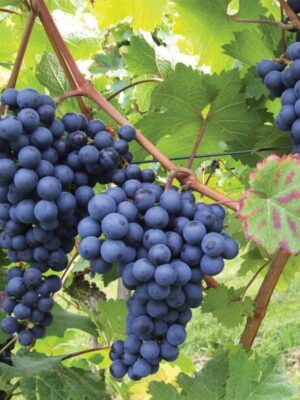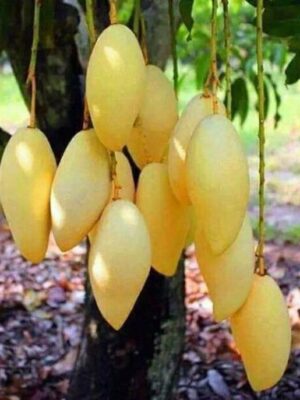
Pomelo Fruit Plant

Original price was: ₹850.00.Current price is: ₹651.00.

Pomelo Fruit Plant Details

  • Botanical Name:
    Citrus maxima
  • Common Names:
    Pomelo, Shaddock, Pummelo.
  • Fruit Type:
    Large, round to pear-shaped citrus fruit with thick, spongy rind and juicy segments inside.
  • Fruit Color:
    • Exterior: Green to yellow when ripe.
    • Interior: Pale yellow, pink, or reddish flesh, depending on the variety.
  • Fragrance:
    Mildly citrusy and refreshing.
  • Growth Habit:
    • Type: Evergreen tree.
    • Height: 15–50 feet (4.5–15 meters) tall.
    • Spread: Wide canopy with dense, glossy green foliage.
    • Lifespan: Can live and bear fruit for 20–50 years under ideal conditions.
  • Other Details:
    • Native Habitat: Native to Southeast Asia and cultivated in tropical and subtropical regions worldwide.
    • Hardiness Zones: USDA zones 9–12.
    • Soil: Prefers well-draining, fertile soil with a pH of 5.5–6.5.
    • Light: Requires full sunlight for optimal growth and fruiting.
    • Special Traits: Largest citrus fruit, known for its sweet, tangy flavor and juicy texture.

Out of stock

SKU: PLA-INF-61 Category: Tags: ,

Planting Tips for Pomelo Fruit Plant

  1. Site Selection:
    • Choose a sunny location with ample space for the tree to grow and spread.
    • Avoid areas prone to waterlogging.
  2. Soil Preparation:
    • Enrich the soil with organic compost or well-rotted manure before planting.
    • Ensure good drainage to prevent root rot.
  3. Planting Process:
    • Dig a hole twice as wide and as deep as the root ball.
    • Place the plant in the hole, ensuring the graft union is above soil level.
    • Fill the hole with soil, water thoroughly, and mulch around the base.
  4. Watering:
    • Water regularly, especially during the establishment phase.
    • Mature trees need consistent moisture, particularly during fruiting, but avoid overwatering.
  5. Fertilizing:
    • Apply a balanced citrus fertilizer (NPK 10-10-10) during the growing season.
    • Supplement with micronutrients like magnesium and zinc for better fruit development.
  6. Pruning and Maintenance:
    • Prune dead, diseased, or weak branches in late winter or early spring.
    • Thinning the canopy improves airflow and sunlight penetration, enhancing fruit quality.
  7. Pest and Disease Control:
    • Pests: Watch for aphids, citrus psyllids, and spider mites. Use neem oil or insecticidal soap for control.
    • Diseases: Root rot, citrus canker, and sooty mold can occur. Ensure proper drainage and apply fungicides as needed.
  8. Temperature and Care:
    • Thrives in temperatures between 70–90°F (21–32°C).
    • Protect from frost and cold winds; cover young plants during colder months in subtropical regions.

Benefits and Uses

  • Culinary Uses:
    • The flesh is eaten fresh, added to salads, or juiced.
    • Used in desserts, jams, and traditional Southeast Asian recipes.
  • Nutritional Value:
    • High in vitamin C, potassium, and dietary fiber.
    • Low in calories and fat, making it a healthy snack option.
  • Ornamental Value:
    • Its lush foliage, fragrant flowers, and large fruit make it an attractive addition to gardens.
  • Cultural Significance:
    • Symbolizes prosperity and abundance in many Asian cultures, often gifted during festive occasions.
  • Environmental Benefits:
    • Provides shade, improves air quality, and supports pollinators with its fragrant flowers.

The Pomelo Fruit Plant is a rewarding addition for gardeners and fruit lovers, offering delicious fruit and visual appeal.

“Grow your own Pomelo Fruit Plant and enjoy its bounty, available now at PlantsInfo!”