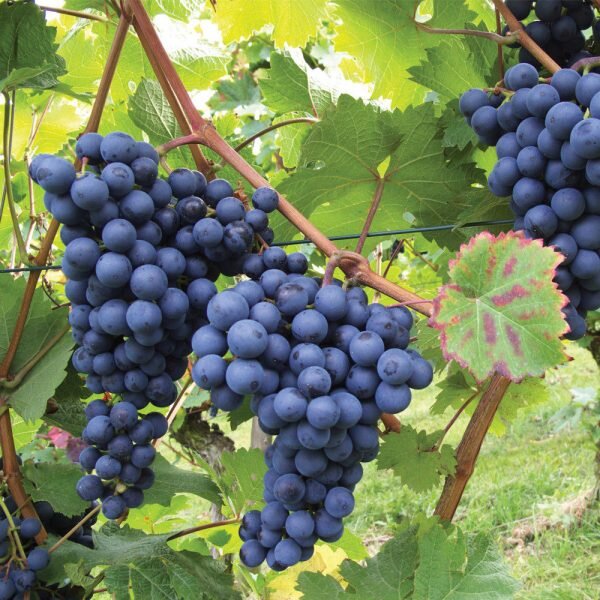
Light: Requires full sun for optimal growth and fruit production
Soil: Well-draining, sandy or loamy soil with a neutral to slightly acidic pH (6.0-7.0)
Watering: Moderate; avoid waterlogging
Ideal Planting Time:
Late winter to early spring
Soil Preparation:
Amend soil with compost or organic matter to improve fertility and drainage
Watering Routine:
Water deeply once a week during dry periods; ensure the soil remains slightly moist
Fertilizing:
Use a balanced fertilizer or one high in potassium and phosphorus during the growing season
Pruning:
Prune annually during dormancy to remove old growth and shape the vine
Pest and Disease Control:
Watch for grapevine pests like aphids, spider mites, and fungal diseases; treat with organic or chemical remedies as needed
Pollination Requirements:
Self-pollinating but benefits from wind or insect activity
Benefits and Uses:
Nutritional Value: High in vitamins C and K, antioxidants, and dietary fiber
Aesthetic Value: Adds greenery and shade to pergolas, trellises, or arbors
Ecological Role: Provides food for birds and supports local biodiversity
Special Notes:
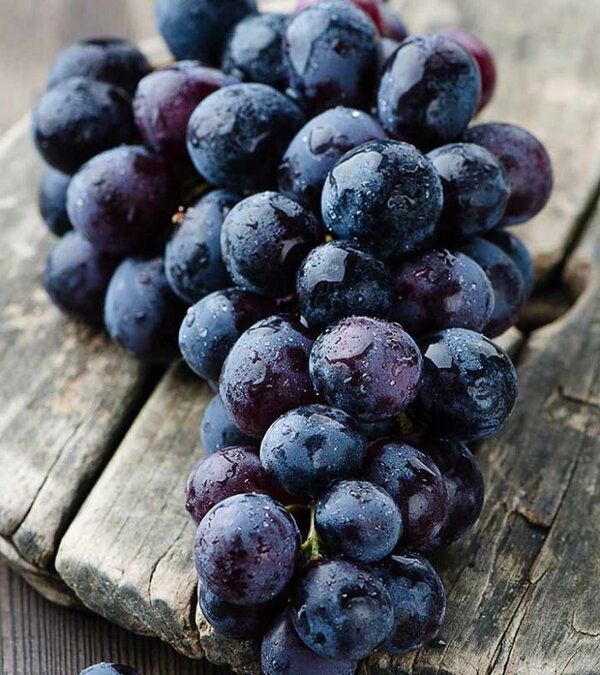
Discover more about unique and fascinating plants like the Black Grapes Plant at PlantsInfo, your go-to source for gardening tips and plant information!