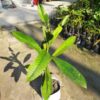
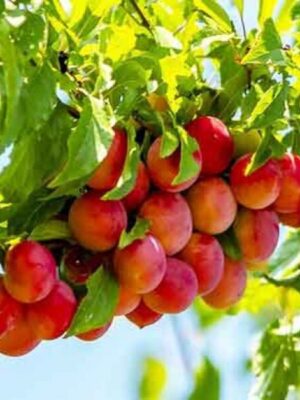
Soil: Well-draining, loamy soil with a slightly acidic to neutral pH (5.5-7.0)
Watering: Moderate; keep the soil moist but not waterlogged
Ideal Planting Time:
Spring or early summer
Soil Preparation:
Enrich the soil with compost or well-rotted manure to enhance fertility
Watering Routine:
Water deeply once or twice a week during the growing season; reduce watering in winter
Fertilizing:
Use a balanced fertilizer every 4-6 weeks during the growing season
Pruning:
Prune to shape the tree and remove dead or diseased branches; best done in late winter
Pest and Disease Control:
Watch for fruit flies and fungal diseases; use organic or chemical treatments as necessary
Pollination Requirements:
Pollinated by insects, particularly bees
Benefits and Uses:
Nutritional Value: The fruit is rich in vitamin C and antioxidants
Aesthetic Value: Adds a tropical touch to gardens and landscapes
Ecological Role: Provides food and habitat for wildlife; helps in soil stabilization
Special Notes:
Discover more about unique and fascinating plants like the Elephant Apple Plant at PlantsInfo, your go-to source for gardening tips and plant information!