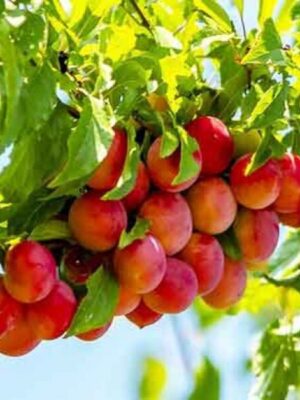
Common Names:
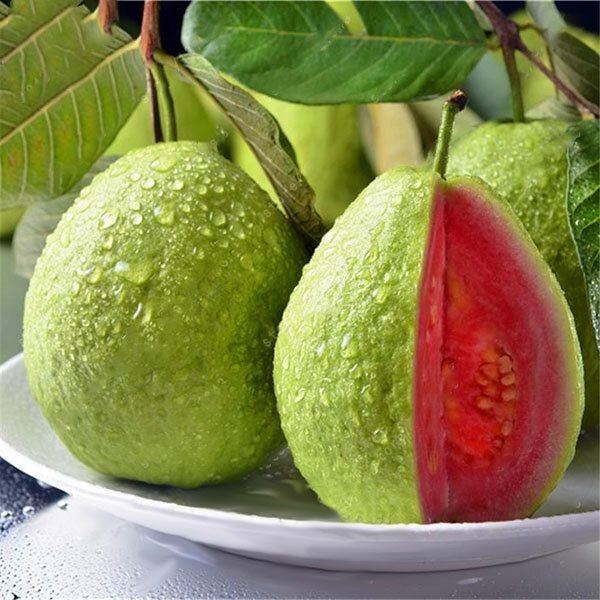
Thai Pink Guava, Pink Guava, Tropical Guava.
Bloom Type:
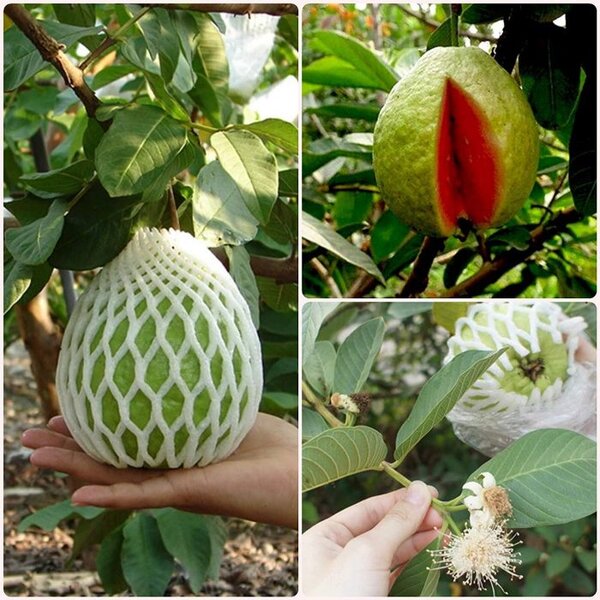
Small, fragrant, white flowers with prominent yellow stamens, blooming seasonally.
Flower Colors:
Pure white petals with a slight yellow tinge in the center.
Fragrance:
A subtle, sweet fragrance is emitted during flowering.
Growth Habit:
Type: Evergreen fruit-bearing shrub or small tree.
Height: Grows between 10–15 feet (3–4.5 meters) when planted in the ground; can be maintained smaller in containers.
Spread: Around 8–12 feet (2.4–3.6 meters).
Lifespan: Can live and produce fruit for 20–40 years with proper care.
Other Details:
Native Habitat: Native to tropical and subtropical regions, including Thailand and Southeast Asia.
Hardiness Zones: USDA zones 9–11; thrive in warm, frost-free climates.
Soil: Prefers well-draining, sandy, or loamy soil with a slightly acidic to neutral pH (5.5–7.0).
Light: Full sun is essential for optimal growth and fruit production, requiring at least 6–8 hours daily.
Special Traits: Renowned for its large, round fruits with pink, juicy, and sweet flesh, Thai Pink Guava is a high-yield variety popular in both home gardens and commercial orchards.
Choose a sunny location with ample space for the plant to spread. Ensure the area is protected from strong winds, as guava branches can be brittle.
Soil Preparation:
Use well-draining soil rich in organic matter. If the soil is heavy, amend it with sand or compost to improve aeration and drainage.
Test the soil pH and adjust it to be slightly acidic to neutral for best results.
Planting Time:
Plant the Thai Pink Guava during the spring or early summer when the temperatures are consistently warm.
Planting Process:
Dig a hole twice as wide and just as deep as the root ball.
Place the plant in the hole, ensuring the root crown is slightly above the soil level to prevent rot.
Backfill with soil, water thoroughly, and mulch around the base to retain moisture and suppress weeds.
Watering:
Water deeply once or twice a week, depending on the climate. The plant prefers consistent moisture but does not tolerate waterlogged soil.
Reduce watering during the rainy season or when the plant is dormant.
Fertilizing:
Use a balanced fertilizer (such as 10-10-10) during the growing season, applying every 6–8 weeks.
Supplement with organic compost or manure to enrich the soil and encourage fruiting.
Pruning and Maintenance:
Prune the plant annually to maintain its shape and remove dead or diseased branches.
Thinning the canopy allows sunlight and air circulation, improving fruit quality and preventing diseases.
Pest and Disease Control:
Common Pests: Fruit flies, aphids, and scale insects can attack the plant. Use neem oil or insecticidal soap to control infestations.
Diseases: Guava plants may be susceptible to fungal infections and root rot. Ensure good drainage and proper airflow to minimize these risks.
Temperature and Care:
The ideal temperature range for Thai Pink Guava is 70–95°F (21–35°C). Protect the plant from frost with a cover or by bringing it indoors if grown in a container.
Mulching around the base helps retain soil moisture and stabilize the root temperature.
Benefits and Uses:
Nutritional Value: Thai Pink Guava is a rich source of vitamin C, antioxidants, and dietary fiber, making it a highly nutritious fruit.
Culinary Uses: The fruit is consumed fresh, used in salads, blended into smoothies, or made into jams, jellies, and juices.
Ornamental Value: With its lush green foliage, fragrant flowers, and vibrant pink fruits, the Thai Pink Guava adds beauty to any garden or orchard.
Economic Importance: This high-yield variety is prized for commercial farming due to its market demand and fruit quality.
The Thai Pink Guava Plant is a productive and visually appealing addition to gardens, offering not just delicious fruit but also aesthetic charm.
“Sweeten your garden with the vibrant Thai Pink Guava Plant, featured on PlantsInfo!”