Common Names:
White Jamun, Indian Blackberry, Java Plum.
Bloom Type:
Small, aromatic white flowers that appear in clusters.
Fruit Color:
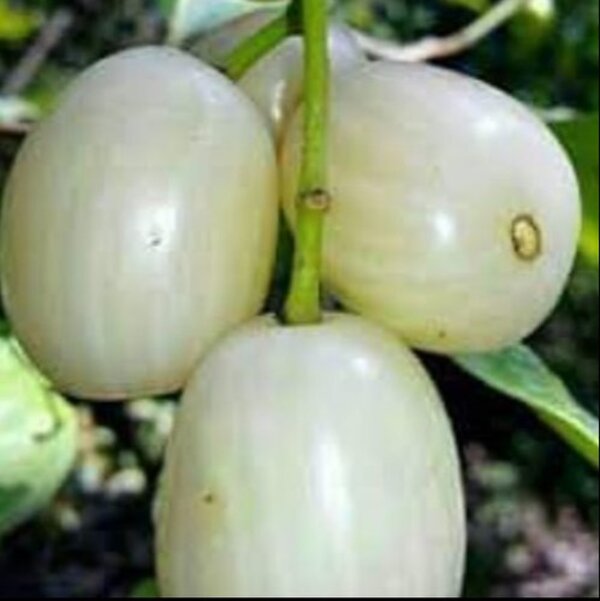
White or pale yellow when ripe (in contrast to the common purple Jamun).
Fragrance:
Light and sweet fragrance, especially when the flowers are in bloom.
Growth Habit:
Type: Evergreen tree.
Height: 30–50 feet (9–15 meters), depending on environmental conditions.
Spread: 20–30 feet (6–9 meters).
Lifespan: Long-lived, typically over 30 years in optimal conditions.
Other Details:
Native Habitat: Native to the Indian subcontinent and Southeast Asia.
Hardiness Zones: USDA zones 9–11.
Soil: Prefers well-drained, slightly acidic to neutral soil but is tolerant of various soil types.
Light: Full sun to partial shade, but best results are achieved in full sun for better fruiting.
Special Traits: Known for its sweet, mildly tart fruits, White Jamun is less common than its purple counterpart but is highly valued for its taste and medicinal properties.
Choose a sunny location where the tree can receive at least 6–8 hours of direct sunlight daily.
Ensure the site has well-drained soil to prevent waterlogging.
Soil Preparation:
Prepare the soil by adding organic compost or manure to improve fertility. The tree prefers slightly acidic to neutral soil with good drainage.
Avoid planting in heavy clay soil, as it can lead to root rot.
Planting Time:
Best planted in the early spring or after the last frost, as it thrives in warm temperatures.
Planting Process:
Dig a hole twice the size of the root ball.
Place the plant in the hole at the same depth it was growing in the nursery pot.
Fill the hole with soil, water thoroughly, and apply a layer of mulch around the base to retain moisture.
Watering:
Water regularly during the first few months of growth to establish a healthy root system.
Once established, the tree is drought-tolerant but benefits from occasional deep watering during dry spells.
Fertilizing:
Apply a balanced, slow-release fertilizer in the spring to promote healthy growth and fruiting.
Avoid over-fertilizing, as this can lead to excessive foliage growth at the expense of fruit production.
Pruning and Maintenance:
Prune the tree to remove dead or damaged branches and to maintain a good shape.
Thin out the interior of the tree to allow light penetration and air circulation, especially as the tree matures.
Pest and Disease Control:
Common Pests: Fruit flies, aphids, and mealybugs can be a problem. Treat with organic pesticides or neem oil.
Diseases: Root rot, powdery mildew, and leaf spot can affect the tree. Ensure proper drainage and avoid overwatering.
Temperature and Care:
The White Jamun tree is tolerant of tropical and subtropical climates. It does best in temperatures ranging from 75–95°F (24–35°C).
Protect the tree from frost, as it is sensitive to cold temperatures. In cooler climates, consider growing it in a container that can be moved indoors during the winter.
Benefits and Uses:
Fruit: The white Jamun fruit is sweet, slightly tart, and can be eaten fresh or used in making jams, juices, and pickles.
Medicinal: The fruit, leaves, and bark of the tree are used in traditional medicine for their purported benefits in managing diabetes, and digestive issues, and promoting general health.
Ornamental: The tree’s dense foliage and fragrant flowers make it an attractive addition to gardens and landscapes.
Wildlife-Friendly: The tree attracts birds and other wildlife with its fruit and flowers, making it a great addition to pollinator-friendly gardens.
The White Jamun Fruit Plant is a unique and beneficial addition to any garden, offering both aesthetic value and health benefits.
“Grow a healthy, fruitful garden with the White Jamun Tree, only on PlantsInfo!”