
SOLD OUT

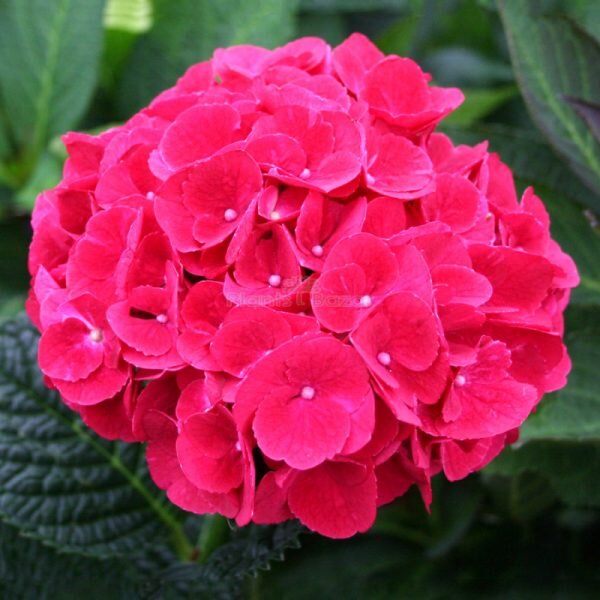
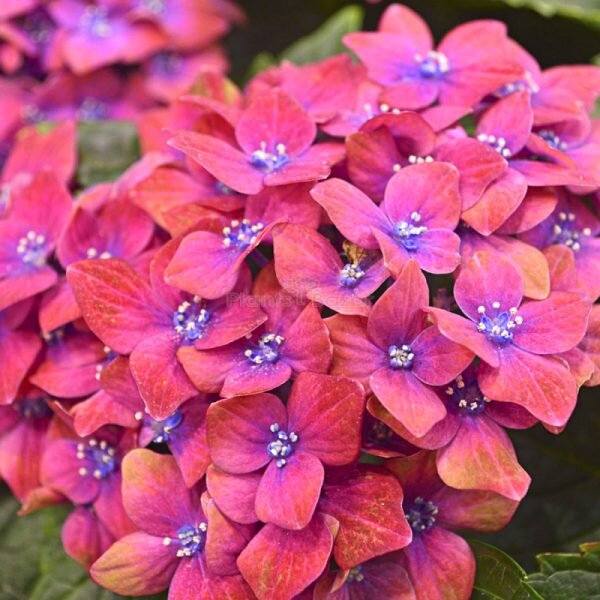

Hybrid Hydrangea Flowering Plant, Red
Original price was: ₹730.00.₹451.00Current price is: ₹451.00.
Plant Name:
Hybrid Hydrangea (Hydrangea spp.)
Plant Characteristics:
- Botanical Name:
Hydrangea spp. - Common Names:
Hybrid Hydrangea, Mophead Hydrangea, Lacecap Hydrangea - Type:
Deciduous or semi-evergreen flowering shrub (varies by hybrid) - Height:
3–10 feet tall, with a spread of 3–8 feet, depending on the variety - Leaves:
Broad, oval-shaped, serrated edges, bright to dark green - Flowers:
- Color: White, pink, blue, purple, or green, often changing with soil pH (acidic soil produces blue flowers, alkaline soil produces pink flowers)
- Shape: Mophead (rounded clusters) or lacecap (flat clusters with outer florets)
- Fragrance: Mild to no scent
- Bloom Season: Late spring to early fall
- Fruits:
Small, dry capsules containing tiny seeds, typically not prominent - Native Habitat:
Asia (China, Japan, Korea) and the Americas - Other Details:
- Known for their showy, long-lasting blooms.
- Perfect for gardens, borders, and containers.
Out of stock
Planting Tips for Hybrid Hydrangea Flowering Plant:
Growing Requirements:
- Light:
Partial shade to full sun; prefers morning sun with afternoon shade in hot climates. - Soil:
Well-draining, rich in organic matter, with adaptable pH depending on desired flower color. - Watering:
Requires consistent moisture; soil should remain evenly moist but not soggy.
Ideal Planting Time:
Plant in early spring or fall when temperatures are moderate.
Soil Preparation:
- Enrich the soil with compost or well-rotted manure for better water retention and nutrients.
- Adjust pH using sulfur for blue flowers or lime for pink flowers.
Watering Routine:
- Water deeply 2–3 times per week, especially during dry spells.
- Mulch around the base to retain soil moisture and regulate temperature.
Fertilizing:
- Apply a balanced slow-release fertilizer in spring and mid-summer.
- Use hydrangea-specific fertilizers to enhance color and bloom health.
Pruning:
- Prune dead or weak branches in late winter or early spring.
- For old wood varieties, prune after flowering; for new wood varieties, prune in early spring.
Pest and Disease Control:
- Common pests: Aphids, spider mites, and slugs. Treat with neem oil or horticultural soap.
- Diseases: Powdery mildew, leaf spot, and root rot. Ensure good airflow and avoid overwatering.
Pollination Requirements:
- Naturally pollinated by insects; not typically grown for fruit production.
Benefits and Uses:
- Aesthetic Value:
- Adds vibrant color and structure to gardens, borders, and walkways.
- Excellent for cut flower arrangements and dried flower crafts.
- Ecological Role:
- Attracts pollinators like bees and butterflies.
- Provides habitat for beneficial insects.
- Cultural and Practical Uses:
- Widely used in weddings and décor for their beauty and symbolism.
- Certain varieties have historical and medicinal significance.
Special Notes for PlantsInfo:
“Get Hybrid Hydrangea Flowering Plant at PlantsInfo and transform your garden into a vibrant, blooming paradise!”
Related products
-
SALE 
Variegated Guava Plant
Original price was: ₹670.00.₹651.00Current price is: ₹651.00. -
SOLD OUT 
Chinese Guava Plant
₹650.00 -
SALE SOLD OUT 
Jayaphal Jatiphal Nutmeg Spice Plant
Original price was: ₹1,051.00.₹800.00Current price is: ₹800.00. -
SALE SOLD OUT 
Hrm-99 Apple Plant
Original price was: ₹850.00.₹751.00Current price is: ₹751.00.