
SOLD OUT


Hybrid Rose Flowering Plant, Yellow
Original price was: ₹700.00.₹451.00Current price is: ₹451.00.
Plant Name:
Hybrid Rose (Rosa spp.)
Plant Characteristics:
- Botanical Name:
Rosa spp. - Common Names:
Hybrid Rose, Garden Rose, Tea Rose - Type:
Deciduous flowering shrub - Height:
2–6 feet tall, with a spread of 2–5 feet (varies by cultivar) - Leaves:
Glossy green, oval-shaped, with serrated edges - Flowers:
- Color: Wide range of colors including red, pink, yellow, white, orange, and multicolor varieties
- Shape: Double or semi-double blooms with multiple layers of petals
- Fragrance: Sweet, ranging from mild to strong, depending on the variety
- Bloom Season: Spring to late fall with repeat blooming cycles
- Fruits:
Small, round rose hips that develop after blooming in some varieties - Native Habitat:
Cultivated globally, originally derived from wild rose species - Other Details:
- Hybrid roses are bred for their beauty, fragrance, and hardiness.
- Commonly used in gardens, landscapes, and as cut flowers.
Out of stock
Planting Tips for Hybrid Rose Flowering Plant:
Growing Requirements:
- Light:
Full sun; at least 6–8 hours daily for optimal blooming. - Soil:
Well-draining, fertile soil rich in organic matter, with a slightly acidic to neutral pH (6.0–7.0). - Watering:
Moderate; consistent moisture is essential, especially during active growth and blooming.
Ideal Planting Time:
Plant in early spring or late fall when temperatures are mild.
Soil Preparation:
- Mix garden soil with compost or well-rotted manure to enrich nutrients.
- Ensure the planting area has good drainage to prevent root rot.
Watering Routine:
- Water deeply 1–2 times per week, depending on weather conditions.
- Avoid wetting the foliage to prevent fungal diseases.
Fertilizing:
- Feed with a balanced rose fertilizer every 4–6 weeks during the growing season.
- Use slow-release organic fertilizers for sustained nutrition.
Pruning:
- Prune in late winter or early spring to remove dead, weak, or diseased stems.
- Shape the plant and encourage new growth by cutting back old canes.
Pest and Disease Control:
- Common pests: Aphids, spider mites, and thrips. Use neem oil or insecticidal soap.
- Diseases: Powdery mildew, black spots, and rust. Ensure good airflow and apply fungicides when needed.
Pollination Requirements:
- Naturally pollinated by bees and other pollinators; hybrids are typically self-pollinating.
Benefits and Uses:
- Aesthetic Value:
- A versatile choice for gardens, borders, patios, and landscapes.
- Hybrid roses are prized for their showy blooms and wide color range.
- Ecological Role:
- Attracts pollinators such as bees and butterflies.
- Rose hips provide food for birds and small wildlife.
- Cultural and Practical Uses:
- Widely used in floral arrangements, bouquets, and décor.
- Rose petals and hips are often used in teas, skincare, and perfumes.
Special Notes for PlantsInfo:
“Get Hybrid Rose Flowering Plant at PlantsInfo to elevate your garden with timeless elegance and captivating blooms!”
Related products
-
SALE SOLD OUT 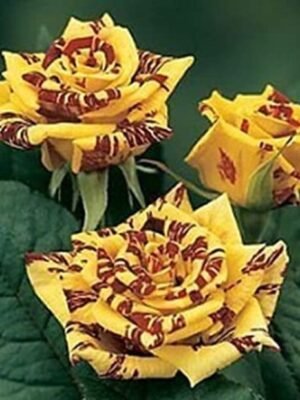
Abracadabra Rose Plant, Yellow Stripe
Original price was: ₹550.00.₹451.00Current price is: ₹451.00. -
SALE SOLD OUT 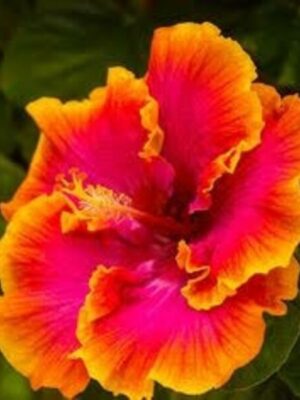
Australian Hibiscus Plant, Yellow And Red Shaded
Original price was: ₹550.00.₹451.00Current price is: ₹451.00. -
SALE SOLD OUT 
Austrian Hibiscus Plant, White And Pink Shaded
Original price was: ₹550.00.₹451.00Current price is: ₹451.00. -
SOLD OUT 
Bougainvillae Flowering Plant – Light Color
₹550.00