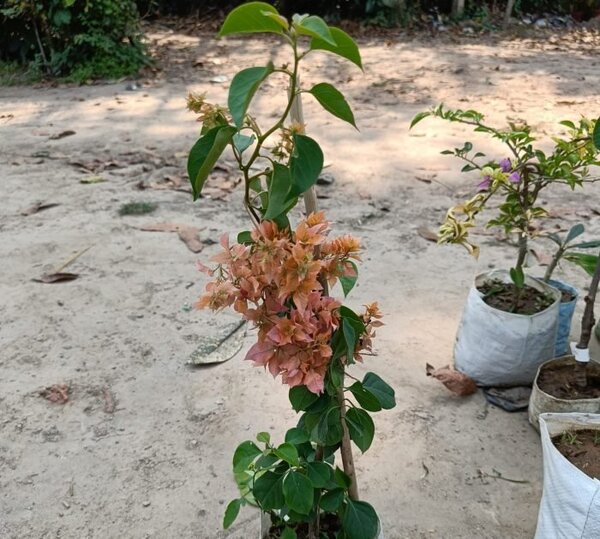
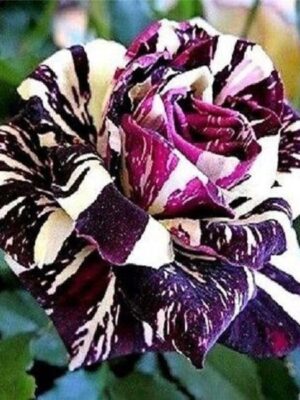
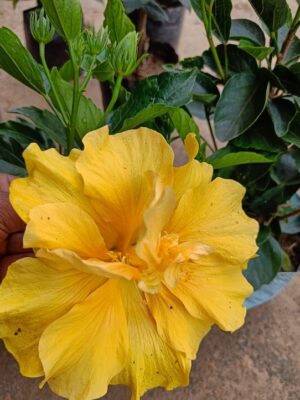
Height: 1-12 meters depending on variety and support structure
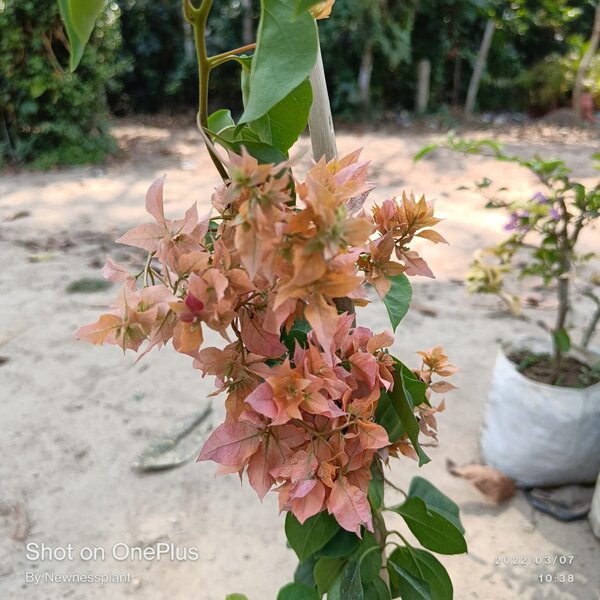
Leaves: Ovate, green leaves with a slightly glossy surface
Flowers: Small, tubular white flowers surrounded by brightly colored bracts in shades of pink, purple, red, orange, or white; blooms year-round in warm climates
Fruits: Small, inconspicuous seed pods that are rarely noticed
Native Habitat: South America, particularly Brazil, Peru, and Argentina
Other Details: Known for its vibrant colors and ability to thrive in warm, sunny environments; often used as a decorative plant for fences, walls, and trellises.
Soil: Well-draining, slightly acidic to neutral soil (pH 5.5-7.0)
Watering: Moderate; allow soil to dry out between waterings
Ideal Planting Time:
Spring or early summer
Soil Preparation:
Enrich the soil with organic compost and ensure good drainage
Watering Routine:
Water deeply once a week during the growing season; reduce watering in winter
Fertilizing:
Use a balanced fertilizer every 4-6 weeks during the growing season
Pruning:
Prune after flowering to shape the plant and encourage new growth; remove dead or weak branches
Pest and Disease Control:
Watch for aphids, caterpillars, and whiteflies; treat with neem oil or insecticidal soap as needed
Pollination Requirements:
Pollinated by insects; no special requirements for pollination
Benefits and Uses:
Nutritional Value: Not applicable; primarily an ornamental plant
Aesthetic Value: Adds vibrant colors to gardens, walls, and trellises; suitable for bonsai and container gardening
Ecological Role: Attracts pollinators such as bees and butterflies; helps reduce soil erosion
Special Notes:
Discover more about unique and fascinating plants like the Bougainvillea Flowering Plant at PlantsInfo, your go-to source for gardening tips and plant information!