Choose a location with at least 6–8 hours of direct sunlight daily.
Ensure the planting area is well-drained and protected from strong winds.
Soil Preparation:
The plant thrives in well-draining, fertile soil enriched with organic matter.
If the soil is heavy clay, amend it with compost or sand to improve drainage.
Planting Time:
Best planted in early spring or during the rainy season in tropical regions.
Planting Process:
Dig a hole twice as wide and deep as the root ball.
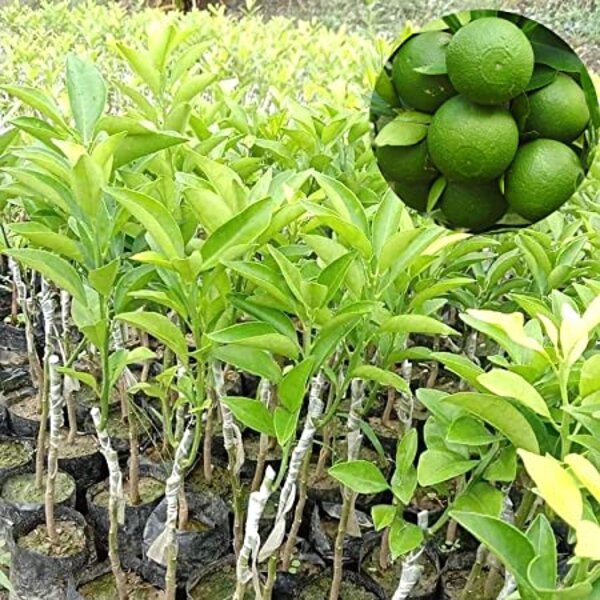
Place the plant in the hole with the graft union above the soil line.
Backfill with soil and water thoroughly to settle the roots.
Watering:
Water regularly during the first year to establish strong roots. Allow the topsoil to dry slightly between waterings.
Mature trees are drought-tolerant but require consistent moisture during flowering and fruiting.
Fertilizing:
Use a citrus-specific fertilizer with a balanced nutrient ratio. Apply in early spring, summer, and fall.
Organic compost can also be added annually to boost soil fertility.
Pruning and Maintenance:
Prune annually to remove dead or damaged branches and maintain an open canopy.
Light pruning after fruiting can improve the next season’s yield.
Pest and Disease Control:
Common Pests: Citrus leaf miners, aphids, and scale insects can infest the plant. For treatment, use neem oil or insecticidal soap.
Diseases: Watch for citrus canker and root rot. To prevent these diseases, ensure proper airflow and avoid waterlogging.
Temperature and Care:
The plant thrives in warm tropical and subtropical climates but should be protected from frost.
Mulch around the base to retain moisture and regulate soil temperature.
Benefits and Uses:
Fruit: The sweet and tangy fruit is rich in vitamin C, antioxidants, and fiber. It can be consumed fresh, juiced, or used in culinary recipes.
Ornamental: The tree’s glossy green leaves, fragrant white flowers, and vibrant orange fruits make it a visually appealing addition to gardens.
Medicinal: Oranges are renowned for their immune-boosting properties and are used in traditional remedies for colds and digestion.
Wildlife: The fragrant blossoms attract bees and other pollinators, supporting biodiversity.
The Vietnamese Malta Fruit Plant is an excellent addition to home gardens and orchards, offering delicious fruit and ornamental value. With proper care, it thrives and produces bountiful harvests.
“Grow the sweetness of Vietnamese Malta with PlantsInfo!”